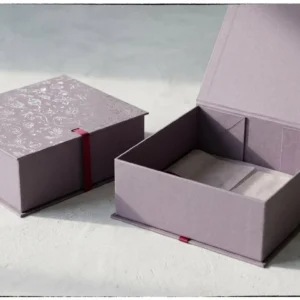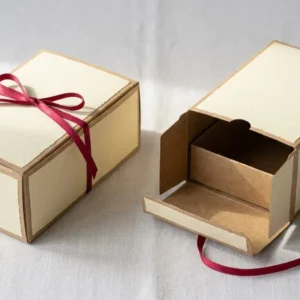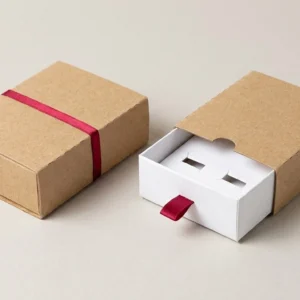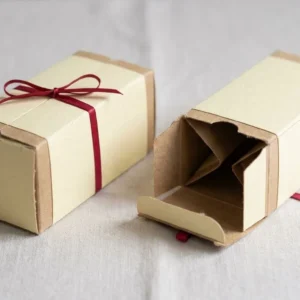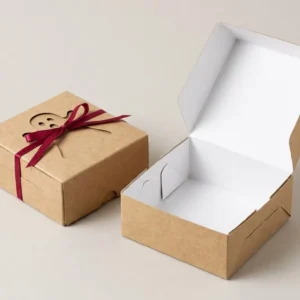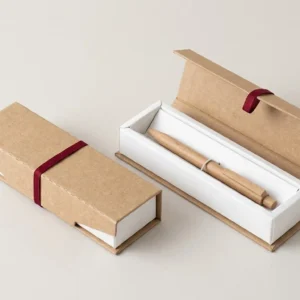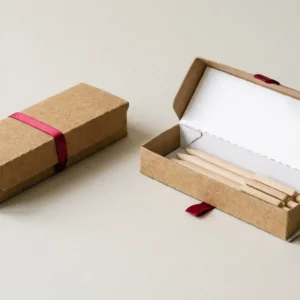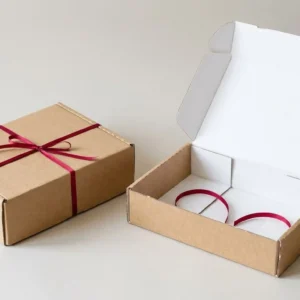
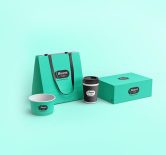


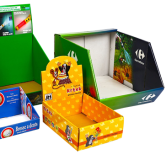
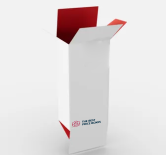
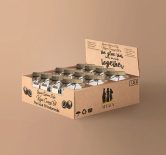
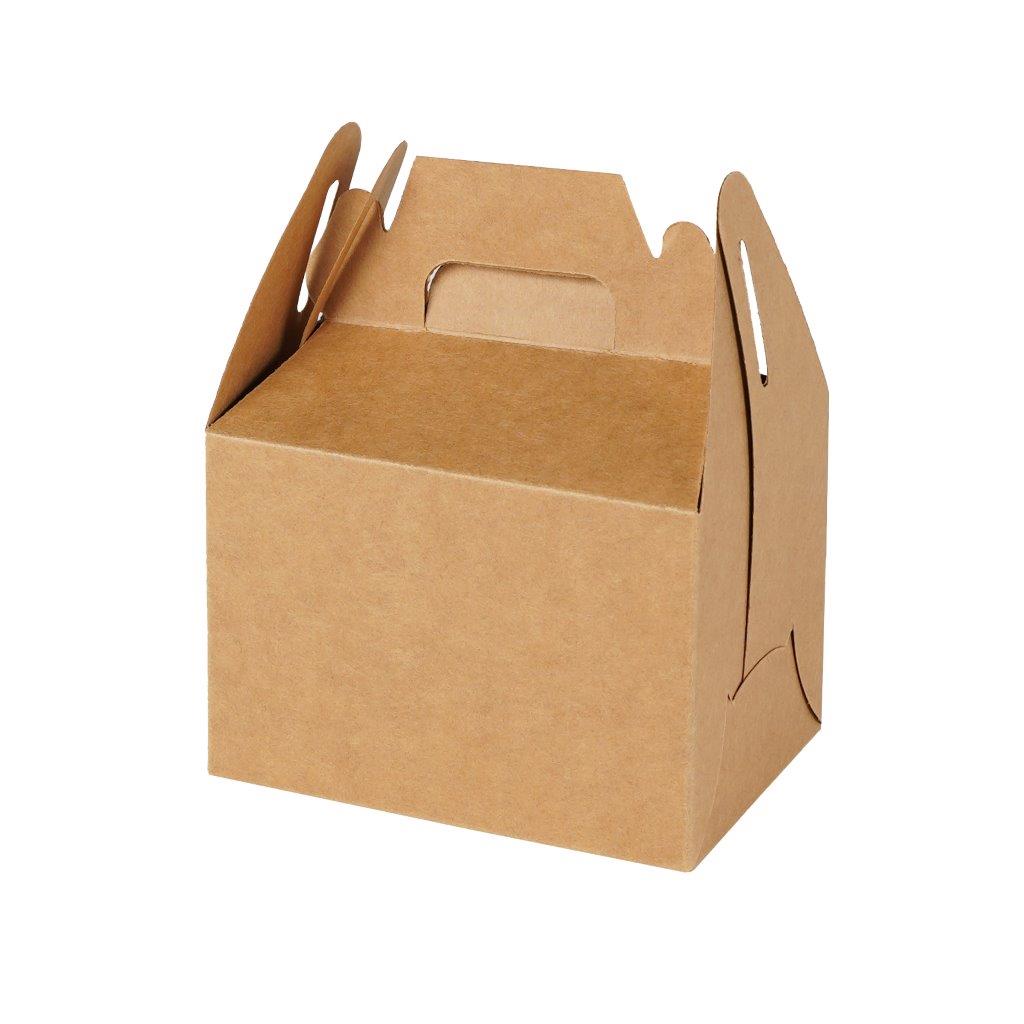
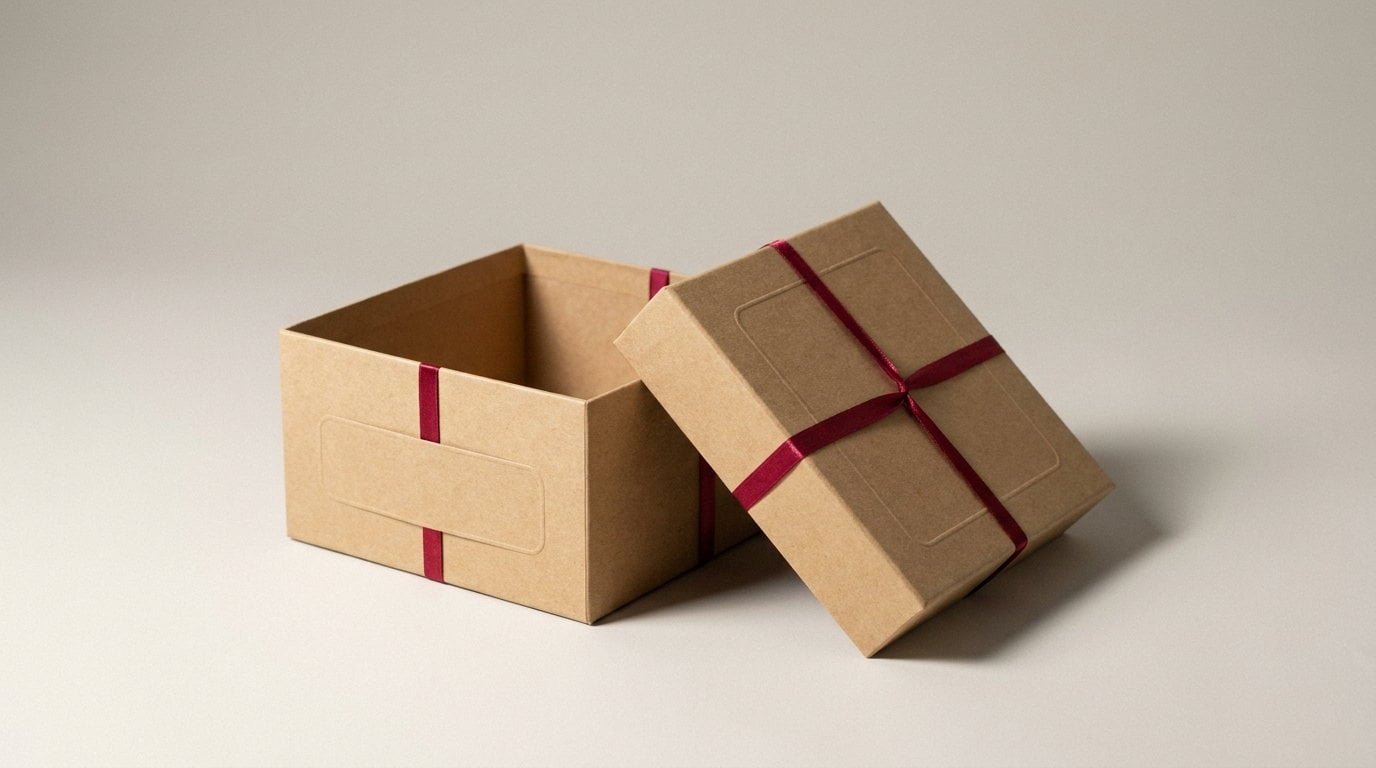


Craft boxes are custom-printed boxes for craft kits, hobby supplies and handmade products, built with dividers or inserts so every component has its own place. TBPB makes them to your artwork with no minimum order, and any written quote you bring for the same specs gets a price-beat from us.
A craft kit is a packing puzzle
A craft kit usually mixes parts that nobody would pack together: a skein of yarn, a bag of beads, a small tool, a printed pattern, perhaps a tube of paint. If they land in one open cavity, the beads migrate, the pattern creases and the box feels cheap before the project even starts. Good craft packaging is organized by layout. A tray holds hard items, a slot or flap holds the instructions, and a divider stops the loose pieces mixing. The box also has to be opened and closed many times, since people rarely finish a kit in one sitting. Closures matter more here than on a one-time-use carton.
Pick the structure by how the kit is sold
For a kit sold in a shop, a folding carton with a tuck closure or a full-width lid and a die-cut inner tray usually does the job. For a subscription or mail-order kit, you want a stronger shipping structure. Corrugated, in E-flute for light kits or B-flute where you need crush resistance, can be printed or wrapped, and it carries heavier supplies better than paperboard. Our mailer boxes are a good starting point for that. If you only need an outer shipper around a retail kit, see our ecommerce boxes. A kraft-colored board suits natural and handmade brands, and white board with full-color print suits bright, kid-friendly kits.
Sizing and inserts
List everything that goes in, then lay it all out flat and measure the footprint. The box interior has to hold the biggest component plus a little clearance, about 1/8 inch per side for a loose fit. Stack heights add up quickly, so measure the combined height of any layers. Dividers can be printed paperboard, cut to form slots, or a die-cut foam inlay for delicate parts. Our custom foam inserts cover tools and fragile pieces that need individual pockets. For lighter kits, folded paperboard dividers keep the weight and cost down.
Print and finish
Printing runs in CMYK, with Pantone for brand colors. The inside of a craft box is a chance to print the project steps, a parts list or the finished piece, so people see the result before they start. Matte lamination keeps the surface calm and shows fewer marks on a box that gets handled often. Spot UV can pick out a title. One tip: print the parts list inside the lid, because it stays visible while the kit is open.
A last honest point on cost control: the more compartments a box has, the more it costs to cut and assemble, so group small items in one bag per compartment instead of giving every part its own pocket.
- Folding carton, kraft board or corrugated, matched to how the kit ships
- Die-cut trays, dividers, flaps and foam inlays
- Tuck, lidded or mailer-style closures
- CMYK or Pantone printing, with matte, gloss or spot UV
- Printed interior for instructions and parts lists
Send a list of the kit contents with sizes, how you sell it and your quantity, even if it is one, and we will draw the dieline and quote it. If you are unsure whether you need a retail box or a stronger shipper, tell us how the kit reaches the customer.
Frequently asked questions
Is there a minimum order for craft boxes?
No. TBPB has no minimum order. You can order one sample box to test a kit layout or thousands for a full launch. We draw the dieline from the contents list you send, and the process is the same for any quantity.
How do I size a box for a craft kit?
List every component, lay them out flat and measure the footprint, then add the stack height of any layers. The interior needs the biggest piece plus a little clearance, about 1/8 inch per side. Send the list and we will build the layout.
Can craft boxes have dividers and trays?
Yes. We can build die-cut trays, folded paperboard dividers, flaps and foam inlays so each part has a place. Dividers keep small items from mixing and protect delicate pieces. Tell us what is in the kit and we will suggest the structure.
What board is best for mailing craft kits?
Corrugated is the usual choice for mailed kits because it handles crush and heavier supplies. E-flute suits lighter kits and B-flute adds strength. For a kit that sells in stores, folding carton paperboard is lighter and prints cleanly.
Can I print instructions inside the box?
Yes. Printing inside the lid or on the tray is a good place for steps, a parts list or the finished project. Allow margins near the folds so text is not cut off, and keep type large enough to read while the kit is open.
Do kraft and craft boxes mean the same thing?
No. A craft box is made for craft kits and supplies, while kraft refers to the natural brown paperboard material. A craft box can be made from kraft board, white board or corrugated. We can do either, depending on the look you want.
More Custom Retail Packaging
See the full Custom Retail Packaging range, or explore related options with no minimum order and our best-price guarantee: