



No Minimum Order · We match any like-for-like written quote. Send it and we will beat it · Free digital proof · Get a Free Quote →

White Rigid Boxes

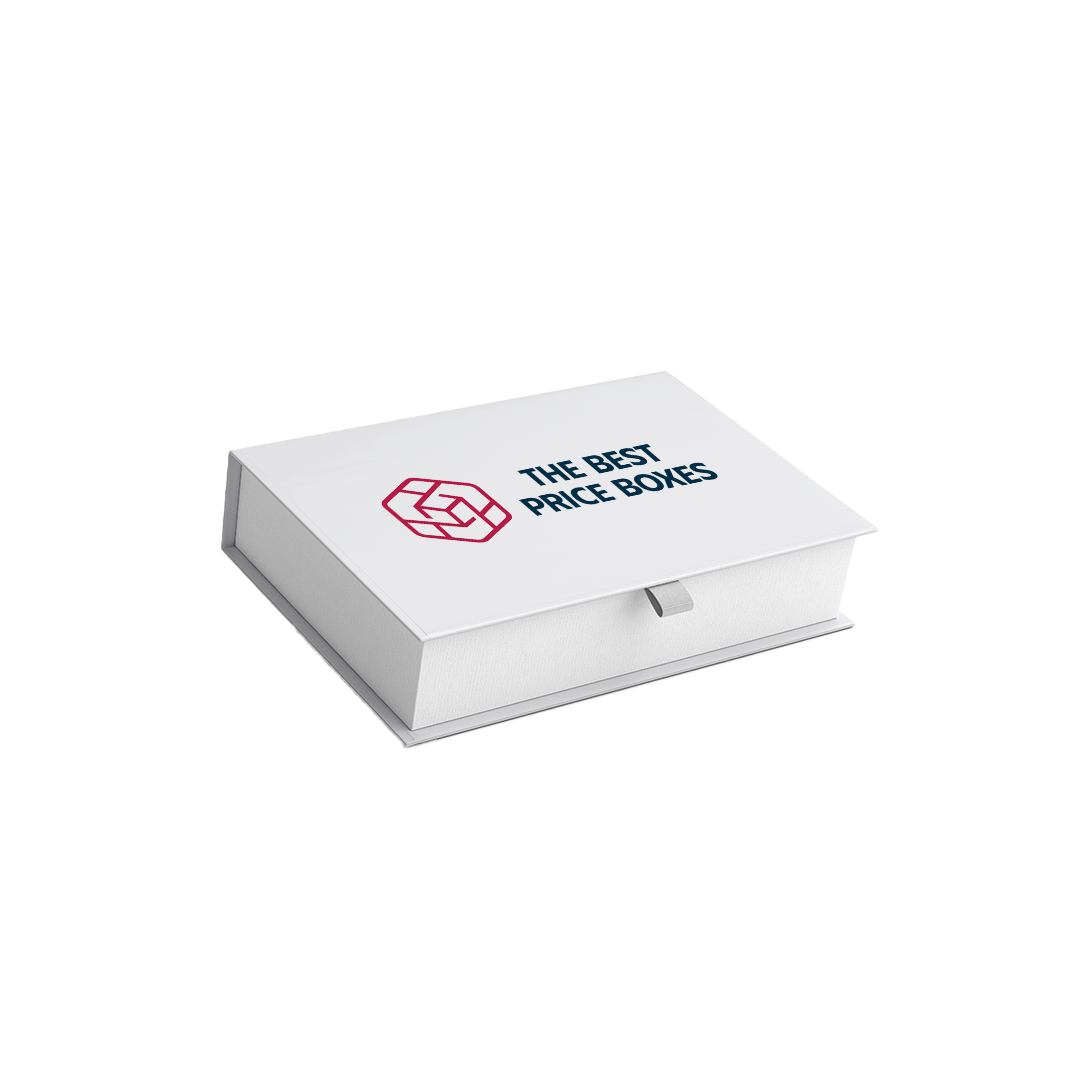
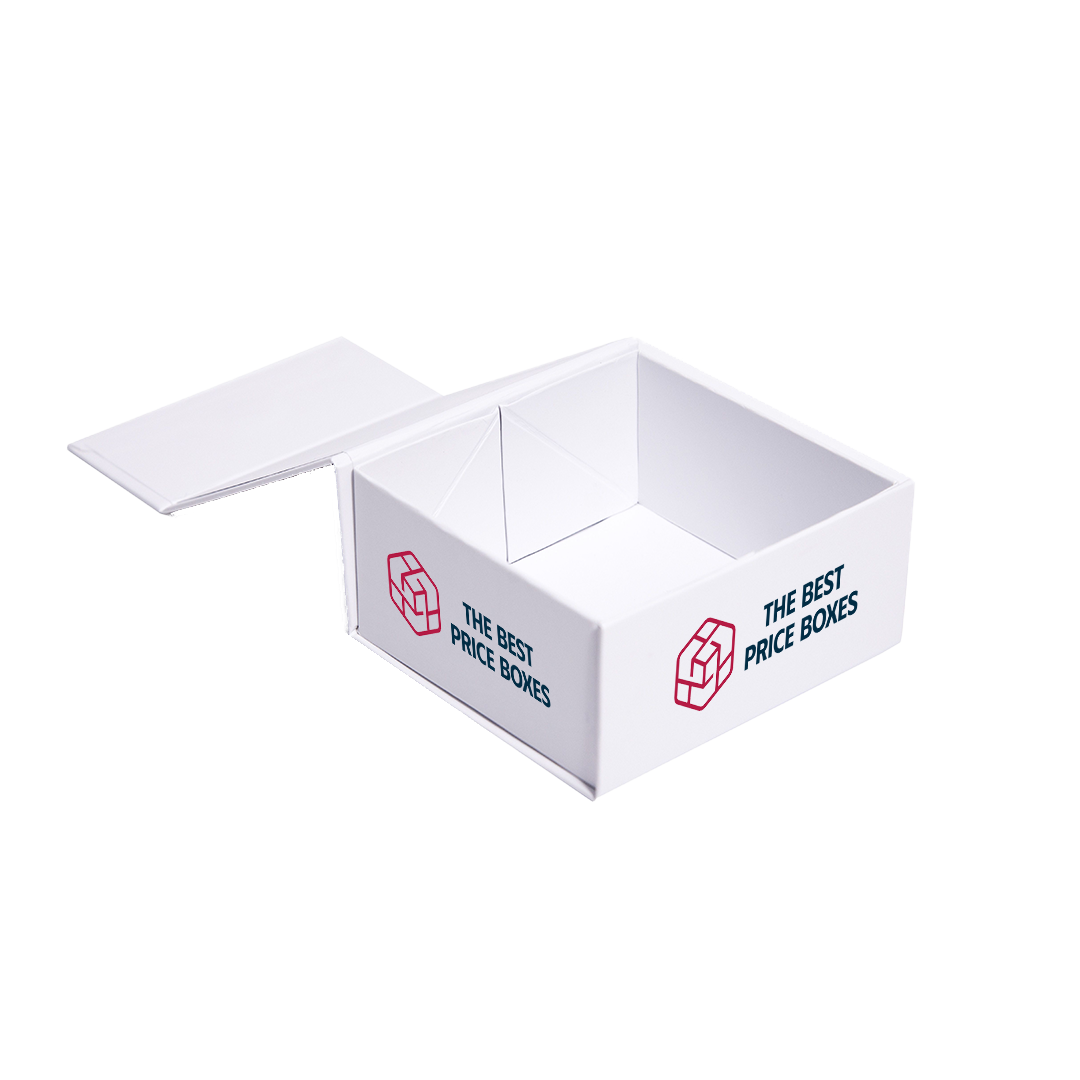
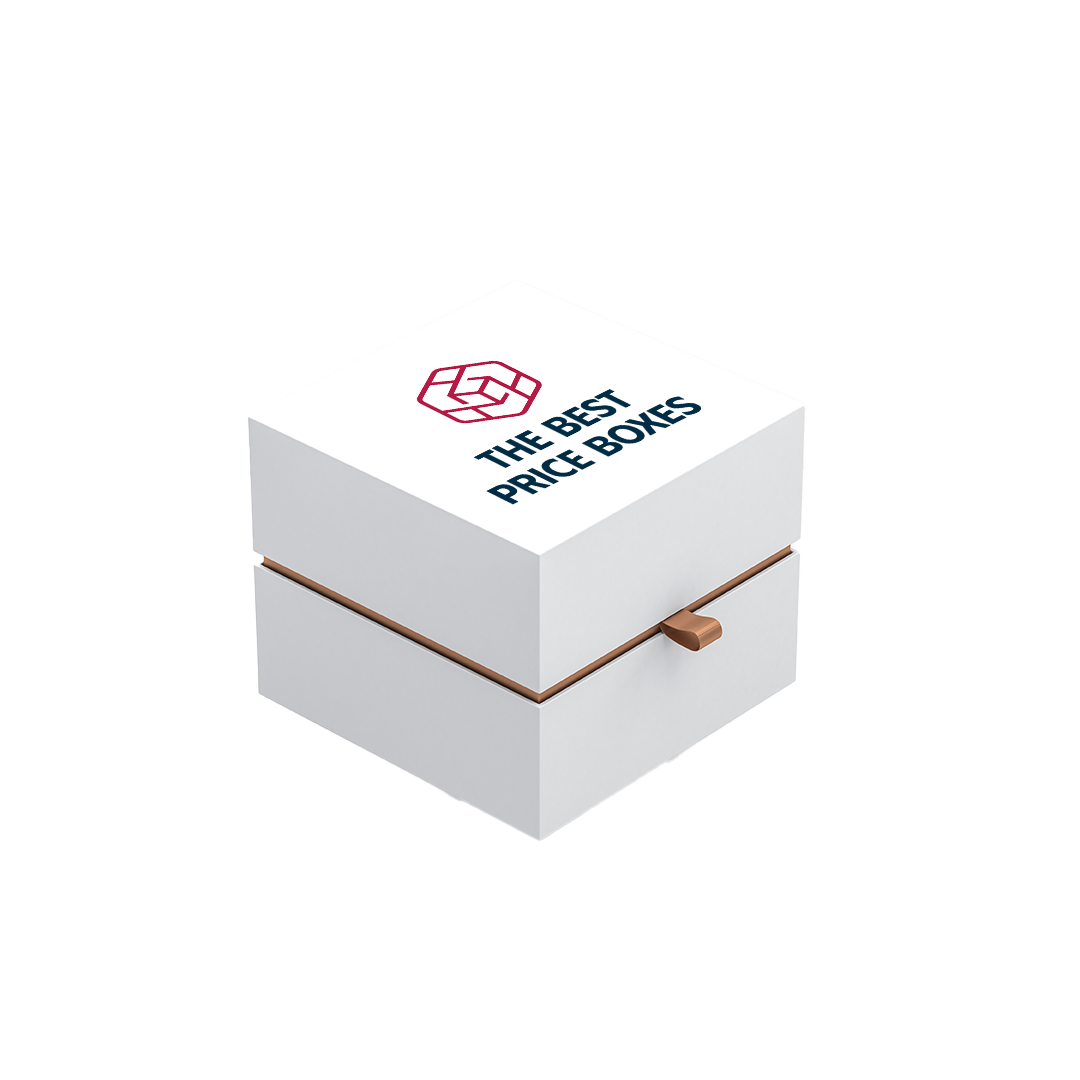
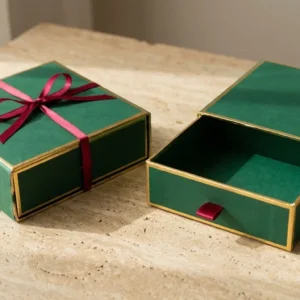
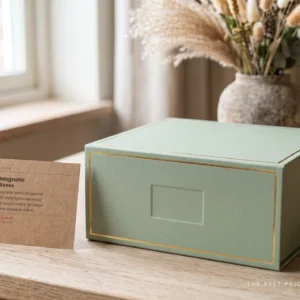
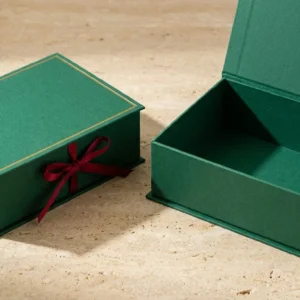
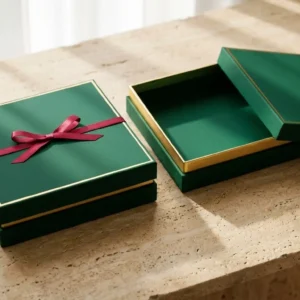
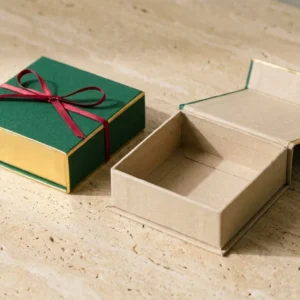
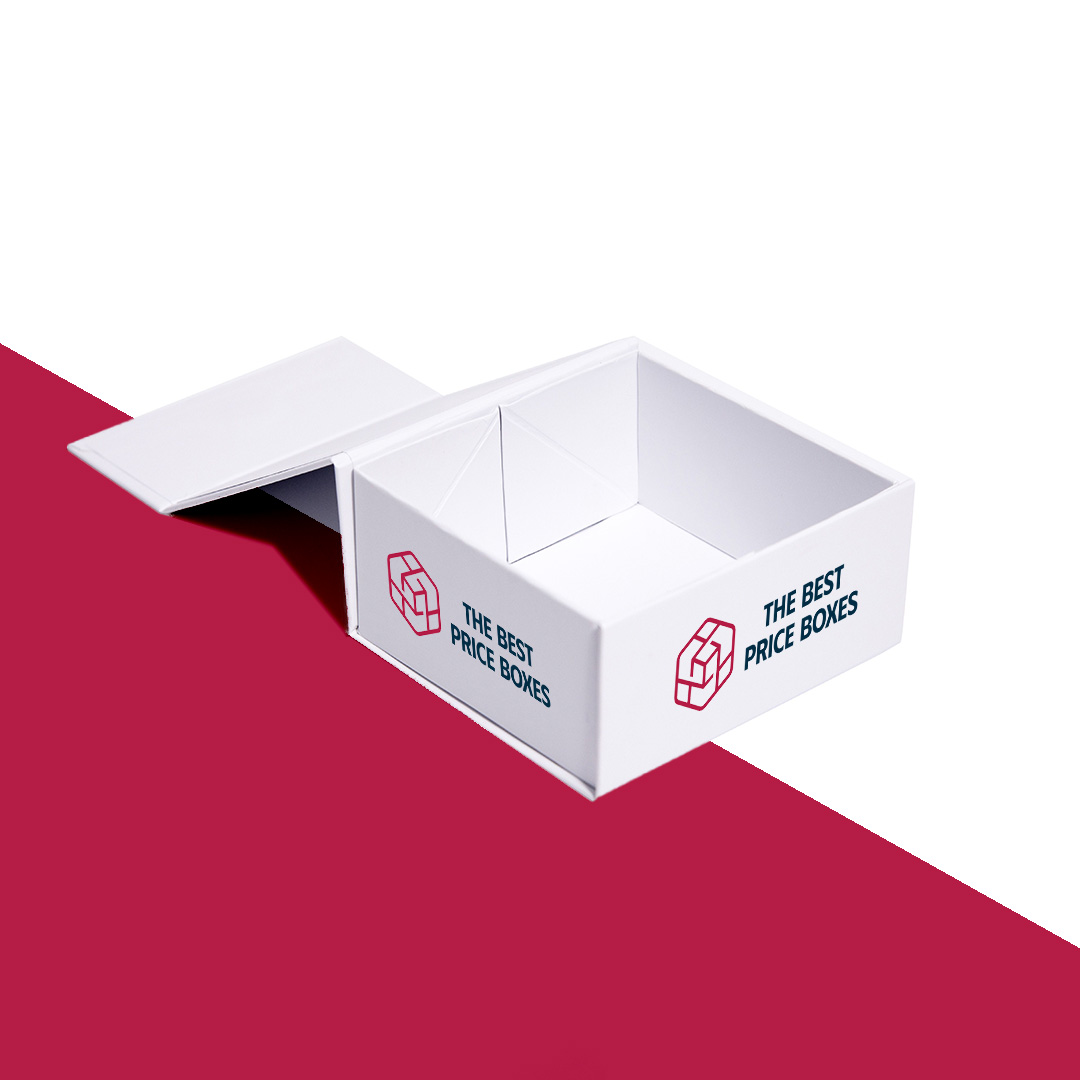
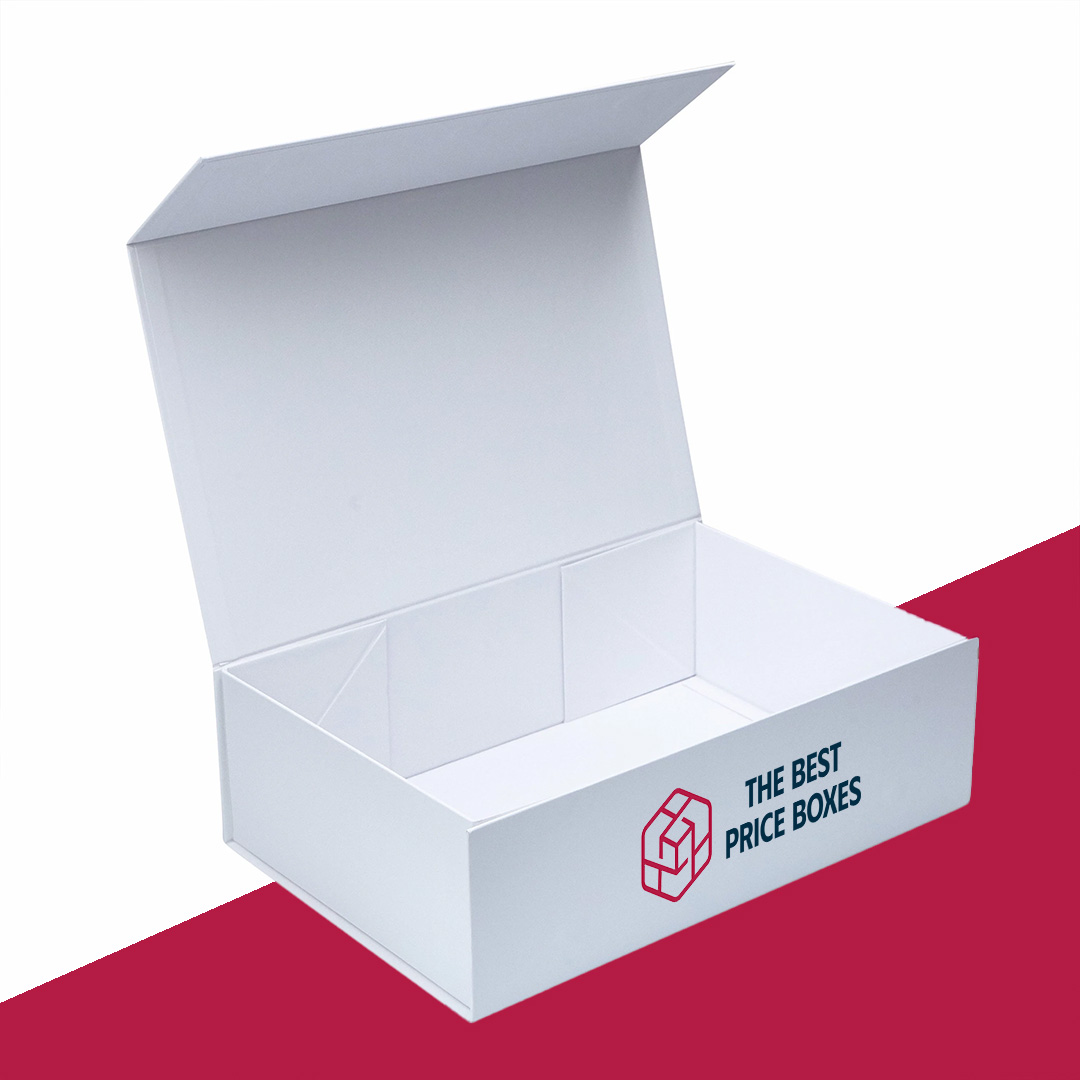
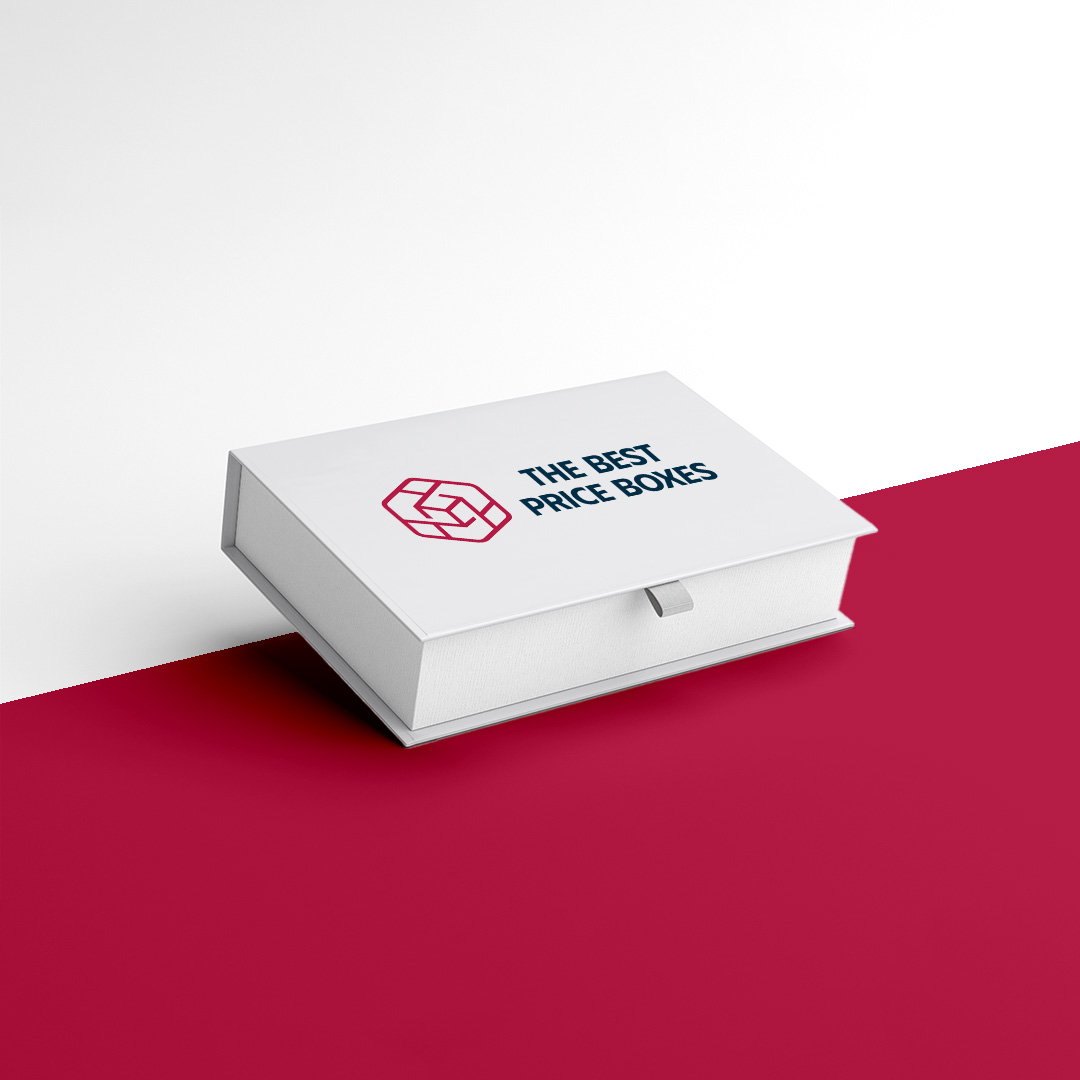
White rigid boxes built from solid greyboard and wrapped in printed white paper. Custom internal sizes, no minimum order.

Board from 1.0 mm to 3.0 mm, with 2.0 mm (79 pt) the usual retail choice. Full telescoping, partial shoulder, neck and magnetic lids. Matte, gloss and soft touch lamination, foil stamping, spot gloss and blind embossing.

Remember the outside is larger than the cavity. Four board thicknesses sit between them, about a third of an inch at 2.0 mm, so size your shipper from the external dimension.

Free design service, free samples and free shipping. Send us a written quote from another supplier and we will work to beat it.

Pricing depends on size, material, and quantity, request a free quote

Get an Instant Quote

icon-1

High Quality Offset Printing

icon-2

Best Quality Of Packaging

icon-3

Creative Packaging

icon-4

Eco friendly

MATERIALS

PREMIUM FINISHES

Shipping and Turnaround

Standard production runs 7 to 14 business days, depending on the box style, print method, and finishing you choose, a simple kraft mailer moves faster than a box with foil stamping or spot UV. Need it sooner? We handle rush requests case by case, so email us your deadline before you place the order and we’ll tell you straight whether we can hit it.

Shipping is free, anywhere in the world. We ship with FedEx, UPS, USPS, and DHL depending on your location and order size, and you’ll get a tracking number as soon as your order leaves our facility.

  • Standard turnaround: 7 to 14 business days
  • Rush orders: handled case by case, contact us with your deadline
  • Shipping: free worldwide via FedEx, UPS, USPS, or DHL
  • Tracking: provided once your order ships

Ready to order white rigid boxes? Get your free quote in minutes

Free design and dielines, free samples, no minimum order, and we beat any competitor’s written quote. Your logo in full color, fast turnaround.

Request a Free Quote

White rigid boxes are premium set up boxes, built from thick chipboard wrapped in a clean white paper, used where a brand wants a luxury unboxing without any color noise. We make them with no minimum order quantity, so you can order 50 for a launch or thousands for retail, at a per box price we will quote against your current supplier.

Rigid boxes do not fold flat, they arrive built, which is why they feel substantial. The core is usually gray chipboard in the 1.5mm to 3mm range wrapped in a smooth white litho sheet, and the two most common styles are a two piece lid and base or a magnetic closure book box. Inside we add a foam, EVA, or molded pulp insert to seat the product, and finishes like a spot gloss logo, foil stamping, or a soft touch matte laminate all sit crisply on the white surface. Because rigid ships assembled, we size the insert precisely so nothing shifts in transit.

White rigid is the format brands reach for when the product is the hero and the box should feel expensive but quiet, think electronics, cosmetics, and premium gifting. It costs more per unit than a folding carton, so we help you decide where it earns its place and where a simpler style will do. Send your product dimensions and we will spec the wall thickness, insert, and a free proof. If you are comparing quotes, send the other number so we can try to beat it.

White Rigid Boxes Questions, Answered

  1. Why do rigid boxes cost more than folding cartons?

    They use thicker chipboard, arrive assembled rather than flat, and take more hand work to wrap. That is what gives them the premium weight and feel. We will tell you honestly when a folding carton would serve you for less.

  2. Is there a minimum order?

    No. You can order 50 rigid boxes for a launch and reorder at a lower per unit price at volume.

  3. What inserts can go inside?

    Foam, EVA, or molded pulp, cut to seat your product so it does not move in shipping. Send the item dimensions and we will size it.

  4. Can you beat a competitor price?

    Send a comparable spec and quote and we will match or beat it where we can.


Product Overview

A white rigid box is a solid greyboard shell wrapped in a printed white paper. There is no flute inside, which is what separates it from corrugated. The board resists crushing and keeps a square edge, so the box holds its shape on a shelf and in a drawer for years, and it ships assembled rather than flat. Board runs from 1.0 mm for light contents up to 3.0 mm for glass, spirits and large gift sets. Around 2.0 mm, which is 79 points, is the usual choice for retail. Pick the thickness from the weight going inside, not from how premium you want the box to feel. One thing to plan for before you approve a dieline: four thicknesses of board sit between the cavity and the outside of a two piece box. At 2.0 mm that adds roughly a third of an inch to each horizontal dimension, which is what decides whether your boxes fit the master carton. Lid styles include full telescoping, partial shoulder, neck and magnetic flap. Finishes include matte and gloss lamination, soft touch, foil stamping, spot gloss and blind embossing, all of which read strongly against white. Custom sizes, free design work, free samples, free shipping and no minimum order.

Learn More About White Rigid Boxes

How a White Rigid Box Is Actually Built

A rigid box is not a folding carton that happens to be thick. It is a different object made a different way. A sheet of greyboard or chipboard is cut and scored, the corners are stayed with tape, and the whole shell is then wrapped in a printed paper. The board gives the structure. The wrap gives the surface. Nothing folds flat afterwards, which is why these boxes ship assembled and why they hold their shape for years in a drawer. That construction is what makes the white finish possible. You are not printing on the board itself. You are printing on a separate wrap sheet, then laminating it over the shell. A true white on a rigid box comes from a coated white wrap paper, not from bleached board showing through. It also explains the one thing buyers get caught out by. Because there is board on the base and board on the lid, the outside of a finished box is meaningfully larger than the space inside it. More on that below, because it is the single most common sizing mistake we see.

Board Thickness in Millimeters and Points

Factories quote rigid board in millimeters. American buyers usually think in points, where one point is one thousandth of an inch. The two never appear on the same quote, so here is the conversion.

Board thicknessInchesPoints (caliper)Typical use
1.0 mm0.039 in39 ptLight collapsible boxes, sleeves, low weight contents
1.2 mm0.047 in47 ptSlim boxes for cards, stationery, flat goods
1.5 mm0.059 in59 ptThe common starting point for retail gift boxes
2.0 mm0.079 in79 ptStandard retail rigid box, most consumer products
2.5 mm0.098 in98 ptCosmetics sets, electronics, jewelry boxes with inserts
3.0 mm0.118 in118 ptHeavy contents, glass, spirits, large gift sets

If you are moving a product from a folding carton to a rigid box, the jump is larger than it sounds. A heavy folding carton might run 24 pt. A standard rigid box at 2.0 mm is 79 pt, more than three times the caliper. That is where the weight in the hand comes from. Choose thickness by what goes inside, not by how premium you want the box to feel. A 1.5 mm box holding a candle will bow at the base long before anyone notices the board was thin. A 3.0 mm box around a silk scarf just costs more to ship.

Why GSM Is the Wrong Way to Specify Rigid Board

Suppliers often answer a thickness question with a paper weight. Ask for 2 mm board and you may be quoted 900 to 1200 GSM. Ask for 3 mm and you may be quoted 1400 to 1800 GSM. Both answers are common, and both are unreliable, because weight and thickness are only linked through the density of the board. Run the numbers on those quoted ranges and the implied density lands anywhere from roughly 450 to 800 kilograms per cubic meter. That is a spread of nearly two to one. Two boards quoted at the same GSM can differ in caliper by a third, and caliper is what you feel when you pick the box up and what decides whether your insert still fits. So specify the caliper. Put the millimeter figure or the point figure on the purchase order and treat GSM as a secondary note. If a supplier will only quote GSM, ask them for the caliper of that specific board before you approve anything.

Internal Versus External: Where the Extra Third of an Inch Goes

This is the part that ruins shipping calculations and shelf plans. On a two piece box, the base has board on both sides of the cavity. The lid then fits over the outside of the base, so it adds its own board on both sides again. Four thicknesses of board sit between the inside of the cavity and the outside of the finished box. The arithmetic is simple once you see it. External dimension equals internal dimension plus four times the board thickness, plus the small running clearance the factory leaves so the lid slides rather than jams.

Cross section of a two piece rigid box showing four board thicknesses between the internal cavity and the outside of the box
External dimension equals internal cavity plus four board thicknesses.
Internal cavityOutside at 1.5 mm boardOutside at 2.0 mm boardOutside at 3.0 mm board
4 x 4 in4.24 x 4.24 in4.31 x 4.31 in4.47 x 4.47 in
6 x 4 in6.24 x 4.24 in6.31 x 4.31 in6.47 x 4.47 in
8 x 6 in8.24 x 6.24 in8.31 x 6.31 in8.47 x 6.47 in
10 x 8 in10.24 x 8.24 in10.31 x 8.31 in10.47 x 8.47 in
12 x 9 in12.24 x 9.24 in12.31 x 9.31 in12.47 x 9.47 in
13.5 x 9 in13.74 x 9.24 in13.81 x 9.31 in13.97 x 9.47 in

These are minimums. They assume zero clearance between lid and base, which no real box has. Add the factory clearance and the true outside will be a fraction larger still, which is why the last column matters if you are packing boxes into a shipper with a fixed internal width. The practical rule: at 2.0 mm board, a two piece white rigid box measures about a third of an inch more on the outside than the cavity it protects, on each of the two horizontal dimensions. Design your master carton around the outside figure, never the inside one. Height behaves differently and depends on the lid style, which is the next section.

Sizing the Cavity to the Product

Work outward from the product, in this order.

  1. Measure the product at its widest point, including any cap, valve, pump or label that stands proud of the body.
  2. Add clearance on each side. A quarter of an inch per side is enough for a rigid item that sits in a tray. Half an inch per side is safer if the product is soft, if it is wrapped in tissue, or if a foam or card insert has to sit around it.
  3. That total is your internal cavity.
  4. Add four board thicknesses to get the outside, using the table above.

A worked example. A candle jar, of the kind that normally ships in candle boxes, measuring 3.5 by 3.5 inches and 4 inches tall, sitting in a card insert, wants roughly half an inch of clearance per side. Cavity becomes 4.5 by 4.5 by 5 inches. At 2.5 mm board the finished box measures close to 4.9 by 4.9 inches on the outside. If your shipper has a 5 inch internal width you have about a tenth of an inch to spare, which is not enough for void fill. Go up a shipper size or drop the clearance. Doing this arithmetic before you approve a dieline is five minutes of work. Discovering it after a print run is a reprint.

Lid Styles and How Deep the Lid Should Sit

The lid depth changes the look and the strength.

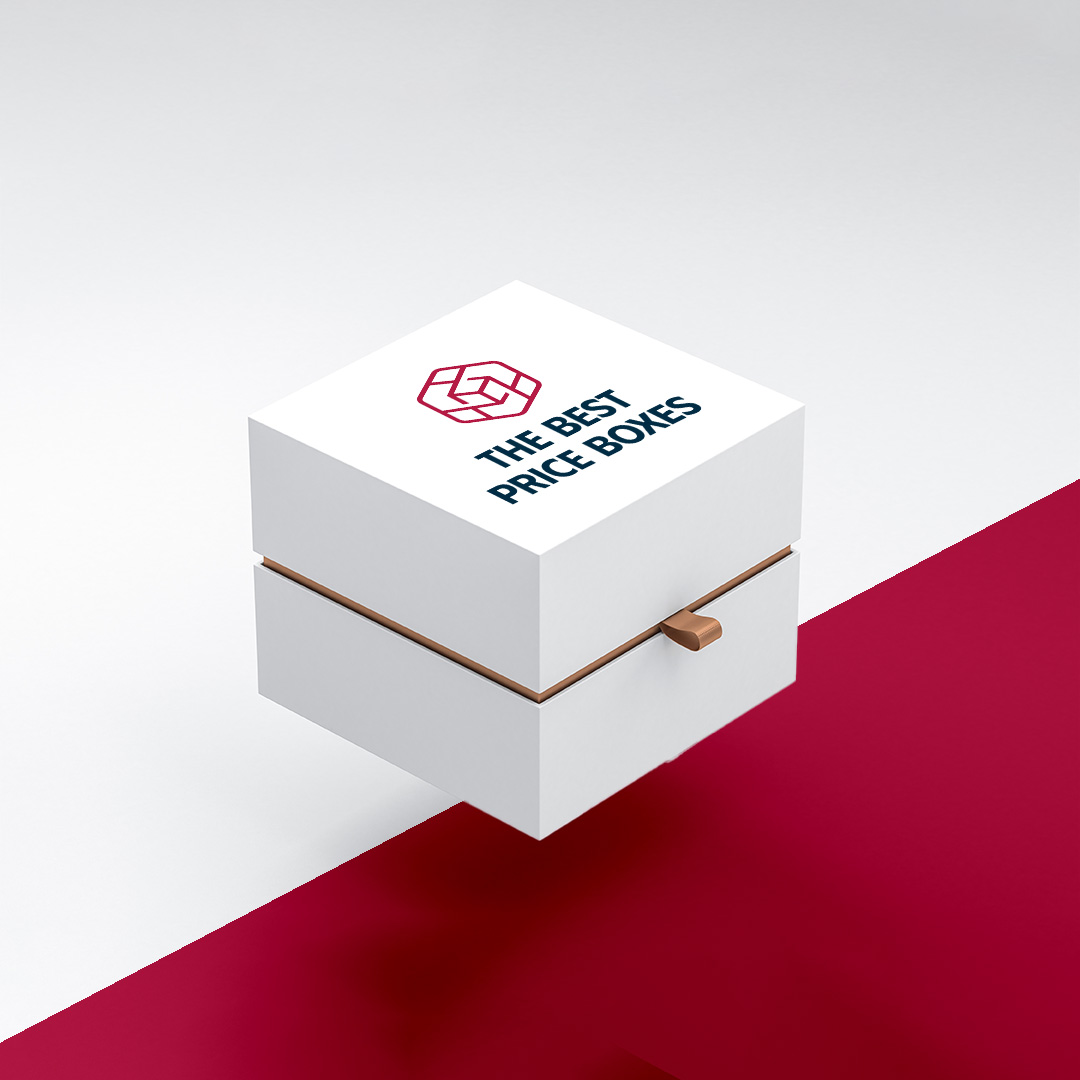
Full telescoping lid. The lid covers the entire height of the base. Strongest option, hides the base completely, and lets you print the whole visible surface as one design. It also uses the most board and wrap, so it costs more.

Partial or shoulder lid. The lid covers the top portion only, leaving a band of the base showing. This is the classic gift box look and lets you use two different wrap colors, a white lid over a colored base for instance. Weaker than a full telescope because the lower base wall is unsupported.

Neck box. An inner collar sits above the base rim and the lid drops onto it. Gives a precise, snug close and a visible reveal line. More components and more assembly labor.

Magnetic flap. A hinged lid held by magnets, the construction used on book style rigid boxes, set into the flap and the front wall. Opens like a book, which shows the product well, but the hinge is the wear point and the box needs thicker board to carry the magnets without dimpling. For a plain white box, the partial lid is usually the wrong choice unless the base is a contrasting color. A white lid over a white base with a visible seam line draws the eye straight to the join, and any variation between the two wrap batches shows.

Magnets: Placement Matters More Than Strength

The common instinct is to ask for stronger magnets. The more useful specification is where they sit. Magnets are set into recesses in the board and covered by the wrap. If a pair is set even two millimeters off center from its opposite number, the lid pulls to one side as it closes and sits visibly crooked. Nobody will describe this to you as a magnet problem. They will say the box feels cheap. Ask your supplier two questions before approving a magnetic white box. What is the placement tolerance on the magnet recess, and is the board thick enough that the magnet does not raise a visible bump under the wrap. On a white wrap, a dimple or a bump reads as a defect. On a dark wrap it hides.

Printing on White: Bleed, Safe Zone and Why White Is Unforgiving

White is the hardest finish to get right, because there is nothing to hide behind. Set 3 mm of bleed, which is an eighth of an inch, on every edge of the wrap artwork. Rigid box wraps are trimmed and then folded around a shell, so the artwork travels around corners and any shortfall shows as a sliver of raw board at an edge. Keep text and logos at least 5 mm, about a fifth of an inch, away from every fold line and edge. Board has thickness, and artwork that crosses a fold on a 2 mm board does not land where it does on a flat proof. Two more things specific to white. First, ask for the wrap paper’s whiteness reference and keep it consistent across reorders, because a warm white next to a cool white on a shelf looks like a mistake rather than a range. Second, consider a matte lamination or an aqueous coat. Uncoated white wrap picks up finger marks in a retail environment faster than any other finish, and a scuffed white box on a shelf costs more sales than a slightly less tactile coated one. Foil stamping, spot gloss and embossing all read strongly on white because the contrast is pure. A blind emboss on a white box is one of the few decorative effects that costs nothing in ink and still reads as expensive.

Rigid Versus Corrugated for Shipping

These solve different problems and the confusion is expensive in both directions. Corrugated board has a fluted layer between two liners. That flute is an air structure, and it is what absorbs impact energy in a drop. Rigid board is solid. It resists crushing and holds its shape, but it does not absorb a drop the way a flute does. A rigid box handed to a carrier without an outer shipper will arrive with dented corners. The workable model for most brands is both. The rigid box is the presentation layer that the customer opens. A corrugated shipper carries it through the network. If you are shipping direct to consumer, budget for the outer carton and the void fill in your unit cost from the start, because that cost does not disappear by wishing the rigid box were stronger. If a rigid box genuinely has to ship alone, ask for a thicker board at the corners, a fitted insert that stops the product moving, and test drops before committing to a run.

Ordering White Rigid Boxes Without a Minimum

Rigid boxes carry more setup labor than folding cartons because much of the assembly is manual. That is the honest reason minimum order quantities exist across this category, and it is why a lot of suppliers will not talk to a brand ordering a first run of fifty. We do not set a minimum. You can order the quantity your launch actually needs, prove the packaging works, and scale the run once the product sells. That matters most on a white box, because white is the finish where a proof on screen tells you the least and a physical sample tells you the most. Free samples, free design work on your dieline and artwork, and free shipping are included. If you already have a written quote from another supplier, send it over and we will work to beat it. Send us the product dimensions and the board thickness you have in mind, or just send the product measurements and we will do the sizing arithmetic on this page for you and come back with the outside dimensions and a dieline.

Our Related Products

You’ve successfully crafted an outstanding product, and now it’s our turn to contribute by designing distinctive custom packaging materials. Explore our array of boxes to discover the perfect match for your requirements!

Get Free QuoteCall Now
Custom Packaging With No Minimum Order
No Minimum Order Packaging Guide · Free Samples and Proof · Cosmetic Packaging · Food Packaging · CBD Packaging · Cannabis Packaging · Apparel Packaging · Types of Folding Cartons · Gable Boxes · Window Boxes · T-Shirt Boxes · Hat Boxes · Burger Boxes · Coffee Cups · Donut Boxes · Types of Mailer Boxes · Chocolate Boxes · Perfume Boxes · Pizza Boxes · Electronics Boxes · Pet Product Boxes · Pillow Boxes · Types of Rigid Boxes · Tea Boxes · Hemp Boxes · Pre-Roll Boxes · Cigar Boxes · Custom Boxes · Mailer Boxes · Mylar Bags · Food Boxes · Rigid Boxes · Kraft Boxes · Soap Boxes · Candle Boxes · Gift Boxes · Coffee Boxes · Cosmetic Boxes · CBD Boxes · Display Boxes · Candy Boxes · Subscription Boxes · Cake and Bakery Boxes · Stand-Up Pouches · Apparel Boxes · Jewelry Boxes · Supplement Boxes · Vape Boxes
Packaging Guides
Mailer vs Rigid · Rigid vs Folding Cartons · Kraft vs White Board · Mylar vs Stand-Up Pouches