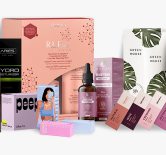
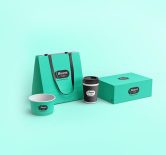
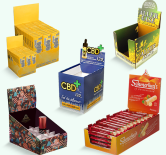

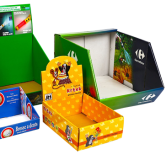
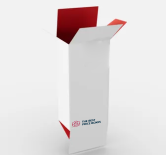
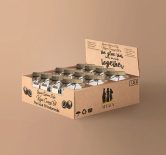
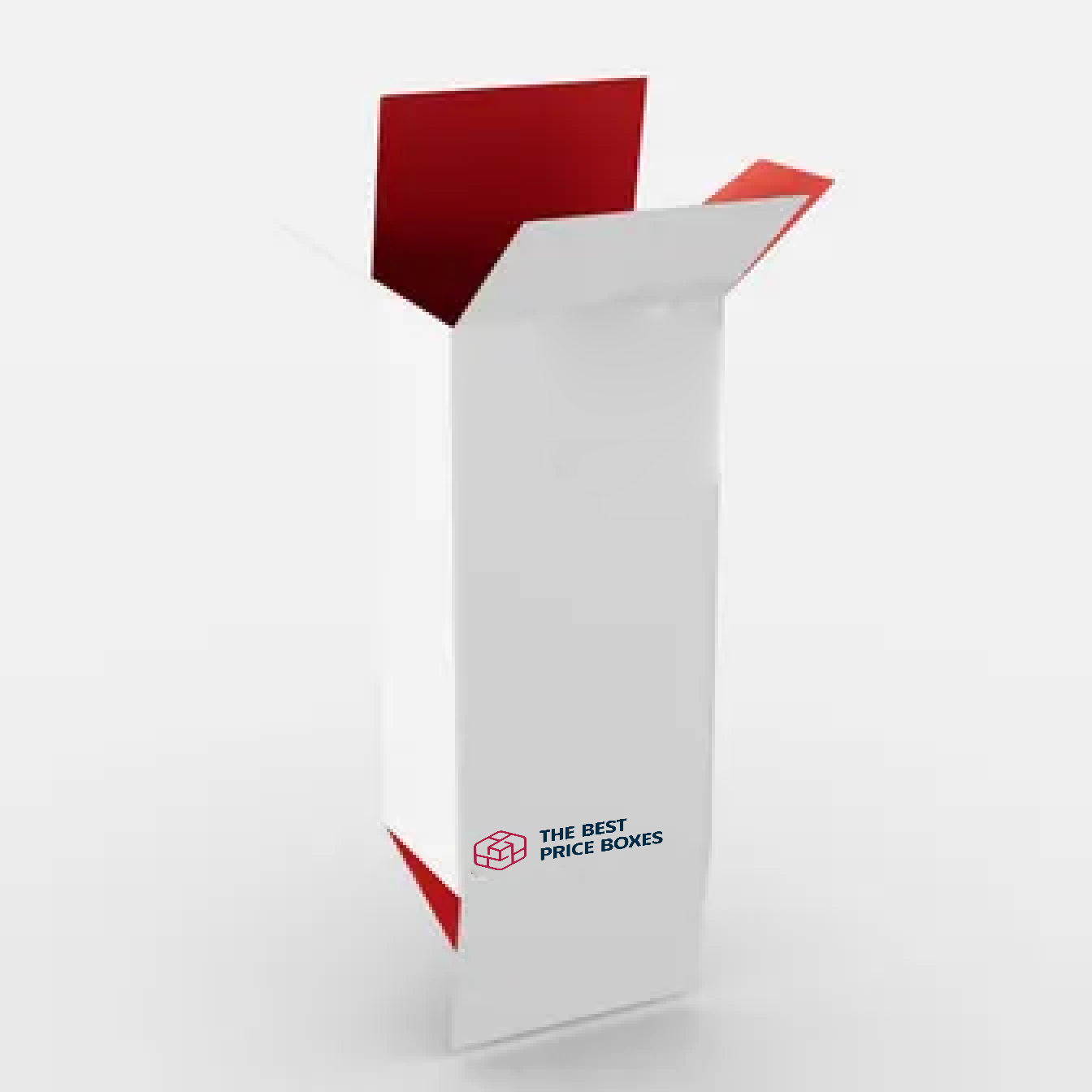
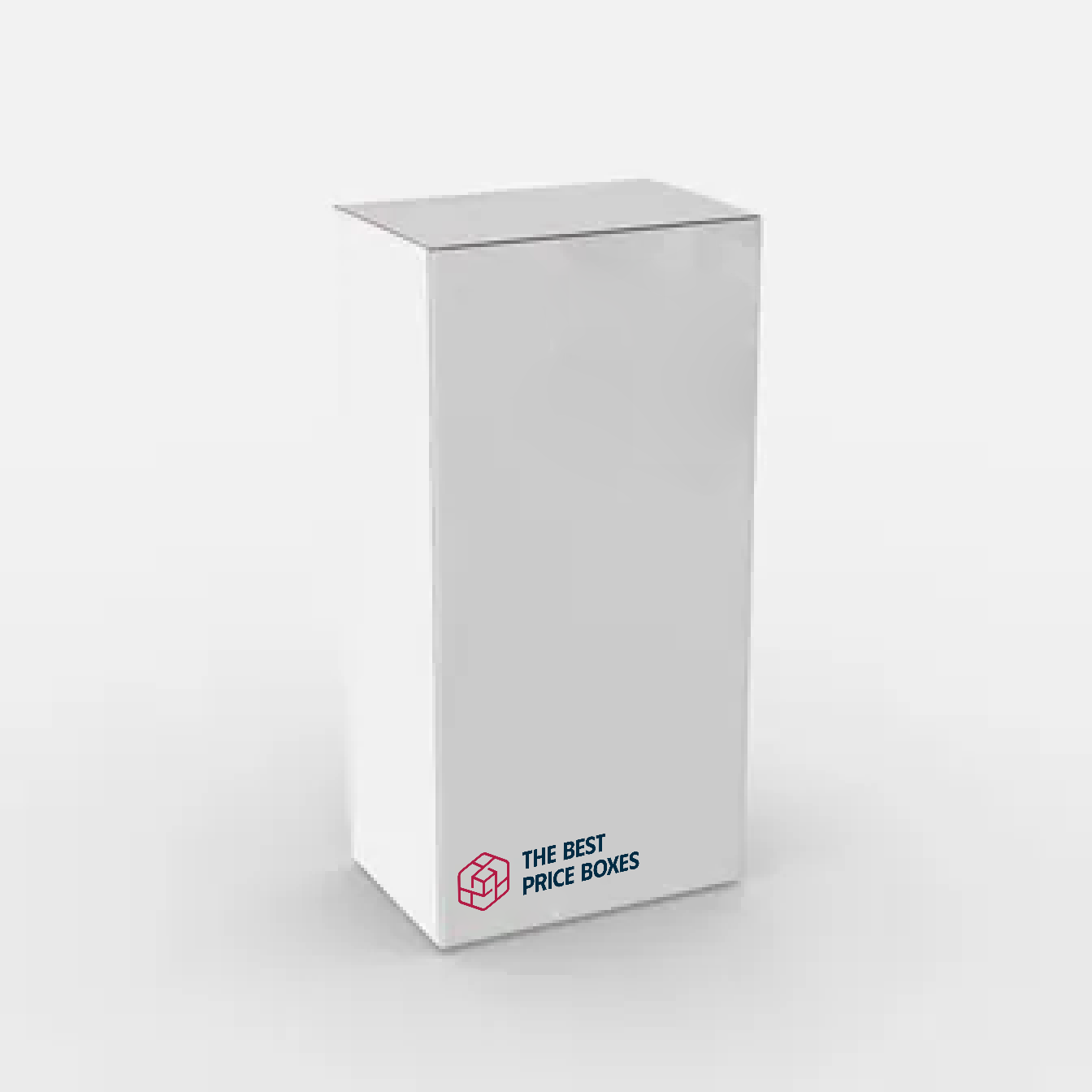
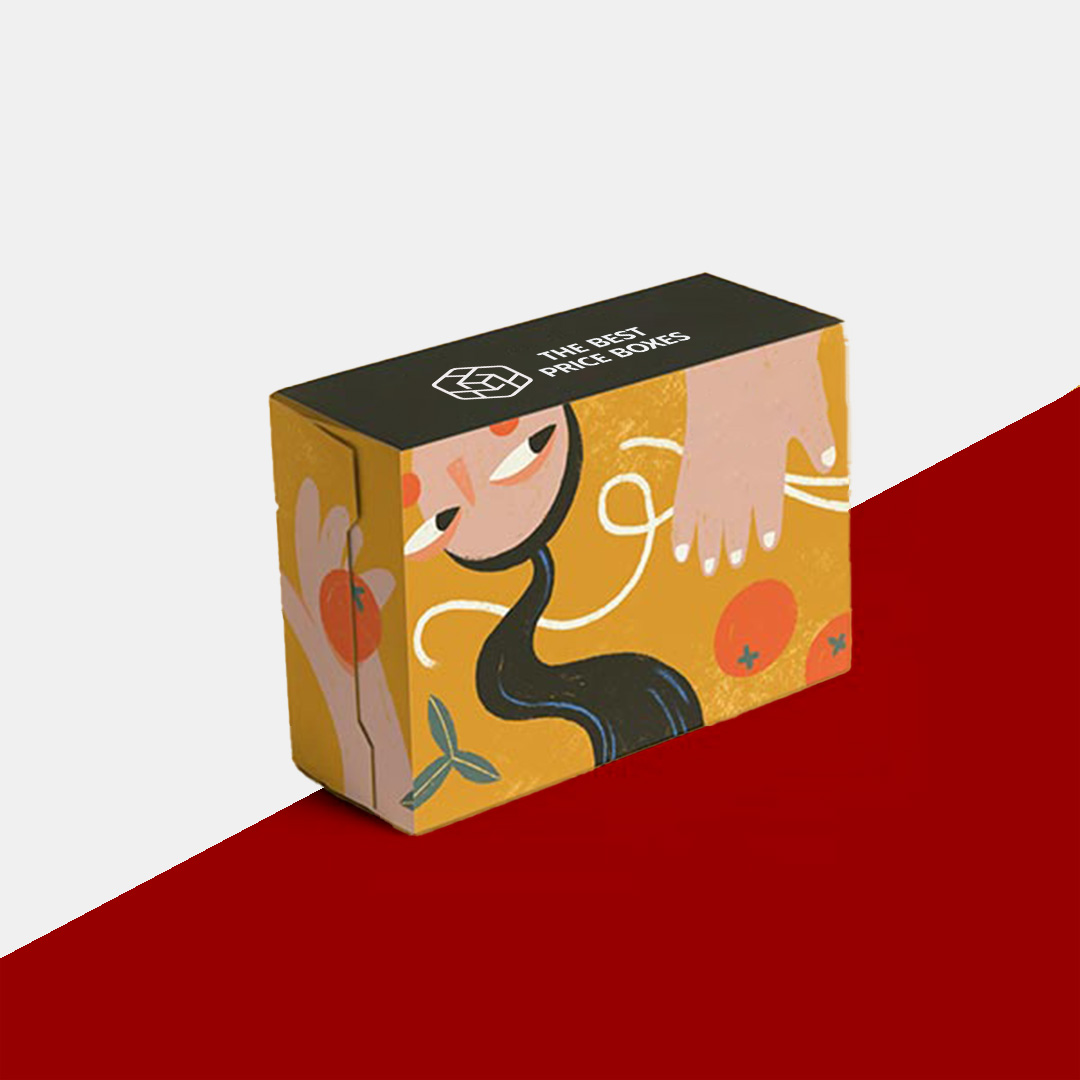
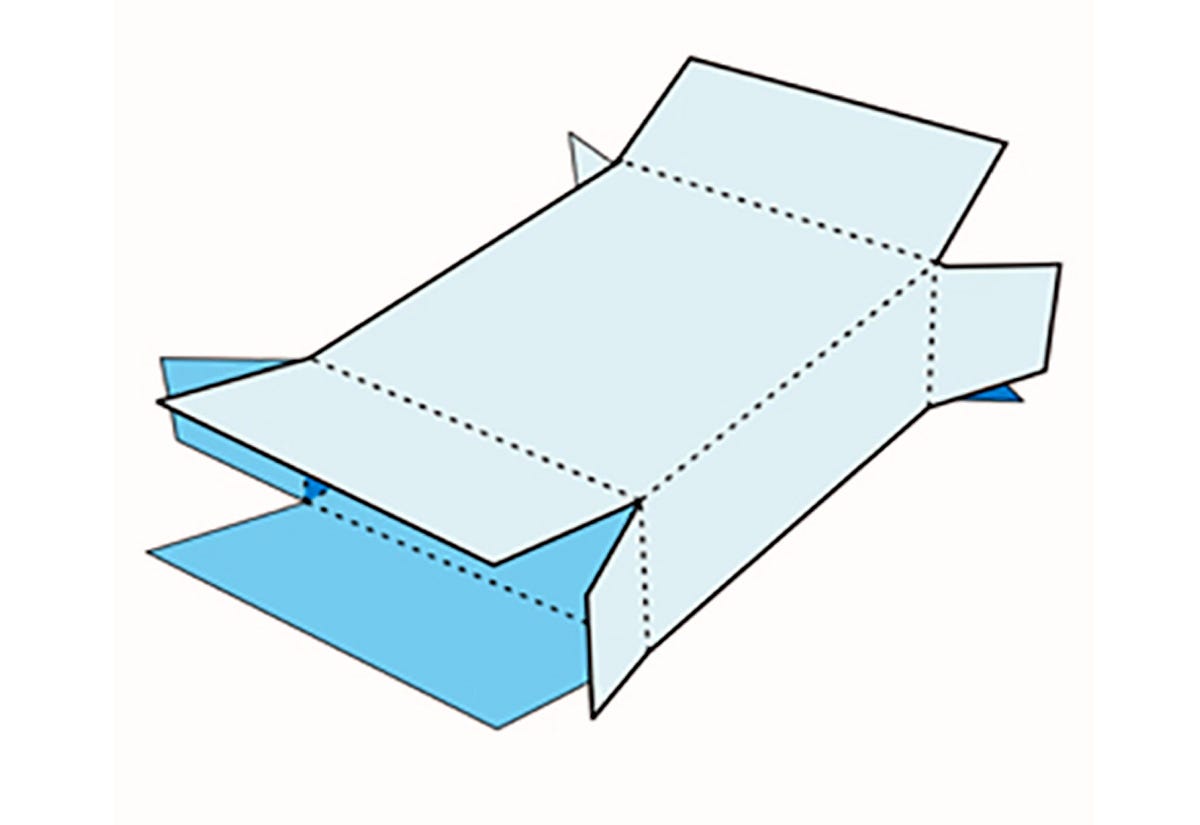


A seal end box is a folding carton whose end flaps are glued or sealed shut after filling, so the front and back panels stay clean for print and the pack cannot be reopened without visibly tearing the flaps. TBPB makes them to your dimensions with no minimum order, and we will beat a written quote for the same specs.
How a seal end carton works
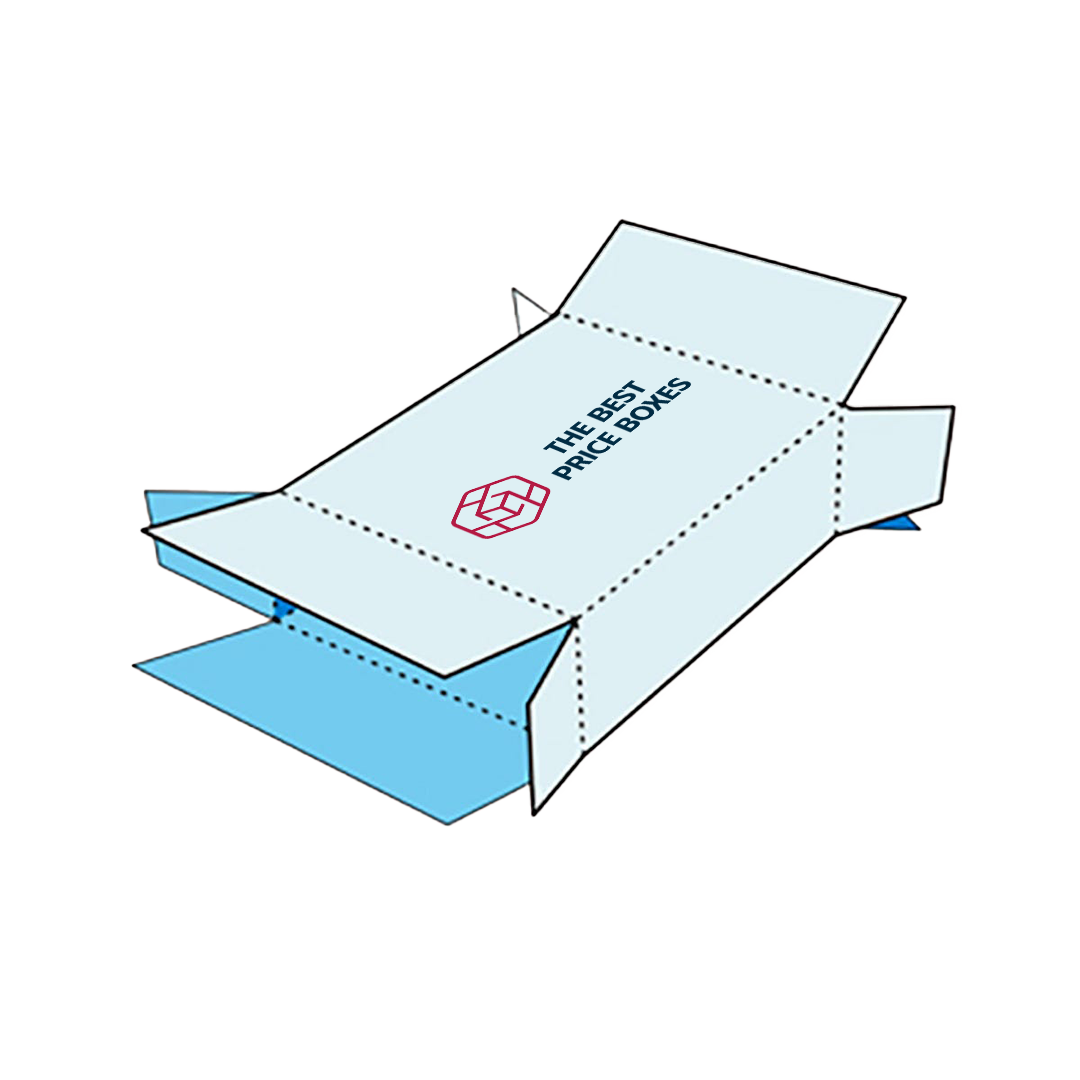
The carton arrives flat with the side seam already glued. It is opened into a tube, the product goes in through one open end, and the end flaps are closed with adhesive. Because the closure is glued rather than tucked, there is no flap sitting on the face of the box, and no tuck slot cutting into your artwork. That is the reason cosmetics and supplement brands pick it for a flat, uninterrupted front panel. Sealing is a one-way action, so if customers need to reopen and reuse the box, a tuck end is a better choice.
Seal end versus tuck end
The two are easy to mix up. A tuck end box has flaps that insert into a slot and can be opened again. A seal end box has flaps that are glued, which makes the pack harder to open without showing it. Tuck boxes suit hand-packing and small runs. Seal end suits a pack line that applies adhesive consistently, or a team that glues by hand with care. If you are not sure, our straight tuck end boxes and tuck top boxes are the reopenable versions, and the seal end route is for packs that should stay closed until the customer opens them.
Board, print and finish
Folding paperboard in the 14 to 24 pt range is typical, with SBS for bright white print and kraft board for a natural, earthy look. Printing is CMYK or Pantone, and the finishing menu includes matte or gloss aqueous coating, soft-touch lamination, spot UV, foil stamping and embossing. Because the glue flaps need bare board to hold, the dieline keeps a glue area free of coating, and we mark it on the proof. That small detail is the thing most often forgotten when someone sends artwork from a template that was made for a tuck box.
Think about how the box will be filled before you think about how it will look. Hand filling a few hundred seal end cartons is possible, but the glue step has to be repeatable, with the same amount of adhesive and the same hold time on every pack, or some ends pop open in transit. If you plan to fill by machine later, tell us now, because glue flap depth and board stiffness are set to suit the line. A quick test of ten packs will tell you more than any spec sheet.
- Glued or sealed end flaps with a glued side seam
- SBS paperboard or kraft board, 14 to 24 pt
- CMYK or Pantone printing, with a glue area left uncoated
- Matte, gloss, soft-touch, spot UV, foil, embossing
- Custom sizes to fit your product
Sizing, and things to check
Measure the filled product at its widest, tallest and deepest points, then add about 1/8 inch of clearance on each side so it loads without catching. If your product is food, cosmetics or a supplement, remember that you are responsible for the label copy, ingredients and any warnings, and for confirming contact requirements with your own regulatory adviser. We print the artwork you supply. Browse more styles in our box styles category.
Next step: send your product dimensions and a quantity, even one. We draw the dieline and quote it.
Frequently asked questions
What is a seal end box?
A seal end box is a folding carton whose end flaps are glued or sealed after the product is loaded. The result is a clean front and back panel with no tuck flap in the artwork, and a pack that shows visible tearing if it has been opened.
Is there a minimum order for seal end boxes?
No. TBPB has no minimum order. You can order one box to check the fit and print, or ten thousand for a full production run, with the same dieline and finishing options at every quantity.
What is the difference between a seal end and a tuck end box?
A tuck end box closes by pushing flaps into a slot and can be reopened. A seal end box closes with glue on the flaps and is harder to open without tearing. Choose tuck for reuse and hand packing, and seal end for a clean face.
What board is used for seal end boxes?
Folding paperboard in the 14 to 24 pt range is typical. SBS gives bright, clean print, and kraft board gives a natural look. We recommend a weight based on the size of the box and the weight of the product it holds.
Can I print on the glue flaps?
The glue area has to stay bare, uncoated board so the adhesive holds. We mark it on the dieline proof. Everything else on the box can carry print, coating, foil or embossing as you choose.
Do you add labeling or ingredient information for me?
No. We print the artwork you supply, so ingredients, warnings, dosage and any required markings are your responsibility. Check them with your own regulatory adviser before sending files, especially for food, cosmetics and supplements.
More Box By Style
See the full Box By Style range, or explore related options with no minimum order and our best-price guarantee: