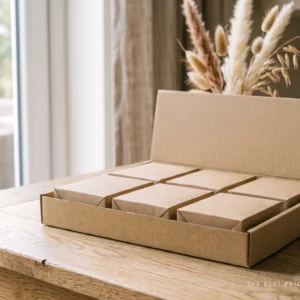
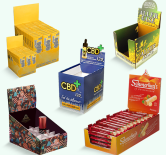

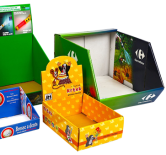
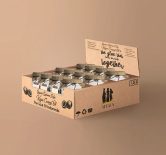
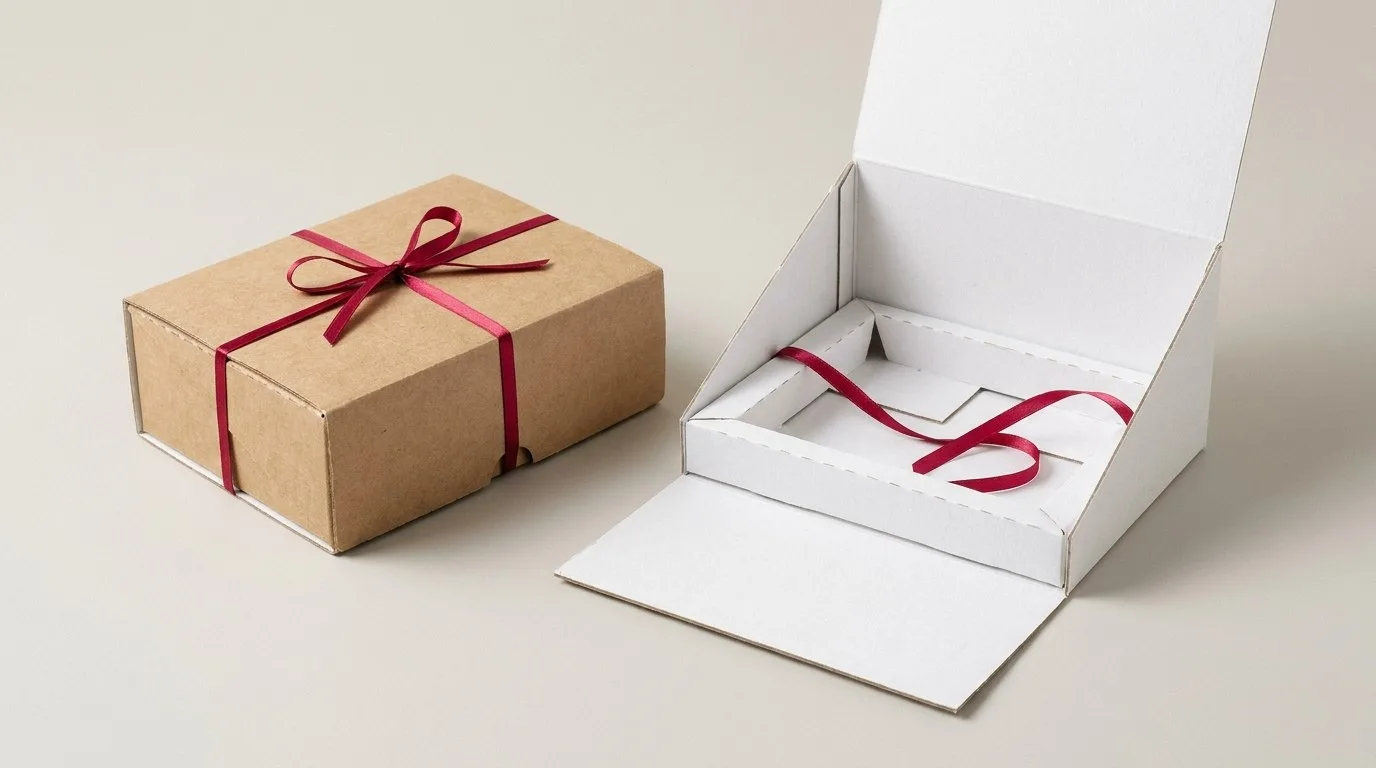


Medicine display boxes are printed countertop or shelf-ready cartons that hold a row of over-the-counter product packs upright, with the brand facing the shopper and an easy way to pull a unit out. The Best Price Boxes makes them to your pack dimensions with no minimum order, and a written quote for the same specs is one we aim to beat.
What the display has to do at the counter
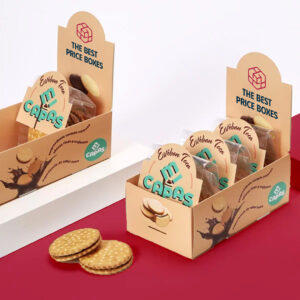
At a pharmacy till or a shelf end, a display competes with everything around it for a few seconds of attention. It has to keep a stack of small packs standing as customers pull from the front, show the product name and the main benefit from a few feet away, and let staff restock without taking the unit apart. A display that tips forward or slumps after a dozen packs have been removed makes the whole product look neglected. Stability comes from depth, a slightly raised back and a front that is cut low enough for fingers.
Sizing around your packs
Measure the carton you want to display on three sides: width, depth and height. Then decide how many to hold per row and how many rows deep. A typical countertop tray holds a single row, and shelf-ready units often hold two or three rows. Add about 1/8 inch of clearance per side so packs slide out without catching, but not more, or the front pack leans forward. Tell us whether you want a header card behind the packs, a tear-away front or a hinged lid, and whether the unit ships flat or pre-assembled. For packs of different heights, send the tallest and we plan the rest.
Board, print and finishes
Countertop trays are usually folding carton paperboard around 16 to 24 pt, with stronger corrugated E-flute or B-flute for larger floor-standing or shelf-ready display units that carry more weight. Printing runs in CMYK or Pantone-matched color, with matte or gloss aqueous coating, soft-touch lamination, spot UV on a logo or foil on a brand mark. Keep the product name and the primary claim large and short. Regulatory and labelling content, such as dosage statements, warnings and any claims about use, belongs to the product maker. We print the artwork you supply and do not write or check medical or regulatory copy, so review it with your own regulatory adviser.
When another display style fits better
For prescription-adjacent product ranges, our pharmaceutical display boxes are the closer match. A general-purpose tray for non-medical goods sits in counter display boxes, and tall pop-up or hanging formats are covered by pop-up display boxes. See the full range in custom display boxes.
- Formats: countertop tray, shelf-ready box, hinged lid or tear-away front
- Board: folding carton paperboard or E-flute and B-flute corrugated
- Extras: header card, divider, front cut-out for easy removal
- Print: CMYK, Pantone, matte or gloss aqueous, soft-touch, spot UV, foil
- Quantity: one display to thousands
Next step: send your pack width, depth and height, the number you want per row and the quantity, even if it is one. We draw the dieline and quote it. A single prototype lets you test how the display behaves as the front packs are pulled away.
It also helps to think about restocking. A display that staff can refill in a few seconds stays full, and a full display sells. Mention how your packs arrive from the warehouse, as an outer case or loose, and we can shape the unit so a case of packs drops in without rearranging.
Frequently asked questions
Is there a minimum order for medicine display boxes?
No. There is no minimum order, so you can order one prototype display to test with your packs or thousands for a retail rollout. Each size is quoted from your dieline, and if you bring a written quote for the same specs, we aim to beat it.
How do I size a display box for my product packs?
Measure each pack on width, depth and height, then choose how many go in a row and how many rows. Add about 1/8 inch of clearance per side so packs slide out freely without leaning. Send those numbers and we draw the display dieline.
Will the display stay upright when customers take packs?
Stability comes from depth, a back that is slightly raised and a front cut low enough for fingers. We plan these around your pack weight and count, and a prototype is the best way to test it. Corrugated suits heavier or larger displays.
Do you write the dosage or regulatory text?
No. We print the artwork you supply and do not write or check medical or regulatory copy. Dosage statements, warnings and claims belong to the product maker, so review them with your own regulatory adviser before you send final artwork.
Can the display include a header card for branding?
Yes. A header card stands behind the packs and carries your brand and main message at eye level. Tell us the height you want and whether it should fold flat for shipping, and we add it to the dieline.
What material is best for a countertop medicine display?
Folding carton paperboard around 16 to 24 pt suits most countertop trays holding small packs. For heavier packs or larger shelf-ready units, E-flute or B-flute corrugated gives more strength. Tell us the pack weight and count and we suggest a board.
More Custom Display Boxes
See the full Custom Display Boxes range, or explore related options with no minimum order and our best-price guarantee: