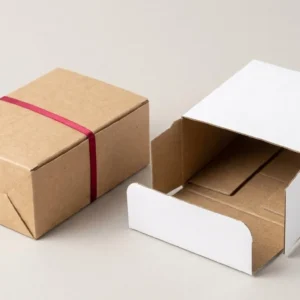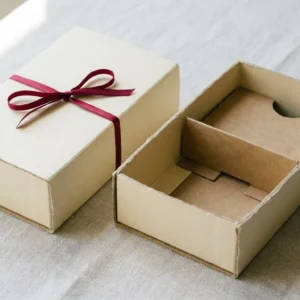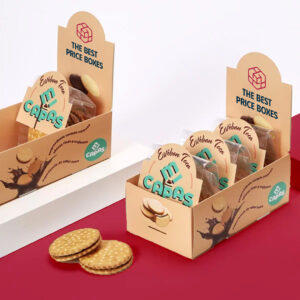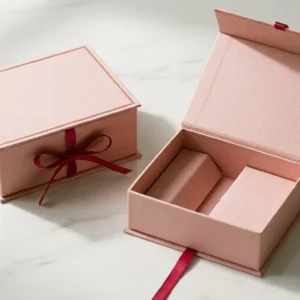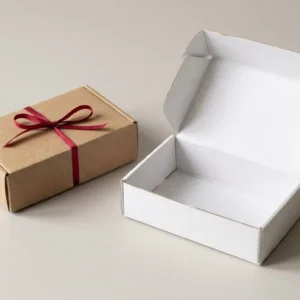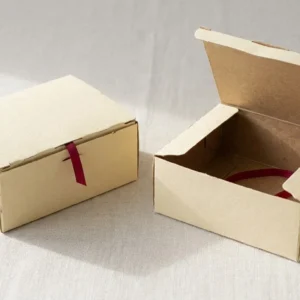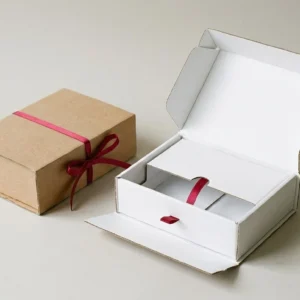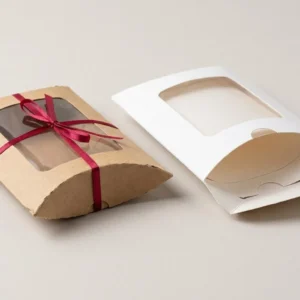
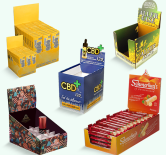

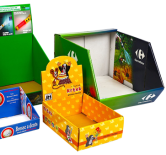


Custom display boxes are printed cartons that hold product and present it at the point of sale, usually on a counter or shelf, with the lid or front opened up. TBPB builds them to your product dimensions with no minimum order, and we beat any written quote for the same specs.
What a display box has to do
A normal carton protects goods in transit. A display box does that and then changes job when it reaches the store. Someone cuts or tears it open, and from that moment it is a miniature fixture selling your product beside the till. That shift is why display boxes are designed backwards: start with how it will look opened, then work out how it ships closed.
Retail buyers care about two practical things. Can a clerk open it in a few seconds without a knife? And does it fit the counter? Most small-item displays are shallow and wide so the product faces forward, and the front edge is low enough that customers can reach in.
Structures worth knowing
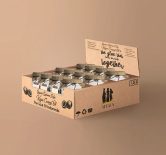
Tear-away front displays have a perforated panel that peels off and leaves a tray. A hinged-lid display folds back and stands up as a header. A tray with a printed back wall works for stacked items such as bars, tubes or sachets. Taller, heavier items such as bottles or tins usually need corrugated, because folding carton board will bow under the weight over weeks on a counter. For lighter goods like lip balm, candy or cards, 16 to 24 pt paperboard is lighter, cleaner to print and cheaper to freight.
- Tear-away front or perforated lid for quick set-up
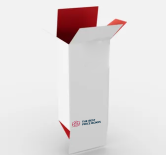
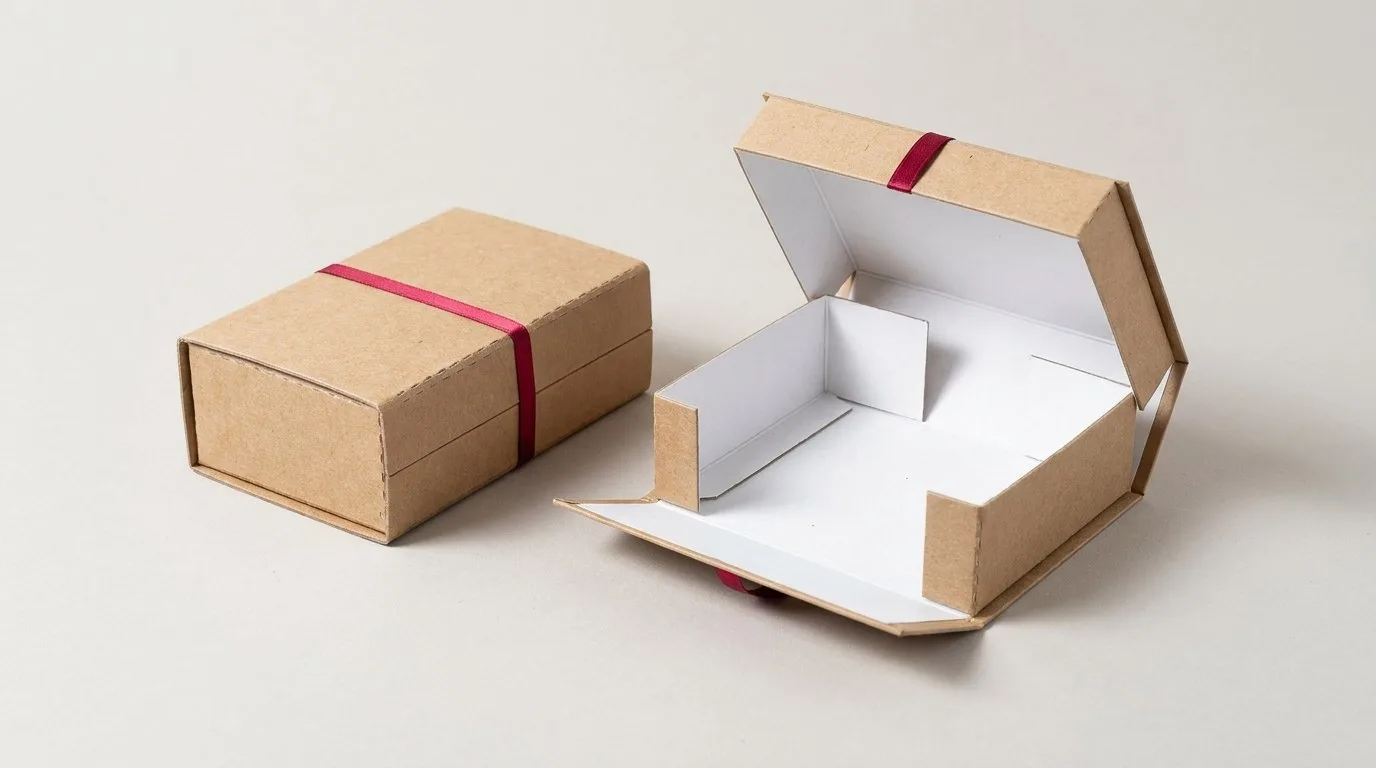
- Hinged lid that doubles as a printed header
- Open-front tray with a raised back wall
- Die-cut inserts that hold bottles, tubes or jars upright
- Printed shipper that converts into the display
Sizing a display for the shelf
Count how many units the retailer will want per display, then lay them out in the footprint they will actually use. Most counters are tight, so a smaller footprint wins more placements than a large one. Measure each unit on all three axes and allow about 1/8 inch of clearance per side so units come out without catching. Ask the retailer for their maximum width and depth before you finalize anything, since shelf-ready packs get rejected for being an inch too deep.
Print, and picking a more specific style
Large flat surfaces take bold graphics well, and display boxes depend on that. CMYK or Pantone printing, a matte or gloss coating, and spot UV or foil on a logo all work. If you only need to show the product on a counter, the counter display box is more specific. For a flat tray front with a printed sleeve, see the tray display box. For something that stands taller than a counter unit, a pop-up display box is worth a look. For regulated goods like OTC health products, the pharmaceutical display box page covers the details. The full display box range shows every style.
A last point on graphics: a display is read from about three feet away, so the brand name and one clear product claim should be readable at that distance. Fine copy belongs on the product itself. Put the logo high on the header panel, keep the front edge clean so it does not hide the product, and test the artwork against the actual opened shape before approving a run.
Next step: send the product dimensions, how many units go in each display and your quantity, even if it is one, and we will draw the dieline and quote it.
Frequently asked questions
What is a custom display box?
It is a printed carton that ships product and then opens to present it at retail, usually on a counter or shelf. The lid, front or tray converts into a selling surface. TBPB builds them to the product dimensions you supply.
Is there a minimum order for custom display boxes?
No. TBPB has no minimum order. You can order one display to pitch to a retailer or a full production run for a rollout. We beat any written quote for the same specs.
How do I choose between corrugated and paperboard?
Use corrugated for heavy or tall items such as bottles and tins, because paperboard may bow under weight. Use 16 to 24 pt paperboard for light goods like balms, candy or cards. We recommend one based on the weight per display.
How many products should one display hold?
Ask your retailer, then work back. Smaller footprints get more counter placements. Common layouts hold a single facing row or two rows deep. Send the unit size and count and we draw the layout.
Can the box convert from shipper to display?
Yes. We build tear-away fronts, perforated lids and hinged headers so a clerk can open it in seconds without a blade. Tell us the product and how the retailer wants to set it up.
Can I add custom inserts inside?
Yes. We cut paperboard or corrugated dividers that hold tubes, bottles or jars upright and facing forward. Give us the product dimensions and we design the pockets.
More Custom Display Boxes
See the full Custom Display Boxes range, or explore related options with no minimum order and our best-price guarantee: