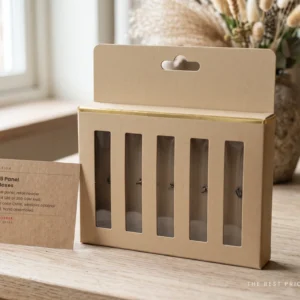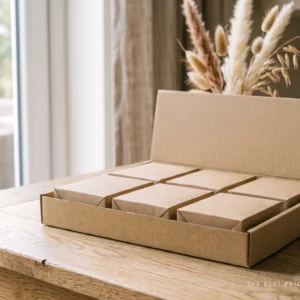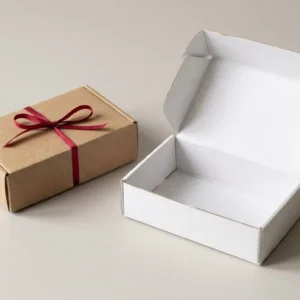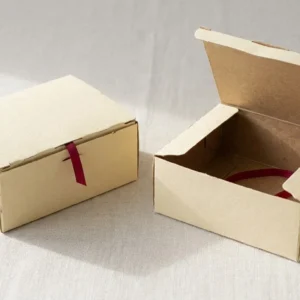
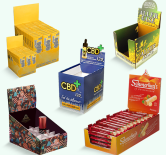

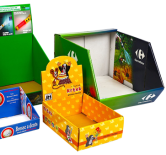
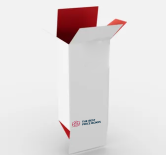
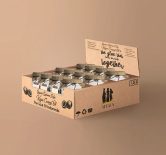
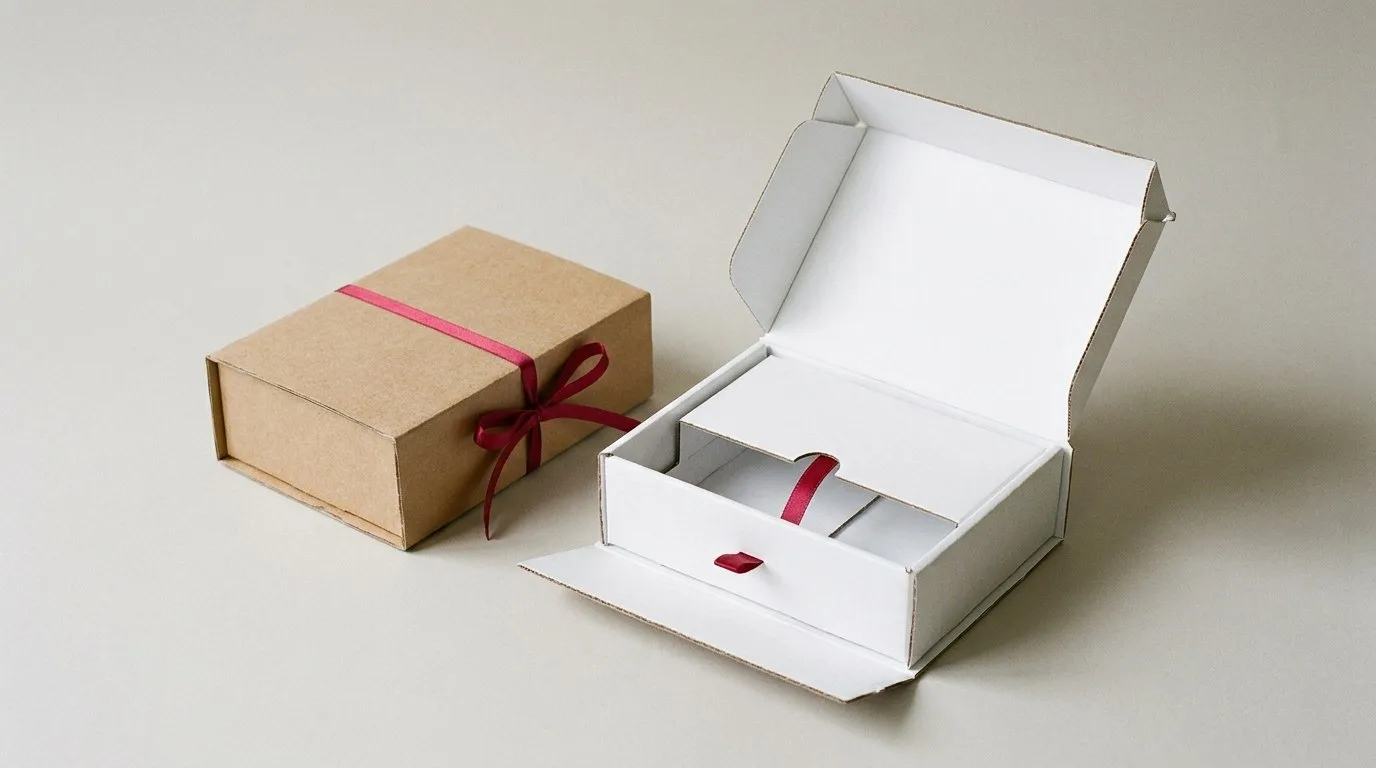


A pharmaceutical display box is a counter-top carton that holds several retail units of a product and shows them off at a pharmacy till, a clinic desk or a wellness shop. TBPB prints them to your unit size and count with no minimum order, and we will beat a written quote for the same specs.
What goes in a display box, and what does not
These cartons suit over-the-counter and wellness items that sell as impulse buys: lozenges, throat sweets, effervescent tubes, sachets, small bottles, blister cards, plasters and sample sizes. The box is a merchandising unit. It is not a primary pack, so anything that touches the product directly, such as a sealed blister or a bottle, should come from your filler. Prescription medicines, controlled substances and anything with strict contact or labelling rules are your responsibility to check with your own regulatory adviser. We print the artwork and label copy you supply.
How the box is built
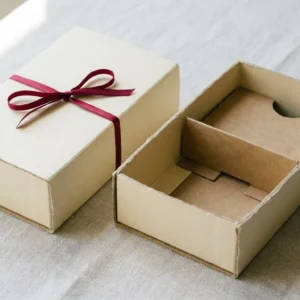
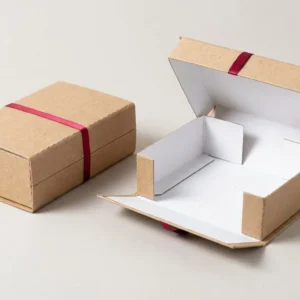
The usual build is a tray with a hinged or tear-away front, where the display opens by removing a perforated panel. Another version is a tuck-lid carton with a die-cut front that lets the units be seen and picked up. Because retail packs sit in rows, the interior is sized as a grid, so the depth, width and height depend on the unit and count. Folding paperboard in the 16 to 24 pt range is the normal choice. For heavier items like bottles, corrugated E-flute adds rigidity without much bulk. Tell us the weight of a full box and we will recommend a board.
Sizing the grid
Measure one unit in its final retail pack, then multiply for the count. For example, if each pack is 60 mm wide and you want six across, you need about 360 mm of internal width plus small clearances, so check that the finished box still fits the counter space you have. Add about 1/8 inch of play in each direction so units can be lifted out without catching. If the box will sit next to a till, the height of the front panel decides whether customers can read it, so keep the product name large and the compliance copy small and tidy.
Print placement deserves a moment. On a counter, the box is seen from the front and slightly above, so the brand name and product type belong on the front panel and on the inside back wall that shoppers see once the front is removed. Put the usage and storage lines on the sides, away from the tear line, so a perforation never cuts through a sentence. We mark the perforation and fold lines on the proof so you can check this before anything prints.
- Tray with tear-away front, or tuck-lid with die-cut window
- Folding paperboard 16 to 24 pt, or corrugated E-flute for heavier units
- CMYK or Pantone printing, matte or gloss coating
- Optional spot UV or foil on the brand name
- Optional dividers to keep each row upright
Choosing between display styles
If your product is sold individually on a shelf, a hang tab carton or a standard folding carton may work better than a counter tray. Our medicine display boxes cover a similar use with a different layout, and counter display boxes are the general-purpose tray. For items that hang on a peg, look at hang tab boxes. The wider custom display boxes category shows every layout we make.
Next step: send the unit dimensions, how many you want on display and a quantity, even one. We draw the dieline and quote it.
Frequently asked questions
What are pharmaceutical display boxes used for?
They are counter-top cartons that hold several retail units of an over-the-counter or wellness product, such as lozenges, sachets or small bottles, so customers can see and pick them up at the point of sale. They work as a merchandising unit around your own sealed primary packs.
Is there a minimum order for display boxes?
No. TBPB has no minimum order. You can order a single display box to test the fit and print, or thousands once you are happy. The dieline and finishing options are the same at every quantity.
How do I choose the right size?
Measure one unit in its final retail pack, multiply by the count you want per row and per layer, and add about 1/8 inch of clearance in each direction. Send us those dimensions and we draw a custom dieline, so you do not have to adapt to a stock size.
Can the box hold heavier items like bottles?
Yes, with the right board. Paperboard works for lightweight packs, but heavier bottles do better in corrugated E-flute or with dividers. Tell us the weight of a full box and the unit count, and we will suggest a build that holds up.
Do you add regulatory or label text for me?
No. We print the artwork you supply, so ingredients, dosage, warnings and any required markings are your responsibility. Confirm the rules for your product and market with your own regulatory adviser before sending files.
What finishes are available?
Matte or gloss aqueous coating, soft-touch lamination, spot UV and foil stamping are all options. For counter displays, a clean matte finish with a spot UV brand name is a common, readable choice that keeps the cost sensible.
More Custom Display Boxes
See the full Custom Display Boxes range, or explore related options with no minimum order and our best-price guarantee: