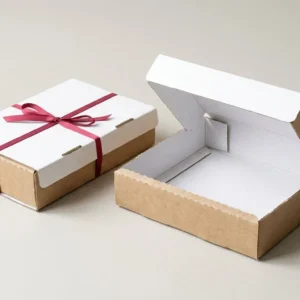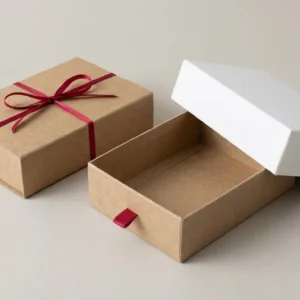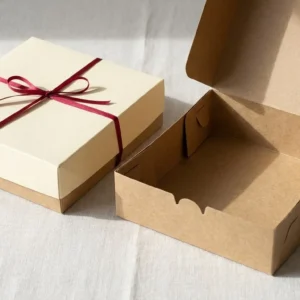
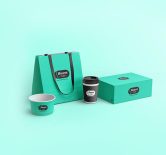
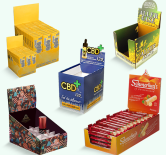

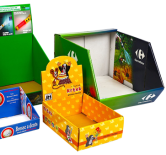
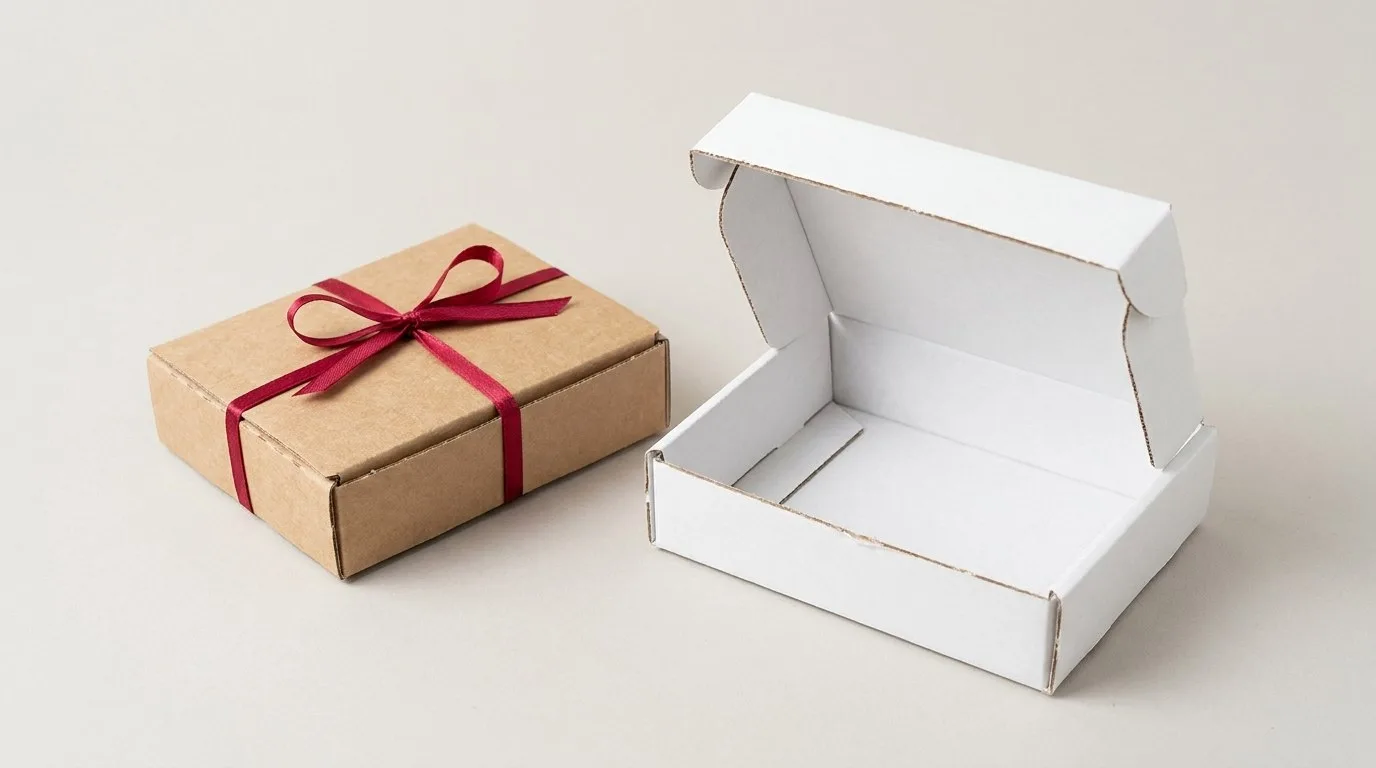


A tray box is a shallow box with low walls that presents its contents flat and in view, either left open, covered with a separate lid or held in a printed sleeve. The Best Price Boxes makes custom tray boxes with no minimum order, and we beat any written quote for the same specs.
Three ways a tray gets built, and why it matters
People say “tray box” for several different structures, and the choice drives cost, strength and how fast your team can pack it. A one-piece folded tray goes together from a single die-cut sheet. It is light, flat when shipped to you, and fine for pastries, cards or small retail sets. An auto-bottom tray has glued corners and a bottom that snaps square when opened, which saves seconds per unit when someone is packing a few hundred. A two-piece tray, with a separate lid or a slide-on sleeve, gives you a package that feels like a gift and can be stacked.
If you are not sure which fits, tell us how the box is packed: by hand at a kitchen counter, or on a line. That answer usually decides it.
Sizing the tray around the product
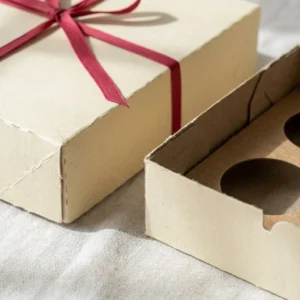
Measure the product at its widest, longest and tallest point, then add about 1/8 inch of clearance per side for a folding carton. Wall height is the part buyers get wrong. Low walls look elegant but let items slide; walls that are too tall hide the product and defeat the point of a tray. For loose items such as cookies or truffles, a divider or insert holds them in place, and for grease-prone foods ask about a liner or coating suited to the product before you commit.
Board and print
Paperboard in the 16 to 24 pt range suits light trays, while corrugated E-flute adds stiffness for heavier contents or shipping. Kraft board gives a natural look that works for bakery and craft brands. Print runs in CMYK or Pantone, and finishes include matte or gloss aqueous coating, soft-touch lamination, spot UV and foil stamping. Because a tray is open, the interior is as visible as the outside, so printing the inside is worth considering.
- Structures: one-piece tray, auto-bottom tray, tray with separate lid, tray with printed sleeve
- Materials: folding carton paperboard, kraft board, corrugated E-flute
- Add-ons: dividers, inserts, windowed lids, sleeves
- Print: CMYK or Pantone, inside and outside
- Quantity: no minimum order
Stacking is worth planning for. Trays that sit on a shelf or in a display case need walls strong enough to carry the weight of the ones above, and open trays can sag at the center when they hold dense products. If that sounds like your use, mention it so we can suggest a heavier board or a center support.
When a different box is the better call
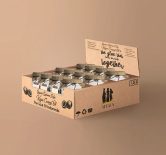
A tray alone offers little protection in transit. If your product ships, put the tray inside a mailer or add a lid. For donuts specifically, our donut tray boxes are sized for that use. If you want the tray to slide out of a printed outer, sleeve boxes pair with it well, and for a point-of-sale setup the custom tray display boxes carry product on a counter. The full range sits under tray boxes.
Food and other regulated products need their own labelling and contact-material checks, which you should confirm with your regulatory adviser. We print the artwork and copy you supply.
To get a price, send the product dimensions and a quantity, even one, and we will draw the dieline and quote it.
Frequently asked questions
Is there a minimum order for custom tray boxes?
No. There is no minimum order at The Best Price Boxes. Order one tray box to check the fit or thousands for a launch. Send the product dimensions, board preference and artwork, and we will draw the dieline and quote the exact quantity you need.
What is the difference between a tray box and an auto-bottom box?
An auto-bottom box is a type of tray. It has glued corners and a bottom that locks square when you open it, so it assembles fast. A plain one-piece tray folds up by hand from a flat sheet. Auto-bottom saves time on larger packing runs.
Can tray boxes be used for food?
Yes, bakery items, snacks and meal kits are common uses. Tell us the food so we can discuss board and coating options, such as a liner for greasy items. Contact-material and labelling rules are your responsibility, so confirm them with your own regulatory adviser first.
How do I size a tray box?
Measure the product at its widest, longest and tallest points and add about 1/8 inch per side for clearance. Then choose a wall height that keeps items from sliding but still shows them. If you send us the product dimensions we can recommend the right height.
Can I add a lid, sleeve or dividers to a tray?
Yes. A tray can take a separate lid, a slide-on printed sleeve, a windowed lid or die-cut dividers. Lids and sleeves add protection and a gift feel, while dividers keep loose items from shifting. Tell us how the box will be packed and carried, and we will suggest a build.
What print finishes are available on tray boxes?
Printing is CMYK or Pantone-matched, and finishes include matte or gloss aqueous coating, soft-touch lamination, spot UV and foil stamping. The inside of a tray can be printed too, which is worth doing because an open tray shows its interior to the customer.
More Tray Boxes
See the full Tray Boxes range, or explore related options with no minimum order and our best-price guarantee: