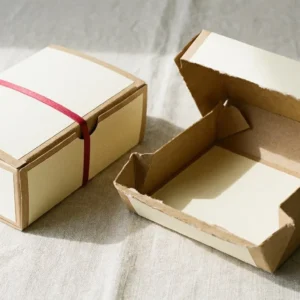



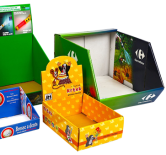

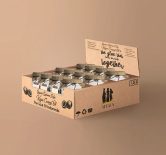


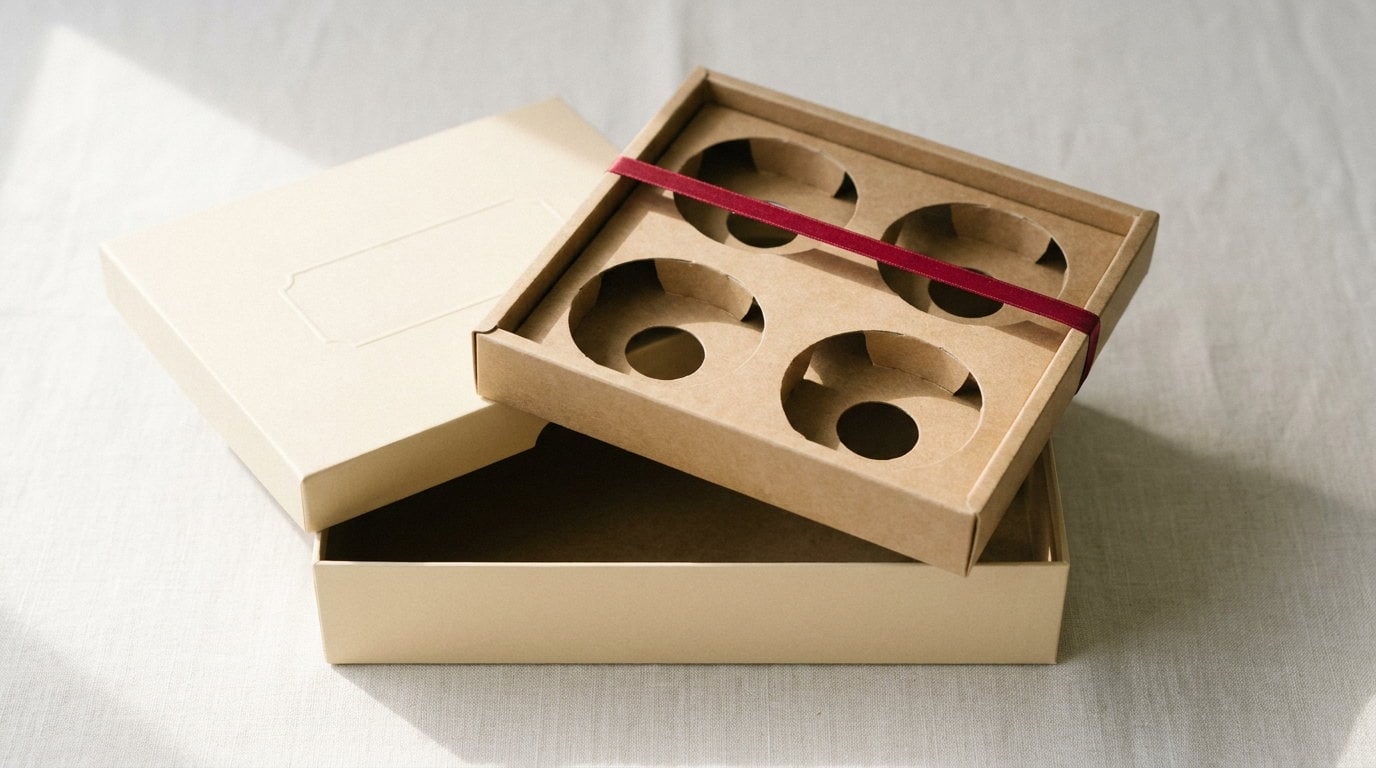


A donut tray box is a printed bakery box built around a fitted tray that holds each donut in its own place, so glaze, sprinkles and filling arrive intact. TBPB makes them to your donut size and count with no minimum order, and if you bring a written quote for the same specs, we beat it.
Why the tray matters more than the box
A plain donut box lets donuts slide. Pick it up, walk to the car, take a corner, and a dozen glazed rings become a pile with a sticky smear on the lid. A tray with a seat per donut stops that. Each donut sits in a shallow cavity or between low walls, so it stays put and the glaze has nothing to rub against. For filled or topped donuts, the tray is the difference between a clean box and a refund.
The trade-off is flexibility. A tray is cut for one diameter and one height. If you sell a mix of regular rings and tall filled donuts, the tray must allow for the tallest or you will crush something.
Sizing for your donuts
Measure the diameter of your biggest donut and its height with toppings. Count the layout you want: half dozen is typically two rows of three, a dozen is three rows of four, but it can be any grid that suits your counter. Tell us the diameter, height and count. We add clearance so donuts drop in easily and do not stick to the walls, and we check the lid height against the tallest topping.
Lid height deserves attention. Fresh glaze is sticky for a while, and a lid that sits too close to it lifts topping off every time it is opened. Leave a clear air gap above the tallest donut.
Board, grease and print
Donuts are greasy, and grease finds its way into any board that has no barrier. Folding carton board is the usual material, and for an oily product you want to discuss a grease-resistant liner or coating with us at the quote stage. Food-contact rules are the responsibility of the food business, so confirm what you need with your own regulatory adviser. We print the artwork you supply.
- Folding carton board in white or kraft, in the 16 to 24 pt range, with a fitted tray insert
- Half dozen, dozen or custom layouts sized to your donut diameter
- Clear window panels so shoppers see the donuts, or a solid lid for a clean brand look
- CMYK or Pantone print, matte or gloss coating, optional spot UV on the logo
- Carry handles or a tuck lid, depending on how the box leaves the shop
Think about the counter workflow too. Staff fold dozens of these a day, so a box that assembles in a few seconds without glue saves real time at the morning rush. Tell us how many boxes you build per hour and if they are stored flat or pre-folded, and we will keep the construction simple. Stacking matters as well: tall lids with a window may need a reinforced rim so a pile of boxes on the counter does not crush the one at the bottom.
Finally, remember the drive. A box that travels in a hot car gets soft glaze and sweating, and a vented or windowed lid can trap moisture. Consider that when you choose between a sealed lid and a vented one.
Related bakery boxes worth comparing
If you want the simplest format, a standard donut box without a fitted tray is simpler to produce and works for sturdy donuts. For a natural look, kraft donut boxes pair well with a handwritten shop. If you sell mixed baked goods, pastry boxes are more flexible, and the wider range is under bakery boxes.
Send us the donut diameter, height and count, even for a single box, and we will draw the dieline and quote it.
Frequently asked questions
Is there a minimum order for donut tray boxes?
No. TBPB has no minimum order, so you can order a single box to test the tray fit with your donuts or thousands for a full bakery run. The dieline is drawn to your donut size either way, and reorders at any quantity are fine.
How do I size a donut tray box?
Measure your largest donut across and its height including toppings, then decide the count, such as six or twelve. We add clearance so donuts drop in and do not drag against the walls, and we leave air above the tallest topping so the lid does not touch the glaze.
Does the tray stop glaze from smudging?
It helps a great deal. Each donut sits in its own seat, so it cannot slide into its neighbors. Smudging can still happen if the lid sits too close to a fresh glaze, so the box height should leave a clear gap above the tallest donut.
Will grease soak through the box?
It can with plain board. Donuts are oily, so tell us at the quote stage and we will discuss a grease-resistant liner or coating. Food-contact requirements are the responsibility of the food business, so check them with your own regulatory adviser.
Can I add a window to a donut tray box?
Yes. A window lets customers see the donuts, which sells them. Keep a firm border around it so the lid keeps its shape, and decide between a clear film and an open cut-out. We place the window on the dieline so you can check it first.
What is the difference between a donut box and a donut tray box?
A standard donut box is a single compartment where donuts rest against each other or on a liner. A donut tray box adds a fitted tray with a seat for each donut, which protects glaze and toppings better but must be cut to a fixed donut size.
More Custom Food Boxes
See the full Custom Food Boxes range, or explore related options with no minimum order and our best-price guarantee: