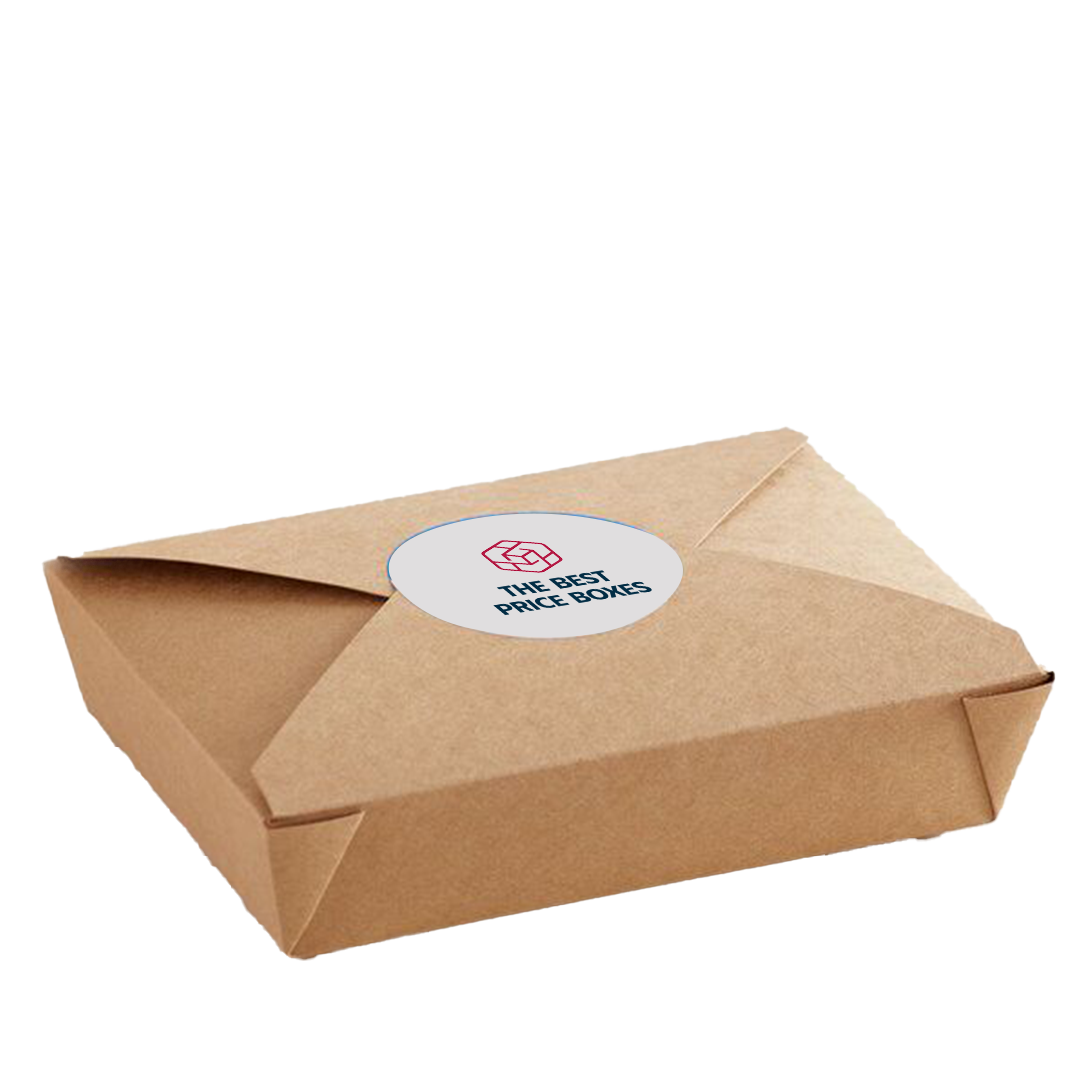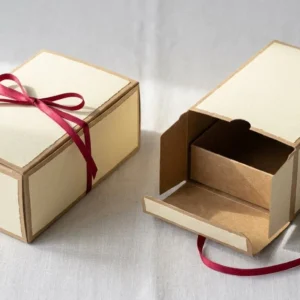

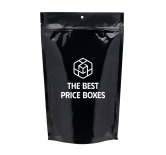
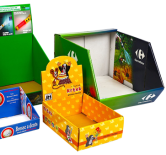
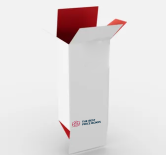
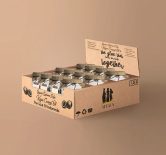
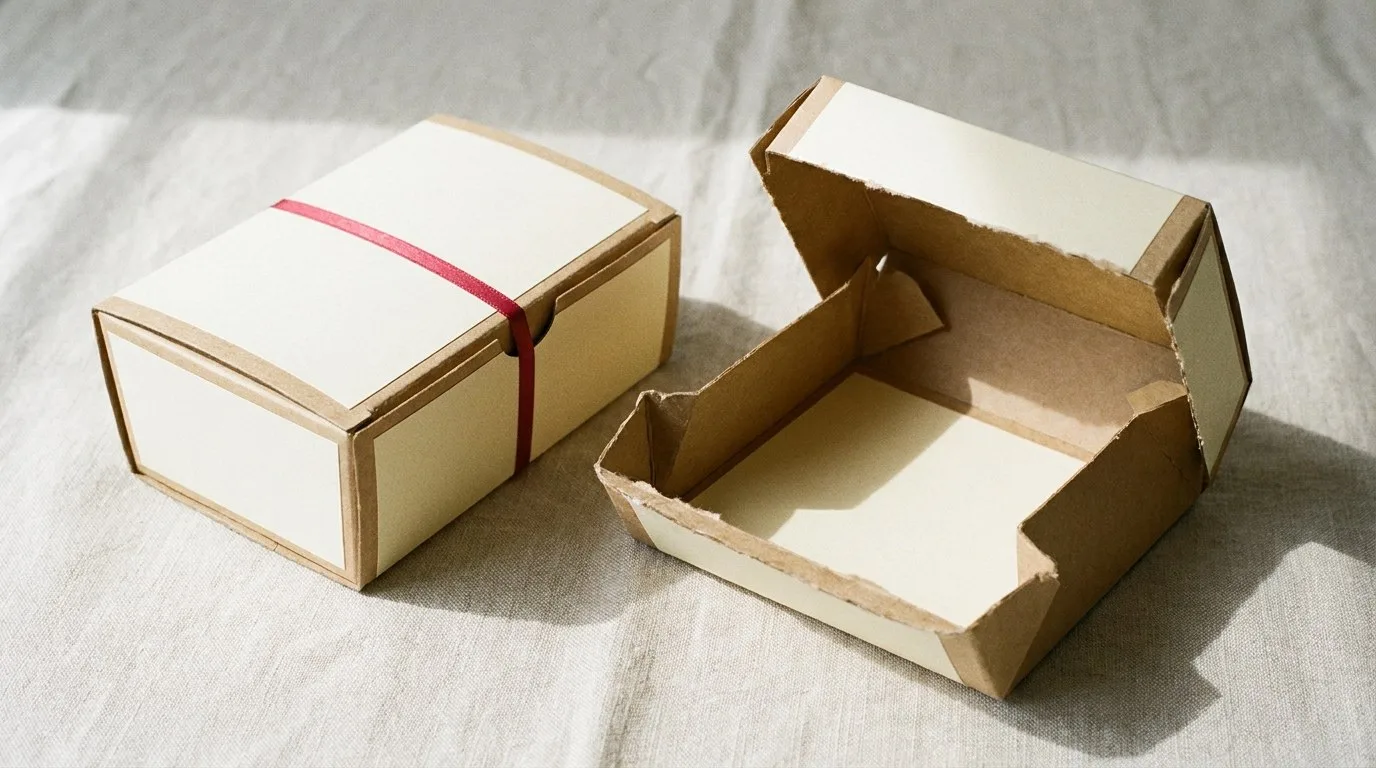


Custom food boxes are printed cartons that hold, protect and present food, from bakery items to dry snacks to prepared meals. The Best Price Boxes makes them to your size and artwork with no minimum order, and the price-beat guarantee applies to any written quote you bring for matching specs.
Choose by what the food does to the box
The most useful way to specify a food box is to ask what the food will do to it. Dry goods such as granola bars, crackers, tea or dried fruit are easy: paperboard holds them, an inner bag or wrap keeps them fresh, and the carton carries the brand. Greasy foods such as fried items, pastries with buttery fillings or sauced meals are harder, because oil spreads through plain board and leaves marks. Moist or hot foods can soften a carton and create steam. Cold foods bring condensation.
Each of those changes the build. A grease-resistant liner, a greaseproof paper insert, a coated board or a separate wrap solves different problems. Which one you need depends on how long the food sits in the box and at what temperature, so describe that clearly when you ask for a quote.
Board and construction
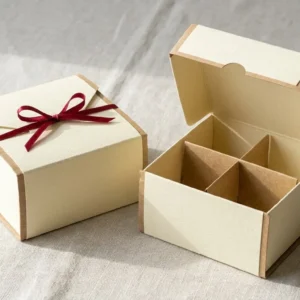
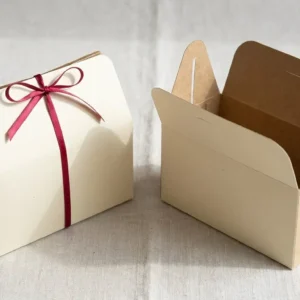
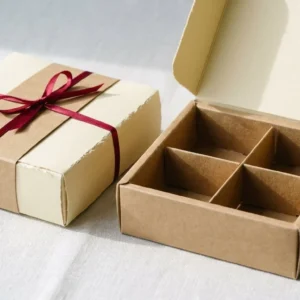
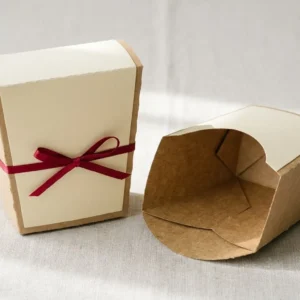
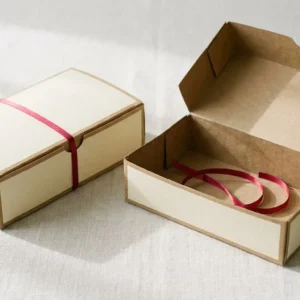
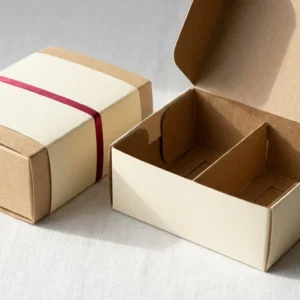
Most food boxes are paperboard in the 16 to 24 pt range, or kraft board for a natural, unbleached look. Corrugated board suits boxes that carry heavier items or ship through the mail. Style follows use: a tuck-end carton for packaged goods, a window box to show a product, a pillow-style box for light items, a lock-bottom carton for something with a bit of weight. A tray or divider inside keeps multi-item sets from sliding around.
- Paperboard, kraft or corrugated, to suit weight and use
- Tuck-end, lock-bottom, window and tray styles
- Grease-resistant liner or insert options, which we confirm when quoting
- CMYK and Pantone printing with matte or gloss coating
- Foil, spot UV or embossing on logos
- Dividers, trays and inserts for multi-item sets
Food contact and labelling are your call
TBPB prints the artwork you supply and does not certify a box as food safe. Rules for direct and indirect food contact, inks, coatings and mandatory labelling such as ingredients, allergens and net weight depend on your product and market. Confirm them with your own regulatory adviser before artwork is finalized. In practice, many food brands use an inner bag, a wax or parchment sheet or a sealed wrapper inside the carton, so the board never touches the food at all. That is often the simpler route.
Sizing and presentation
Measure the food as it will be packed, with its wrapper, then add about one eighth inch of clearance per side for a folding carton. For anything that settles, such as cookies or fries, leave allowance for movement. A loose pack looks sloppy; a pack that is too tight crushes the food and tears the board. Printing the inside of the lid is a small, easy place to add a message, a care note or storage guidance.
Not sure which format fits? Compare our takeout food boxes for hot meals, pastry boxes for bakery goods and fast food boxes for quick-service items, or browse the full custom food boxes range.
Next step
Send the food, how it is wrapped, the size you need and your quantity, even one. We draw the dieline and quote it.
Frequently asked questions
Is there a minimum order for custom food boxes?
No. There is no minimum order. You can order a single box to test the fit with your real food, then order any quantity once the size, board and print are approved.
Are your food boxes food safe?
TBPB prints the artwork you supply and does not certify a box as food safe. Food-contact and labelling rules depend on your product, so confirm them with your regulatory adviser. Many brands add an inner bag or wrap.
What board is best for food boxes?
Paperboard in the 16 to 24 pt range suits most dry and packaged foods. Kraft board gives a natural look. Corrugated suits heavier items or shipped boxes. Greasy or hot foods may need a liner or a separate wrap.
How do I stop grease soaking through?
Plain board absorbs oil, so use a grease-resistant liner, a greaseproof paper insert or a separate wrap. The right choice depends on how greasy the food is and how long it sits, so describe both when quoting.
Can I print inside a food box?
Yes. We can print the inside of the lid and flaps as well as the outside, which suits care notes, storage tips or a message. Keep printed ink away from direct food contact unless your adviser confirms it is suitable.
How do I size a food box?
Measure the food with its wrapper and add about one eighth inch per side. Leave allowance for items that settle, such as cookies or fries. Send the figures and we confirm the final dimensions.
More Custom Food Boxes
See the full Custom Food Boxes range, or explore related options with no minimum order and our best-price guarantee: