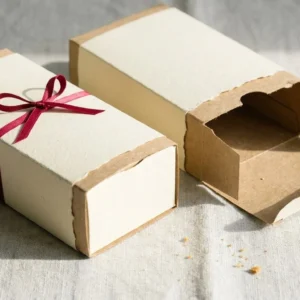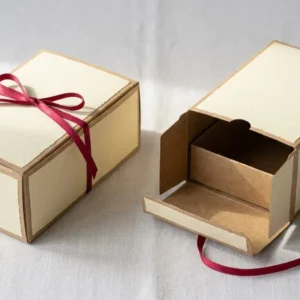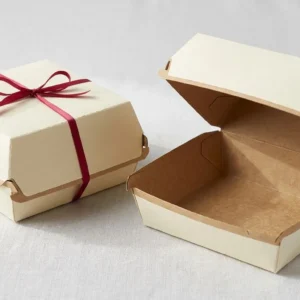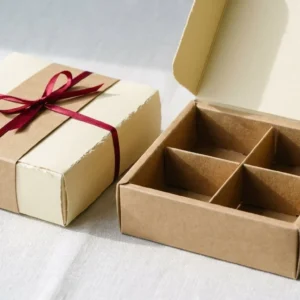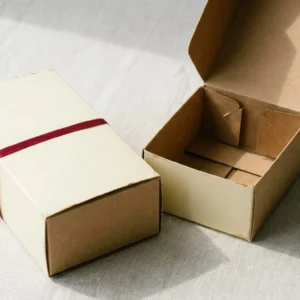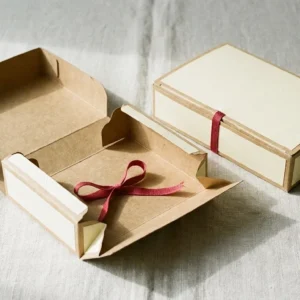


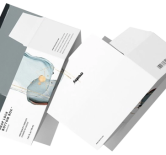
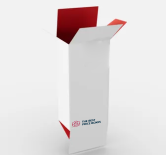
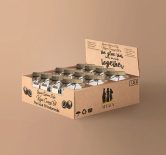
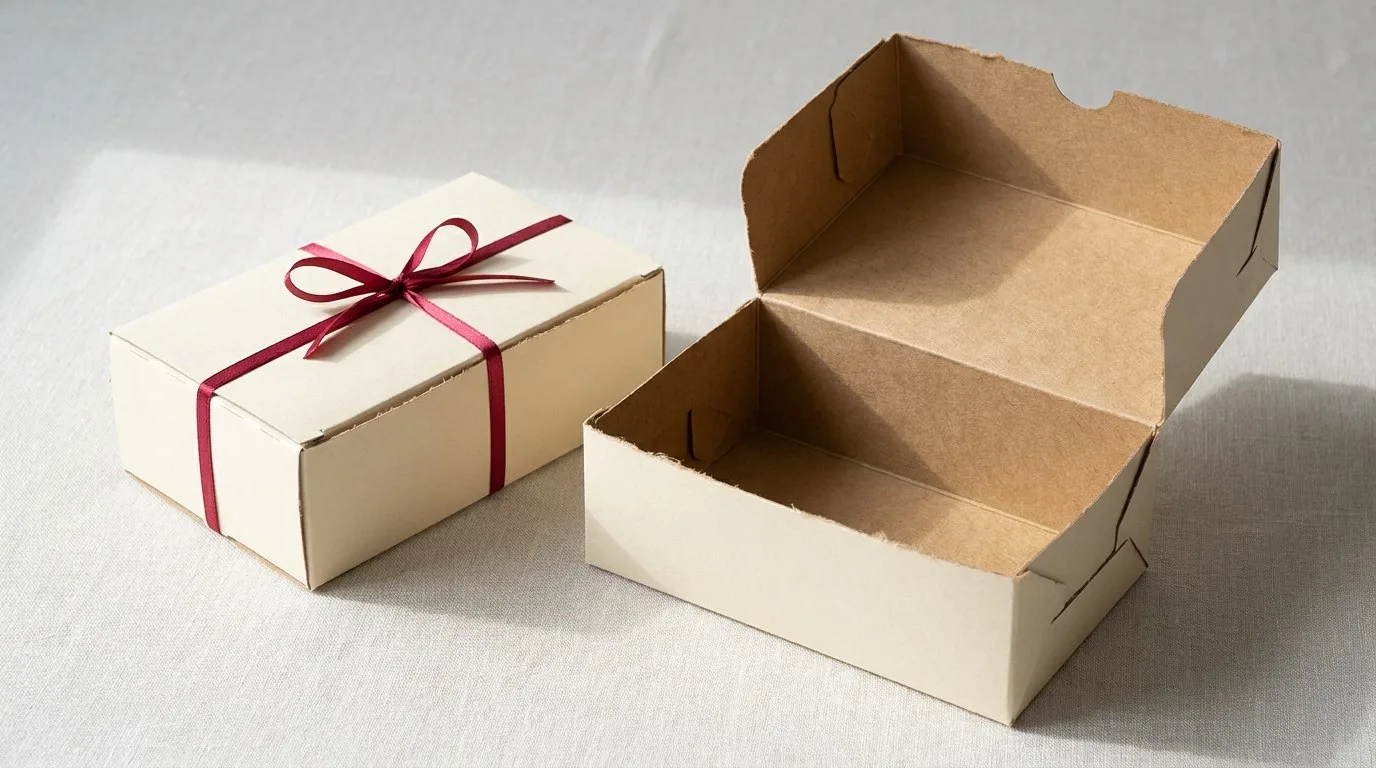
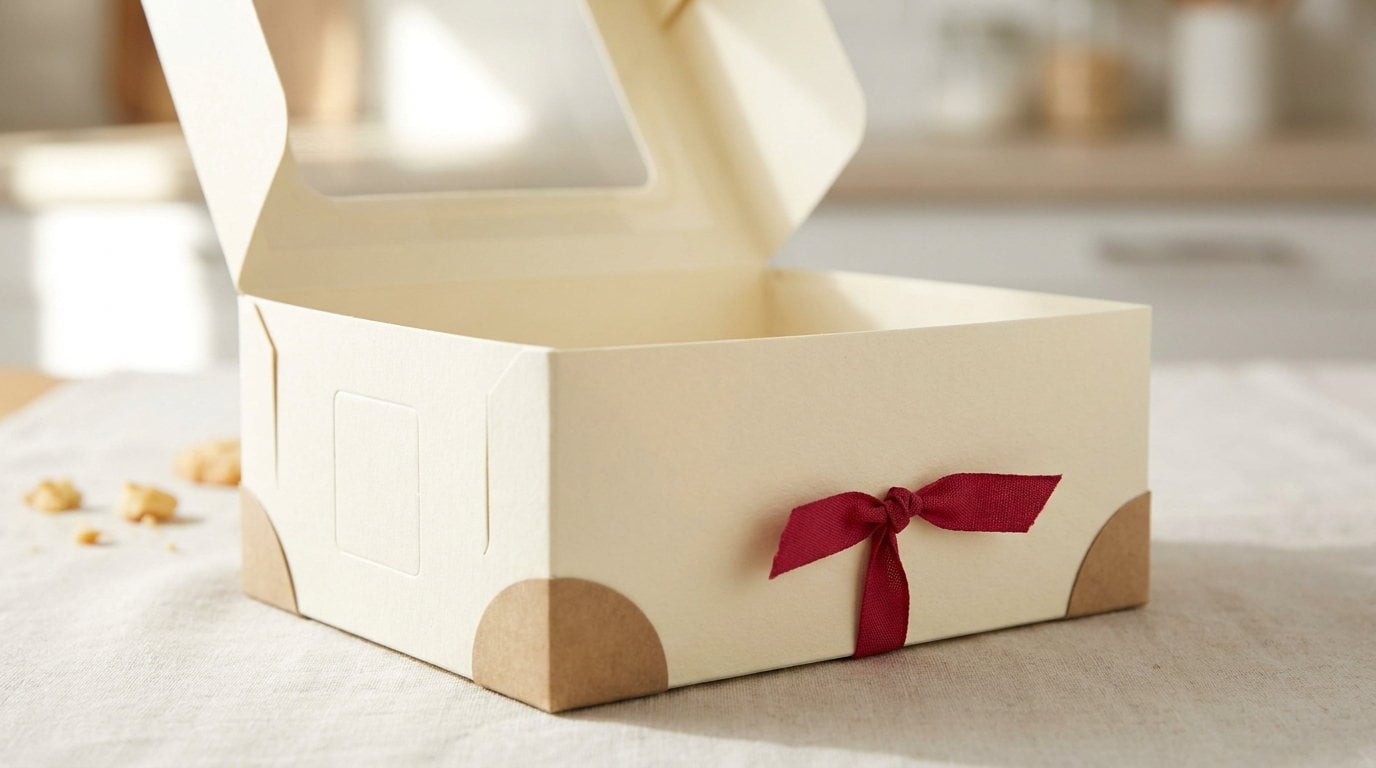


Pastry boxes are printed bakery cartons made to carry croissants, danishes, turnovers, eclairs and mixed pastry orders without crushing the tops. The Best Price Boxes makes them to your pastry sizes with no minimum order, and if you hold a written quote for the same specs, our price-beat guarantee applies.
What a pastry box has to survive
Pastry is light and fragile on the outside, and soft and sticky in the middle. A croissant sheds flakes and butter; a fruit danish has a glaze that welds to any surface it touches; an eclair has a filling that squeezes if the box leans. The carton has to protect the shape, leave a bit of air above, and keep pieces from sliding when the bag swings. Most bakeries get this wrong by buying a box one size up, because then the pastries slide into one corner. Fit is more important than the finish.
Choosing a size and layout
Measure the tallest and the widest pastry you sell, not the average, and measure after baking since puff pastry rises. Decide how many pieces you usually sell in one order. A one-piece box for a single croissant, a four-up carton, and a larger shallow box for assorted trays are all standard layouts. Add about 1/8 inch of clearance per side for a folding carton and enough height for the lid to clear the highest peak. If you also sell cakes or tall tarts, mention them. A shallow pastry box that works for danishes will crush a cream puff, and two sizes serve you better than one compromise.
Board, windows and finishing
Folding carton paperboard in the 16 to 24 pt range suits most bakeries, and kraft board gives a natural, artisan look. Corrugated E-flute adds stiffness for big party boxes that stack in a delivery van. A die-cut window shows what is inside, and it sells: customers buy what they can see. Because glazed or buttery pastries can touch a window film, a wrap or tray under the pieces keeps the window clean. Print is CMYK or Pantone-matched, with matte or gloss aqueous coating, soft-touch lamination or foil on the shop name. We print your supplied artwork. Allergen information, ingredient lists and the choice of any liner, coating or wrap that touches food are yours to decide, and you should confirm food-contact suitability with your own regulatory adviser.
Where another box does the job better
Dozen-lot orders of ring pastries belong in donut boxes, which have a different internal footprint. A single slice of tart or cake travels better in a cake slice box. For delicate shells with fillings, macaron boxes add dividers that pastry boxes lack, and a shop that sells the same box flat-packed to customers could consider collapsible bakery boxes. The wider range is in bakery boxes.
Seasonal menus are where a flexible supplier pays off. A pumpkin danish in October or a heart-shaped tart in February often needs a slightly different height, and because there is no minimum order you can run a small batch of boxes for the season instead of stretching a standard size over a product it does not suit.
- Layouts: single piece, four-up, assorted tray, large party box
- Board: folding carton paperboard, kraft, or E-flute corrugated
- Extras: window, tray or wrap, dividers, handle
- Print: CMYK, Pantone, matte or gloss aqueous, soft-touch, foil
- Quantity: one box to tens of thousands
Next step: send the size of your tallest and widest pastry, how many go in a box and the quantity you want, even if it is one. We draw the dieline and quote it. Packing a real morning bake into a sample is the fastest way to confirm the fit.
Frequently asked questions
Is there a minimum order for pastry boxes?
No. There is no minimum order, so a small bakery can order one box to check the size and a larger operation can order thousands. Each size is quoted from your dieline, and if you bring a written quote for the same specs, we aim to beat it.
What size pastry box do I need?
Measure the tallest and widest pastry you sell after it has baked, and decide how many go in each box. Add about 1/8 inch of clearance per side and enough height for the lid to clear the highest peak. Send those numbers and we draw the dieline.
Should a pastry box have a window?
A window lets customers see what they bought and is good for retail display. It can smear if glazed pastry touches it, so a tray or wrap underneath helps. If you ship or deliver, a solid panel gives better protection against pressure on the film.
How do I stop pastries sticking or going soggy in the box?
Leave air around the pieces, add a tray or wrap under glazed items, and do not box them while still warm. Trapped steam is the usual cause of sogginess. A box that fits tightly also keeps pastries from sliding into each other.
Are the boxes safe for food use?
Suitability depends on the exact board, coating and liner, so we do not make blanket claims. Tell us what goes in the box and note it on your quote. Confirm food-contact suitability with your own regulatory adviser before packing.
Can I print my bakery logo and menu on the boxes?
Yes. We print your supplied artwork in CMYK or Pantone-matched color on the outside, and inside if needed, with a matte or gloss aqueous coating. Simple one-color kraft printing is a quick way to brand a small run.
More Custom Bakery Boxes
See the full Custom Bakery Boxes range, or explore related options with no minimum order and our best-price guarantee: