Confectionery fails in ways that have nothing to do with how the packaging looks. Hard candy pulls moisture out of the air and welds itself into a single lump. Gummies lose water and go stiff, or give it up to each other and fuse. Chocolate blooms when it warms and cools again, and it will take on the smell of whatever it was stored beside, because cocoa butter absorbs odor readily. Caramel and toffee creep under their own weight and bond to whatever is touching them.
None of that is stopped by a paperboard box. The box carries the branding, the structure and the shelf presence. The barrier is the film, the wrap or the liner that sits between the candy and the air. Get those two jobs confused and you will produce beautiful packaging around product that has gone hard by week three.
| Hard candy | Hygroscopic. The enemy is water vapor. Wants a moisture barrier and a seal that holds, whether that is a twist wrap per piece or a sealed pouch for the lot. |
|---|---|
| Gummies and jellies | Lose moisture and stiffen, or share it and stick together. A moisture barrier again, and headspace worth thinking about, since a tightly packed bag fuses faster than a loose one. |
| Chocolate | Heat and odor are the risks, not moisture. Blooming is a temperature story rather than a packaging one, but odor pickup is entirely a packaging story. Avoid uncoated recycled board in direct contact. |
| Caramel and toffee | Cold flow. It will bond to an untreated liner. A release-coated wrap or an individual twist is the usual answer. |
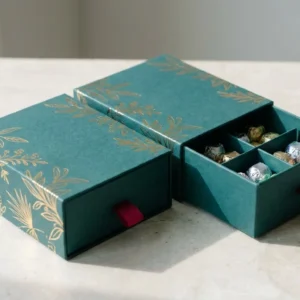
| Chocolate-panned and coated | Scuffs. The coating marks against itself in transit, so inserts, dividers or a smaller unit count do more than any film choice. |
If the candy sits loose against the board, that is direct food contact and the material and inks have to be specified for it. If every piece is already wrapped, the outer box is indirect contact, and the requirement is different. This is worth settling before you order, because people routinely pay for a direct-contact specification on a box that only ever holds wrapped product, and others do the reverse and find out the hard way.
Tell us which one you are, and whether the candy is loose, wrapped, or bagged inside the box. That single answer decides most of the rest.
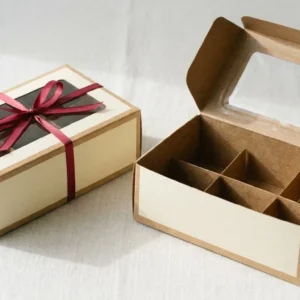
A window is the most effective thing you can put on a candy box, because color is most of the appeal. It is also a hole in your light barrier. Bright colors fade under retail lighting and chocolate does not enjoy it either. If the product sits on a lit shelf for weeks rather than days, keep the window small or move it off the face that catches the light.
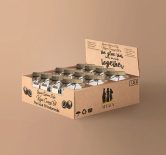
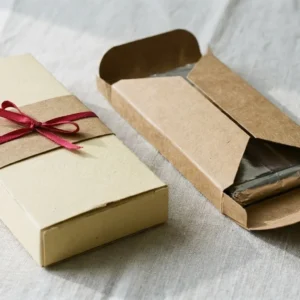
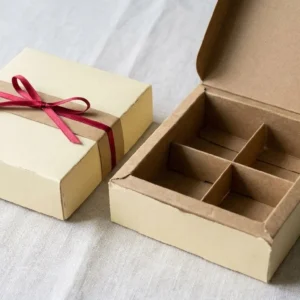
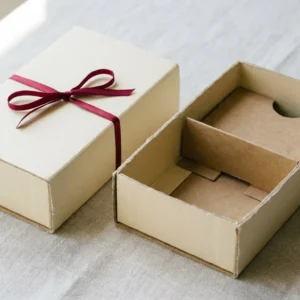
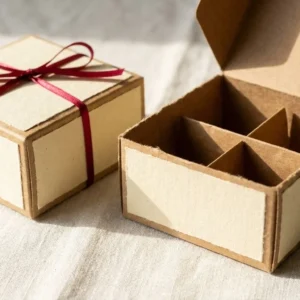
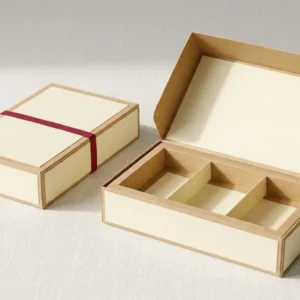
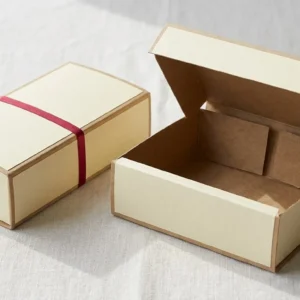
Candy boxes are the general-purpose starting point, printed to your artwork and cut to your size. Candy boxes with a window and clear candy boxes put the product in front of the buyer, which matters most at point of sale. Kraft candy boxes suit brands selling on a natural or small-batch story. Pillow candy boxes handle small counts and favors, where a rectangular box looks oversized for what is inside.
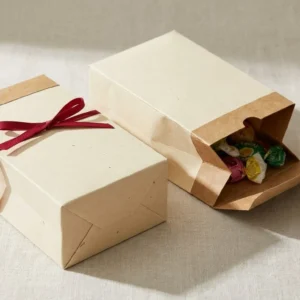
Candy bags are the format for anything sold by weight or count rather than displayed as a gift. Cotton candy packaging is its own problem entirely, since spun sugar collapses the moment it meets humidity and needs a sealed barrier rather than a decorative bag.
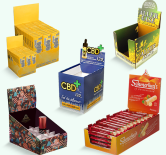
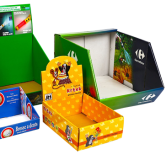
Candy bar packaging covers wrappers and sleeves for single-serve formats. Candy display boxes ship flat, convert on the counter and do the merchandising for a retailer who has no shelf plan for you. Candy subscription boxes are built for transit rather than display, which changes the board before it changes the artwork. Christmas candy boxes and candy wrapping paper cover the seasonal run.
For regulated confectionery we also produce CBD candy packaging and CBD candy boxes, where the label real estate matters as much as the structure.
No minimum order, so a seasonal run or a single flavor test is a normal order rather than an exception. Sizes are cut to your product instead of chosen from a fixed list. Design is free, samples are free, and shipping is free. Reorders run from the approved file, so a repeat matches the original without another proof cycle.
A sealed barrier beats a beautiful box every time. For hard candy and gummies the moisture barrier and the integrity of the seal do almost all of the work. A box around a sealed pouch adds shelf presence and protection from crushing, but it adds very little shelf life on its own.
Not to the same standard. Individually wrapped product makes the outer box indirect contact, which is a different and usually simpler specification. Loose candy against the board is direct contact and the board, coating and inks all have to be specified for it. Tell us which applies and we will quote the right one rather than the expensive one.
Stock suppliers sell plain bags and boxes by the case, which is the right route if you do not need your name on them. Custom printers build to your size and artwork. The line between the two is usually whether the packaging is doing any selling. If a buyer sees it on a shelf or opens it at home, plain stock is leaving work undone.
Yes. There is no minimum here, which is the main reason confectioners come to us before they have the volume for a traditional print run.
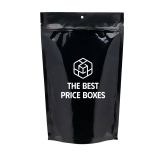
In practice, the seal and the stance. A bag is usually a simple sealed sleeve that lies flat. A pouch has a gusset or a bottom that lets it stand on a shelf, and often a resealable closure. If your product is bought once and finished, a bag is enough. If it is opened and returned to, the pouch earns its keep.