
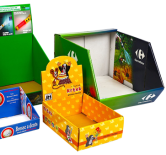
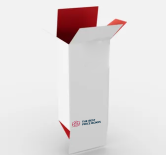
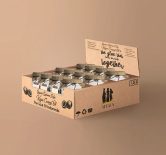
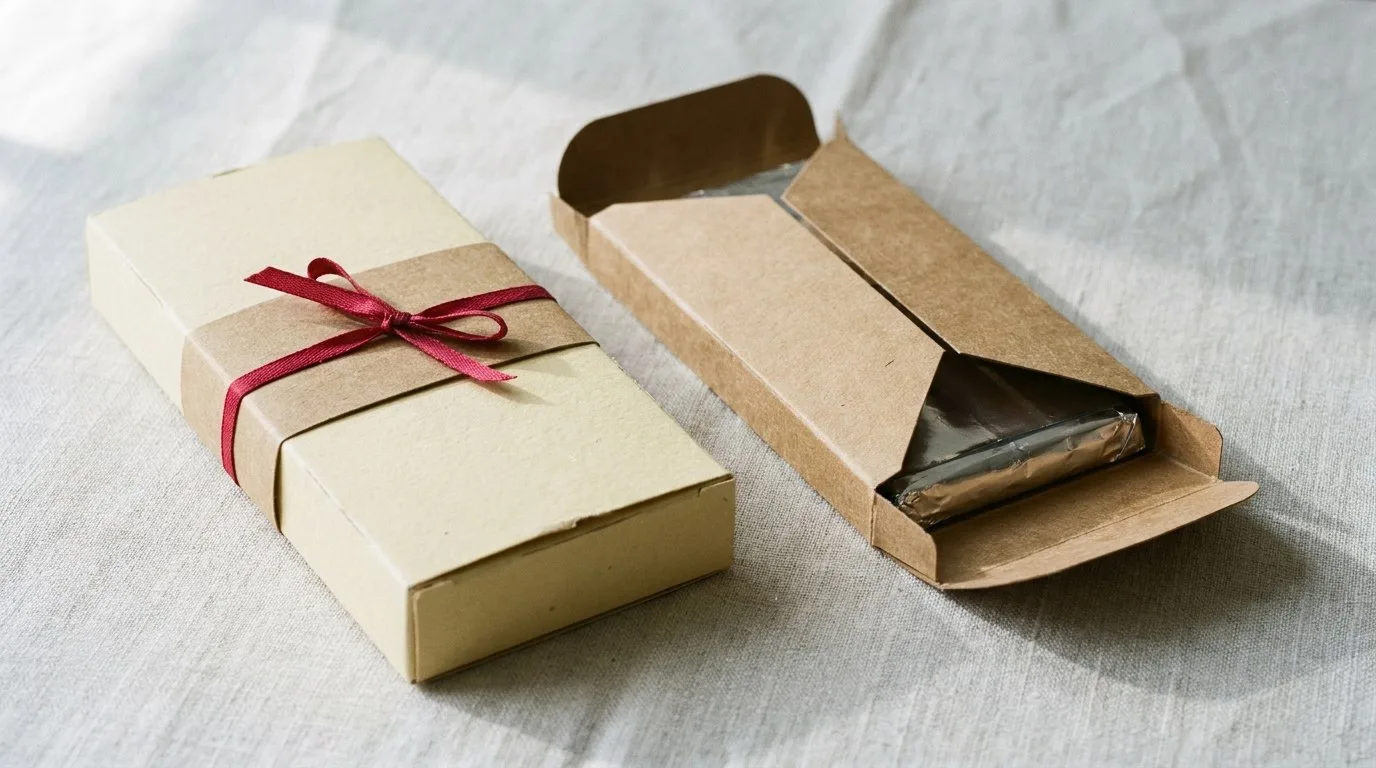


Custom candy bar packaging is the printed outer layer around a chocolate or candy bar: a paperboard sleeve, a wrap, or a small carton that holds one bar or a counter display of them. TBPB makes it to your exact bar size with no minimum order, and if you bring a written quote for the same specs, our price-beat guarantee means we beat it.
Know which layer you are buying
This is where first-time makers get tripped up. A bar usually has an inner wrap, foil or a film, that touches the food and does the sealing. The printed piece we make goes around that. A sleeve slides over the wrapped bar and leaves the ends open. A full wrap glues around it. A tuck-end carton encloses the bar completely. Which one you pick decides how much of the bar is visible, how much it costs to assemble and how it behaves on a shelf.
Sizing a bar sleeve
Measure the wrapped bar, not the bare chocolate: length, width and thickness, including any fin seal on the inner wrap. A sleeve needs a little slack so it slides on, and too much slack lets it drift. Start with about 1/8 inch of clearance per side and adjust after a plain test sleeve. Thick, moulded bars with deep breaks need more room than thin tablets, so send the real bar if you can describe it clearly and we will draw the dieline around it.
Paperboard, print and finish
Folding carton paperboard in the 16 to 24 pt range is the usual stock for sleeves and cartons, and it prints well in CMYK with Pantone matching for your brand colour. Matte aqueous coating reads quiet and craft. Gloss makes colour pop at a checkout. Soft-touch lamination feels expensive in the hand, and foil stamping or spot UV can pick out a name or a flavour. Kraft board gives a natural look, though bright colours print duller on it.
Be realistic about heat. Paperboard does not stop chocolate from softening in a hot car or a sunny window. Insulation, cold-chain handling and shipping season are separate decisions, and your bar recipe matters more than the sleeve. Food labelling, allergen text and weights are your responsibility to supply and check with your own regulatory adviser; we print what you send.
Choosing between a sleeve, a box and a band
A sleeve is the cheapest to produce and ship flat. If you want the bar to sit inside something sturdier for gifting, look at our custom chocolate boxes or the kraft candy boxes. For a lighter touch, a custom belly band carries a logo and ingredients without covering the bar. The whole candy packaging range is worth a look if you also sell assortments.
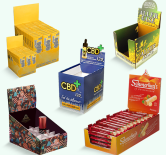
Retailers often want a barcode and a place to hang or stack the bar. Put the barcode on a flat panel away from folds and leave a clean quiet zone around it, and if bars will sit in a counter display, tell us so we can size the outer carton to the stack.
- Styles: sleeve, full wrap, tuck-end carton, display carton
- Board: folding carton paperboard, roughly 16 to 24 pt, or kraft board
- Print: CMYK, Pantone match, matte or gloss coating, soft-touch, foil, spot UV
- Sized to your wrapped bar, with clearance for the slide fit
- Quantity: no minimum order
Next step: send the wrapped bar’s length, width and thickness, your artwork if you have it, and a quantity, even one, and TBPB will draw the dieline and quote it.
Frequently asked questions
Is there a minimum order for custom candy bar packaging?
No. TBPB has no minimum order. You can order one sleeve to test the fit or thousands for a retail launch. Quantity changes the quote and how the job is run, but it never blocks the order.
How do I size a candy bar sleeve?
Measure the finished, wrapped bar for length, width and thickness, including any seal fin. Add about 1/8 inch of clearance per side so the sleeve slides on without drifting. We draw the dieline from those numbers and can adjust after a test fit.
What board is used for candy bar packaging?
Most sleeves and cartons use folding carton paperboard, commonly in the 16 to 24 pt range, printed in CMYK or Pantone colours. Kraft board is available for a natural look. We confirm the board at quote based on your design and bar weight.
Does the packaging keep chocolate from melting?
No. Paperboard is not insulation, so it will not stop chocolate softening in heat. Plan for heat through your recipe, storage and shipping method, and talk to your own adviser about food handling. The printed packaging is for branding and presentation.
Can the packaging carry nutrition and allergen text?
Yes, we print whatever artwork you supply. You are responsible for the label content and its accuracy in your market, so confirm it with your own regulatory adviser before you send final files.
Can you beat a quote I already have?
Yes. Send us a written quote with the same bar size, board and print specs and TBPB will beat it. That is our price-beat guarantee, and it applies to candy bar packaging.
More Candy Packaging
See the full Candy Packaging range, or explore related options with no minimum order and our best-price guarantee: