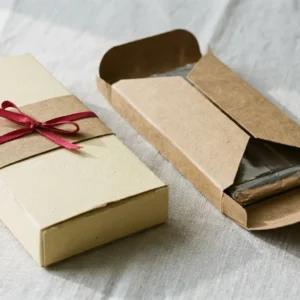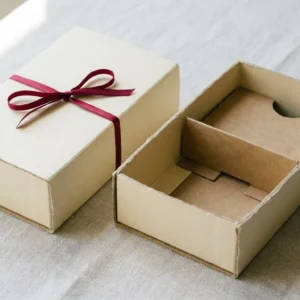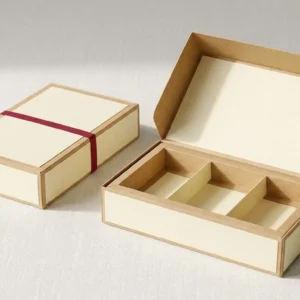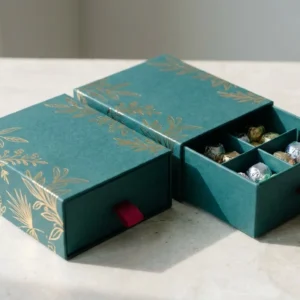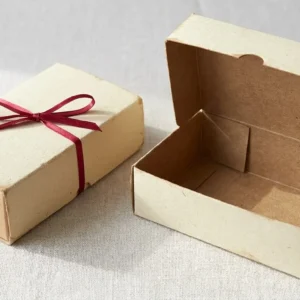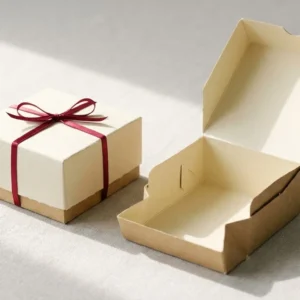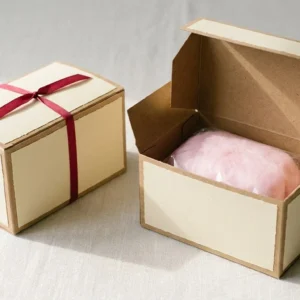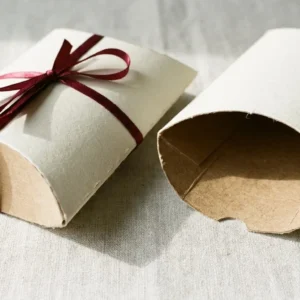

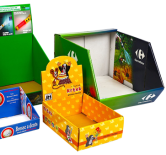
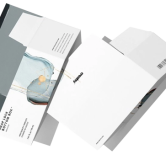
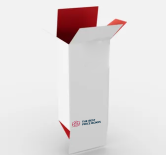
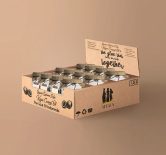
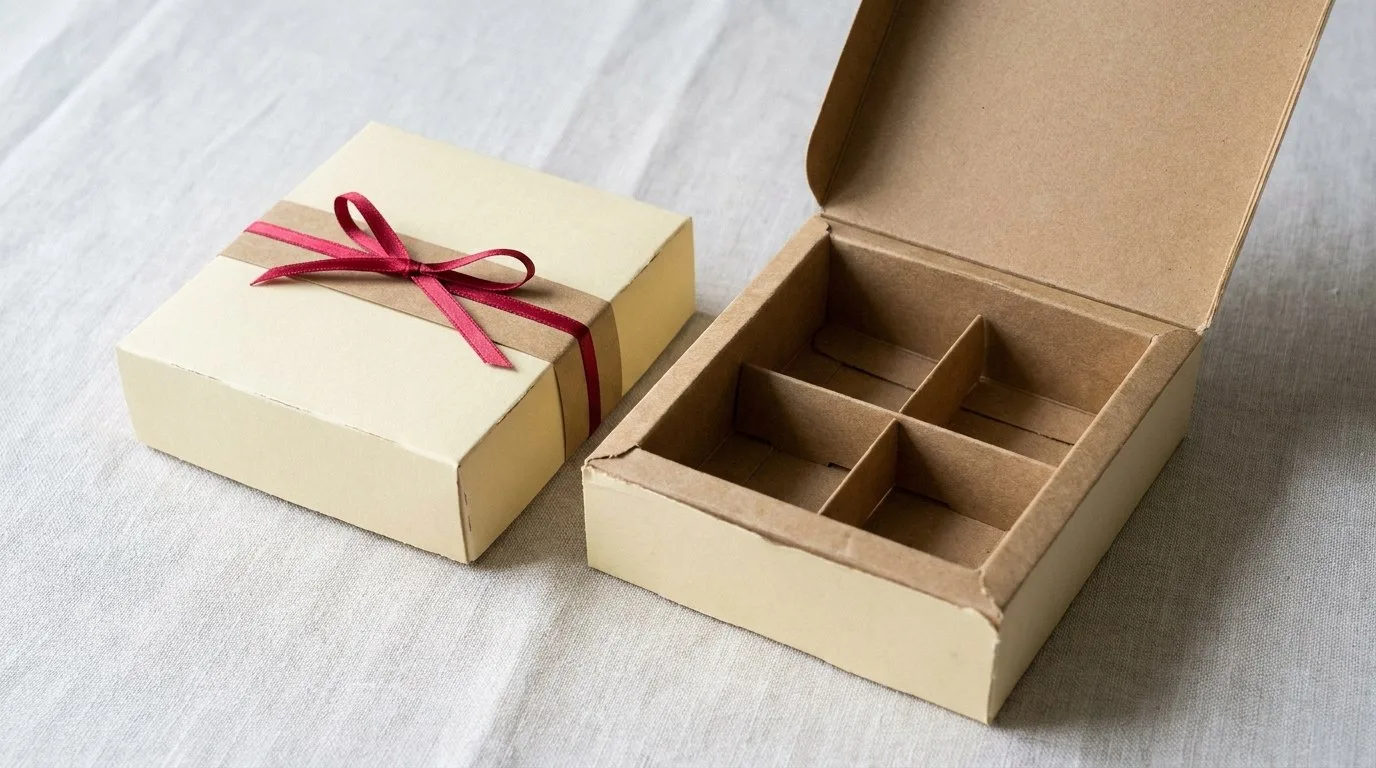


Custom candy boxes are printed cartons sized to a specific sweet, whether that is a row of truffles, a bag of gummies or a gift assortment, and finished with your own artwork. TBPB makes them with no minimum order, and beats any written quote you bring for the same specifications.
Pick the style by how the candy is sold
The structure should follow the sales channel. A tuck-end carton works for packs that sit upright on a counter next to a till. A lid-and-base box suits an assortment that is bought as a present. A tray with an insert keeps individual pieces apart, which matters for filled chocolates and anything that smears. If the candy ships to customers, add a corrugated outer. A thin carton from a counter display will not survive a postal run, and a crushed box is the usual reason candy shops get bad reviews rather than the candy itself.
Sizing around the product
Measure the candy in its wrapper, not bare. For a single layer, take length, width and height of the full tray or stack and add about 1/8 inch of clearance per side so the lid closes without rubbing the wrapper. For multiple layers, add the thickness of any divider card. Individually wrapped pieces in a loose pile need a much larger box than the count suggests, so weigh and count a typical fill and send us the numbers. If sizes in your range differ by only a few millimetres, say so; sharing one dieline across them keeps tooling simple.
Board and print choices
Candy cartons are normally made from folding carton paperboard, around 16 to 24 pt, or from a 350 gsm class SBS board that prints bright colours cleanly. Kraft board suits a craft, small-batch feel. A matte aqueous coating resists thumb marks, gloss pushes saturated reds and pinks, and soft-touch lamination feels indulgent but scuffs on dark colours. Foil on a logo or a spot UV pattern on a lid makes a gift box feel finished. Printed board is not a food surface on its own, so candy should be wrapped or lined. Labelling and food-contact checks stay with you and your own regulatory adviser; TBPB prints the artwork you send.
Artwork matters more than people expect on candy. Buyers decide in seconds, so lead with the flavour name in large type and keep the legal copy small but readable. Print the colour of the candy itself somewhere on the box, because a purple carton holding green sweets confuses shoppers. Put ingredients and allergen statements on a flat panel that is not crossed by a fold or a glue flap.
- Tuck-end, lid-and-base, tray and sleeve constructions
- Paperboard, kraft or corrugated depending on how it ships
- Dividers and inserts to separate pieces
- CMYK or Pantone print, coatings, foil and spot UV
- One-off samples and full runs, no minimum order
When another candy box is the better call
If you want the buyer to see the product, move to candy boxes with a window. For a natural, eco-leaning look, kraft candy boxes print well in one or two colours. Tiny gifts and favours often fit better in small candy boxes, and flat bars belong in candy bar packaging. Browse the full candy packaging range to compare.
Send the dimensions of your candy, how many pieces go in each box and your quantity, even if it is one. We draw the dieline and send a proof before anything is printed.
Frequently asked questions
Is there a minimum order for custom candy boxes?
No. TBPB has no minimum order, so you can order a single box to test fit and print, or thousands for a retail launch. Every size is quoted from your dimensions.
How do I choose the right candy box size?
Measure the candy in its wrapper, add about 1/8 inch of clearance per side, and include the thickness of any divider. Weigh a typical fill and send those numbers. We confirm the box will close without squeezing the pieces.
Can candy go straight into a printed paperboard box?
Usually it should be wrapped or sit in a liner, because printed board is not a food surface by itself. You are responsible for food-contact compliance and labelling, so check requirements with your own regulatory adviser.
What board is best for shipping candy?
Folding carton works on shelves and counters. For parcel shipping, use a corrugated outer or a mailer so corners do not crush. Chocolate also needs protection from heat, which no carton can fully solve on its own.
Can I mix flavours or sizes in one order?
Yes. Different artwork versions on the same structure are common, and different sizes just need their own dielines. Send the list of flavours and sizes and we will quote the set together.
What does the price-beat guarantee cover?
If you bring a written quote for the same size, board, print and quantity, TBPB will beat it. Include every spec from the other quote so the comparison is fair.
More Candy Packaging
See the full Candy Packaging range, or explore related options with no minimum order and our best-price guarantee: