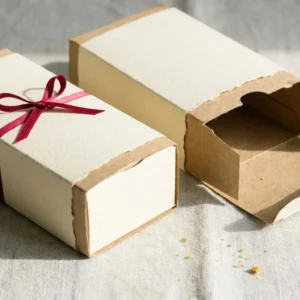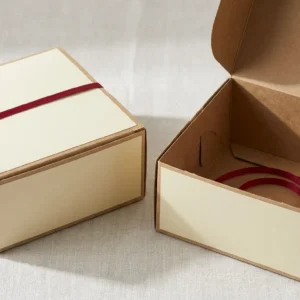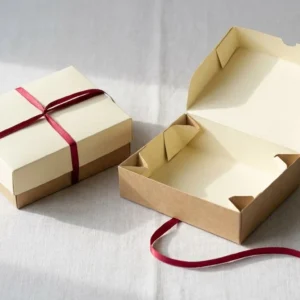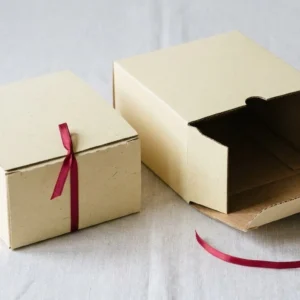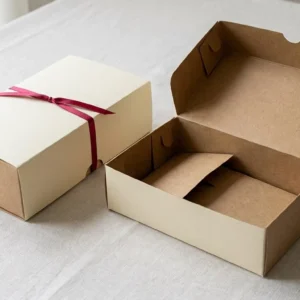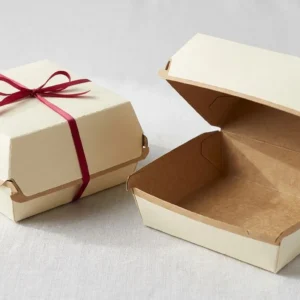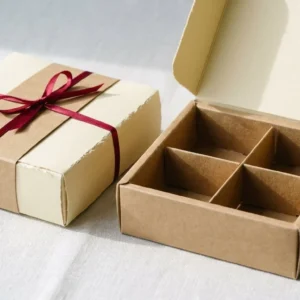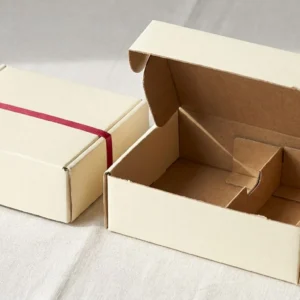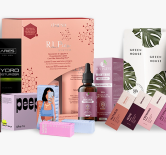
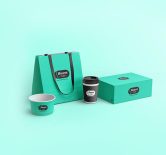
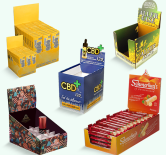

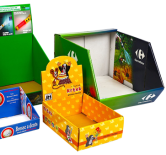
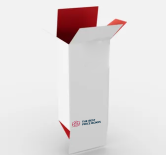
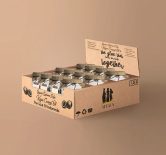
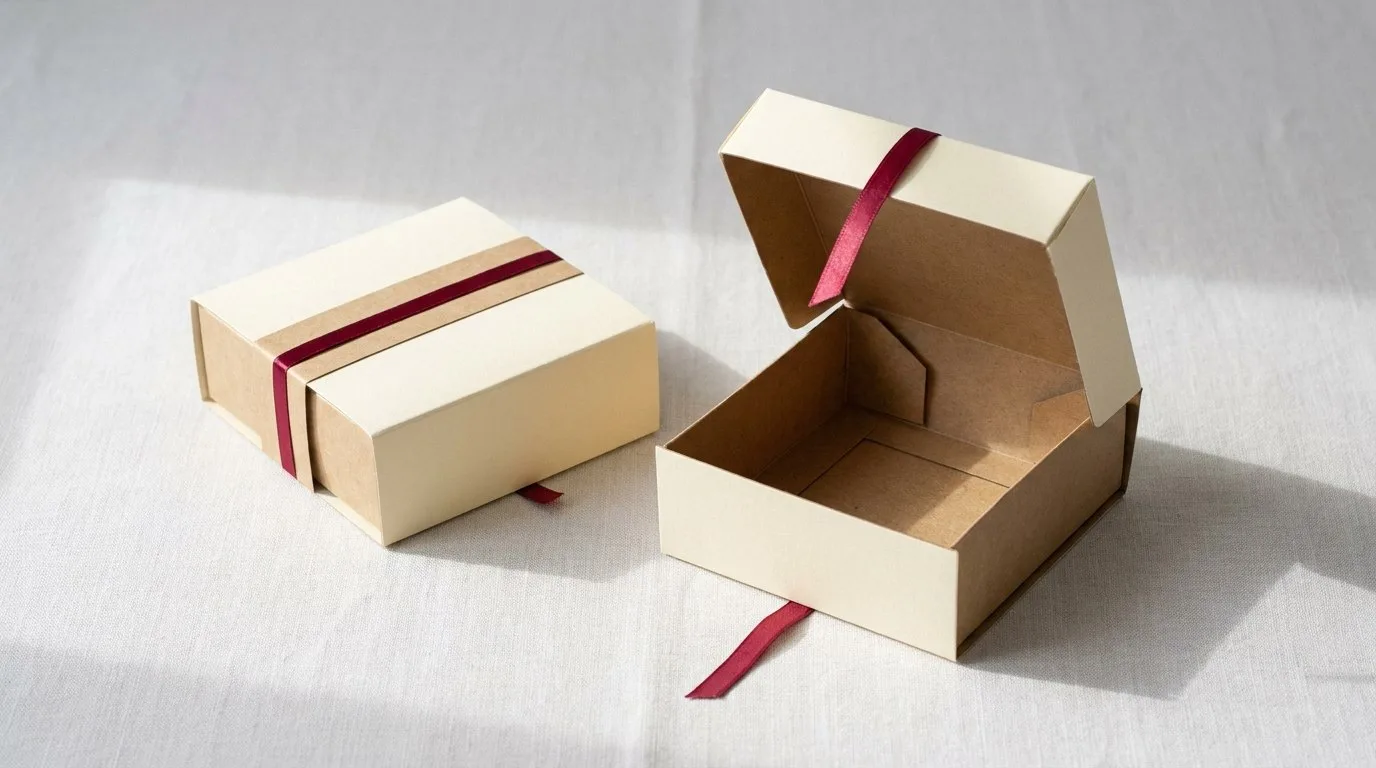


Custom food boxes are printed paperboard or kraft cartons made to the exact size of your product, with your branding on every panel. TBPB makes them with no minimum order and a price-beat guarantee on any written quote for the same specs, from a dozen sample boxes to a full retail run.
Start with how the food is sold
The right carton depends less on the food than on where it is picked up. A snack or confectionery box sitting on a shelf needs strong front-panel graphics and a secure closure. A grab-and-go meal needs a style that stacks and carries. A gift set needs a presentation that survives being handed over. Decide the sales channel first, then the style. A tuck top box is the all-round workhorse for dry goods, a window carton such as our window pillow boxes lets buyers see the product, and hot meals are usually better served by a dedicated takeout food box.
What paperboard can and cannot do
Plain paperboard is a good print surface and a poor barrier. Oily or greasy foods will stain an uncoated carton over time, and moist products soften the board. If the food touches the box directly, ask us about a liner, a glassine or wax-free paper wrap, or a coated board, and plan on an inner pouch or tray for anything wet. For dry, wrapped or individually bagged products, a standard folding carton does the job without extra layers.
Food packaging is regulated. You are responsible for the label copy, ingredient and allergen statements, and for confirming with your own regulatory adviser that the board, coatings and inks you choose suit your product. TBPB prints the artwork you supply and does not supply compliance text.
Getting the size right
Measure the packed food, not the loose food: that means the wrapper, tray or bag it will really sit in. Add about 1/8 inch of clearance per side for a folding carton, a little more if the product is soft and needs a finger gap to lift out. Boxes that are too tight crush the contents when closed, and boxes that are too loose rattle and look cheap. If you have a stock tray you plan to use, send it and we will build around it.
Closures deserve a thought too. A tuck flap holds well for light dry goods, but a heavier product or a carton that will be carried around is safer with a locking bottom or an auto-lock base, which stays shut without tape. If the box will be stacked in a display or a delivery bag, mention that when you request a quote, because it affects the board weight we suggest.
Print and finishing choices
Most food brands print in CMYK, with a Pantone match where the brand colour must be exact. Matte or gloss aqueous coating is the usual surface, soft-touch lamination adds a premium feel for gift sets, and spot UV or foil can highlight a logo or flavour name. Kraft board gives an unbleached, rustic look that suits artisan and farm-to-table brands, though colours print a little deeper on it.
- Custom dimensions drawn to your packed product
- Tuck top, window, gable-style and sleeve constructions
- Paperboard or kraft board, printed inside and out
- Coating, soft-touch, spot UV and foil finishes
- Inserts and dividers for multi-item sets
If you sell only biscuits or cookies, a style made for that product may be closer to what you need, such as our cookie boxes. Browse the rest of the custom food boxes range to compare.
Send us your packed product dimensions and quantity, even if it is one, and we will draw the dieline and quote it.
Frequently asked questions
Is there a minimum order for custom food boxes?
No. TBPB has no minimum order, so you can order a single box to check fit and print or order thousands for a retail launch. The price-beat guarantee applies at any quantity: bring a written quote for the same specs and we will beat it.
Are your custom food boxes food safe?
Paperboard cartons are normally used as outer packaging around wrapped or bagged food. If your food touches the board directly, confirm material and coating suitability with your own regulatory adviser. TBPB prints the artwork you supply and does not provide compliance or labelling text.
How do I choose the right size for a food box?
Measure the food in its final wrapper, tray or bag, then add about 1/8 inch of clearance per side for a folding carton. Soft items need slightly more room so they lift out easily. Send us the dimensions and we will draw a dieline for you to approve.
Can a paperboard box handle greasy or oily food?
Not on its own. Oil soaks into uncoated paperboard and shows as stains. For greasy products, use an inner liner, glassine wrap or tray, or ask us about coated board options. Dry and individually wrapped foods usually need no extra barrier inside a standard carton.
What styles can I choose for a food box?
Common choices are tuck top cartons, window cartons that show the product, gable-style boxes with a carry handle, and sleeves over a tray. The right pick depends on whether the food is displayed on a shelf, carried out hot, or given as a gift.
Can I print a window or full-colour design?
Yes. Food boxes are printed in full colour on most styles, and a die-cut window with a clear film lets customers see the product. Windows suit dry products like cookies and snacks, and we can position them to show the best-looking part of the item.
More Custom Food Boxes
See the full Custom Food Boxes range, or explore related options with no minimum order and our best-price guarantee: