
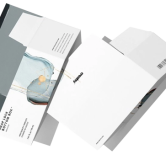

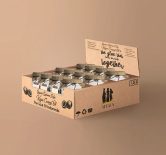


Custom food grade paper is printed wrap, deli paper and tray liner that sits directly against food, and TBPB prints it to your artwork with no minimum order. If another supplier gives you a written quote for the same specs, bring it and we will beat it.
Match the paper to the food
This is where most food-paper mistakes happen. A pretty print on a paper that cannot handle the food ends up with a translucent grease stain across your logo. Paper grease resistance is commonly rated on the kit test, which runs from 1 to 12. As a rough guide, dry sandwiches and bakery items need only a low rating, burgers and wraps need a middle one, and fried food needs a high one. Tell us what you serve, how hot it is when wrapped, and how long it sits, and we will suggest the right paper type.
Formats and where each gets used
- Sandwich and burger wrap: square sheets that overlap the item. The brand shows when it is unwrapped.
- Basket and tray liners: cut to the basket size, used under fries and fried items.
- Deli and bakery tissue: light sheets for pastries, bread and cookies.
- Butter and cream wraps: see our cream and butter sleeves.
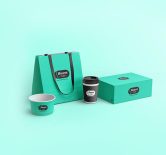
Paper wrap pairs with a box when the food travels. Browse fast food boxes, french fry boxes and takeout food boxes, or the full custom food boxes range for the other pieces of the set.
Sheet size, print and pattern
Measure the biggest item you wrap and allow for an overlap on every side. For a burger or sandwich that is usually a square sheet noticeably larger than the item, so staff can fold it without tearing. Printing in repeat patterns is forgiving, because folds land across the pattern without cutting through a logo. A single large logo looks good flat but ends up half-hidden once the food is wrapped. We print CMYK and Pantone matches and can set up one-color or full-color artwork, depending on the paper and how it will be used.
Food contact and compliance
Paper that touches food must suit the food and meet the rules where you sell. TBPB prints the artwork you supply and does not provide regulatory advice. Check your paper and ink requirements with your own regulatory adviser before approving a proof, and tell us if a certain standard matters for your market.
When another format is better
Paper alone does not insulate or protect shape. A delicate pastry or a taller item still needs a box, and hot, wet food needs a container rather than a wrap. If your menu includes soups or sauces, use a tub or a coated carton and keep the printed paper for the dry items. A good setup is paper for the item, a box for the order, and a bag for the carry.
Test it with real food before you commit
Wrap an actual burger, let it sit for ten minutes, then unwrap it and look at the paper. Check for grease spots, tears at the folds, ink that rubs off on a thumb and a print that has gone patchy where the food was hottest. Because there is no minimum order, a small trial run is the cheapest place to find out. Staff also tell you quickly if a sheet is too small or too slippery to fold at speed, and that feedback is worth having before you print thousands.
Send the food you wrap, the sheet size and a quantity, even if it is one, and we will confirm the format and quote it.
Frequently asked questions
What is food grade paper?
It is paper intended to touch food, such as deli tissue, greaseproof sheets, burger wrap and tray liners. Which paper is suitable depends on the food and your local rules. Ask your own regulatory adviser to confirm that your chosen paper and inks meet contact requirements before you order.
Is there a minimum order for custom food paper?
No. There is no minimum order. You can print a small test batch for a pop-up, a modest run for one location, or a large quantity for multiple sites. Send the sheet size or roll width, the food you wrap and your artwork.
How greasy a food can the paper handle?
It depends on the paper. Light tissue is fine for dry bakery items and sandwiches. Burgers and wraps need a paper with better grease resistance. Fried or very oily food needs the most protection. Tell us what you serve and we will suggest a suitable paper type.
What sheet size should I order?
Wrap the largest item you serve and measure the paper needed to overlap with a bit of room. A typical sandwich or burger needs a square sheet slightly larger than twice the item length. Send us the item size and we will confirm before printing.
Can I print full color on food paper?
Yes. Food paper can be printed in one or several colors, including full color artwork. Repeat patterns and large solid areas work well, and fine detail may soften on very thin tissue. Ask your adviser to confirm that the ink system is appropriate for food contact.
Can I get it in rolls as well as sheets?
Rolls are common for counter dispensing and sheets for pre-cut stacks. Tell us how your staff wrap the food and what dispenser you use, and we will quote the format that fits. Roll width and core size matter if you have a dispenser.
More Custom Food Boxes
See the full Custom Food Boxes range, or explore related options with no minimum order and our best-price guarantee: