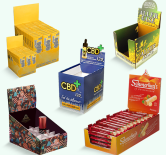

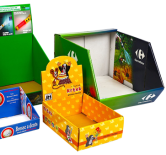
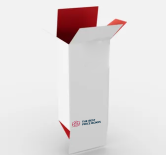
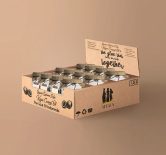
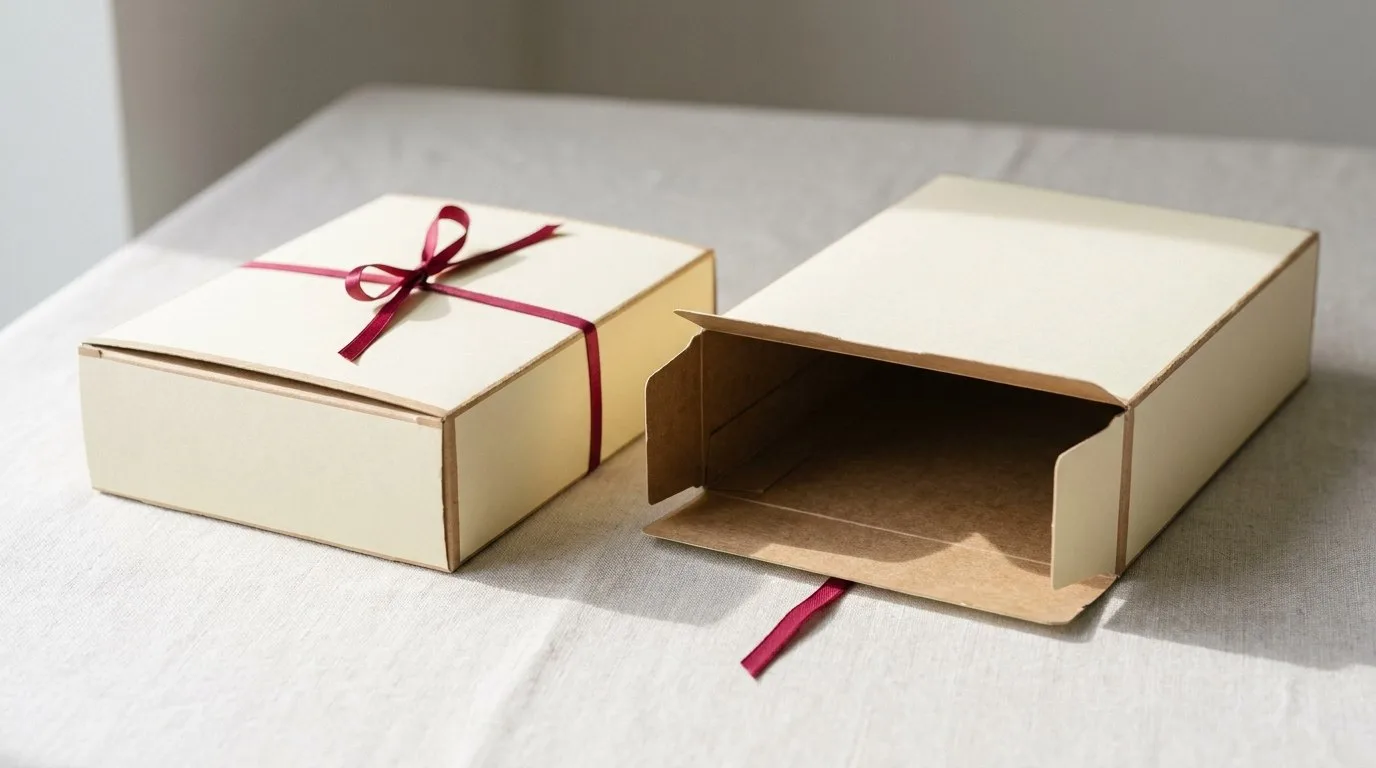


Custom printed cereal boxes are tall folding cartons, usually tuck-top or tuck-end, that hold a sealed inner bag of cereal, granola or muesli. TBPB prints them to your size with no minimum order, and a written quote for the same specs gets beaten under our price-beat guarantee.
The carton is not the food barrier
This is the first thing new cereal makers need to understand. The paperboard box does not keep cereal crisp. The inner bag does that, usually a sealed liner in film. The box carries the brand, holds the bag upright and survives the case, the pallet and the shelf. Plan the two together: the carton should fit a filled and sealed liner, and the liner has to be sourced and food-approved separately. TBPB prints the carton to your artwork, and you are responsible for the contact materials and the label content, so check both with your regulatory adviser.
How to size a cereal carton
Work from volume, not weight. A cup of airy flakes weighs far less than a cup of dense granola, so the same net weight needs very different carton sizes. Fill the liner with real product, seal it the way you will in production and measure the filled bag: width, depth and height. Then add about 1/8 inch of clearance per side, plus extra height for the bag top. Cereal also settles during shipping, so a carton filled to the top at packing often looks short once it reaches the shelf. Leave a little headroom.
Board and construction
Folding carton paperboard in the 18 to 24 pt range is typical for cereal. A tuck-top closure lets a shopper open and close the carton, while a glued or auto-lock bottom keeps the base steady with the weight inside. Large panels need stiffness or they bow, and heavier granola cartons do better on the thicker end of the range. Kraft board with one- or two-colour print suits natural and organic brands; white board takes full colour for kids’ and mainstream lines.
Print and shelf impact
A cereal aisle is a wall of competing boxes, so the front panel has about two seconds to work. Strong colour blocks and large type beat tiny detailed art. Aqueous or matte coating suits natural brands, gloss increases colour punch, and spot UV or a foil highlight on the name pulls the eye. The back and side panels carry the nutrition panel and barcode; leave flat, unfolded areas for them. Window cut-outs are possible for granola, though a film patch over the window adds a material you will need to confirm for food contact.
Other shapes to consider
Single-serve or smaller packs fit a straight tuck end box. For the standard hinged-top carton, see tuck top boxes. The wider custom food boxes range has more food-friendly cartons.
Shipping matters too. Tall, thin cartons are easier to crush in a case than short, wide ones, so tell us how many cartons go in a shipper and how the cases are stacked. We can then suggest board weight and carton proportions that hold up through a warehouse rather than only on the shelf.
- Style: tuck-top or tuck-end carton, glued or auto-lock bottom
- Board: folding carton paperboard, roughly 18 to 24 pt, white or kraft
- Print: CMYK, Pantone, matte, gloss, spot UV, foil
- Sized to a filled and sealed inner bag, plus clearance
- Quantity: no minimum order
Next step: send the filled bag’s width, depth and height, your artwork if you have it, and a quantity, even one, and TBPB will draw the dieline and quote it.
Frequently asked questions
Is there a minimum order for custom cereal boxes?
No. TBPB has no minimum order, so a new cereal brand can order one carton to test fit and print, or a full run for a launch. Quantity changes the quote, not whether we will take the job.
Does the cereal box keep cereal fresh?
Not by itself. The sealed inner liner does that. The carton holds the bag upright, carries your brand and protects it in transit. You source and approve the liner separately, so check it with your own food-safety adviser.
How do I size a cereal box?
Fill the inner bag with real product, seal it, and measure width, depth and height. Add about 1/8 inch of clearance per side and extra height for the bag top. Send those numbers and we will draw the dieline.
What board is best for cereal boxes?
Folding carton paperboard around 18 to 24 pt is typical. Heavier granola calls for the thicker end so large panels do not bow. White board takes full colour; kraft suits natural brands with simple print.
Can I add a window to a cereal box?
Yes, a window can show off granola or muesli. The film patch is an extra material, so confirm food-contact suitability with your regulatory adviser. A window also weakens the panel slightly, so keep a border around it.
Can you beat a quote I already have?
Yes. Send a written quote for the same size, board and print specs and TBPB will beat it. That is our price-beat guarantee, and it applies to custom printed cereal boxes.
More Custom Food Boxes
See the full Custom Food Boxes range, or explore related options with no minimum order and our best-price guarantee: