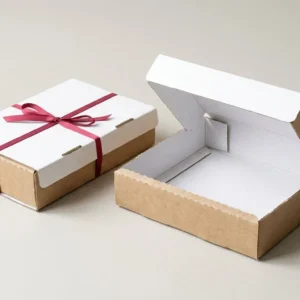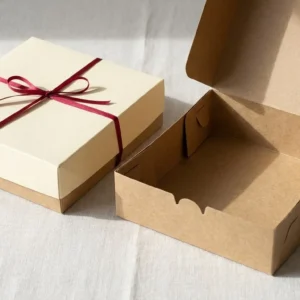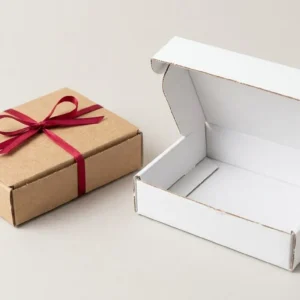
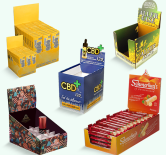

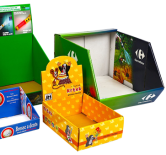
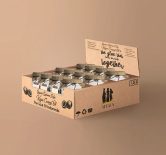
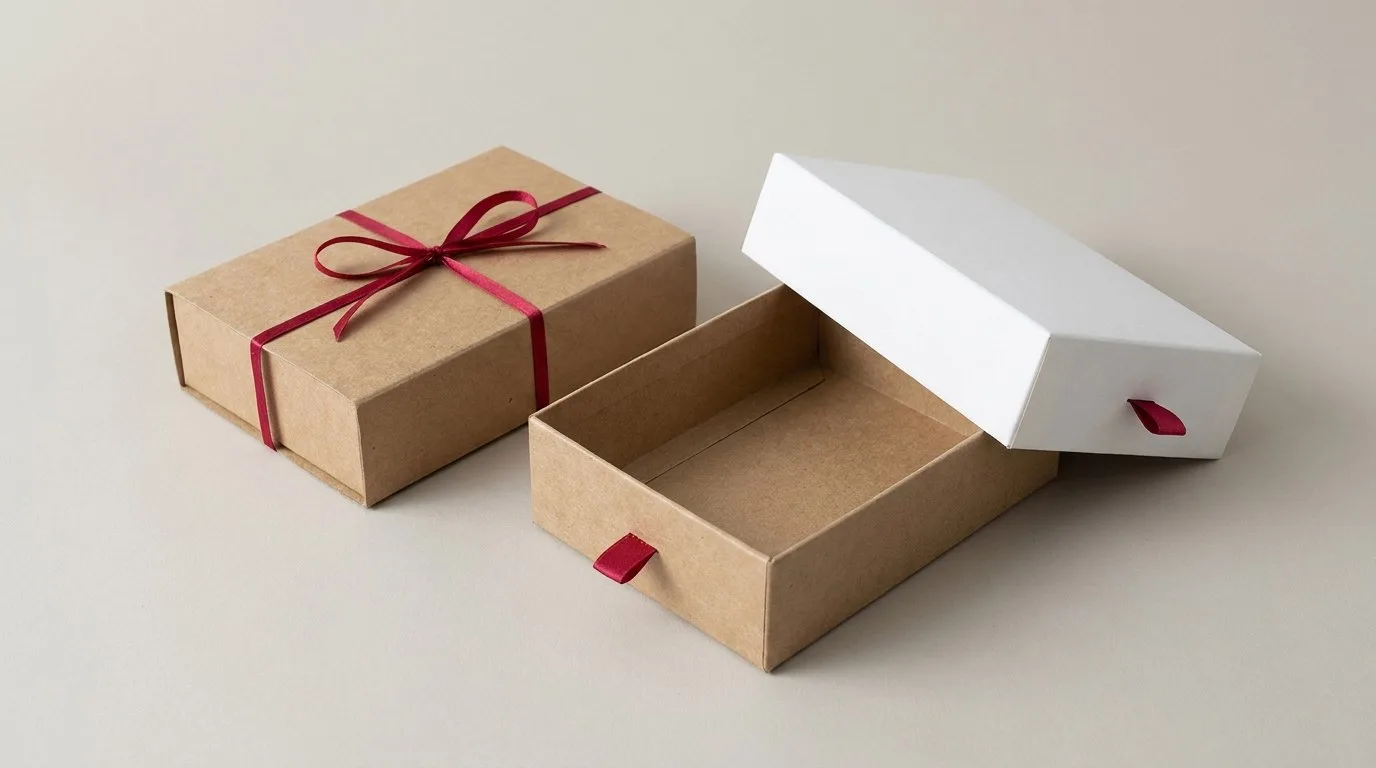
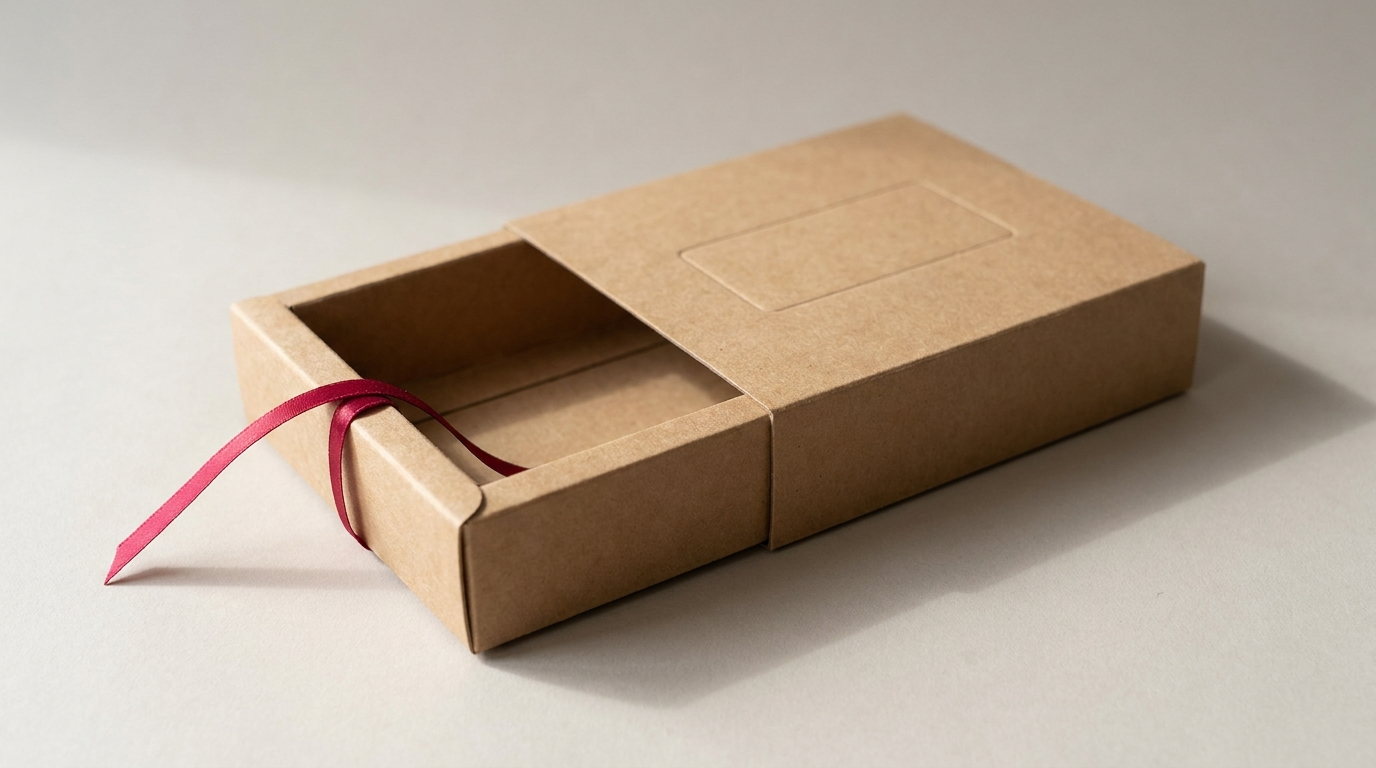


A custom tray box is a shallow, open-top carton with a flat base and low walls, cut and printed to the exact size of what it carries. TBPB makes them with no minimum order, and if you bring a written quote for the same specs, our price-beat guarantee means we work to beat it.
How a tray is built, and what it will not do
Most trays are a single piece of paperboard scored and folded up from the base, with corners that are either glued, locked with tabs, or held by a fold-over flap. The structure is simple, which is why it is cheap to run in small and large quantities alike. The trade-off is that nothing covers the top. A tray holds product in view, so it suits items that look good open: baked goods, soaps, confectionery, sample sets, small retail bundles.
What it will not do is protect a loose item in transit. If the tray is going into a shipper, fine. If it is going straight into a courier network, pair it with a sleeve or lid, or move to a mailer. Our sleeve boxes are the usual partner, because a printed sleeve slides over the tray and turns an open carton into a closed, shelf-ready pack.
Sizing a tray around the product
Measure the product at its widest length, width and height, then add about 1/8 inch of clearance per side so it drops in without scraping the print. Wall height is the part buyers get wrong. A wall that is too low lets items slide out when the tray is tilted; a wall that is too tall hides the product you wanted people to see. A good starting point is a wall roughly half the product height for items you want visible, taller for stacked goods.
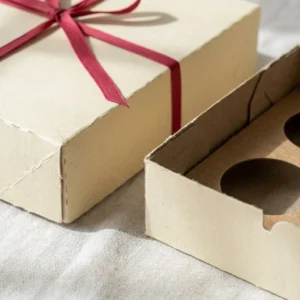
If you are packing several pieces in one tray, tell us the count and arrangement. We can add dividers, a printed liner or a paperboard insert so the pieces stay put.
Board, print and finish
For light retail and bakery trays, folding-carton paperboard in the 16 to 24 pt range is the common choice, with heavier board for items that need a firm base. Kraft board gives an earthy look that suits food and natural goods. Corrugated is available when the tray has to carry weight or double as a shipping base.
- Full-colour CMYK or Pantone-matched print, inside and outside
- Matte or gloss aqueous coating, or soft-touch lamination on retail trays
- Spot UV, foil stamping and embossing for gift sets
- Custom footprints, rounded corners and window or cut-out features
- Dividers and inserts cut to your product layout
If the tray touches food, you remain responsible for labelling and for confirming contact-material requirements with your own regulatory adviser. We print the artwork you supply.
When a different style is the better call
For doughnuts and pastry you may prefer a dedicated donut tray box, and for hot or greasy takeout look at food tray packaging. If you want a stock-style footprint at a standard size, the consumer tray box may fit your product without a new die.
One practical note on artwork: the inside of a tray is always visible, so it is worth printing. A solid brand colour or a pattern inside turns a plain carton into something people keep. For food-adjacent items where you would rather not print ink inside, we can leave the interior plain kraft or white and put all the branding on the outside walls and any sleeve.
Ready to start? Send your product dimensions and quantity, even a quantity of one, and TBPB draws the dieline and quotes it. See the full tray box range for related formats.
Frequently asked questions
Is there a minimum order for custom tray boxes?
No. TBPB sets no minimum order on trays. You can order a single prototype to test the fit or thousands for a retail launch. Send the dimensions and quantity you want and we quote that exact run, with no pressure to round up to a bigger batch.
What size should I make a custom tray?
Measure your product at its longest, widest and tallest points, then add about 1/8 inch of clearance per side. Wall height matters as much as footprint: roughly half the product height shows the item well, while stacked or loose pieces need taller walls to stay put.
What material are custom trays made from?
Most are folding-carton paperboard, commonly 16 to 24 pt, or kraft board for a natural look. Corrugated is an option when the tray must carry weight. We recommend a board once we know what the tray holds, how heavy it is and how it will be handled.
Do tray boxes have a lid?
A standard tray is open on top. You can add a printed sleeve, a separate lid, or a clear overwrap to close it. Sleeves are the most popular choice because they keep the tray flat to store, slide on in seconds and give you a full print surface.
Can a tray hold several items with dividers?
Yes. Tell us the count and layout and we can add paperboard dividers or an insert cut to the product. This works well for sample sets, confectionery assortments and small retail bundles where each piece needs its own space.
Can I use trays for food?
Many customers do, for bakery and snack items. You are responsible for your labelling and for confirming food-contact requirements with your own regulatory adviser. TBPB prints and cuts the artwork you supply, so ask us about board options that suit your product.
More Tray Boxes
See the full Tray Boxes range, or explore related options with no minimum order and our best-price guarantee: