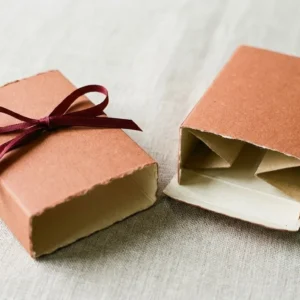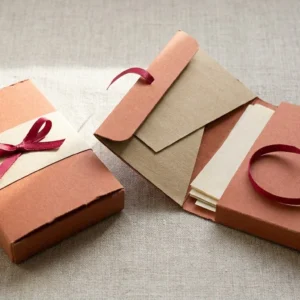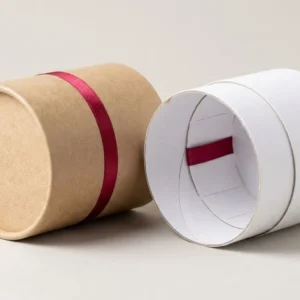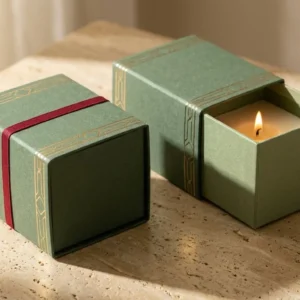





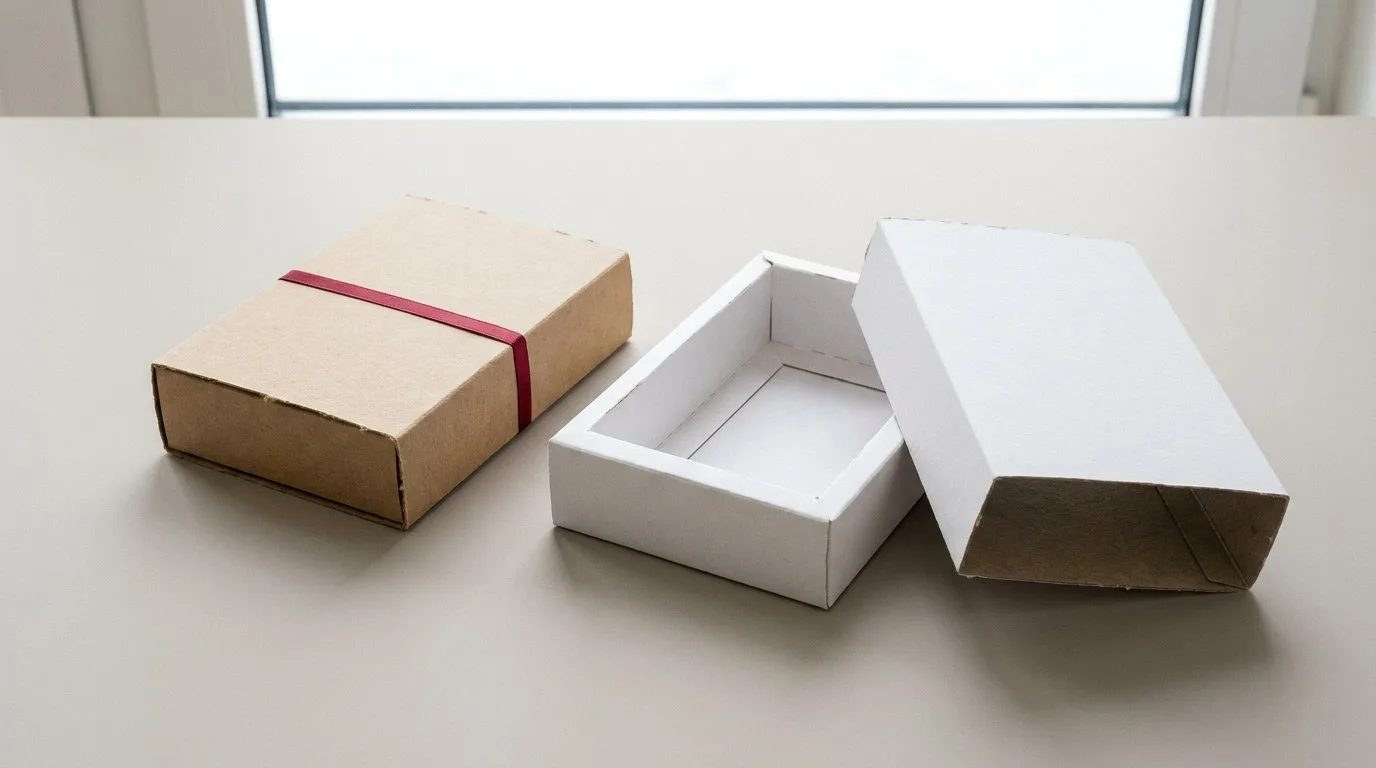
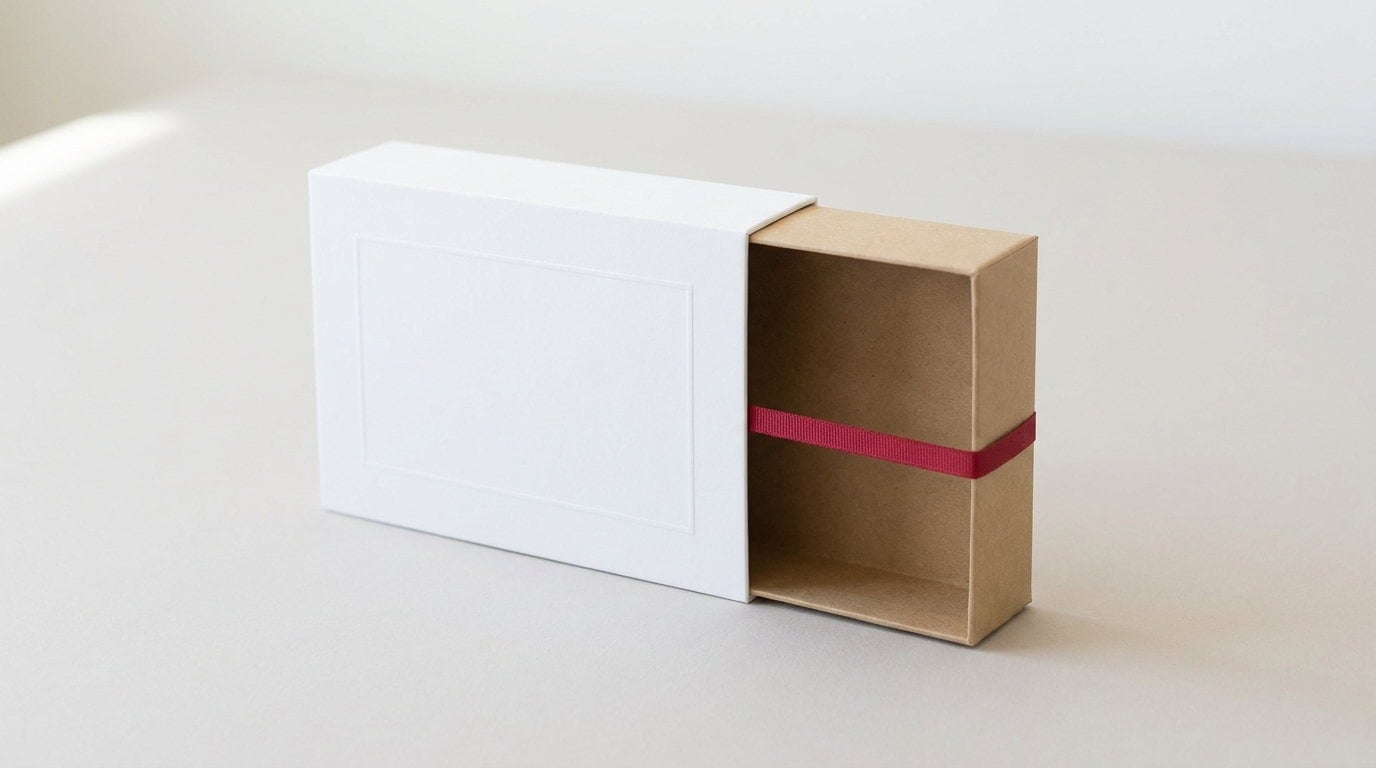


A sleeve box is a two-part pack where a printed paperboard sleeve slides over an inner tray, and the product rides in the tray. TBPB makes sleeve boxes with no minimum order, and if you hold a written quote for the same specs we work to beat it.
Why the sleeve and tray are separate
That split is the point. The sleeve is a plain loop of printed board with no top or bottom, so it is cheap to print edge to edge, and the tray inside can be a different colour or stock. Swap the sleeve and the same tray serves a new flavour, a seasonal edition or a limited run. Brands that sell several variants of one product use this to keep tray inventory simple and refresh the look only where customers see it.
The reveal matters too. A sleeve pulls off with a satisfying slide, which is why gift sets, cosmetics, candles, confectionery and tech accessories like it. The pack also works as a closed unit on the shelf, with all branding facing out on the sleeve.
Getting the fit right
Fit is the hard part. The sleeve has to slide freely but not fall off when the box is held upright, so the gap between the sleeve and the tray is tight, usually a fraction of a millimetre to a millimetre or two depending on board thickness and finish. Lamination and coatings add thickness, which changes that gap, so tell us your finish early. Send the product dimensions and we work out the tray size, wall height and sleeve opening around them.
If your product is loose or fragile, add an insert to the tray so it cannot rattle. Our custom foam inserts cut to the product shape, and paperboard inserts are another option.
Board, print and finishing
Lightweight products usually use folding-carton paperboard, commonly 16 to 24 pt, for both sleeve and tray. Corrugated board suits heavier items or packs that will be shipped. If you want a rigid gift-box build, tell us and we will advise what is possible. Print on the sleeve is where you spend your budget: the tray can stay plain or carry a simple one-colour pattern.
- Custom sleeve and tray dimensions to fit the product
- Full-colour CMYK or Pantone-matched print
- Matte, gloss or soft-touch finish on the sleeve
- Spot UV, foil stamping or embossing for gift sets
- Thumb notch or cut-out window on the sleeve
- Insert or divider in the tray
When another style is smarter
Sleeve boxes also reward a little planning on the artwork side. The sleeve wraps four panels, so the front, back and both sides all carry print, and the seam where the sleeve is glued needs to sit somewhere unobtrusive, usually along one edge or the back panel. Keep important text and logos away from the folds and the seam by a few millimetres. A thumb notch cut into one edge makes it easier for a customer to push the tray out, and it doubles as a design detail.
A sleeve box does not lock closed. If the pack will be shaken, dropped or shipped on its own, a tuck-end carton such as the tuck top box holds the contents more securely. For shipping, put the sleeve box inside a mailer box. If you simply need a band around a bar or a jar, a wraparound sleeve is lighter than a full two-part pack. Food and cosmetics buyers remain responsible for labelling and for confirming contact-material needs with their own regulatory adviser.
Ready to start? Send your product dimensions and quantity, even a quantity of one, and TBPB draws the dieline and quotes it. See the full sleeve box range for related formats.
Frequently asked questions
Is there a minimum order for sleeve boxes?
No. TBPB sets no minimum order. You can order one prototype to check the slide fit, or thousands for a retail line. Send the product dimensions and quantity and we quote that run, so you are never pushed into a bigger batch than you plan to sell.
What is the difference between a sleeve box and a tray box?
A tray box is an open carton. A sleeve box adds a printed outer band that slides over the tray, closing it and carrying the branding. The sleeve can be replaced for a new edition without changing the tray, which keeps inventory simple for brands with several variants.
How tight should the sleeve fit?
Tight enough to stay on when the box is held upright, loose enough to slide off without tearing. The gap is usually a millimetre or two and depends on board thickness and coatings. Tell us your finish so we adjust, and ask for a sample before a full run.
Can I add an insert inside the tray?
Yes. A foam or paperboard insert cut to your product holds it steady and stops rattling. This matters for bottles, jars, electronics and gift sets. Send us the product dimensions and weight and we recommend an insert that suits the pack.
What materials are sleeve boxes made from?
Folding-carton paperboard, commonly 16 to 24 pt, is the standard for light products. Corrugated works for heavier items. We recommend a build once we know the product weight and how it will be handled.
Can sleeve boxes be shipped as they are?
They can, but they do not lock, so the sleeve may slide off in transit. For parcel shipping, put the pack inside a mailer or shipper, or choose a locking style. A sleeve box suits retail shelves, gifting and subscription inserts best.
More Custom Sleeve Boxes
See the full Custom Sleeve Boxes range, or explore related options with no minimum order and our best-price guarantee: