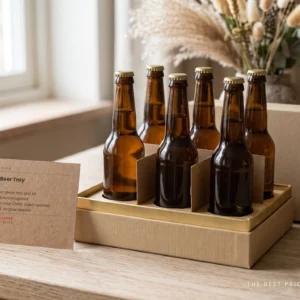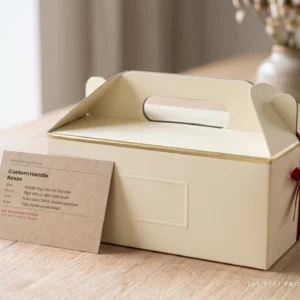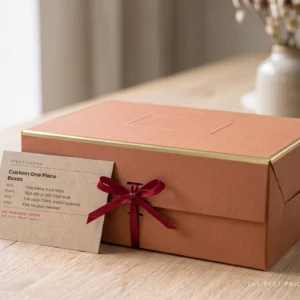

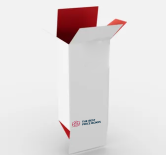
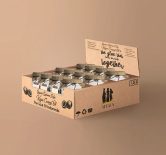
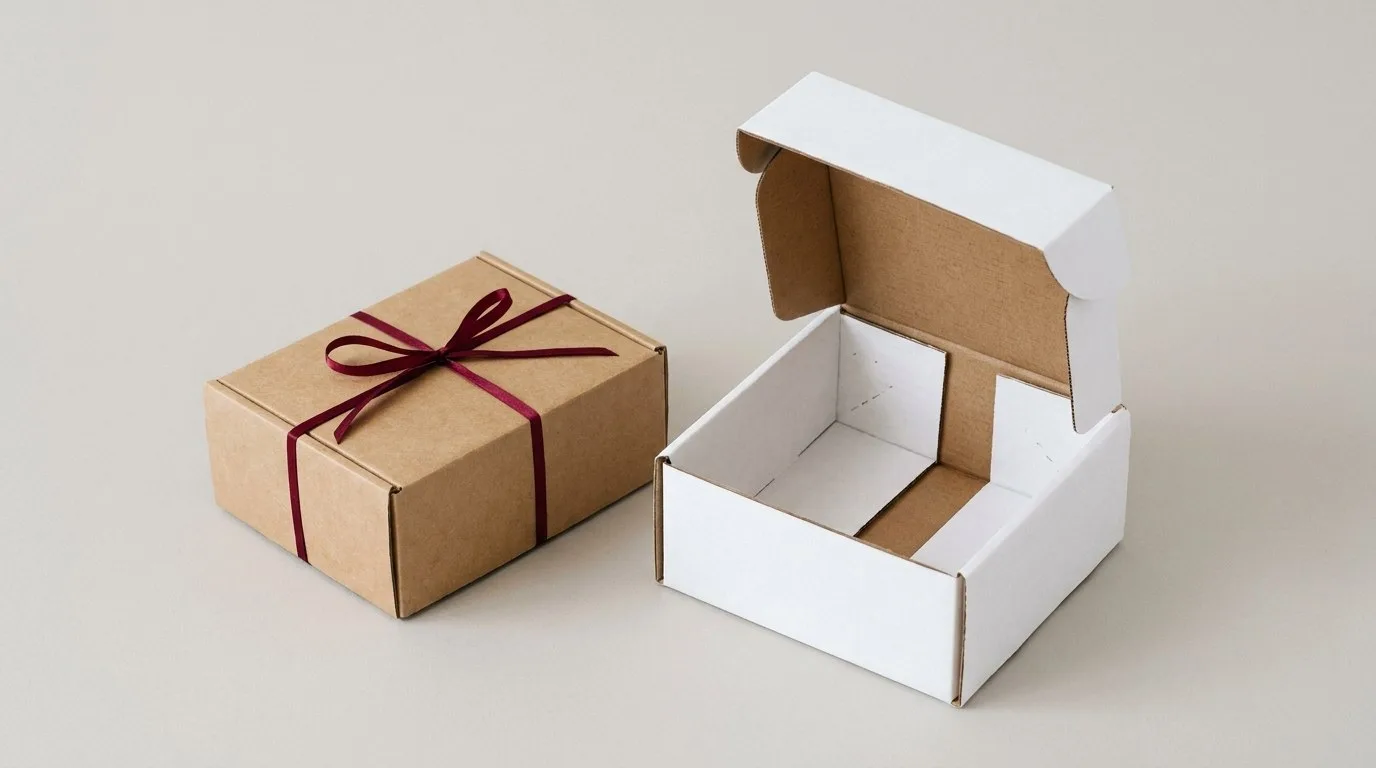
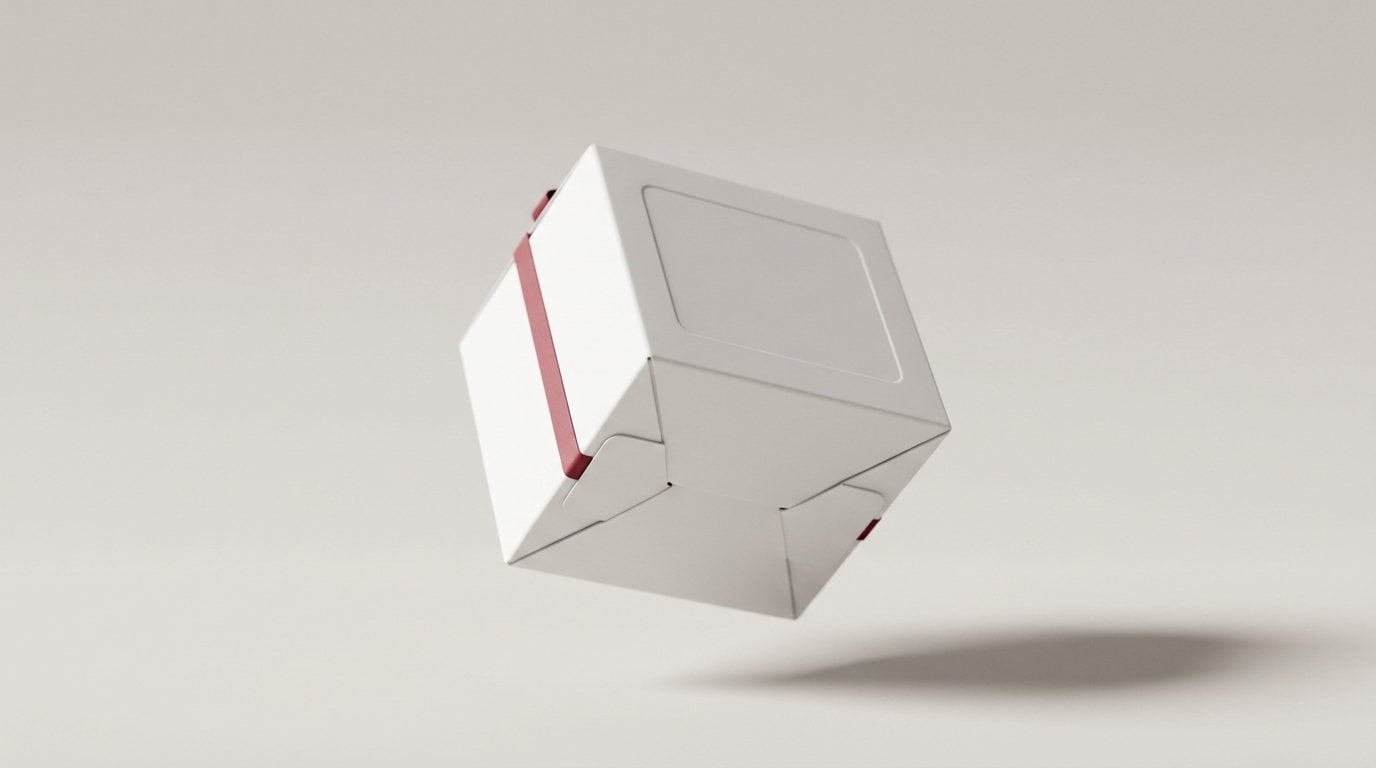


Auto bottom boxes are folding cartons with a pre-glued base that locks itself when you open the flat box, so they go from flat to filled in one motion. TBPB prints them to your size with no minimum order, and our price-beat guarantee means we work to beat a written quote for the same specs.
How the auto bottom works
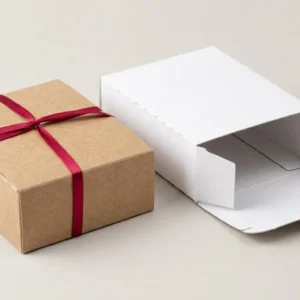
The carton ships flat with the bottom panels already glued at the factory. Pinch the sides, the base springs open and locks, and there is nothing to fold and no tape to find. The top normally closes with a tuck flap, so you fill the box, push the flap in, and move on. You will also see this style called a crash lock bottom or an auto-lock bottom carton. Because the gluing happens before the box reaches you, every carton in a run has the same square floor, which helps when several people are packing by hand.
What it carries, and where it stops
The overlapping glued panels make a firmer floor than a plain tuck bottom, so auto bottoms handle jars, bottles, supplement tubs, boxed kits and sets of small items without complaint. They are not for everything. Dense or heavy products can push the floor down at the glue seam, especially on lighter board. Tell us the filled weight and we will say plainly if you should move to thicker board or to a snap lock bottom box, which locks more positively.
Getting the size right
Measure the product length, width and height, then add roughly 1/8 inch of clearance on each side. If the fit is too snug the base can fight you when you open it, and if it is too loose the product rattles in transit. Unusual proportions, such as very tall and narrow or very wide and shallow, change how reliably the base opens, so mention them when you request a quote and we adjust the dieline.
Board, print and finish options
- Folding carton paperboard, typically 16 to 24 pt, or kraft board for an uncoated natural look
- Full CMYK print with Pantone matching for brand colors
- Matte or gloss aqueous coating, or soft-touch lamination
- Spot UV, foil stamping and embossing where the artwork supports it
- Optional die cut window covered with clear film
- Tuck top closure, with a dust flap if the product is loose or granular
Print is done flat before the box is cut and glued, so edge-to-edge artwork on the base panels is possible. Foil and embossing add setup steps, so the dieline needs to be approved before those go to press. If your artwork has a dark solid across a fold, ask us about the coating, since scuffing along creases shows most on deep colors.
When a different style is smarter
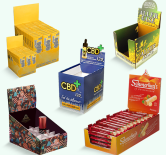
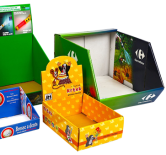
If you are hand-packing a few dozen units and never touch a fill line, the glue step buys you little and a standard tuck top box is fine. If the box has to hold a product upright and open at the top for a shelf, look at auto bottom counter display boxes. For lighter, flatter items where you want an ordinary lock without the glued base, the reverse tuck end box is the simpler carton. Auto bottoms earn their keep when packing speed matters or when a mixed crew assembles by hand.
Next step: send us your product dimensions and a quantity, even if it is one, and we draw the dieline and quote it. You see the proportions before any ink hits the board.
Frequently asked questions
What is an auto bottom box?
It is a folding carton whose bottom panels are glued at the factory. You open the flat box and the base locks into shape without folding or tape. The top usually closes with a tuck flap. Some suppliers call it a crash lock or auto-lock bottom carton.
Is an auto bottom stronger than a regular tuck box?
Usually yes for the base. The glued, overlapping floor panels carry weight better than a tuck bottom that relies on friction. It still depends on board thickness and what is inside, so tell us the product weight and we will tell you honestly if a thicker board or a snap lock bottom is the better choice.
What is the minimum order for custom auto bottom boxes?
There is no minimum order. Order one box to check the fit or ten thousand for a fill line. TBPB also applies a price-beat guarantee: bring a written quote for the same specifications from another supplier and we work to beat it.
What size should I order?
Measure your product length, width and height, then add about 1/8 inch of clearance per side. A tighter fit can make the base reluctant to open, and a looser fit lets the product rattle. Send us the measurements and we draw the dieline so you see the proportions first.
Can I add a window or special finishes?
Yes. Windows can be die cut and covered with clear film, and finishes include matte or gloss aqueous coating, soft-touch lamination, spot UV, foil stamping and embossing. Windows and heavy embellishment change how the panels fold, so we check the dieline against the auto bottom before printing.
Does the box ship flat?
Yes. That is the main reason people choose it. The carton travels and stores flat with the bottom already glued, which saves warehouse space and freight volume, then opens in a single motion at the packing table.
More Box By Style
See the full Box By Style range, or explore related options with no minimum order and our best-price guarantee: