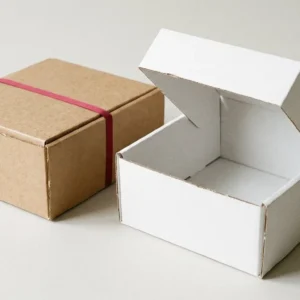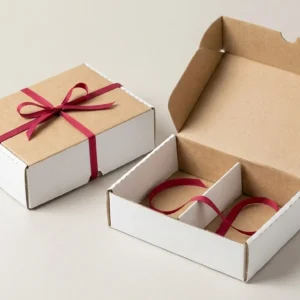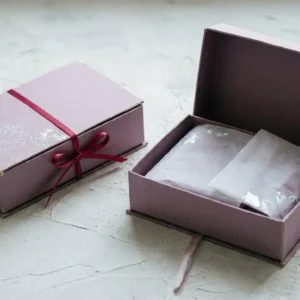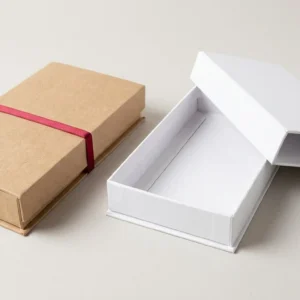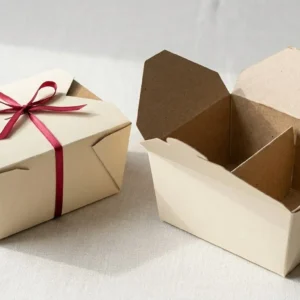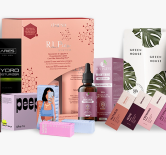
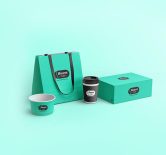
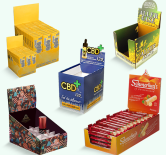

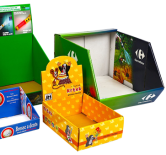
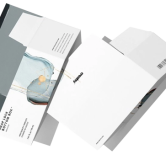
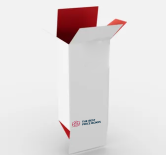
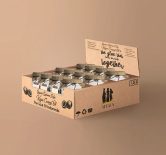
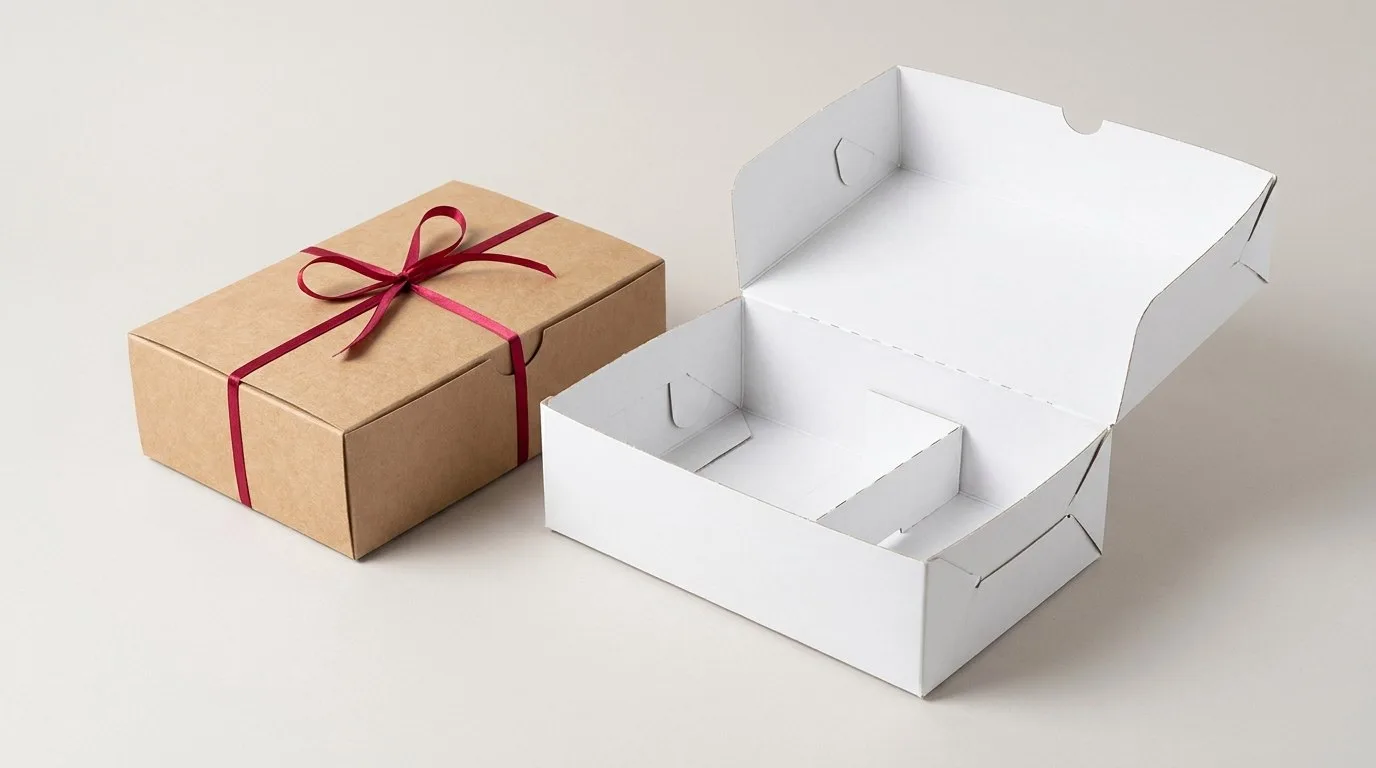


A catering box is a printed food box sized for event meals: individual boxed lunches, shared platters or sides that travel to an offsite venue. The Best Price Boxes prints them custom with no minimum order, and we beat a written quote for the same specs.
Designing around the menu, not the box
Catering has a different problem from a restaurant takeout. Food has to survive a van ride, sit in a corridor for an hour and still look appealing when someone opens it at a desk. Start with the menu. List the items that go in each box: a sandwich, a side, a cookie, a drink. Then decide whether you want one compartment or divided sections. A single wide box fits a sandwich and a bag of chips. A multi-section tray keeps wet items away from dry ones, which is the difference between a crisp salad and a soggy one.
Think about stacking too. A van load of boxed lunches is usually stacked three or four high, so the lid needs to be flat and the walls firm enough to take the weight of the boxes above.
Sizing and fit
Pack the full meal on a table and measure the footprint. Add about a quarter of an inch around the contents so lids close without crushing the food. Portion sizes vary, so test the largest meal on your menu, not the average. Most caterers settle on two sizes: one for light lunches and one for hearty plates. Having more than two sizes slows the packing line and complicates the order, so keep it simple.
Board, coatings and print
Catering boxes are usually made from paperboard or corrugated, depending on the weight of the food and how many boxes sit on top of each other. Food that is oily or wet may need a coating or a liner to prevent grease bleed, so tell us what goes in the box. Contact-material and food-safety requirements are your responsibility, and you should confirm them with your own regulatory adviser; we print the artwork you supply. Printing is CMYK or Pantone-matched, with a matte aqueous coating for a clean look. Kraft board with a one-colour logo suits a casual brand, while a full-colour wrap suits an upmarket caterer.
- Paperboard or corrugated, sized to your menu
- Insert options to keep wet and dry items apart
- CMYK or Pantone print, matte or gloss coating
- Optional window cut-out to show the food
- Ships flat, assembled on the day of the event
Labelling is the part caterers forget. When forty identical boxes arrive, someone has to know which one is vegetarian and which one has no nuts. A printed box with a blank panel, or a clear space for a sticker, saves the staff at the venue from opening every lid. Tell us if you want that space reserved on the dieline.
Hot, cold and what paper cannot do
A printed box does not insulate. If you serve hot food over a long distance, use an insulated carrier for the van and keep the box as the serving package. Cold items that sweat need a barrier. Be realistic about what a paper box does, and tell customers how long the food stays at its best. If your meals need extra structure, our food tray packaging boxes are one alternative. For simple takeout, takeout food boxes work for solo orders, and our gable boxes come with handles, which suits individual lunches.
Send the menu items and approximate sizes and the quantity, even if it is one, and we draw the dieline and quote it. With no minimum order you can print a single batch for a one-off event and then reorder when the regular contracts start.
Frequently asked questions
What are catering boxes used for?
They carry meals to offsite events, such as boxed lunches for offices, shared platters for parties and meal-prep deliveries. The box is printed with the caterer’s brand and sized to the menu, so the food arrives organised and the customer sees your name when they open it.
Do you have a minimum order for catering boxes?
No. There is no minimum order, so you can order for one event or for regular daily routes. Send the menu items, approximate sizes and the quantity, even if it is one, and we draw the dieline and quote it. The price-beat guarantee applies when you hold a written quote for the same specs.
Do catering boxes keep food hot?
No, a paper box is not insulated. Use an insulated carrier for transport and treat the box as the serving package. Cold items that sweat need a barrier or liner. Tell us what goes inside and we will help you choose the board and coating for the job.
Are catering boxes food safe?
Food-contact and labelling requirements are your responsibility, so confirm them with your own regulatory adviser before ordering. We print the artwork and copy you supply and do not make food-safety claims. If your food is oily or wet, tell us so we can suggest a coating or liner.
How do I choose the right size?
Pack the full meal on a table, measure the footprint and add about a quarter of an inch around the contents. Test your largest meal rather than the average. Most caterers settle on two sizes, one for light lunches and one for larger plates.
Can I print my logo and menu on the box?
Yes. We print your logo, colours, contact details and menu text in CMYK or Pantone, with a matte or gloss coating. Many caterers also add a short label area for the order name or dietary notes, which we can leave blank on the dieline.
More Custom Retail Packaging
See the full Custom Retail Packaging range, or explore related options with no minimum order and our best-price guarantee: