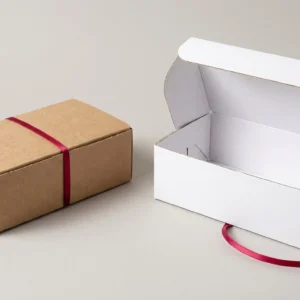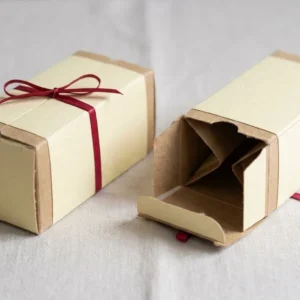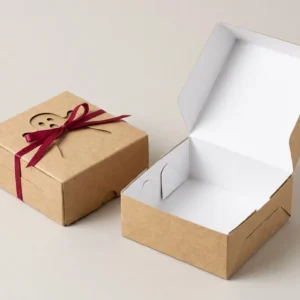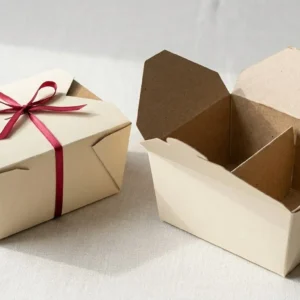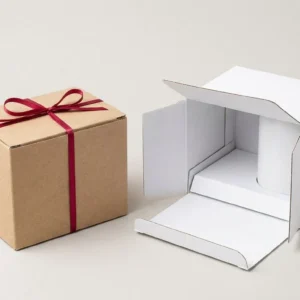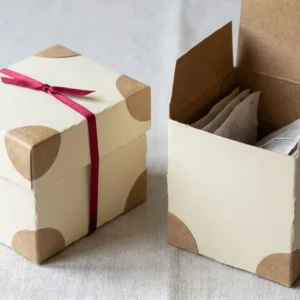




A custom phone case box is a printed folding carton sized to one case model, built to display the case on a shelf or peg and protect it from scuffs until the customer opens it. TBPB makes them with no minimum order, and our price-beat guarantee means a written quote for the same specs gets beaten.
One model, one box, and the thickness trap
Phone case boxes go wrong on thickness. Two cases for the same phone can differ by several millimeters depending on whether they are a slim clear shell, a wallet case, a rugged dual-layer or a case with a kickstand. A box cut for the thinnest one will crush the thick one. Measure the case you actually sell, flat on a table: length, width and the thickest point, including raised camera surrounds and any stand. Add about one eighth of an inch per side for clearance. If your range has several cases for one phone, say so, and we can group them under a shared box size with an insert to take up the difference.
Pick the style by how it sells
How the box is displayed should decide its structure. For a pegboard in a shop, a hang tab box carries a punched tab that slides onto a hook. For a shelf, counter or online fulfilment, a tuck-top box is simple and quick to pack. A window in the front panel lets buyers see the case design, which matters for printed or patterned cases, and a clear window patch protects the case surface. For light accessories sold by the card, header card packaging is a lower-profile option, though it gives the case less protection from crushing.
Board and print
Most phone case boxes use folding carton paperboard in the 16 to 24 pt range, with a heavier stock for hang-tab boxes so the tab does not tear under the weight of the case. Print in CMYK or Pantone for brand colors, and choose the finish by the look of the case. Matte coating suits minimalist brands, gloss pushes graphic cases, and soft-touch gives a premium handle that fits higher-end cases. Spot UV on a logo or a phone outline adds a layer of depth, and foil highlights a brand mark. Print the compatible phone model clearly on the front or the end flap, since shoppers search by model.
A practical point about protection: most cases do not break in a box, they scratch. Glossy and clear cases pick up rub marks from a tight tuck or a card insert with a rough edge. If your case has a glossy back, ask for a smooth inner liner or a thin paperboard cradle so the surface touches only soft contact points. A cradle also keeps the case centered, which helps the front window line up with the printed design.
- Sized per case model, with thickness allowance for camera bumps and stands
- Tuck-top, window and hang-tab styles
- Paperboard 16 to 24 pt, heavier board for hang tabs
- CMYK and Pantone printing, matte, gloss or soft-touch coating
- Spot UV, foil and a printed model name panel
When to pick another route
If you only ship cases ecommerce, a printed box may not be needed at all, and a branded mailer is the better spend. Tell us your sales channel and we will point you to the leaner option. Browse the custom retail packaging range for other formats.
Next step: send the case dimensions at the thickest point, the phone model and your quantity, even if it is one, and TBPB draws the dieline and quotes it.
Frequently asked questions
What is the minimum order for custom phone case boxes?
There is no minimum order. Order one box for a prototype or ten thousand across a range of models. The price-beat guarantee applies to every order size: bring a written quote for the same specs and TBPB beats it.
How do I measure a phone case for a box?
Lay the case flat and measure length, width and the thickest point, including raised camera surrounds, kickstands and card pockets. Add about one eighth of an inch per side for clearance. Send those numbers and TBPB draws the dieline for you to approve.
Which box style is best for hanging on a pegboard?
A hang tab box has a punched tab at the top that slides onto a hook, so it is the standard choice for pegboard displays. Heavier board keeps the tab from tearing under the weight of a rugged case. A tuck-top box is better for shelves.
Can the box have a window to show the case?
Yes. A front window shows printed or patterned cases and covers with a clear film patch to protect the surface. If your case relies on its color, a window helps shoppers choose without opening the box. Plain black cases often sell fine with a closed box.
Can one box fit several phone models?
Not reliably. Phone sizes and camera layouts differ too much, and a loose fit invites scuffs. If your range is small, you can use one standard size per model group with an insert. Send the case dimensions and TBPB will recommend a grouping.
Should I print the compatible model on the box?
Yes. Shoppers look for their model name first, so print it clearly on the front or end flap. If several models share one box size, a model panel or sticker lets you reuse the same carton across the range.
More Custom Retail Packaging
See the full Custom Retail Packaging range, or explore related options with no minimum order and our best-price guarantee: