


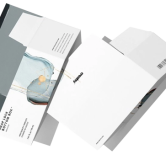
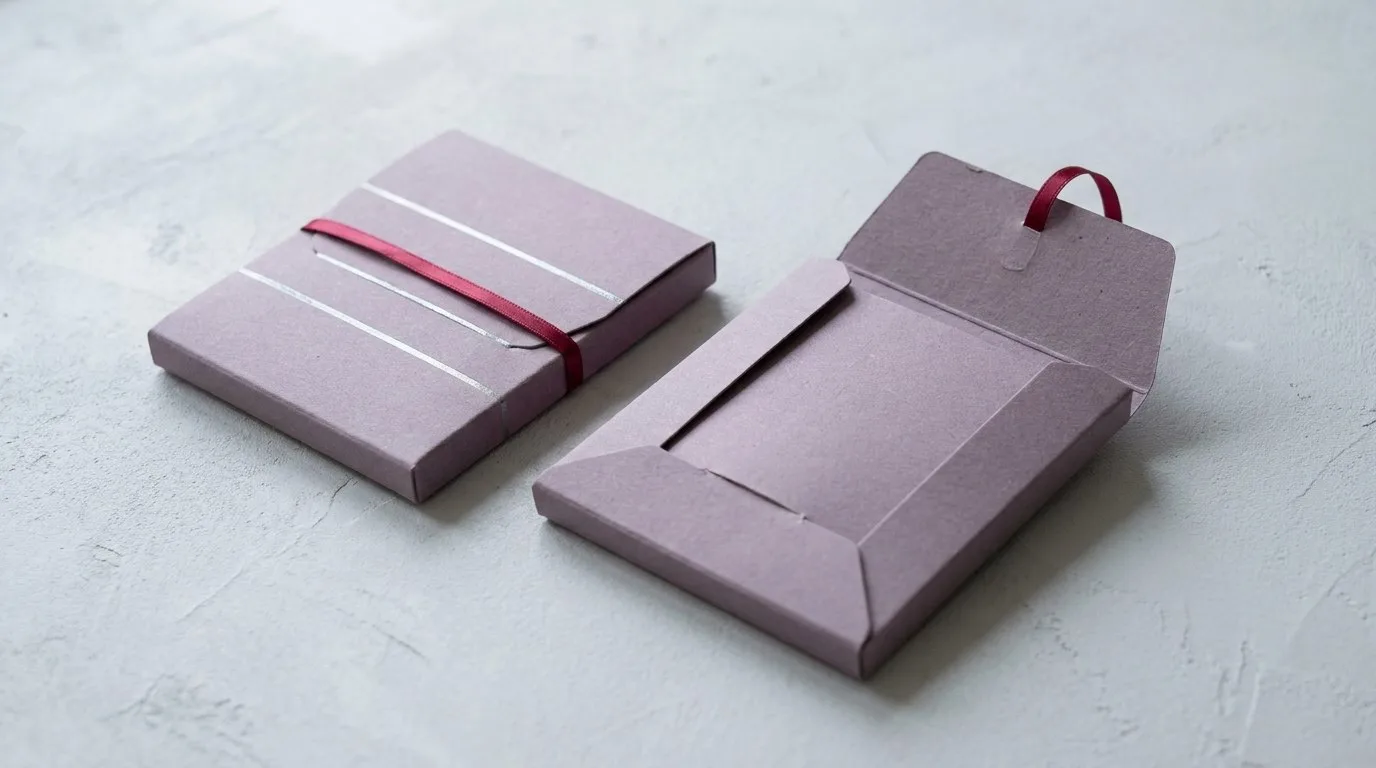


An apparel sleeve is a printed paperboard band that wraps around a folded garment, such as a t-shirt, socks, underwear or a scarf, and carries the brand, size and barcode. TBPB prints apparel sleeves to your folded dimensions with no minimum order, and we beat any written quote for the same specs.
Why brands use a sleeve instead of a box
A sleeve is the lightest way to present a folded garment. There is no lid, no base and no extra volume, so shipping and shelf space barely change. The customer still sees and feels the fabric, which a closed box prevents. That matters for apparel, where touch sells the product. A sleeve also lets you reuse the same garment fold across sizes by changing only the size panel or a printed sticker.
The trade-off is protection. A sleeve holds the fold and carries information, but it does not guard against crushing, moisture or dust. If the garment ships loose in a carton, put it in a poly bag or a mailer first. Treat the sleeve as the retail presentation, not the shipping package.
Getting the dimensions right
Fold the garment exactly the way it will sit, flat, on a table, and measure the folded length and width plus its thickness. A sleeve wraps around the thickness, so its inner circumference equals roughly twice the width plus twice the thickness, and then some. A sleeve cut too tight buckles the fabric, and one cut too loose slides off in handling. We add a small allowance for the glued overlap and for fabric compression, but it is your fold that decides the final number. A thick hoodie needs more depth than a thin tee, so keep the garment weight consistent within a size range.
Board and finish
Apparel sleeves usually run on 16 to 24 pt paperboard or a lighter SBS stock, since the sleeve does not carry weight. Kraft board suits natural fabrics and eco-minded brands. A smooth coated board photographs better for online listings. For a more tactile feel, a matte or soft-touch laminate suits premium basics.
- Fully printed outside, with an optional printed inside
- Gloss, matte or soft-touch lamination, or uncoated kraft
- Spot UV, foil and embossing on logos
- Die-cut windows that show a fabric swatch or pattern
- Barcode and size panels on one end, printed in the dieline
When to choose something else
If the garment needs a shelf-standing presentation, a printed belly band is a narrower option for socks and small items. For peg retail, try a header card. If the garment ships as a gift, a structured box like our cap boxes protects a shaped item better than a sleeve. For plastic-free retail bags, see the t-shirt bags. The wider custom retail packaging range lists more structures.
If you sell the same item in many sizes, print the sleeve once and add size information on a sticker or a removable label. That keeps the design stable and avoids reordering a whole print run for every size change.
Artwork tip: the sleeve is seen mostly on the front and on one edge when garments are stacked on a shelf, so put the logo on the front and repeat a short mark on the edge. Size should be readable from the stacked side without lifting the pile. Also remember the glue seam, which usually sits at the back or on a side panel. Keep the seam away from the logo and the barcode, since it adds a slight ridge that can distort scanning.
Next step: send the folded garment dimensions and your quantity, even if it is one, and we will draw the dieline and quote it.
Frequently asked questions
What is an apparel sleeve?
It is a printed paperboard band that wraps around a folded garment, carrying the logo, size, and barcode. It presents the item without a full box, so the fabric stays visible. TBPB makes sleeves to your folded dimensions.
Is there a minimum order for apparel sleeves?
No. TBPB has no minimum order, so you can order one sleeve to test the fit or thousands for a full range. We beat any written quote for the same specs.
How do I measure for a garment sleeve?
Fold the garment the way you will pack it and measure folded length, width and thickness. The sleeve wraps around the width and thickness with an allowance for the glue overlap. Send the folded size and we draw the dieline.
Does the sleeve protect the garment in shipping?
No. A sleeve holds the fold and shows the brand, but it does not guard against crushing or moisture. Put the garment in a poly bag or a mailer for shipping, then use the sleeve for retail presentation.
What material is best for an apparel sleeve?
Around 16 to 24 pt paperboard works for most. Use kraft board for natural fabrics, coated board for sharper color, and soft-touch lamination for premium basics. Ask for a sample if the feel matters.
Can one sleeve fit different sizes?
Within a range, yes. A sleeve is sized to the folded garment, so a small and a large may need different lengths. Keep the fold consistent and use a size sticker, and one sleeve can cover a few sizes.
More Custom Retail Packaging
See the full Custom Retail Packaging range, or explore related options with no minimum order and our best-price guarantee: