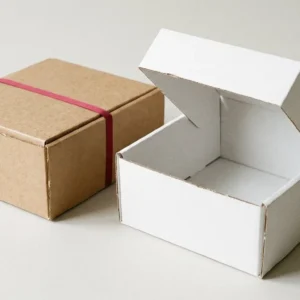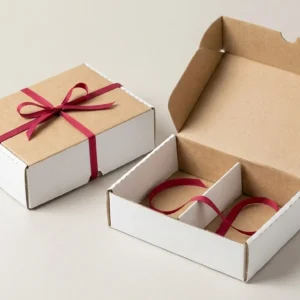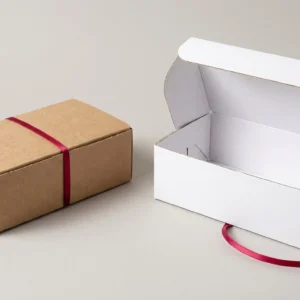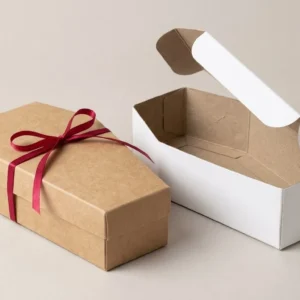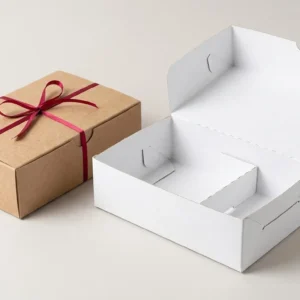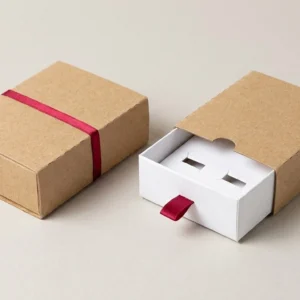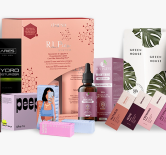
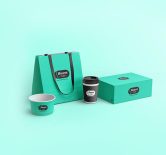


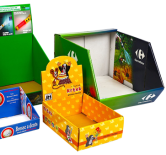
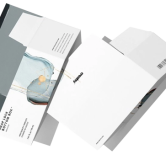
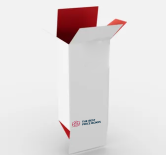
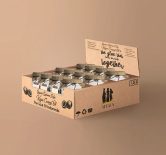
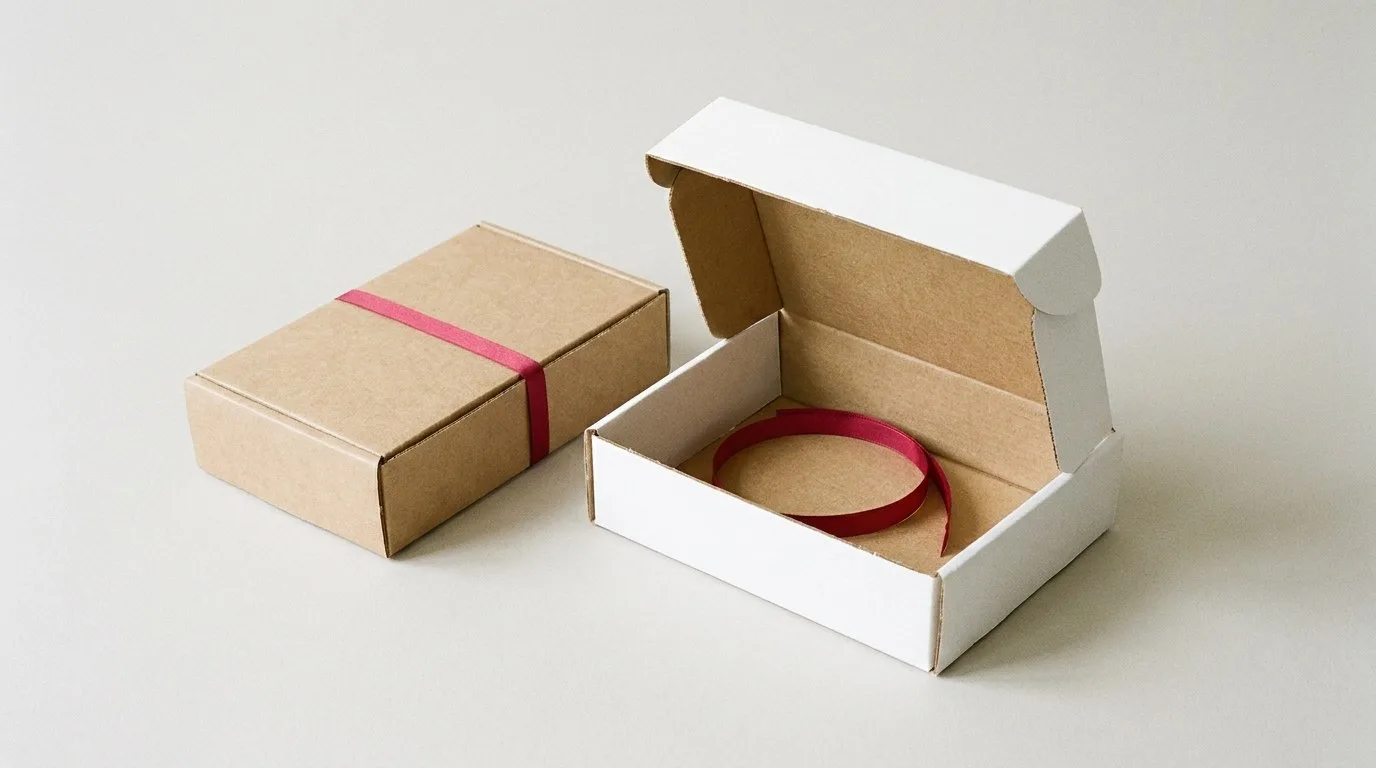


Custom textile packaging is a printed carton, sleeve or band built around the exact fold size of a garment, towel, scarf or bolt of fabric so it arrives flat, clean and ready to display. TBPB makes it to your dimensions with no minimum order, and if you bring a written quote for the same specs, we beat it.
Soft goods need a different kind of box
A glassware box has to resist crushing. A textile box mostly has to resist dust, finger marks and the slow creep of creases. Fabric is forgiving until it sits folded in a bad fit for three weeks, so the first job is a carton that matches the folded stack closely enough that nothing shifts, without compressing the fibres. A loose box lets a folded sweater unfold itself in transit. A tight one leaves permanent crease lines across the chest.
Getting the fold size right before the box size
Fold the product the way the customer will see it, then measure that stack: length, width and thickness. For a folding carton, add roughly 1/8 inch of clearance per side, a little more for bulky knits that spring back. Thick items like towels or quilted throws need extra depth, because the thickness grows once the lid goes on. Always measure the folded product at rest, not squeezed flat on a table. If you sell the same item in several sizes, send the largest and smallest folded dimensions and we can tell you whether one carton with a printed size panel will cover the range or whether it needs separate dielines.
Carton, sleeve or band
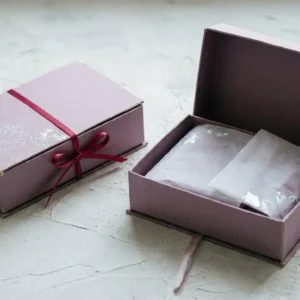
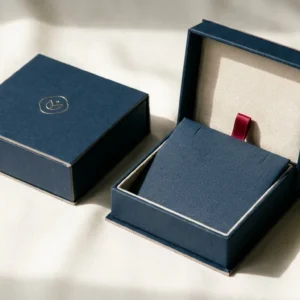
A full carton, such as a tuck top box, protects best and stacks cleanly on a retail shelf. A printed sleeve slides over a folded item and shows the fabric through an open side, which suits scarves and napkin sets where touch and colour sell the product. A belly band is the lightest option: one strip of printed board holding the fold together, good for bundles and wholesale sets. If the textile product is a gift, an apparel gift box usually presents better than a plain carton. For direct-to-customer orders, a corrugated shipper like our mailer boxes handles the postal journey that a thin folding carton will not.
Board and print
Folding cartons for textiles are typically made from paperboard in the 16 to 24 pt range, or a 350 gsm class SBS board, which prints sharp and folds without cracking. Kraft board gives a natural, uncoated look that suits linen and cotton brands. Print can be CMYK or Pantone-matched, with a matte or gloss aqueous coating, soft-touch lamination, or foil on a logo if the brand calls for it. One practical warning: dark solid colours on matte laminate show scuffs quickly in warehouse handling, so a light texture or a spot varnish pattern hides wear better.
- Folding cartons, sleeves and belly bands cut to your folded size
- CMYK or Pantone colour matching, inside and outside print
- Matte, gloss or soft-touch finish, with optional foil or embossing
- Paperboard, kraft or corrugated depending on shipping needs
- Single-piece samples and full runs, no minimum order
When a carton is the wrong choice
If the item must breathe for long storage, such as natural wool or untreated linen, skip any plastic window film and any sealed liner; a paper-only carton with a few small vent cut-outs is safer. If the pieces are heavy or expensive, a plain folding carton alone will not protect them in the post, and you should pair it with an outer shipper. Browse the wider custom retail packaging range if your product sits between categories.
To get a quote, send the folded dimensions and the quantity, even if it is a single box. We draw the dieline, send you the proof, and price it against any written quote you already hold.
Frequently asked questions
Is there a minimum order for custom textile packaging?
No. TBPB has no minimum order, so you can order one sample carton or ten thousand. Many brands start with a single box to test the fit on a folded garment before committing to a full run.
How do I size a box for folded clothing?
Fold the item as the customer will see it, then measure length, width and thickness. Add about 1/8 inch of clearance per side. Bulky knits and towels need a little more depth because they spring back after the lid closes.
What is the difference between a sleeve and a carton?
A sleeve is an open-ended wrap of printed board that slides over a folded item, so the fabric stays visible. A carton fully encloses it. Sleeves cost less material and suit scarves; cartons protect better.
Can the packaging be used for shipping?
A folding carton alone is designed for shelf display and light handling. For parcel shipping, pair it with a corrugated mailer or ship the printed carton inside a plain outer box so corners and print are not crushed.
Which finish suits natural fabrics like linen or cotton?
Uncoated kraft or an uncoated white board with a light matte aqueous coating feels natural and avoids the plastic look. Soft-touch lamination looks richer but is better for fashion and gift sets than eco-minded linen brands.
Does TBPB guarantee the best price?
Yes. If you bring a written quote for the same specifications, TBPB will beat it. Send the dimensions, board and quantity from the other quote so we can compare like for like.
More Custom Retail Packaging
See the full Custom Retail Packaging range, or explore related options with no minimum order and our best-price guarantee: