
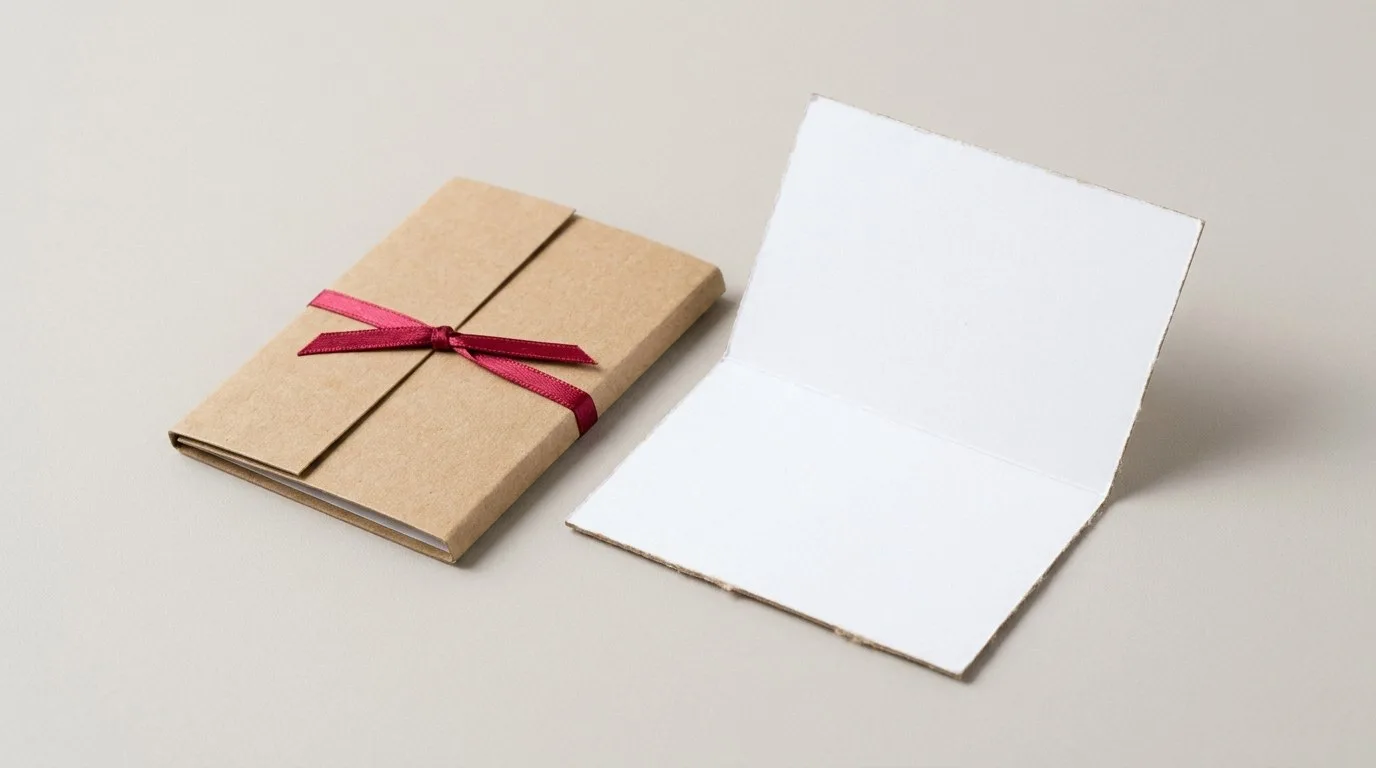


A custom business card is a small printed card, in the US usually 3.5 by 2 inches, made on thick stock with your contact details, logo and finish of choice. TBPB prints business cards with no minimum order, so one person can order a few cards or a team can order for everyone, and we beat any written quote you bring for the same specs.
What people feel before they read
The first thing a recipient notices about a card is weight and surface. Thin stock feels disposable. A thick card with a clean edge, handed over in a meeting, gets looked at twice. That is why stock choice matters more than most design decisions, and why cheap, flimsy cards waste a good logo.
Heavier stocks are measured in pounds or points of thickness. Anything described as thick or layered is made from two or more sheets bonded together and has a distinct edge you can feel. Single-sheet cards in a firm weight suit most professionals, and layered cards suit brands that want the card to be remembered.
Finish options and what each one does
Matte coating looks clean, writes well and shows fewer fingerprints. Gloss makes photographs and strong colors pop but takes ink poorly if someone wants to jot a note on the back. Soft-touch lamination gives a velvet feel that people often comment on, though the surface can mark with heavy handling. Spot gloss adds shine to a logo or a line of text on a matte card. Foil stamping and embossing raise the logo or add metallic detail, and work best with simple artwork, since fine type can fill in.
Rounded corners soften the look and make cards less likely to fray in a wallet. Custom sizes, such as square or slim cards, are easy to spot in a stack but may not fit standard card holders, so decide whether being noticed outweighs being filed.
Prepare your artwork
Keep text away from the trim edge, since cards are cut after printing and a small shift can crop letters. Fine type below about 6 point gets hard to read on foil or on dark backgrounds. If you print both sides, think about which side carries the contact details and which carries the brand. Put the details on the side that stays uncoated if you want people to write on it.
Ordering is simpler when you decide the batch before the design. A solo consultant might want a small run in a premium finish, while a sales team with a rotating roster is better off with a plainer card that can be reordered often. Because there is no minimum order, you can print a first set, check how it reads in the hand, and then change the finish or the wording on the next run without wasting a stack.
- Sizes: standard 3.5 by 2 inches and custom sizes
- Sides: single or double sided
- Stock: heavy card stock, thick and layered options
- Finishes: matte, gloss, soft-touch, spot gloss, foil, embossing, rounded corners
Packaging that goes with your cards
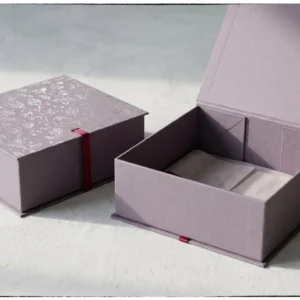
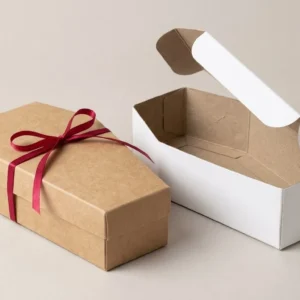
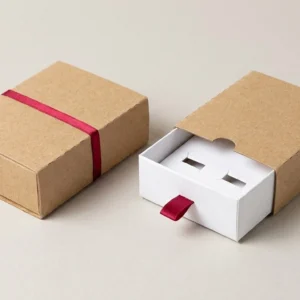
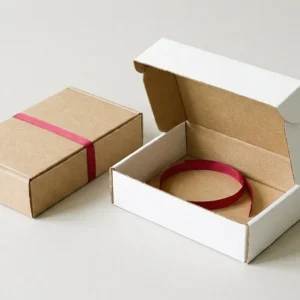
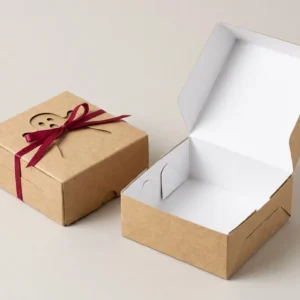
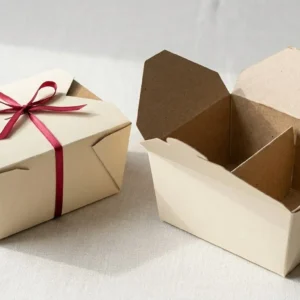
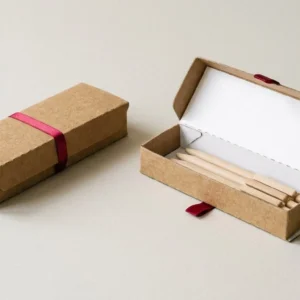
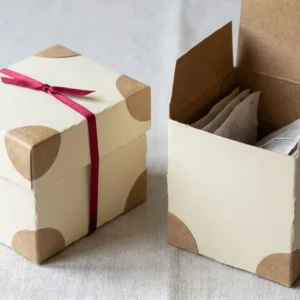
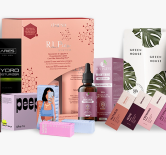
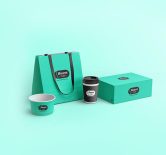
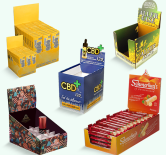
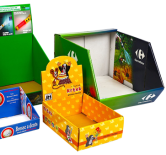
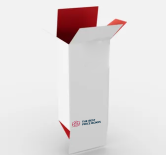
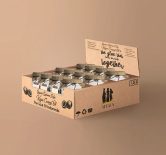
Businesses that hand out kits often pair cards with branded packaging. Promotion packaging suits giveaway sets, while header card packaging works for products that need a printed card on a hook. A small tuck top box can also hold a stack of cards for a launch gift. See more in custom retail packaging.
Send your design, the finish you want and the quantity, even if it is a single set. We check the file, confirm the stock and quote it.
Frequently asked questions
Is there a minimum order for custom business cards?
No. There is no minimum order. A freelancer can order a small set and a company can order for a whole team. Send your design and quantity and we quote it.
What size are standard business cards?
The standard US business card is 3.5 by 2 inches. We also print custom sizes, such as square or slim cards, but those may not fit standard card holders or wallet slots.
Which finish should I choose for business cards?
Matte is clean and easy to write on. Gloss makes color pop. Soft-touch gives a velvet feel, and foil or embossing suits simple logos. Choose one or two finishes rather than layering many.
What is a thick or layered business card?
A layered card bonds two or more sheets of stock together, giving a thicker card with a visible edge. It feels substantial in the hand. Single-sheet heavy stock is the simpler choice for most professionals.
How should I prepare my artwork?
Keep text away from the trim edge, avoid very small type on foil or dark backgrounds, and decide which side carries contact details. Send your file and we check it before printing.
How do I get a quote for business cards?
Send your design, finish, size and quantity. We confirm the stock and quote it, and TBPB beats any written quote you bring for the same specs.
More Custom Retail Packaging
See the full Custom Retail Packaging range, or explore related options with no minimum order and our best-price guarantee: