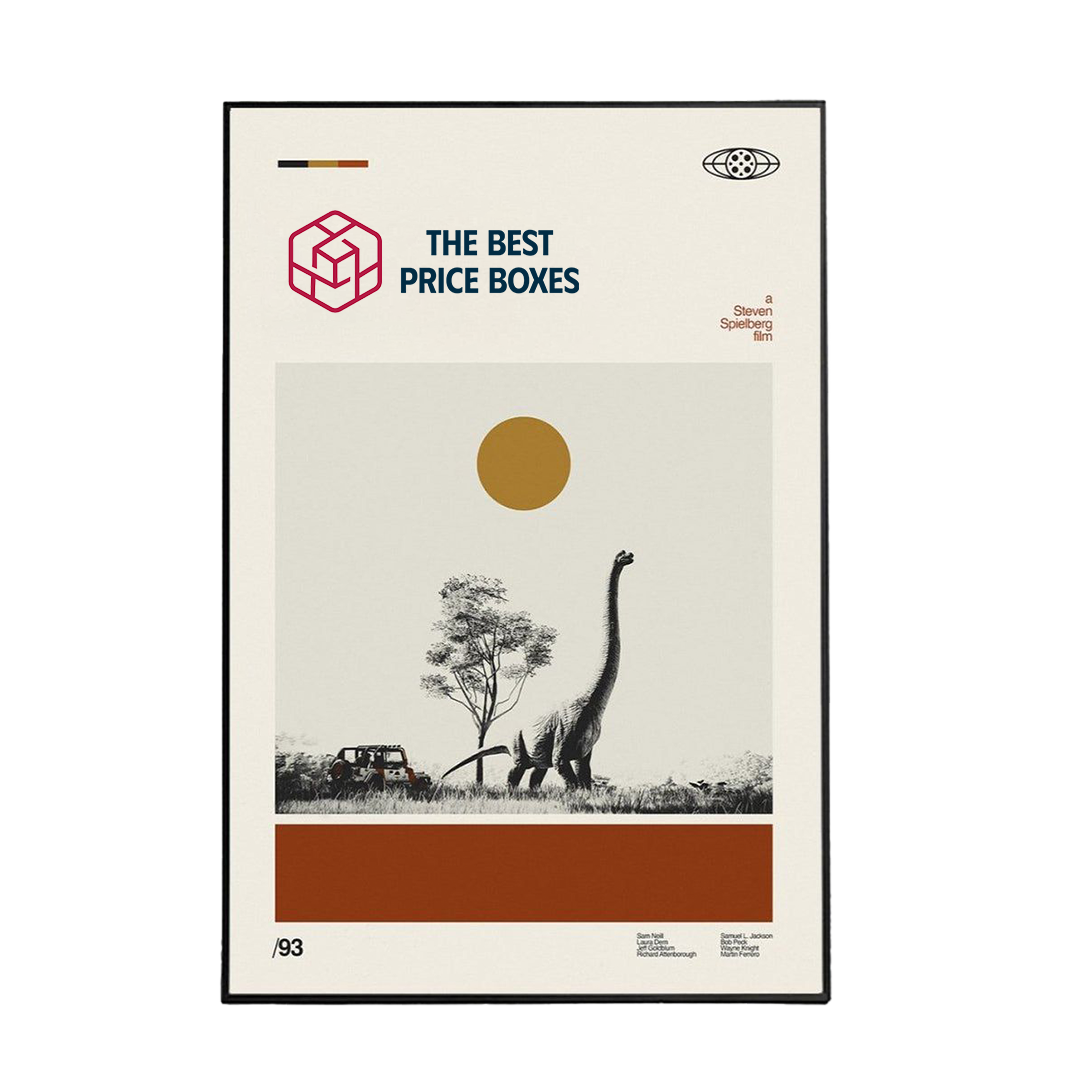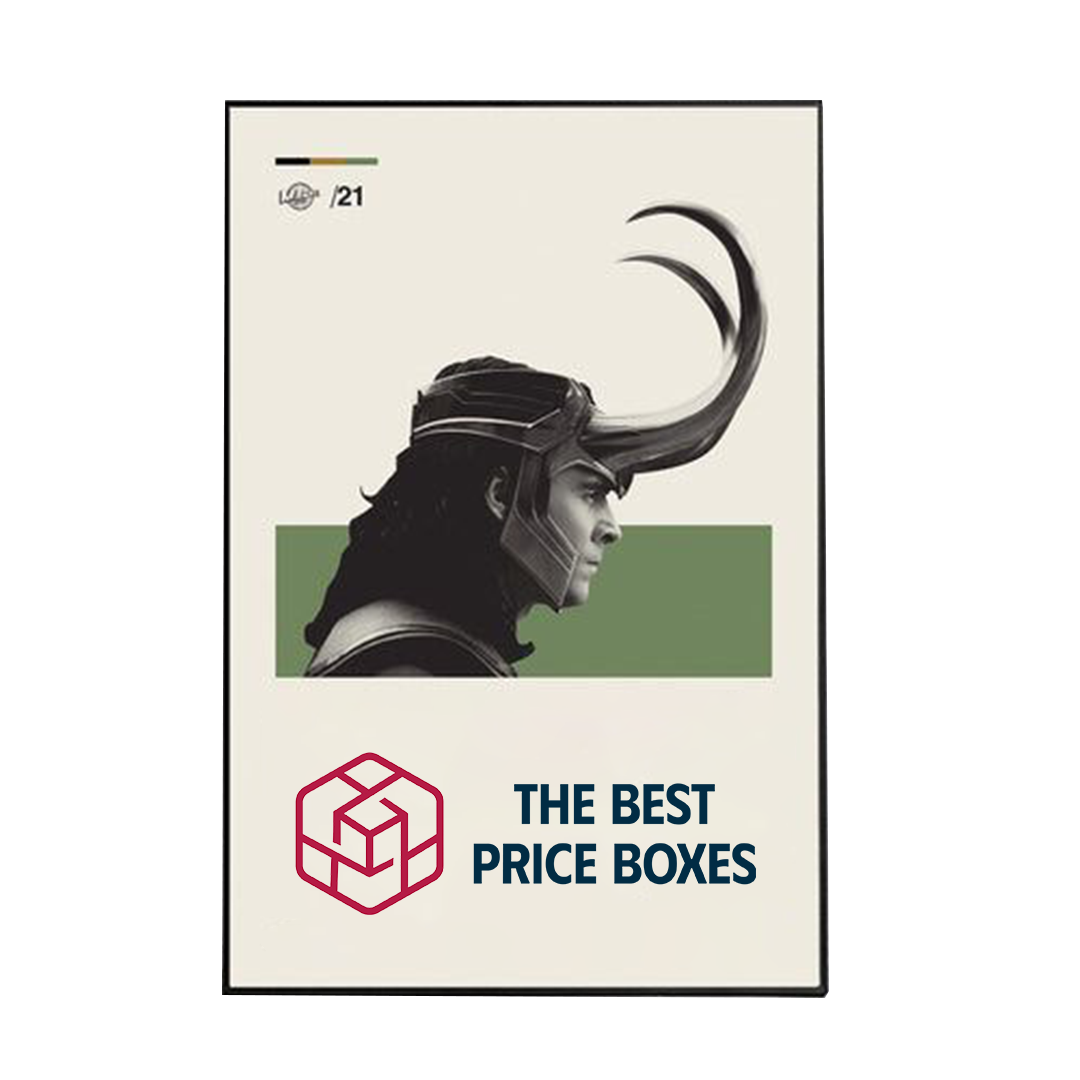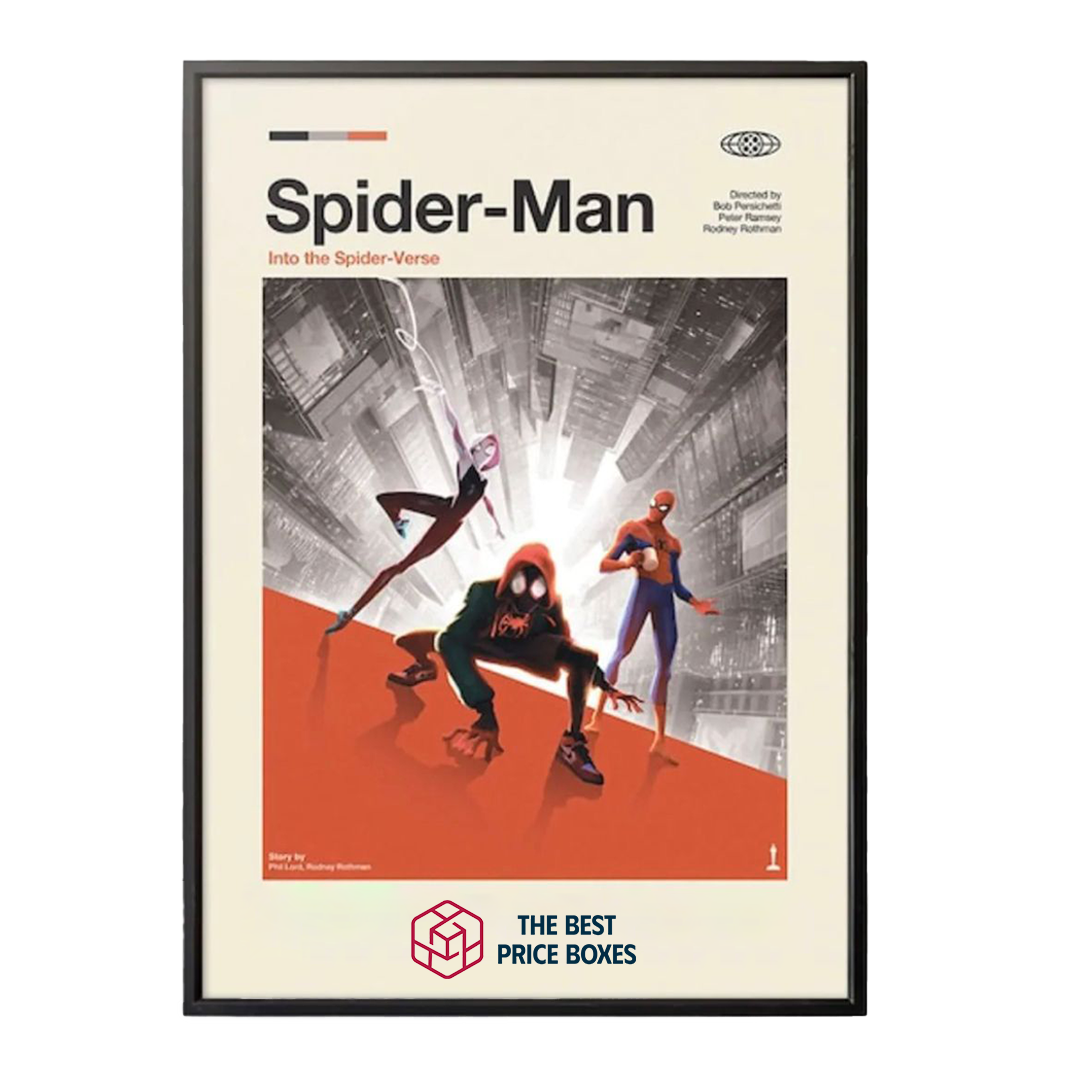



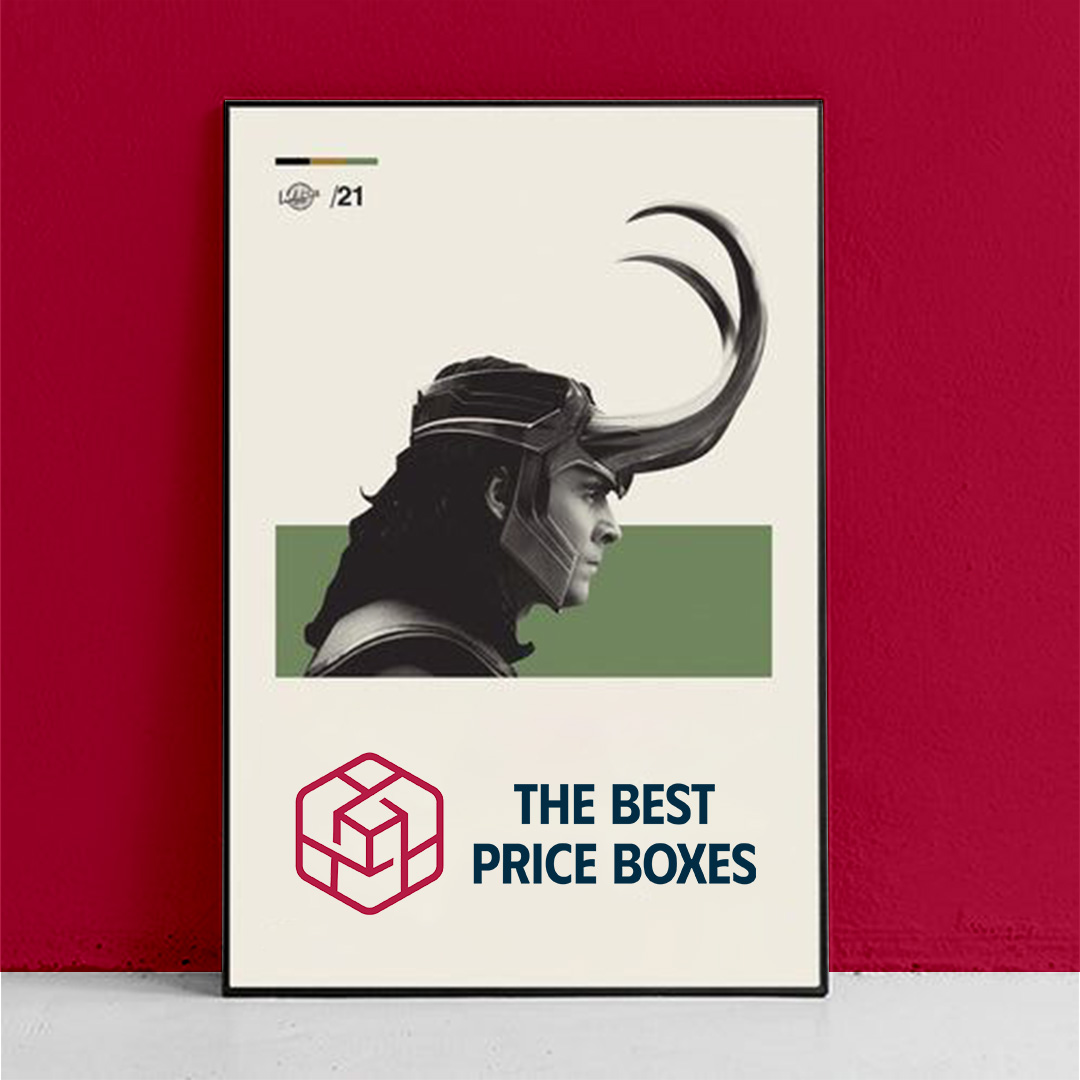
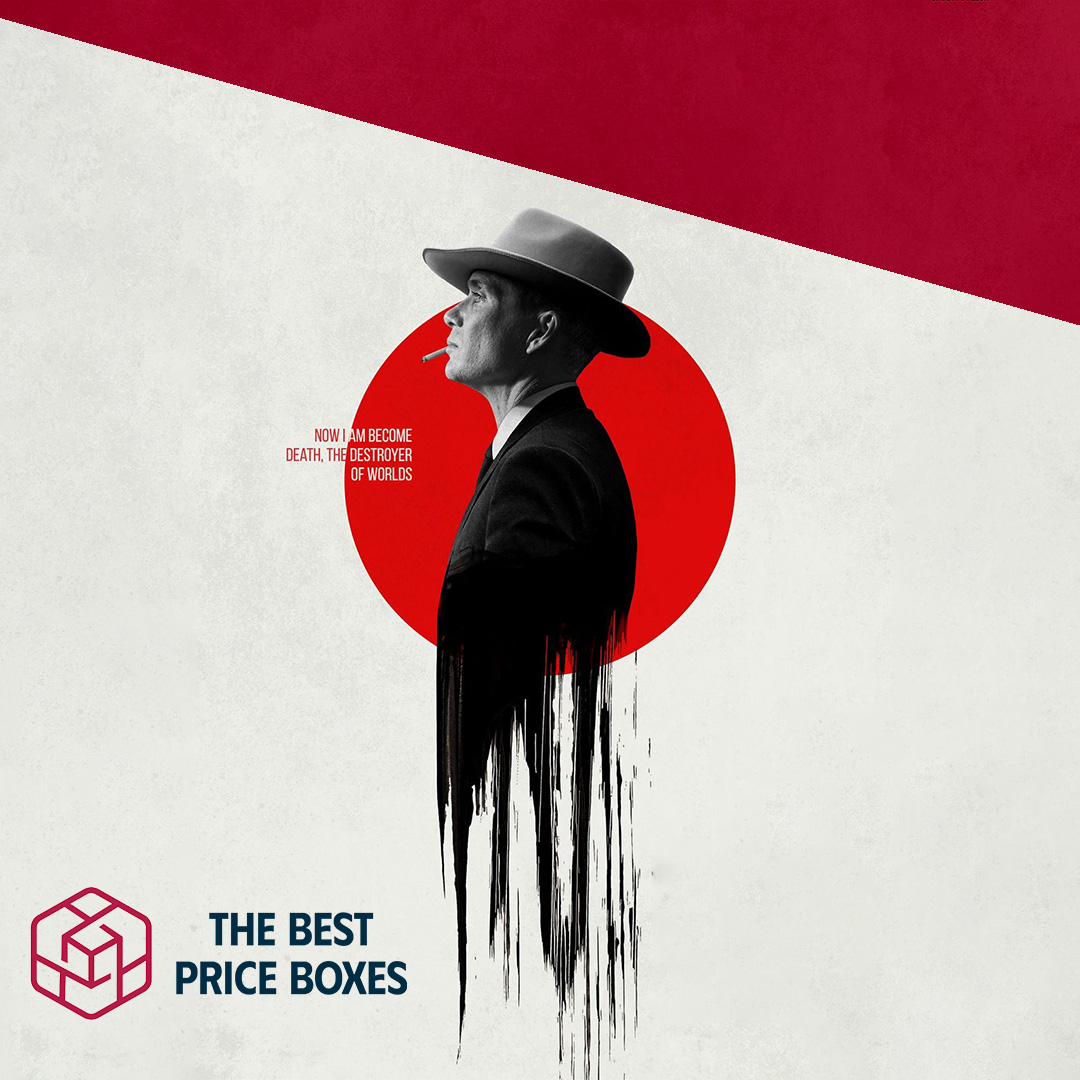
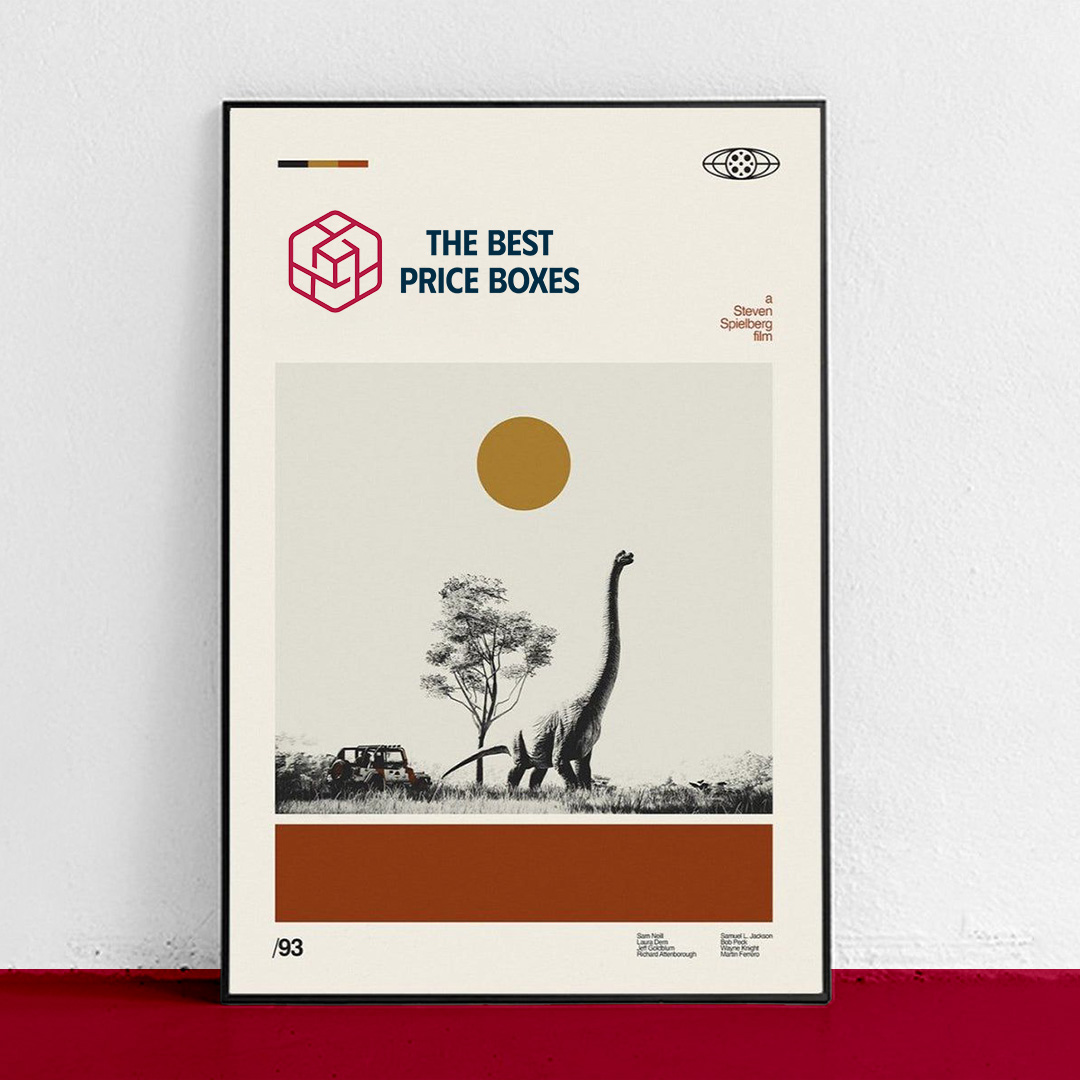
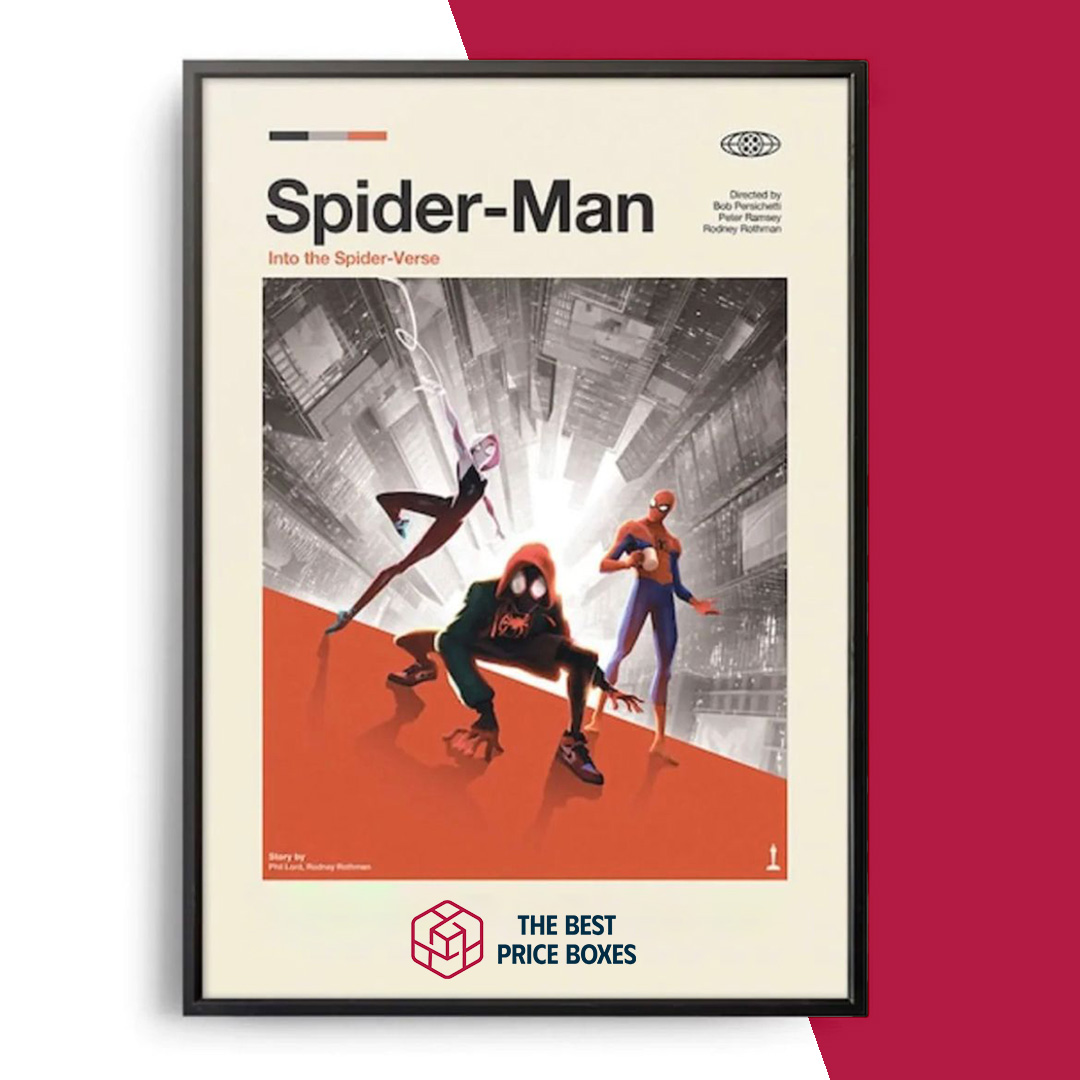


Custom movie posters are large-format prints of your own key art, made for screenings, festival tables, lobbies, shop windows and collectors. TBPB prints them with no minimum order, and our price-beat guarantee means a written quote for the same specs gets beaten.
Pick the size before you finish the artwork
Most poster problems start with artwork built at the wrong proportions. The US theatrical one-sheet is 27 by 40 inches. Other common sizes are 24 by 36 for general wall posters, 11 by 17 for small displays and handouts, and 18 by 24 for cafes and shop counters. Each has a different aspect ratio, so a design made for 24 by 36 will crop or leave margins when stretched to 27 by 40. Choose the size first, then build the file to it with about an eighth of an inch of bleed on every edge so trimming never leaves a white sliver.
Resolution, color and why screens lie
A poster that looks sharp on a phone can look muddy at 27 by 40 inches. Aim for 150 dots per inch at final size for images viewed from a few feet away, and more for fine text. Photos pulled from social media rarely have enough pixels. Color is the other trap. A glowing screen shows colors that ink cannot reproduce, especially neon greens and electric blues, so expect saturated shades to print slightly calmer. Convert to CMYK early and look at the shift while you can still adjust, or ask for a proof before a larger run.
Paper and finish
Posters are usually printed on text-weight paper in the 80 to 100 lb range, or on a heavier cover stock when you want a stiffer sheet. Gloss pushes color and contrast and suits dark, cinematic art. Matte or satin cuts glare under bright lobby lights and feels more like a collectible print. If posters will be handled at a table or ride in a bag, a lamination layer protects against creases and fingerprints, but it adds stiffness that makes the sheet harder to roll. Tell us how the poster will be used and which stock you prefer, and we will confirm what is available when we quote.
One honest caution on uses. If the posters will hang outdoors, in a window facing the sun, or in a damp room, ordinary paper will curl and fade, and you should say so up front so the right stock is quoted. For a screening or an event table that runs a weekend, standard paper is fine. For a film that people will frame and keep, spend your effort on resolution and a clean matte finish instead of heavy coatings.
- Standard sizes including 27 x 40, 24 x 36, 18 x 24 and 11 x 17 inches, or a custom size
- Gloss, satin or matte paper
- Optional lamination for handled posters
- Full-color CMYK printing with a proof available on request
- One poster up to large runs
Shipping posters without ruining them
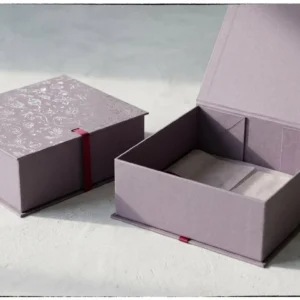
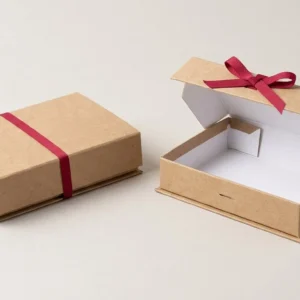
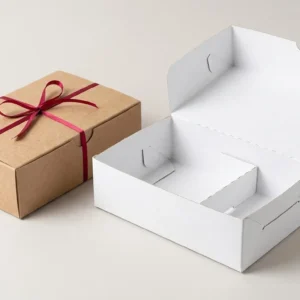
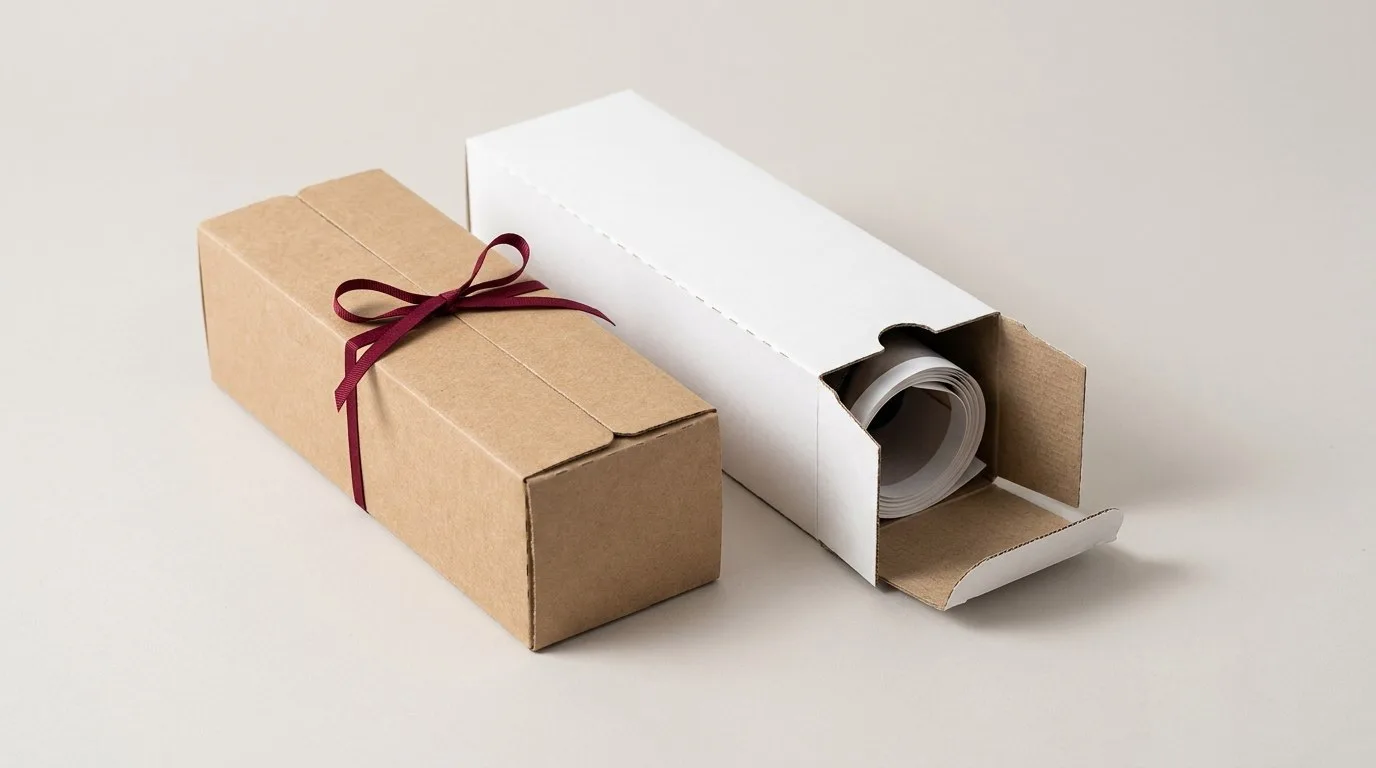
A flat poster arriving with a crease is a dead poster. Rolled posters ship well in a rigid tube, while flat posters need a sturdy flat carrier. A custom mailer box keeps larger flat prints from bending in transit, and an ecommerce box sized to the folded or flat sheet works for multi-poster orders. If you also sell merch or collector packs, browse the custom retail packaging range for boxes that go with the posters.
Next step: send your artwork file, the size you need and the quantity, even if it is one poster, and TBPB quotes it and tells you if the resolution needs fixing before print.
Frequently asked questions
What is the minimum order for custom movie posters?
There is no minimum order. You can print one poster for a single screening or a thousand for a festival run. The price-beat guarantee applies at every quantity: bring a written quote for the same specs and TBPB beats it.
What size is a standard movie poster?
The standard US theatrical one-sheet is 27 by 40 inches. Many printers also offer 24 by 36 and 18 by 24, and 11 by 17 for small handouts. Pick the size before you finish the artwork so the proportions and bleed are right.
What resolution do I need for a movie poster?
Aim for about 150 dots per inch at the final print size, higher for fine text and logos. A 27 by 40 inch poster at that resolution needs roughly 4,050 by 6,000 pixels. Low-resolution images from social media usually print soft and blurry.
Should I choose gloss or matte for a movie poster?
Gloss gives deeper blacks and stronger color, which suits dark cinematic art. Matte and satin reduce glare under bright lobby lights and look closer to a collectible print. Tell us where the poster will hang and we can recommend a finish.
How do I ship posters without creasing them?
Roll them into a rigid tube, or send them flat in a sturdy mailer box sized to the sheet with board support. Never fold a poster to fit a smaller box. TBPB can make a flat mailer sized to your poster dimensions.
Can you print a proof before the full run?
Yes, you can ask for a proof before a larger run. A proof matters most for posters with saturated neons or dark gradients, because screens show colors that ink cannot reproduce exactly, and checking one sheet saves a costly reprint.
More Custom Retail Packaging
See the full Custom Retail Packaging range, or explore related options with no minimum order and our best-price guarantee: