




Custom durable boxes are corrugated cartons built for heavy, valuable or awkward products, where a failed box means a damaged order and a refund. TBPB makes them to your exact dimensions with no minimum order, and we beat any written quote for the same specs.
Where the strength comes from
People assume a thick box is a strong box. It is not that simple. Strength comes from three things working together: the flute profile, the number of walls, and the quality of the liner paper. Single-wall corrugated is the right call for most products up to a moderate weight. Double-wall, which stacks two fluted layers, is what you move to when you ship heavy hardware, glassware or anything that will sit under other boxes in a pallet stack. The box style matters just as much, because a well-scored one-piece mailer carries load differently from a slotted carton taped shut.
Flute and wall options
E-flute is thin, about 1/16 inch, and prints cleanly, so it suits lighter products where the outside has to look good. B-flute is about 1/8 inch and is the usual workhorse for retail shipping with solid crush resistance. C-flute is a little thicker and stacks well. For heavy loads, a BC double-wall combines two flute types and is what most people picture when they say heavy-duty. Ask for the board’s edge crush rating if you need to match a carrier or warehouse spec, since that figure, not the thickness, is what predicts stacking performance.
- Single-wall E, B or C flute corrugated
- Double-wall BC corrugated for heavy contents
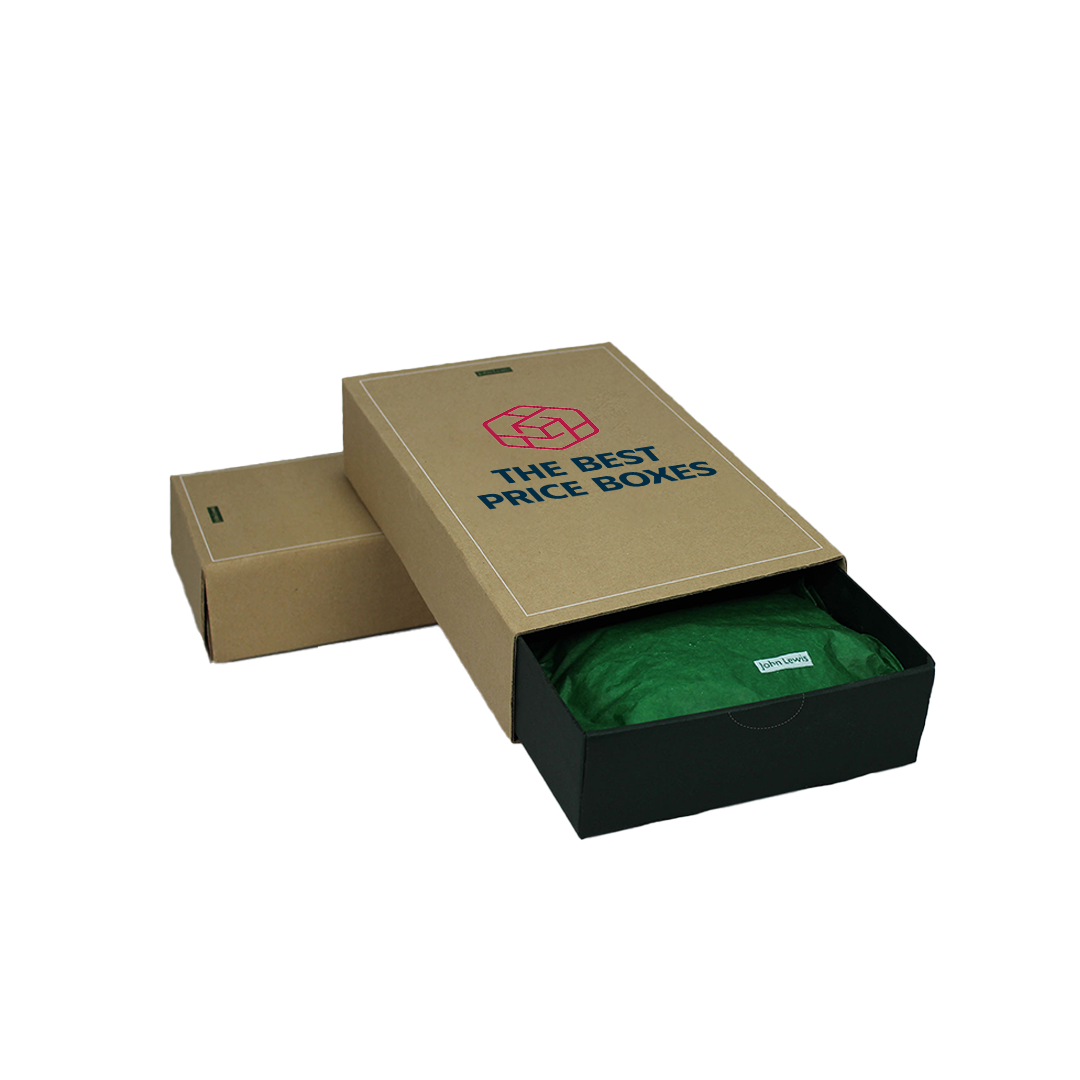
- Kraft brown or white-faced liner for printing
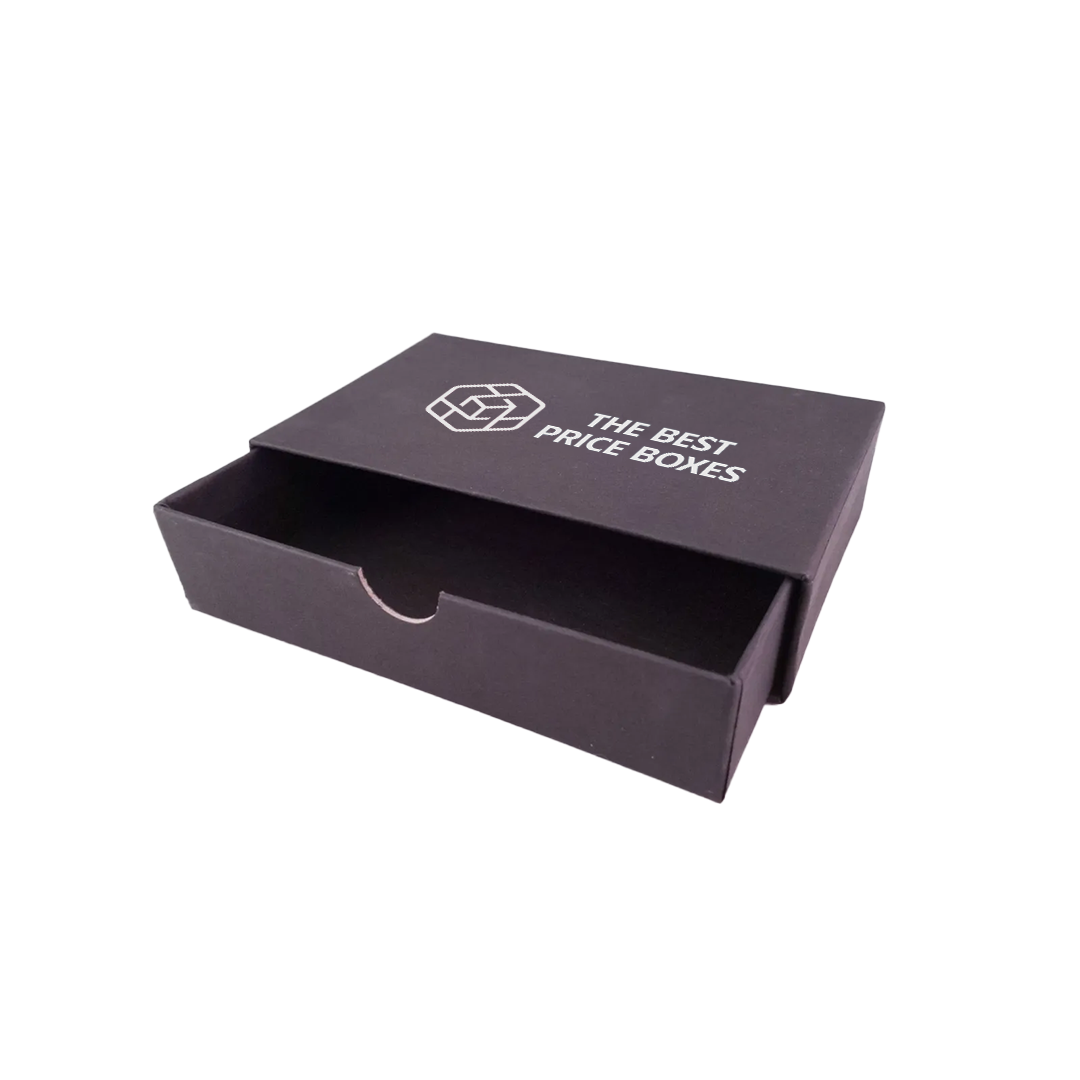
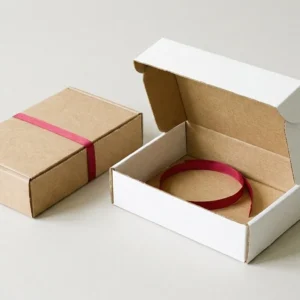
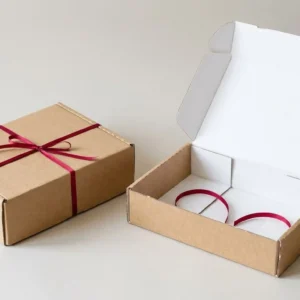
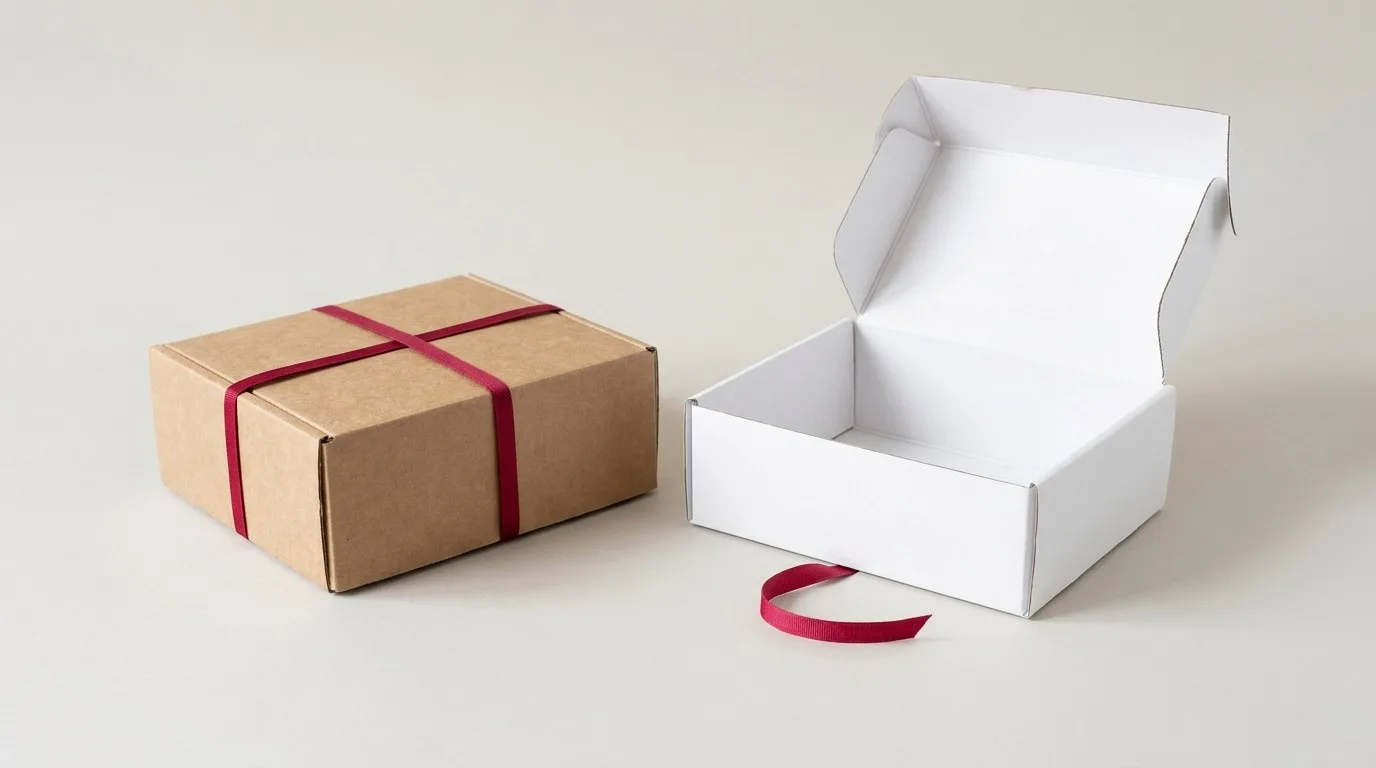
- One-piece mailer, slotted carton or tuck-style closures
- Custom foam or corrugated inserts to hold the product still
Fit matters more than board weight
A heavy product that slides around inside a strong box still breaks, because the force of a drop lands on the product, not the wall. Measure the product at its widest point on all three axes, then decide how much cushioning you need on each side. Rigid goods usually want about 1/2 to 1 inch of void fill or a molded insert. Our custom foam inserts are cut to the product outline so it sits in place, and a corrugated divider does the same job for sets of bottles or jars.
Print, and when to pick another style
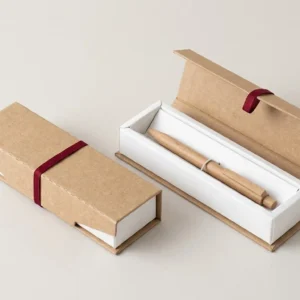
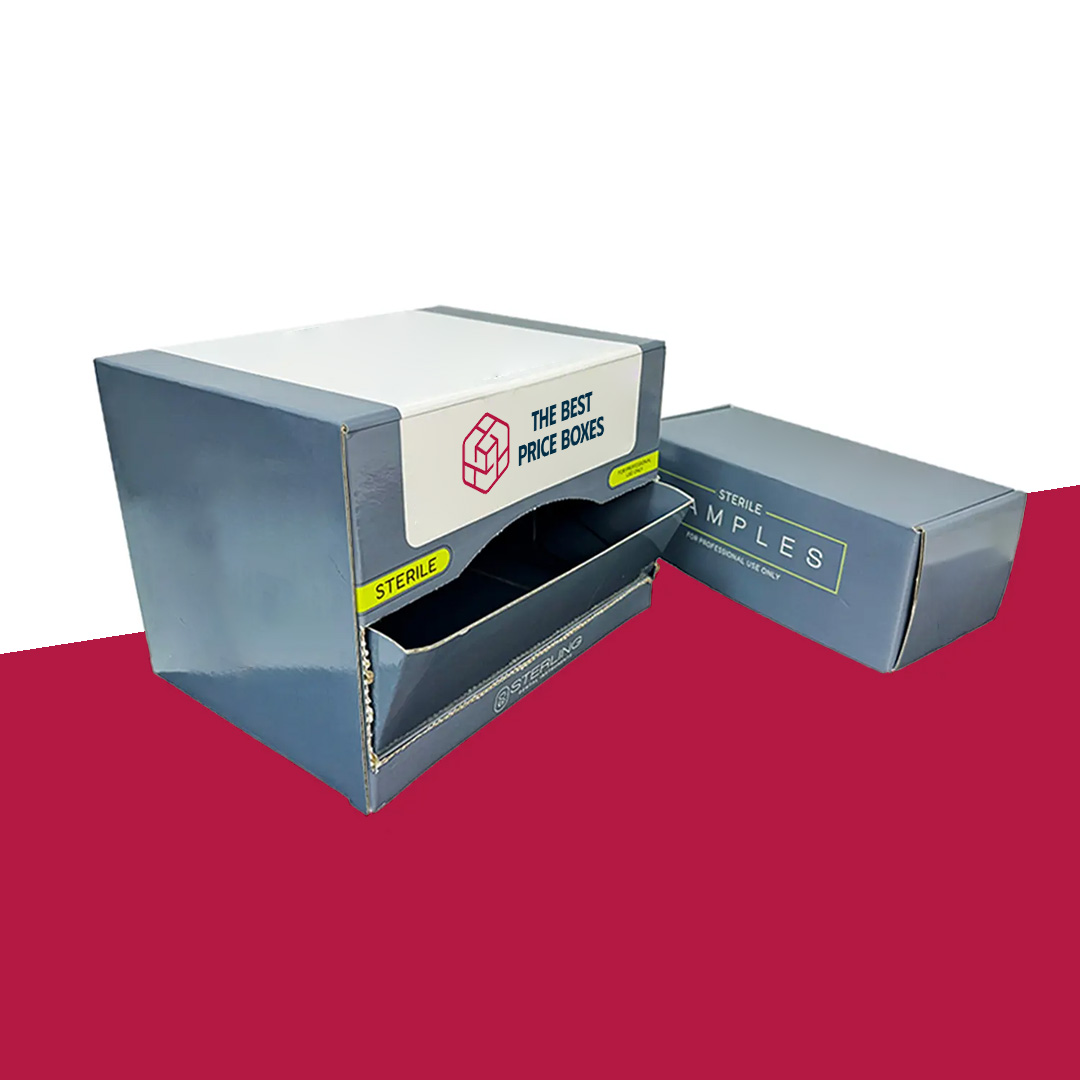
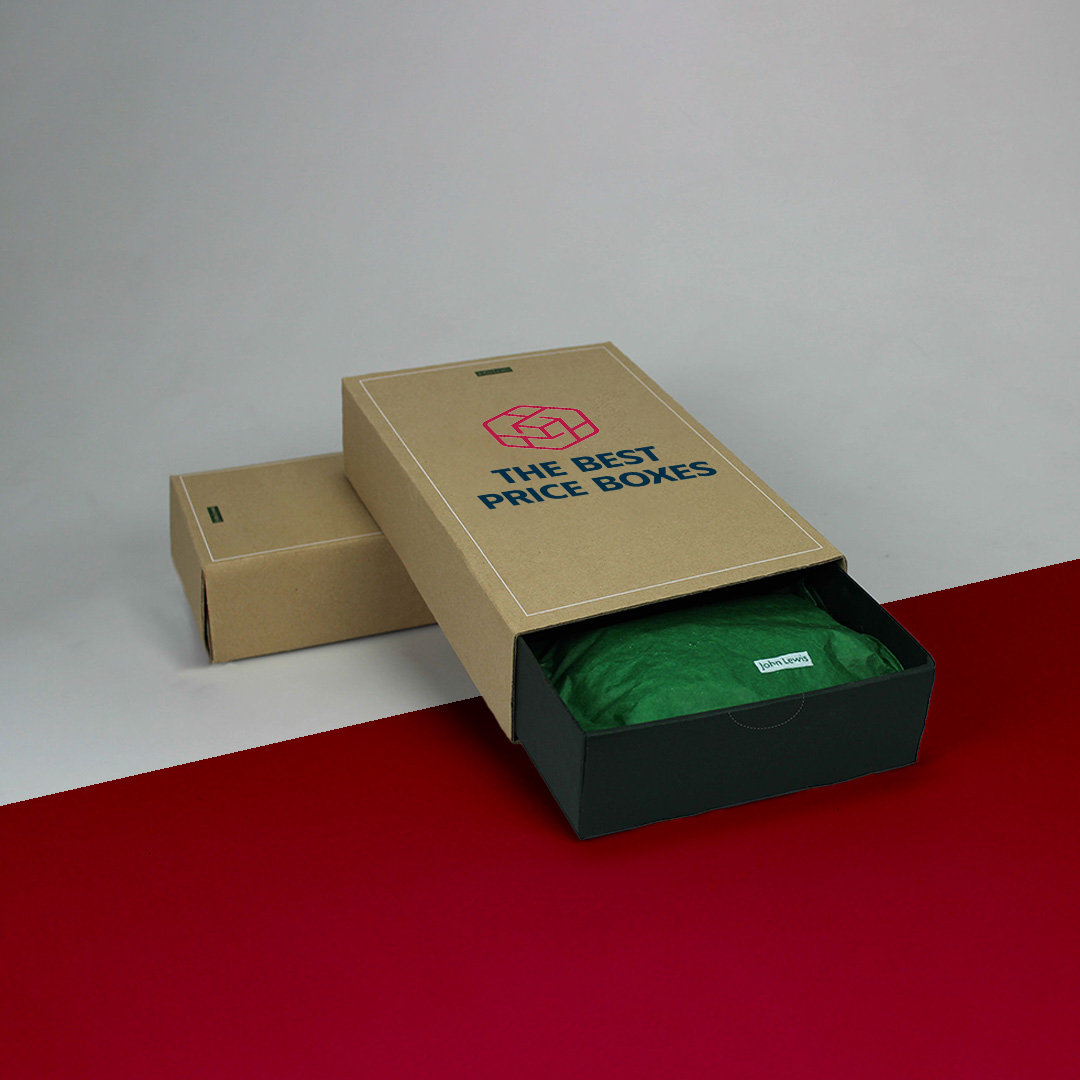
Corrugated takes flexographic and digital print well, though fine photographic detail is better on coated board. A one-color logo on kraft is a legitimate, cost-conscious look and reads as honest, not cheap. For a more polished unboxing, a printed e-commerce box with an inside print lifts the experience. If the product is light and the main job is presentation, a kraft die-cut box is lighter and easier to ship flat. For a branded shipper, the mailer box format combines both. See the wider custom retail packaging range to compare styles.
Weight, stacking and drop expectations differ by product, so tell us what the box has to survive: parcel network, freight pallet, or retail shelf. We pick the board to match, and we will say so if a lighter option is enough.
One practical habit saves a lot of returns: before you commit to a full run, pack a real product into a sample, seal it the way your warehouse will, and drop it from table height onto its corners and flat faces. Do it a few times. Then ship one through the same carrier you use for customers. Boxes fail at corners and seams first, so look there. We can adjust board, scoring or inserts after that test.
Next step: send the product dimensions, its weight and your quantity, even if it is one, and we will draw the dieline and quote it.
Frequently asked questions
What makes a box durable?
Mostly the corrugated construction: flute type, single or double wall, and liner quality, plus a close fit with proper cushioning. A box that fits the product tightly and closes securely will outlast a thicker box with the product rattling inside.
Is there a minimum order for custom durable boxes?
No. TBPB has no minimum order. Order one box to test a load or thousands for regular shipping. Each quote follows your size, board and print, and we beat any written quote for identical specs.
Single wall or double wall corrugated?
Single wall handles most products at moderate weight. Choose double wall for heavy items, glass, equipment, or boxes that will be stacked on pallets. If you are unsure, tell us the weight and how it ships and we recommend one.
What is the difference between E, B and C flute?
E-flute is about 1/16 inch thick and prints best. B-flute is around 1/8 inch and gives solid crush resistance. C-flute is slightly thicker and stacks well. Double-wall BC combines two for heavy loads.
Can I print my logo on a heavy-duty box?
Yes. Kraft and white-faced corrugated both take print. One-color logos on kraft are simple and sturdy, and white-faced liners hold fuller color. Inside printing is available for a better unboxing.
Can you add inserts to hold the product?
Yes. We make foam and corrugated inserts cut to the product outline. Send the product dimensions or a drawing and we design the pocket so nothing shifts in transit.
More Custom Retail Packaging
See the full Custom Retail Packaging range, or explore related options with no minimum order and our best-price guarantee: