

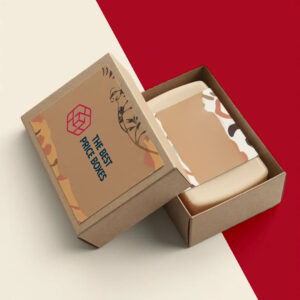
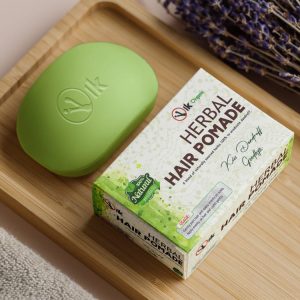
Handmade soap does not stop working when it leaves the mold. Cold process bars keep losing water for weeks, and they keep giving off a small amount of alkalinity early on. Seal a bar like that in a tight, unvented box and it sweats, softens at the edges, and can mark the board from the inside. The maker sees it as a packaging fault. It is a curing fault that the packaging failed to allow for.
So the first question on a soap box is not what it looks like. It is whether the bar can breathe.
| Sleeve or wrap | A band of paper around the bar with both ends open. The bar breathes completely, the customer can smell it, and you use the least material of any option. The standard for cold process and for market stalls. |
|---|---|
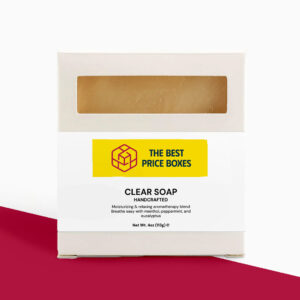
| Window box | An open cut rather than a film patch lets the bar vent and show at the same time. A film-covered window looks cleaner and traps moisture, so it suits cured, harder bars and melt-and-pour rather than a fresh cold process batch. |
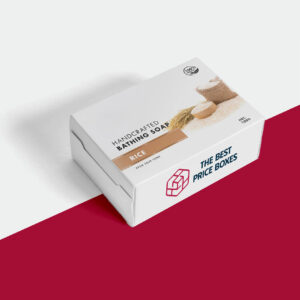
| Closed carton | Full print surface, best protection in transit, and the least airflow. Right for a cured bar, a gift set, or anything shipping through a courier network. |
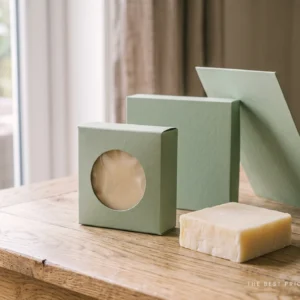
| Die-cut carton | A shaped cut in the panel that shows part of the bar and vents it. Gets you most of the window effect without a film patch. |
This is the failure that surprises people. Some essential oils, citrus and mint especially, will creep into an untreated board and can soften certain adhesives over months of shelf life. The visible symptom is a translucent patch on the panel or a seam that opens on its own in storage.
The fix is a barrier between bar and board, which usually means a wrap or a coated inner surface rather than a heavier box. If your range is heavily scented, say so when you order rather than after the first batch has been sitting for a season.
A cold process bar can lose a noticeable amount of its weight and a little of its size while it cures. A box cut to the dimensions of a freshly unmolded bar will be loose by the time that bar is ready to sell, and a loose bar slides and scuffs its own edges. Measure a bar that has finished curing, or tell us the cure time and we will allow for it.
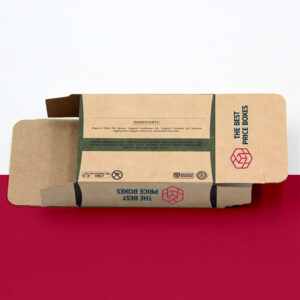
Soap sold in the US carries labeling obligations that vary with how the product is presented and what claims are made, and cosmetic claims pull in more requirement than plain soap does. Whatever applies to your range, the practical consequence is the same: leave real estate for it at the design stage. Ingredient lists in particular are longer than they look, and a panel designed around artwork alone leaves nowhere for them to go.
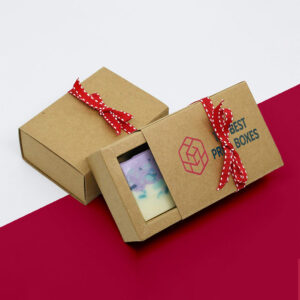
Paper soap sleeves, custom soap sleeves and soap packaging sleeves leave both ends open so the bar breathes and the scent reaches the customer. Soap wraps cover more of the bar while still venting at the edges.
The range below is cut to your bar rather than picked from a fixed list. Window soap boxes and printed soap boxes with a window show the bar on a shelf, and die-cut soap boxes do the same job with a shaped cut instead of a film patch, which keeps the airflow. Clear soap boxes show the whole bar for melt-and-pour and decorative work.
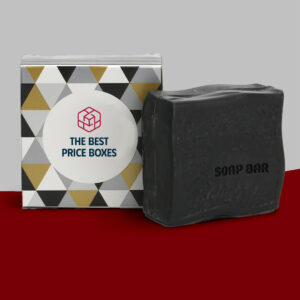
By material, kraft soap boxes and cardboard soap boxes carry the natural look, black soap boxes the opposite, and square soap boxes suit a bar cut to a square footprint rather than the usual rectangle.
Eco-friendly soap boxes, organic soap boxes and herbal soap boxes are built for ranges where the packaging has to agree with the product story. CBD soap boxes carry the extra label area regulated products need.
Soap subscription boxes are specified for transit rather than display. Hotel amenity packaging runs at small unit sizes and high volume, where assembly speed matters more than finish.
No minimum order, which is the usual reason soap makers come to us before they have the volume for a print run. Boxes and sleeves are cut to your bar rather than picked from a fixed list. Design is free, samples are free, and shipping is free. Reorders run from the approved file.
Once it has finished curing, yes. Before that, the bar is still releasing moisture and a sealed box will trap it, which softens edges and can mark the board from the inside. Until the cure is done, a sleeve or a vented box is the safer choice.
Film looks cleaner and keeps dust off, and it stops the bar breathing. An open cut vents and lets the scent out, which sells at a market stall in a way a sealed box cannot. Cured, harder bars and melt-and-pour take film happily. Fresh cold process does not.
They can, over a long shelf life. Citrus and mint are the usual culprits and the symptom is a translucent patch on the panel or a seam opening on its own. A wrap or a coated inner surface between the bar and the board solves it. Tell us how heavily scented your range is when you order.
Measure a fully cured bar, not a fresh one. Bars shrink slightly as they lose water, and a box cut to a fresh bar will be loose by the time the soap is ready to sell. If you have not cured a batch yet, tell us the mold dimensions and your cure time and we will allow for it.
More than most first designs leave. Ingredient lists in particular run long, and what you are required to show depends on how the product is presented and what claims you make. Design the panel with a defined space for text rather than fitting it in afterward.