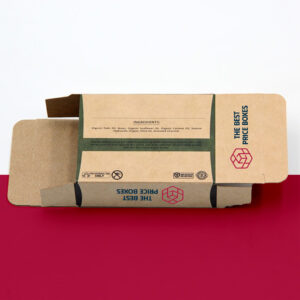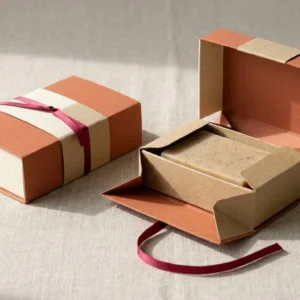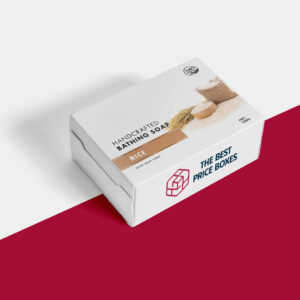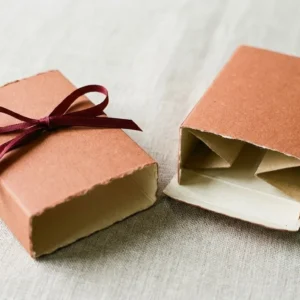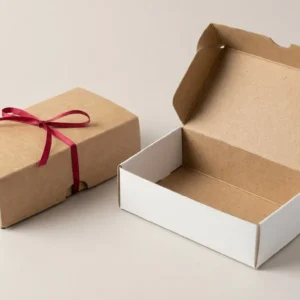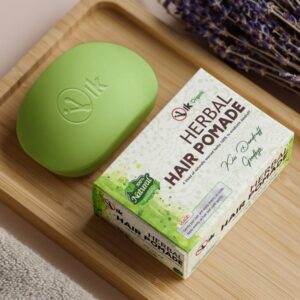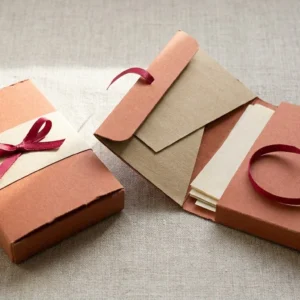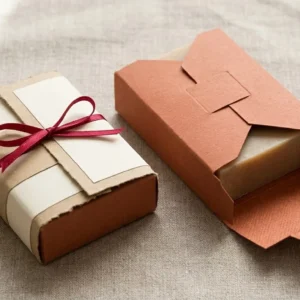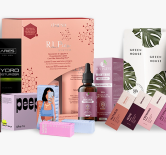
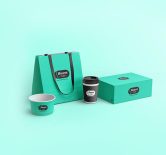
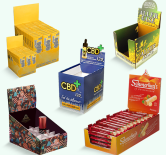

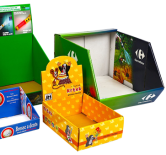
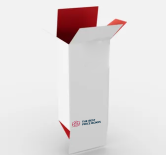
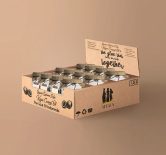
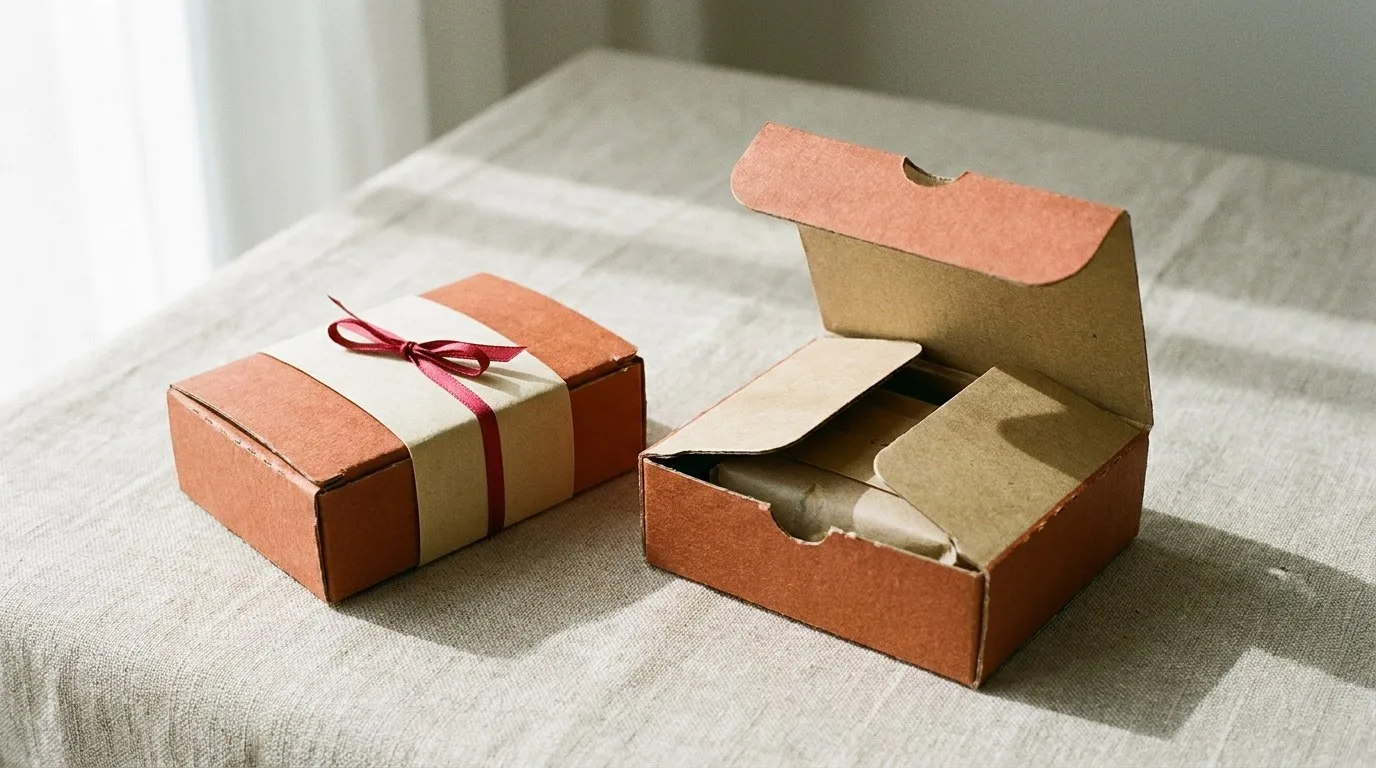


Eco-friendly soap boxes are paperboard cartons and sleeves in natural kraft or recycled-content stock, cut to the size of a bar of soap and printed with your brand. TBPB makes them custom with no minimum order, and we beat any written quote for the same specs.
What eco-friendly actually means for a soap box
People use the phrase loosely, so be specific with your customers. In practice it comes down to three things: the board, the coatings and the extras. Uncoated kraft or recycled-content paperboard can usually go in the paper recycling stream. Add a plastic window, a heavy laminate or a foil stamp, and that gets harder. None of those are forbidden, but each one is a trade-off between look and recyclability. If your brand makes an environmental promise, keep the box simple enough to keep it.
Sleeve, carton or window
- Sleeve: a band that wraps the bar and exposes both ends. Least material, and customers can see the soap. See our soap packaging sleeves.
- Tuck-end carton: a fully closed box that protects the bar and holds scent in. Our kraft soap boxes are built this way.
- Window box: a cutout lets customers see the bar. Our window soap boxes show how this works.
If you just need a standard presentation, browse the full soap boxes range for other styles.
Sizing for a bar that shrinks
Handmade cold-process soap loses water as it cures, so the bar you cut is bigger than the bar you sell. Measure after curing. Take length, width and height, then add about 1/8 inch of clearance per side for a tuck-end carton. A sleeve can be a touch snugger. Round-edge or shaped bars need the widest point, not the average. If you sell more than one size, send each one so we can keep the board layout efficient.
Printing on kraft
Kraft is brown and it behaves like it. Dark inks print well, light colors lose punch, and white ink can bring a design forward. A single dark color plus a logo often looks better on kraft than full-color artwork. If you need brighter colors, choose white or lightly coated board and keep the coating matte. We print CMYK and Pantone matches, and can add embossing or foil where the design justifies it. Ask about the trade-off before you commit to a coated finish.
When a different box is the better call
Soap that is heavily scented, oily or made with butters may stain uncoated board over time. If your bars sweat, wrap them in a thin paper or film first, then box them. For gift sets with several bars, an eco-friendly kraft box in a larger size can hold the set with a little paper filler.
Telling the story on the box
Soap is bought with the nose and the eyes, and the box has to do some of that work on a shelf where the customer cannot smell through cardboard. Put the scent name large, the ingredient story short, and keep any recycling instruction on the back panel where it does not compete with the logo. Short claims backed by what the box is actually made of land better than green language that nobody can check. If you are unsure what your own labeling should say, ask your regulatory adviser first, then send us the final artwork.
Send your cured bar dimensions and a quantity, even if it is one, and we will draw the dieline and quote it.
Frequently asked questions
What makes a soap box eco-friendly?
Mostly the material and what you add to it. Uncoated kraft or recycled-content paperboard with minimal lamination and no plastic window is easiest to recycle. Heavy coatings, foil and plastic windows make recycling harder, so choose finishes with that trade-off in mind.
Is there a minimum order for eco-friendly soap boxes?
No. There is no minimum order, which suits small soap makers testing a scent or a new bar size. You can order a handful to try on your shelf, or scale to thousands when the product sells.
How do I size a box for handmade soap?
Measure the cured bar, since soap shrinks as it dries. Take the length, width and height, then add about 1/8 inch of clearance per side for a tuck-end carton. A sleeve can be a little tighter. Send the measurements and we will draw the dieline.
Sleeve, carton or window box for soap?
A sleeve is the lightest on materials and shows the bar. A tuck-end carton protects it and keeps scent in. A window box lets customers see the soap but needs a cutout and sometimes a film, which affects recyclability. Many natural brands choose sleeves for exactly that reason.
Can kraft soap boxes be printed in color?
Yes, but kraft is brown, so light colors lose contrast. One or two dark ink colors, or white ink, tend to look sharpest on it. If you want full color to show accurately, a white or lightly coated paperboard is the better base.
Do soap boxes need labeling?
Soap and cosmetic labeling rules depend on what the product is and where you sell it. You are responsible for the label copy and ingredient list. TBPB prints the artwork you supply, so confirm requirements with your own regulatory adviser before you print.
More Eco Friendly Boxes
See the full Eco Friendly Boxes range, or explore related options with no minimum order and our best-price guarantee: