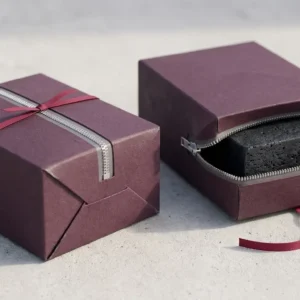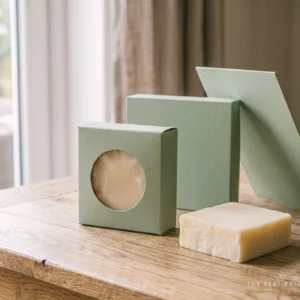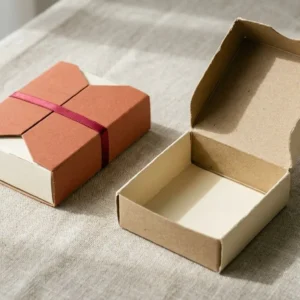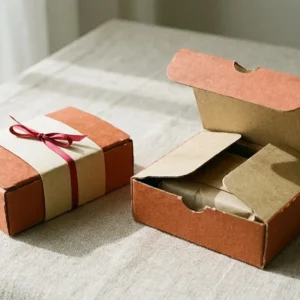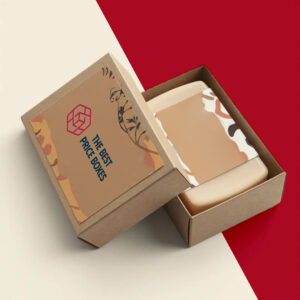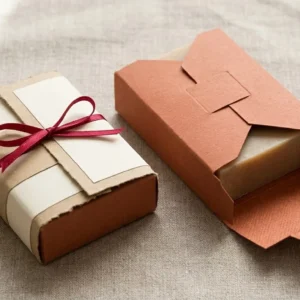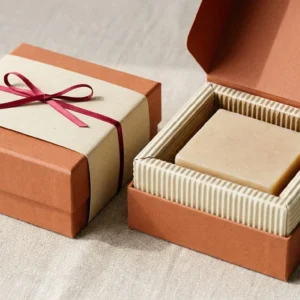

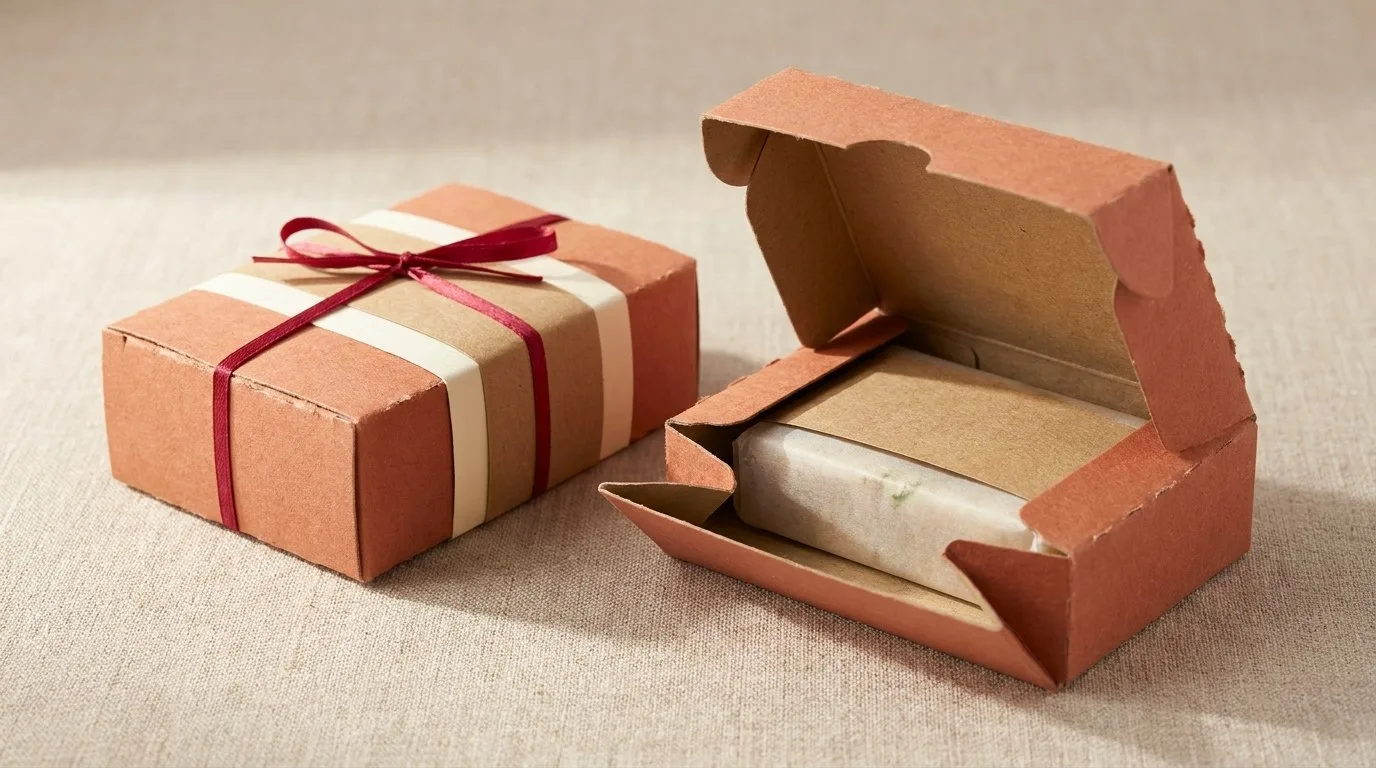


Herbal soap boxes are custom printed cartons for plant-infused soaps, built around botanical artwork, a clear scent name and an ingredient list that is easy to read. TBPB prints them to your bar size with no minimum order, and if you bring a written quote for the same specs, we beat it.
Selling a plant on a small panel
Herbal soap is bought by the nose and the story. The shopper wants to know which plant is in the bar and what it smells like, quickly. So the front panel has a short job: the scent name in a clear size, one botanical illustration, and the brand. Everything else, such as the ingredients, the weight and the maker details, belongs on the back or the sides, where there is room.
An illustration earns its place if it is accurate. A rosemary sprig that looks like pine, or a lavender that looks like wheat, tells herb buyers the maker is not paying attention. Use a real botanical drawing or a clean line illustration and ask us to print it at a size where the fine detail survives.
Color, stock and ink choices
Greens, soft grays and warm creams are the herbal comfort zone, and they print well on both kraft and white board. Kraft gives an apothecary feel and hides small scuffs, but it dulls light colors. White board gives sharper greens and finer detail in an illustration. A one or two color print on kraft is often the most convincing look for a small herbal line, and it keeps the design simple enough to change with each scent.
A system helps if you have several herbs. Keep the same layout and swap the color and the illustration, so the range reads as a family on the shelf. Pantone matching keeps each scent color the same from one reorder to the next.
- Kraft or white paperboard in the 16 to 24 pt range, tuck-end or auto-lock style
- One to four color print, with Pantone matching for each scent color
- Matte coating for a soft look, or an uncoated feel for a rustic one
- Optional window or small cut-out so the scent can come through
- Foil on the brand mark or embossing on the illustration for gift editions
Sizing and the ingredients panel
Measure the cured bar, since herbal bars with added plant material can shrink and crack as they dry. Add about 1/8 inch per side and size to the largest bar. Plan the ingredients panel with the supplied label wording in mind. Labelling rules for soap and cosmetics are the maker responsibility, and we print the artwork you supply, so have the text checked with your own regulatory adviser before the proof is approved.
Plant material in the bar can stain board. Dried petals, ground herbs and oils can leave marks on bare paper, so ask us about a coated inside or a wrap if your recipe is heavy on botanicals.
Scent is the other half of the sale, and a closed carton hides it. If the aroma is your selling point, a small die-cut opening or a few discreet air slits lets the smell reach the shopper. Without that, the box has to describe the scent in words, so choose descriptive names such as lavender and oat, or mint and rosemary, rather than vague ones. Keep the descriptions honest and short, because shoppers will test them by smell the moment they open the box.
Herbal against other soap styles
Herbal sits close to a few of our other soap pages. If the story is certified-style purity, look at organic soap boxes. For a dark, dramatic bar, black soap boxes take a different approach. If you want the bar to be visible, window soap boxes are the simplest route. Everything is listed under soap boxes.
Send us the bar dimensions, the scent names and your quantity, even one box, and we will draw the dieline and quote it.
Frequently asked questions
Is there a minimum order for herbal soap boxes?
No. TBPB has no minimum order, so you can order a single box to check the fit and artwork or thousands for a full range. The dieline is drawn to your bar size, and you can reorder any scent at any quantity.
What goes on the front of an herbal soap box?
Keep it short: the scent name, one botanical illustration and the brand. Put the ingredients, weight and maker details on the back or sides. That hierarchy lets shoppers see the plant and smell the story first, then read the details when they pick it up.
Which board suits herbal soap packaging?
Kraft board gives an apothecary look and hides scuffs but dulls light colors. White board gives sharper greens and finer illustration detail. Either one comes in the 16 to 24 pt range and folds into a tuck-end or auto-lock carton. We confirm the stock with you on the dieline.
Can I print several scents in the same style?
Yes, and it is a good idea. Keep one layout and swap the color and the illustration so the range reads as a family. Pantone matching keeps each color consistent between reorders, and each scent can be ordered at its own quantity.
Will plant material stain the box?
It can. Petals, ground herbs and oils can leave marks on bare board over time. Cure the soap fully, and ask about a coated inside or a wrap around the bar if your recipe contains a lot of botanicals.
Who is responsible for the label wording?
The brand is. We print the artwork you provide, and rules for soap and cosmetic labelling, ingredient lists and claims differ by product type. Confirm the text with your own regulatory adviser before you approve the printed proof.
More Soap Boxes
See the full Soap Boxes range, or explore related options with no minimum order and our best-price guarantee: