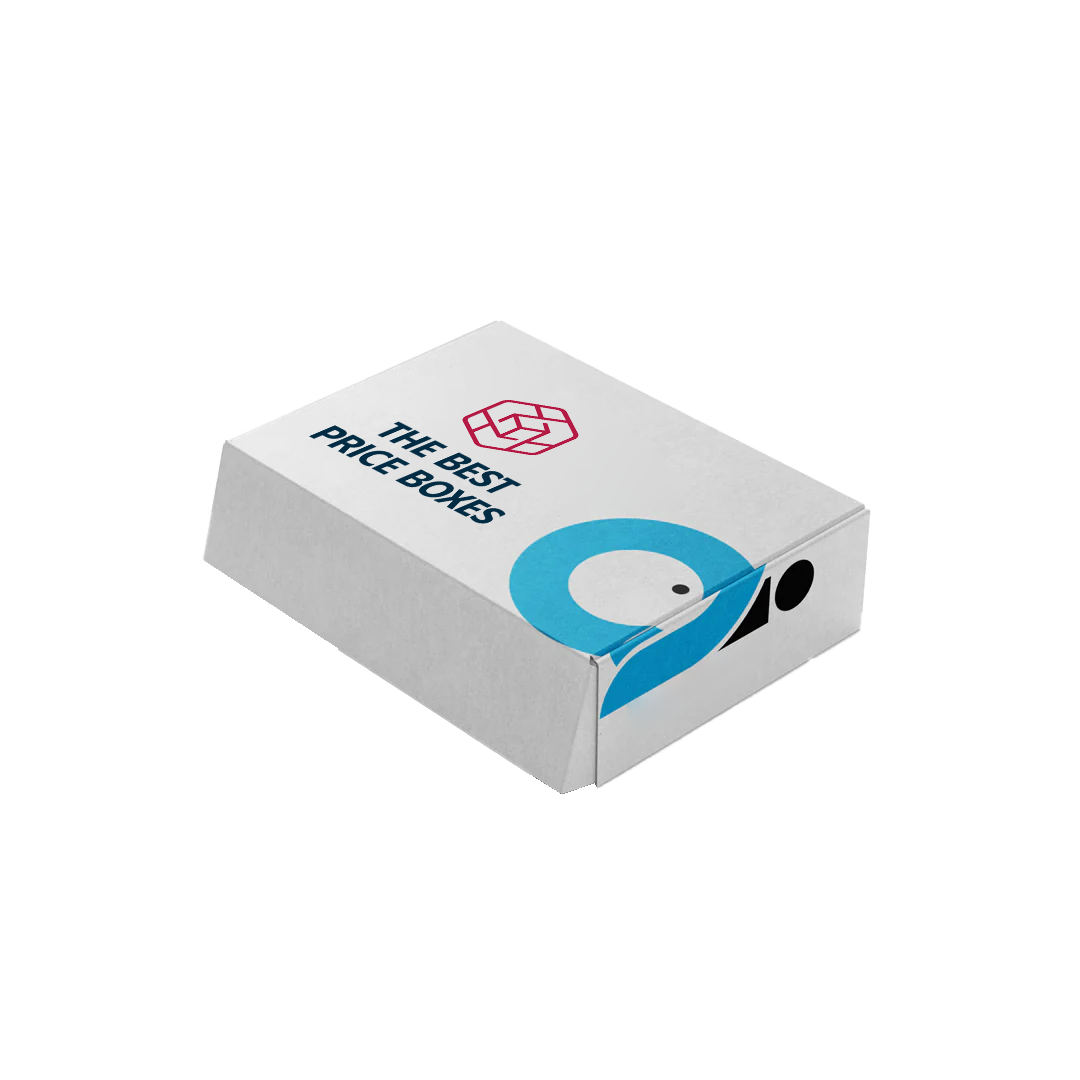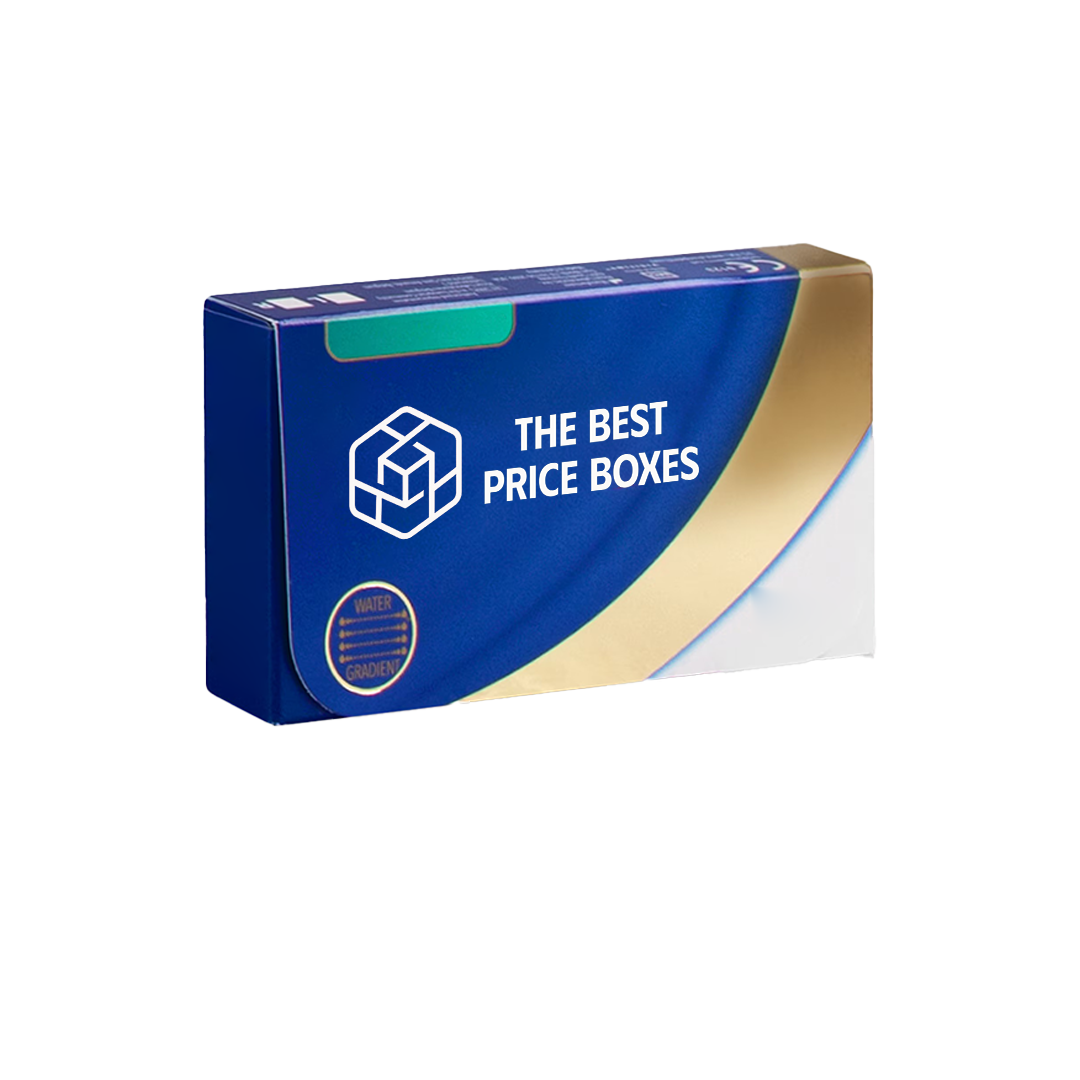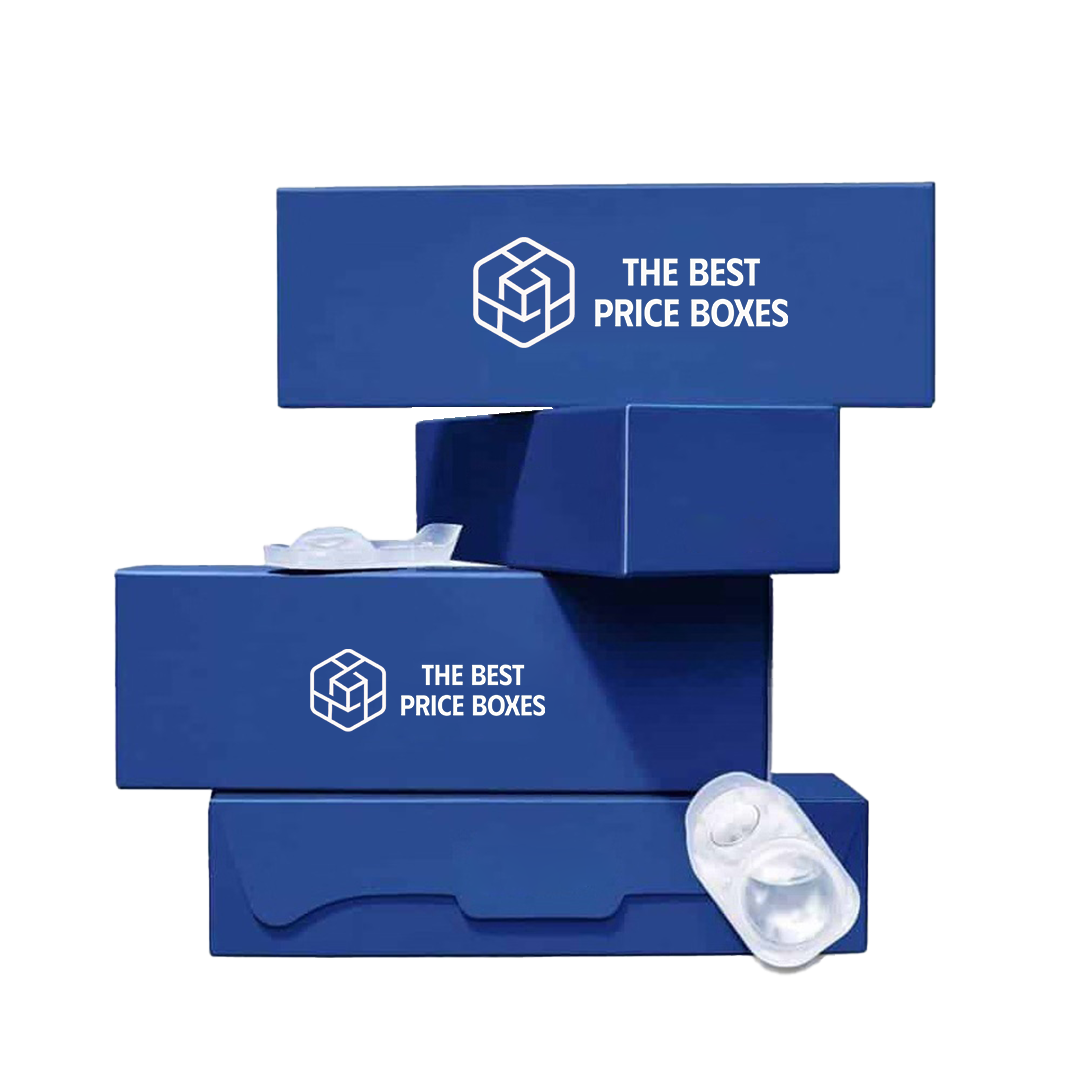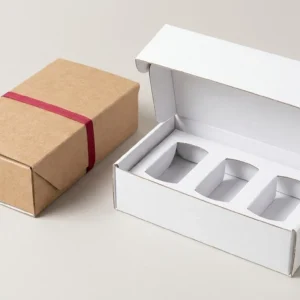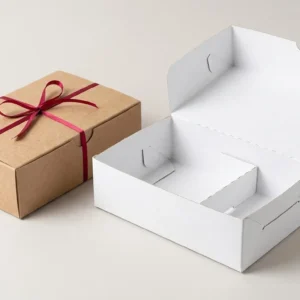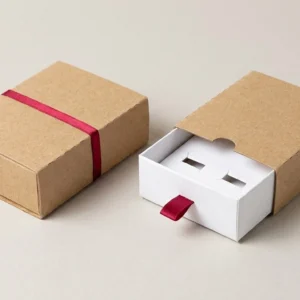

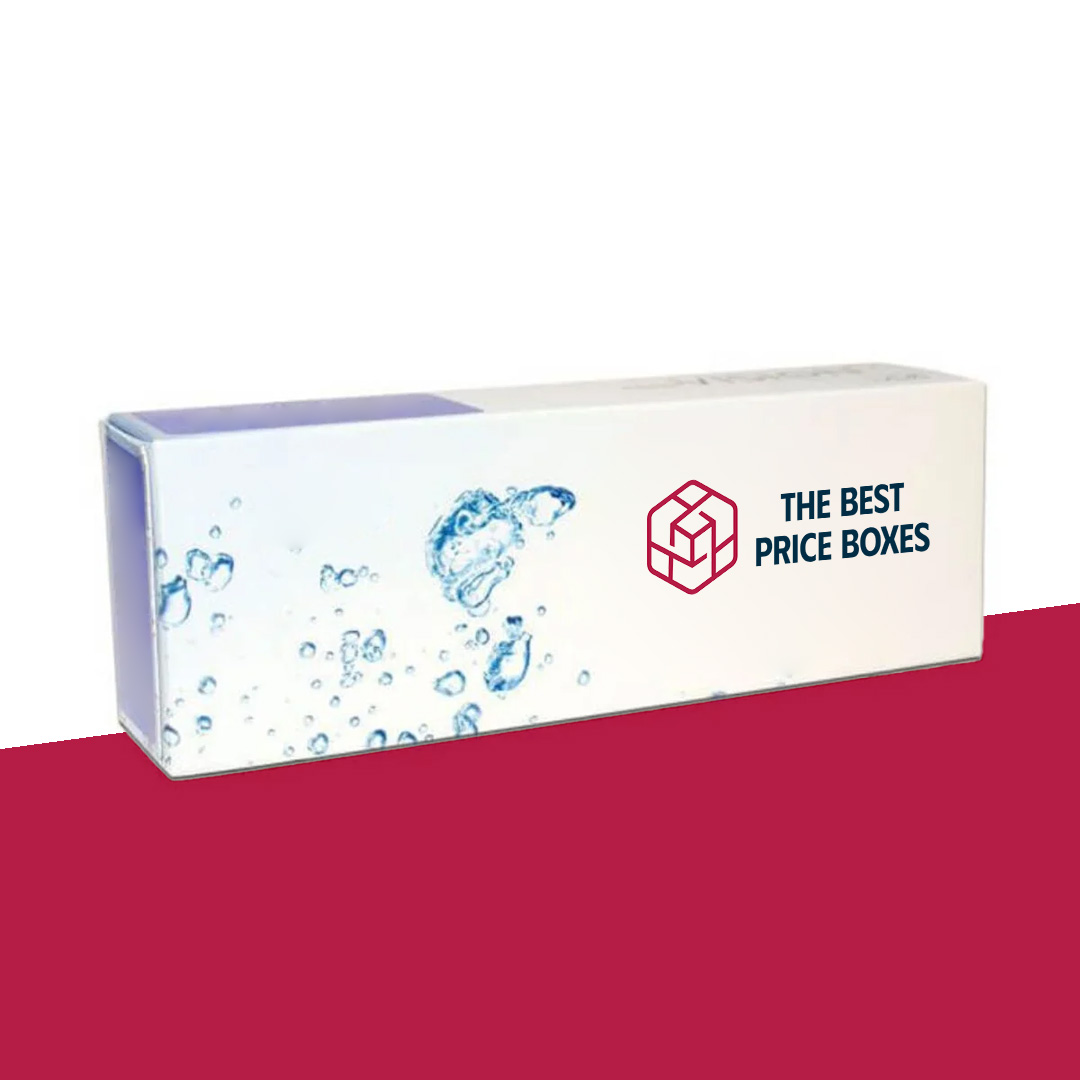
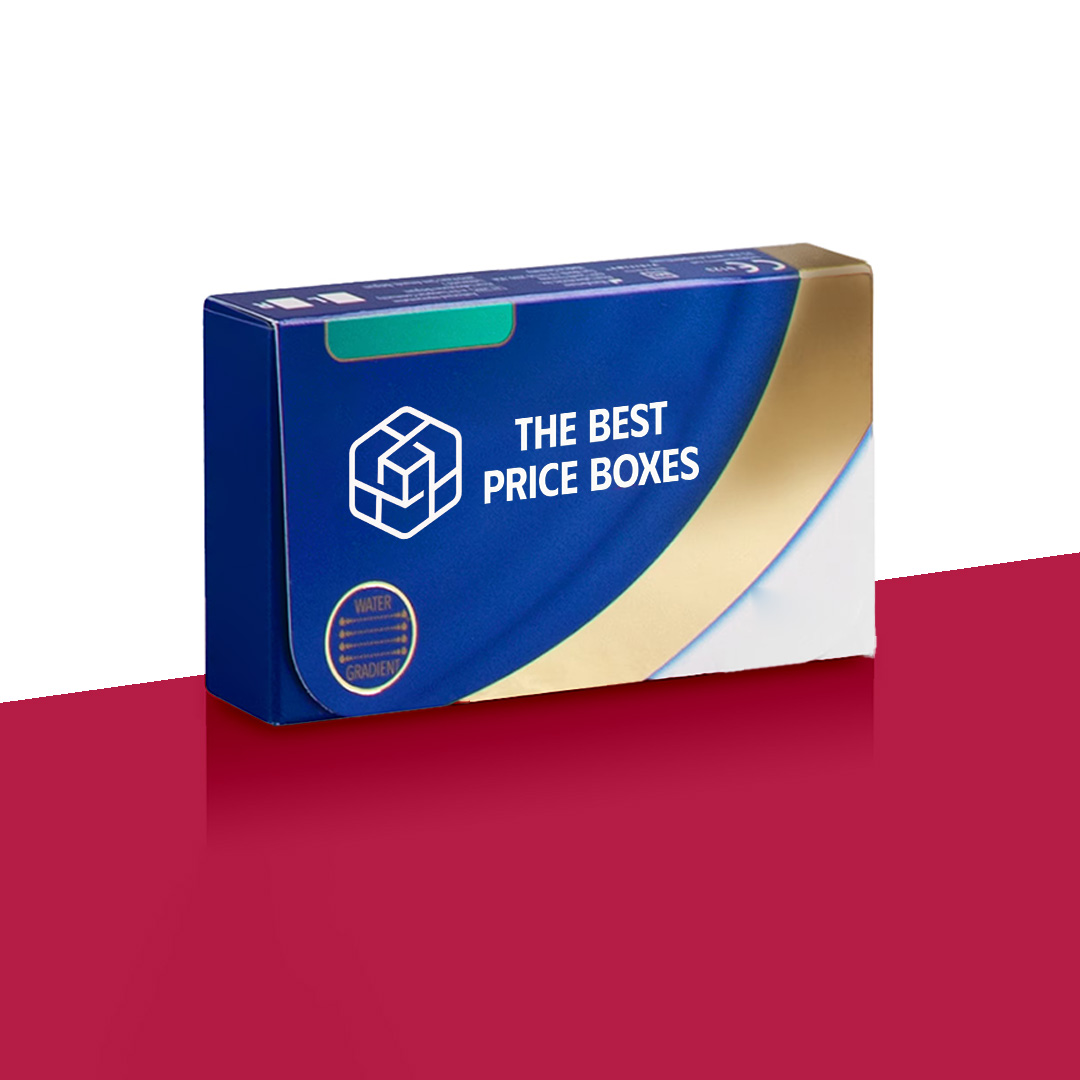
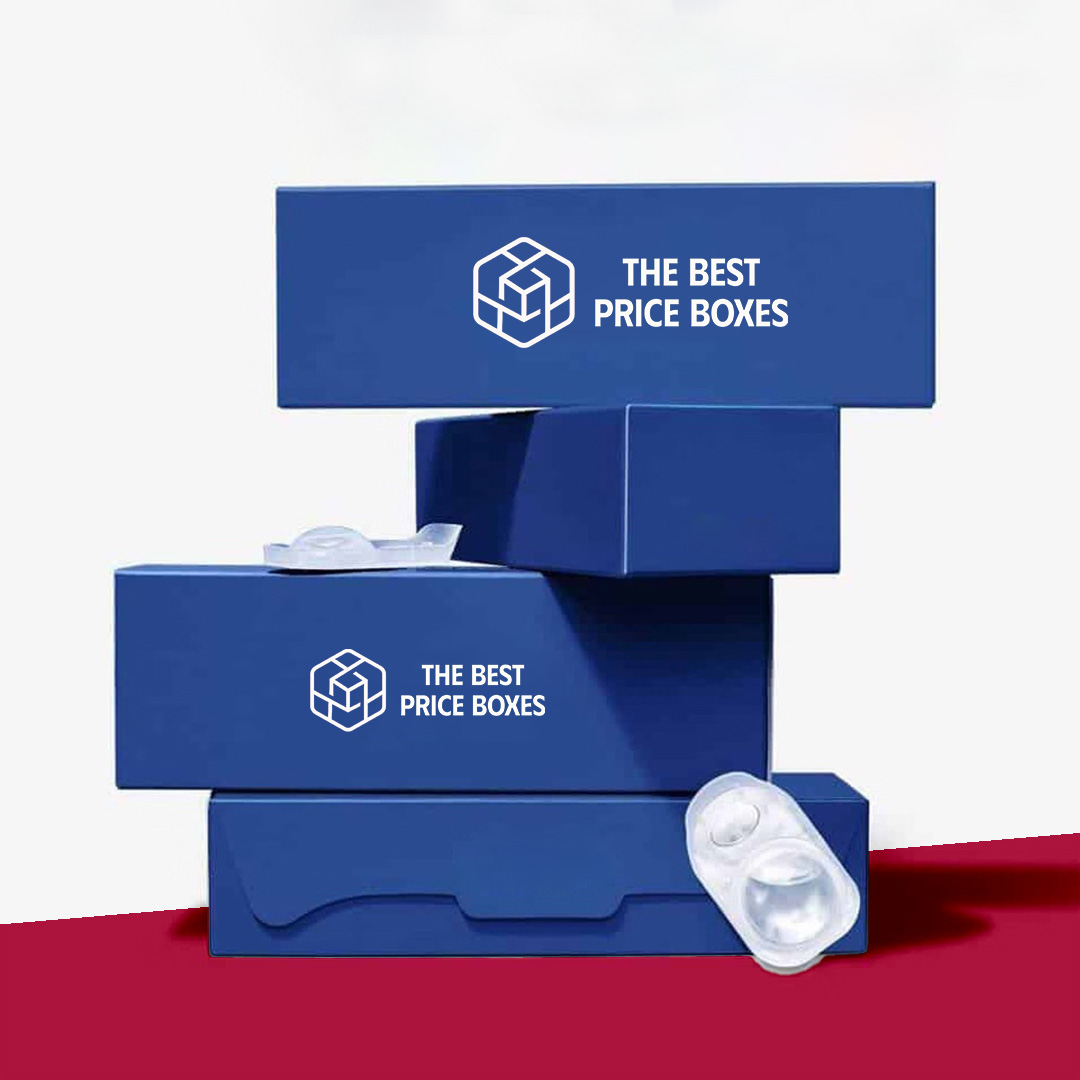


Custom contact lenses boxes are slim paperboard cartons sized around lens blister packs or vials, printed with your brand and the information your market requires. TBPB makes them with no minimum order, prints the artwork you supply, and if you bring a written quote for the same specs, we beat it.
What goes inside the carton
Most lenses arrive in individual foil-sealed blister packs, which are thin, flat and wider than they are tall. A carton for a month or a quarter of daily lenses is therefore a stack of those blisters, and the box is basically a tight sleeve with a closing flap. Vial-style lenses are taller and need a deeper carton with a snug fit so the vials do not tip. Either way, the carton needs enough room to remove a pack without tearing the foil.
Sizing around the blister stack
Stack the exact number of blister packs the box will hold, press them flat and measure the stack’s length, width and height. Add about 1/8 inch per side, and a little more in height if the stack tends to bow. A loose carton lets the packs slide and scuff the foil. A box that is too tight tears when a customer pulls out the first blister. If you carry several pack counts, such as 30 and 90, each count needs its own dieline.
Closure and construction
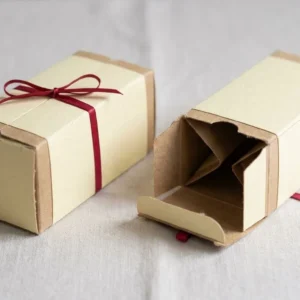
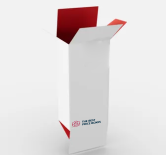
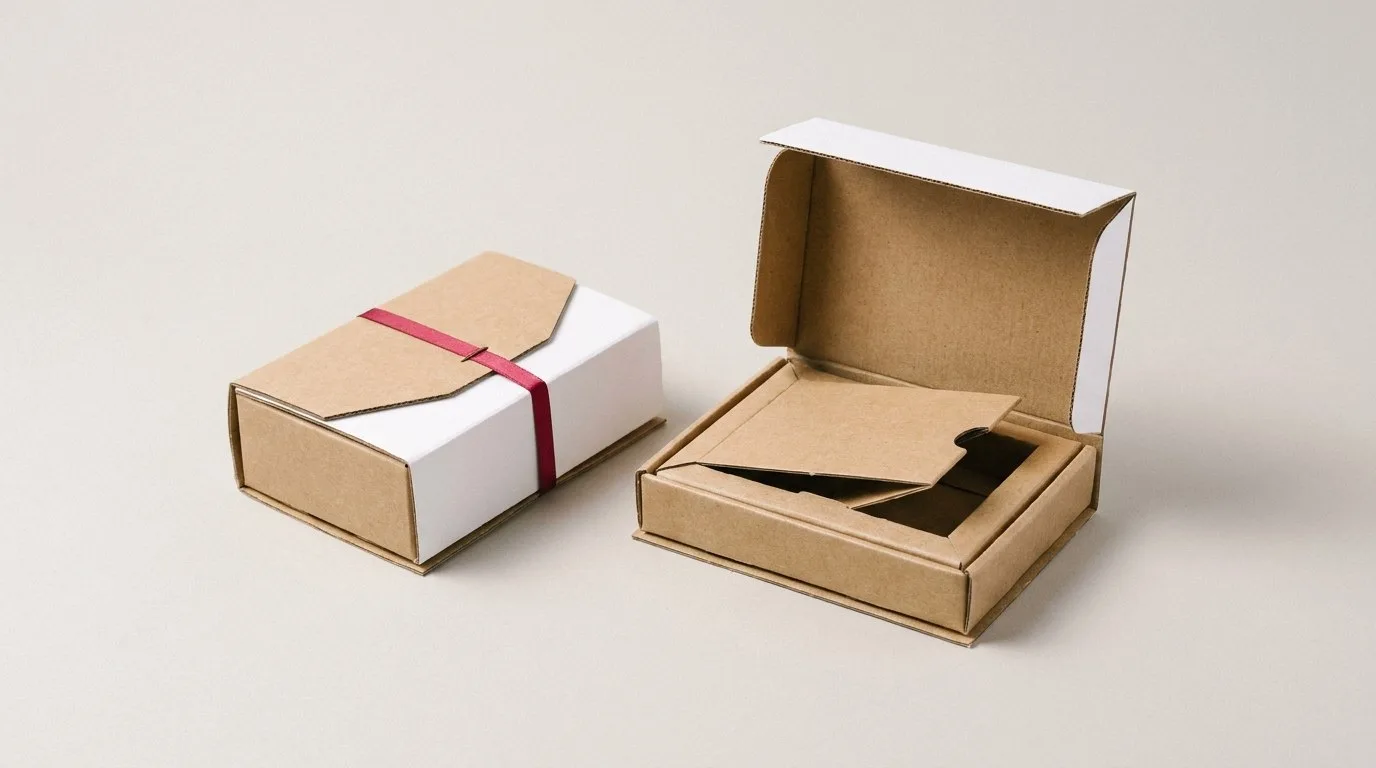
A straight tuck-end carton is the usual choice because it opens cleanly, ships flat and holds a stack in place with a tuck flap. A reverse tuck suits cartons where the opening faces the customer on a counter. A tamper-evident glue point or seal sticker can be added if your channel wants a sign that the box has not been opened. A lock-bottom carton adds strength when the stack is heavy.
Board, print and finishing
Folding-carton paperboard in the 16 to 20 pt range is typical for a lightweight pack like this. White board with CMYK printing gives crisp small type, which matters because eye-care cartons carry a lot of text. Pantone helps keep a power or brand colour code identical from batch to batch. A matte aqueous coating reads cleanly under shop lighting, and a spot UV or foil accent on the logo marks a premium line.
TBPB prints the supplied artwork. Lens boxes are regulated medical-device packaging in the US, so labelling content, lot and expiry fields, and any claims are your responsibility, and you should confirm requirements with your own regulatory adviser before print.
Handling at the pharmacy and online
Lens cartons get handled more than most packaging. They are pulled from a drawer, slid across a counter and often posted in a padded envelope. A clean die-cut thumb notch or a reinforced tuck flap helps the box open smoothly after many touches, and a flat profile means it travels well in a standard mailer. Keep the shelf-facing panel simple: brand, lens type and pack count, in that order.
- Style: straight or reverse tuck-end carton, lock-bottom for heavy stacks
- Board: folding-carton paperboard, roughly 16 to 20 pt
- Fit: sized to your exact blister or vial stack
- Print: CMYK or Pantone, outside and inside
- Finishes: matte aqueous, spot UV, foil, optional seal sticker
- Quantity: no minimum order
Related packaging for eye care and health
For other healthcare cartons, see pharmaceutical display boxes and dental packaging, both built to similar slim formats. The standard straight tuck end boxes are the base style for many lens cartons, and the wider custom retail packaging range covers other shapes.
Send the pack count, the stack dimensions and the quantity, even if it is one, and TBPB will draw the dieline and quote it.
Frequently asked questions
Is there a minimum order for custom contact lenses boxes?
No. There is no minimum order, so you can print a small run to test a new lens line or order thousands for distribution. The price-beat guarantee applies at any quantity.
How do I size a box for contact lens blister packs?
Stack the exact number of blisters the box will hold, press them flat and measure length, width and height. Add about 1/8 inch per side. Send those numbers and TBPB draws the dieline to match, one for each pack count you sell.
Which closure works best for lens cartons?
A straight tuck-end carton is the usual choice because it opens cleanly and holds the stack. Use a reverse tuck when the opening faces the customer on a counter, and a lock-bottom if the stack is heavy. Seal stickers can add tamper evidence.
Does TBPB handle regulatory text for contact lens packaging?
No. TBPB prints the artwork you supply. Lens cartons carry regulated information such as lot, expiry and claims, which are your responsibility. Confirm what your market requires with your own regulatory adviser before sending files.
What board thickness suits a lens box?
Folding-carton paperboard in roughly the 16 to 20 pt range is typical for lightweight lens stacks. A heavier or larger multi-pack may need a thicker board. Tell us the pack count and weight and we will recommend a suitable stock.
Can I print small type clearly on the box?
Yes. CMYK printing on white paperboard handles fine text well, and a matte aqueous coating keeps it readable under shop lights. Supply vector artwork and keep type above a sensible minimum size. We will flag problems on the proof.
More Custom Retail Packaging
See the full Custom Retail Packaging range, or explore related options with no minimum order and our best-price guarantee: