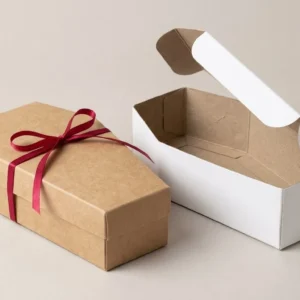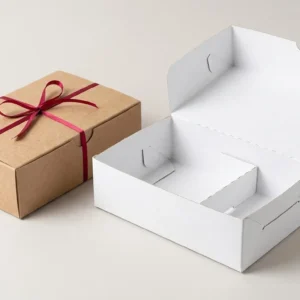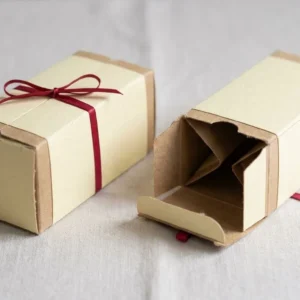





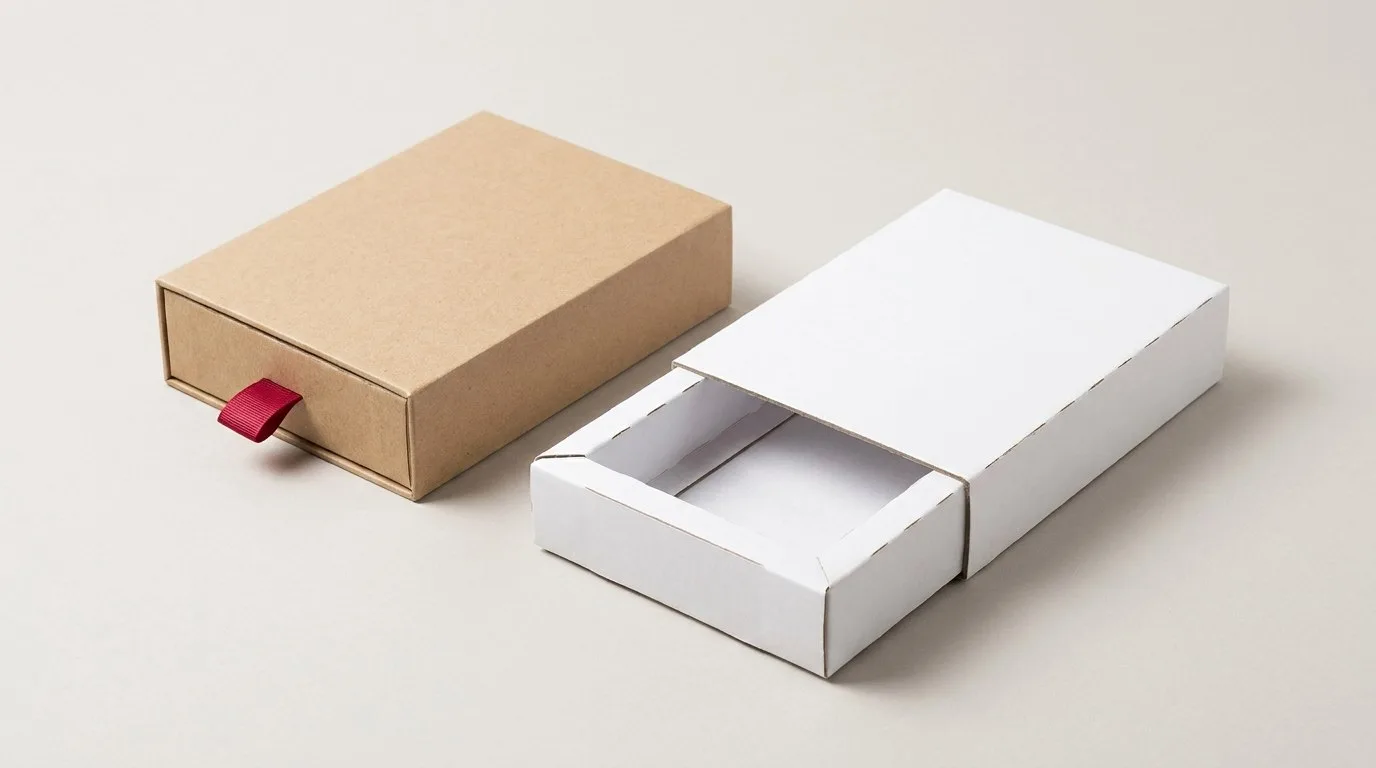
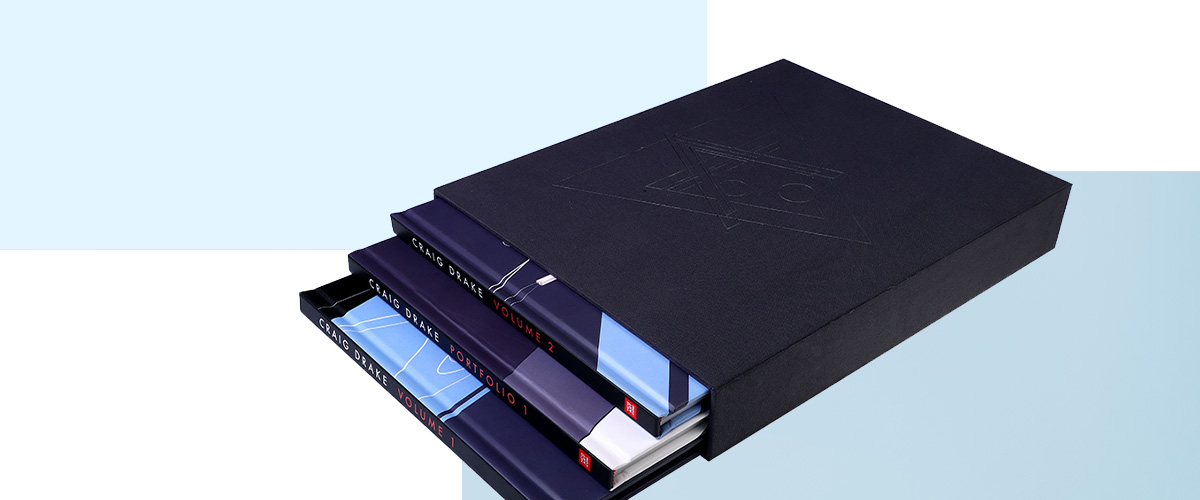
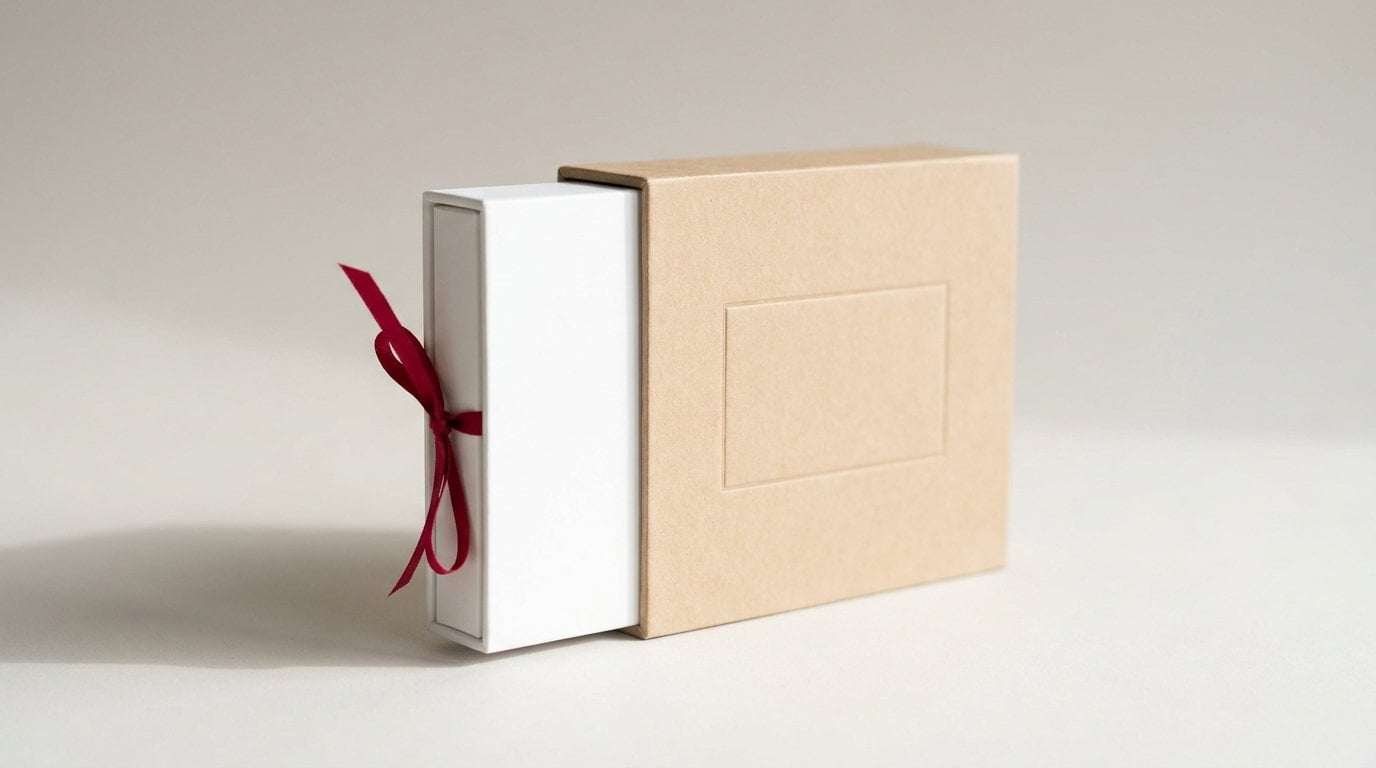


A slip case box is an open-ended sleeve that a book, record, game or document set slides into, so the spine or one face stays visible. TBPB builds custom slip case boxes with no minimum order, and if you bring a written quote for the same specs, we will beat it.
Why a slip case and not a lidded box
A lidded box hides what is inside until you open it. A slip case does the opposite. The spine, the cover or the title shows from the shelf, and the case acts as protection and presentation at once. That is why publishers use slip cases for special editions, why collectors put box sets and vinyl in them, and why brands use them for lookbooks and certificates. There is no lid to lose and no flap to wear out, which also makes them quicker to open at an event or a reveal.
The fit decides everything
With a slip case, the tolerance is the product. If the case is too tight, the item scrapes the edges and customers tear the cover trying to pull it out. If it is too loose, the item slides out when the case is tipped. Measure the thickest point of the item, not the spine alone, since hardcover boards and shrink wrap add thickness. Then add roughly 1/16 to 1/8 inch of clearance per side, depending on how snug you want the slide. A thumb notch or half-moon cut in the open edge lets the customer grip the item without pinching it.
Construction, board and finishes
Traditional slip cases are made from chipboard, usually somewhere in the 1.5 to 3 mm range, wrapped in printed paper, which gives the sides their square, solid feel. For lighter or shorter-run items, a heavy folding paperboard sleeve in the 16 to 24 pt range is a reasonable step down and is quicker to produce. Choose the board by the weight of the contents. A single paperback needs little, while a boxed set of hardbacks needs rigid walls that will not bow. Printed wraps can carry full colour, Pantone matching, matte or soft-touch lamination, foil stamping and embossing on the title area.
Open end, closed spine: which edge shows
Decide early which edge of the item you want visible. Most slip cases leave the spine showing, which suits books and anything stored upright. For records and games that lie flat or lean, a case with the open end on the short side is more natural. Either way, artwork on the case should be planned around the opening, because the printed wrap folds over the edges and the cut line sits right where the eye lands. We mark the safe zone on the dieline so your logo never ends up cut or crowded.
Where a slip case is the wrong choice
If the contents are fragile or loose, an open end exposes them. A two piece box with a separate lid is the better answer for anything that must be fully enclosed. If you want a single item in a hinged format, look at book style rigid boxes. For wider options, the rigid box range sits alongside this one, and you can compare general rigid boxes if you are still deciding on the structure.
- Open-ended sleeve sized to the item, with or without a thumb notch
- Wrapped chipboard or heavy folding paperboard construction
- Full colour print, Pantone match, matte or soft-touch lamination
- Foil stamping and embossing on the spine or title panel
- Single piece or short runs through to large volumes
Send us the item’s height, width and thickness plus the quantity you want, even one, and we will draw the dieline and quote it.
Frequently asked questions
What is a slip case box?
A slip case is an open-ended sleeve into which a book, record, game or boxed set slides. Part of the item, usually the spine, stays visible. It protects the edges and covers while giving the product a finished, collectable presentation without a lid.
What is the difference between a slip case and a sleeve?
Both slide over or around an item, but a slip case is usually a rigid-style, fully enclosed box open on one end, while a sleeve is often a thinner band of paperboard open at both ends. Cases offer more protection, sleeves are lighter and quicker to produce.
How do I measure for a slip case?
Measure the item height, width and thickness at its thickest point, including any wrap or hardcover boards. Add about 1/16 to 1/8 inch per side so it slides smoothly but does not drop out. If you are unsure, send us the item or a photo with a ruler and we will confirm.
What materials are slip cases made from?
Traditional ones use chipboard wrapped in printed paper, which keeps the walls square and strong. Lighter builds use heavy folding paperboard. The right choice depends on the weight of the contents and the finish you want, and we can recommend one when you send the item size.
What is the minimum order for custom slip case boxes?
There is no minimum order. You can order one slip case as a prototype or for a single special edition, or thousands for a full print run. We draw the dieline from your dimensions and quote it, and we beat a written quote for matching specs.
Can slip cases include a thumb notch or window?
Yes. A thumb notch or half-moon cut on the open edge makes it easier to pull the item out. A cut-out window on the face can show the cover or title through the case. Tell us which you prefer and we will place it on the dieline.
More Custom Retail Packaging
See the full Custom Retail Packaging range, or explore related options with no minimum order and our best-price guarantee: