


To package a squishy, seal it in its own bag, put it in a box sized to the toy fully risen with a little air on every side, and ship that box inside a rigid carton rather than a padded envelope. Those three steps stop the problems squishy buyers complain about most: dents, lost scent, dust and leaks. Below is how to do it for retail shelves, online orders and blind box series.
Quick version
- Bag it: sealed poly, printed or foil-lined.
- Box it at rest size, never pressed against the walls.
- Ship it in a carton, not a bubble mailer, if it is foam.
- Keep it out of heat, and print a do-not-heat line on the box.
- Label it like any children's toy, with tracking, origin and warnings.
Step 1: Know which kind of squishy you have
| Type | Weak point | Packing priority |
|---|---|---|
| Slow-rising polyurethane foam | Takes a set if compressed for weeks. Scent fades in open air. | Do not compress. Seal in a bag. |
| Stretchy TPR (mochi, dumpling and similar) | Tacky surface collects dust and lint. Can stick to film and other toys. | Individual bag. Keep it off window film. |
| Gel, water or bead-filled | Can split and leak, worse in heat. | Sealed bag, firm box, extra warning if it has water beads. |
| Mini and keychain squishies | Tiny, easy to lose and possible choking hazards. | Group in a display or blind box, label the age grade. |
Step 2: Bag every squishy
A bag is the cheapest thing that solves the most problems. It keeps scent in, dust out and leaks contained, and it makes the toy feel new when it comes out. Plain clear poly is enough for a small shop. A printed bag adds a second branded moment, and a foil-lined bag hides the toy completely, which is what you want for a blind box. Heat seal the bag rather than folding it, so it cannot open in transit.
Step 3: Choose a box that holds without squeezing
Measure the squishy after it has fully risen, then size the box so no wall presses into it. A squishy that is wedged in looks fine on day one and dented by the time it reaches a store shelf weeks later. If the toy should not move at all, use a paperboard tray or cradle that supports the base instead of a tighter box.
| Selling through | Box style |
|---|---|
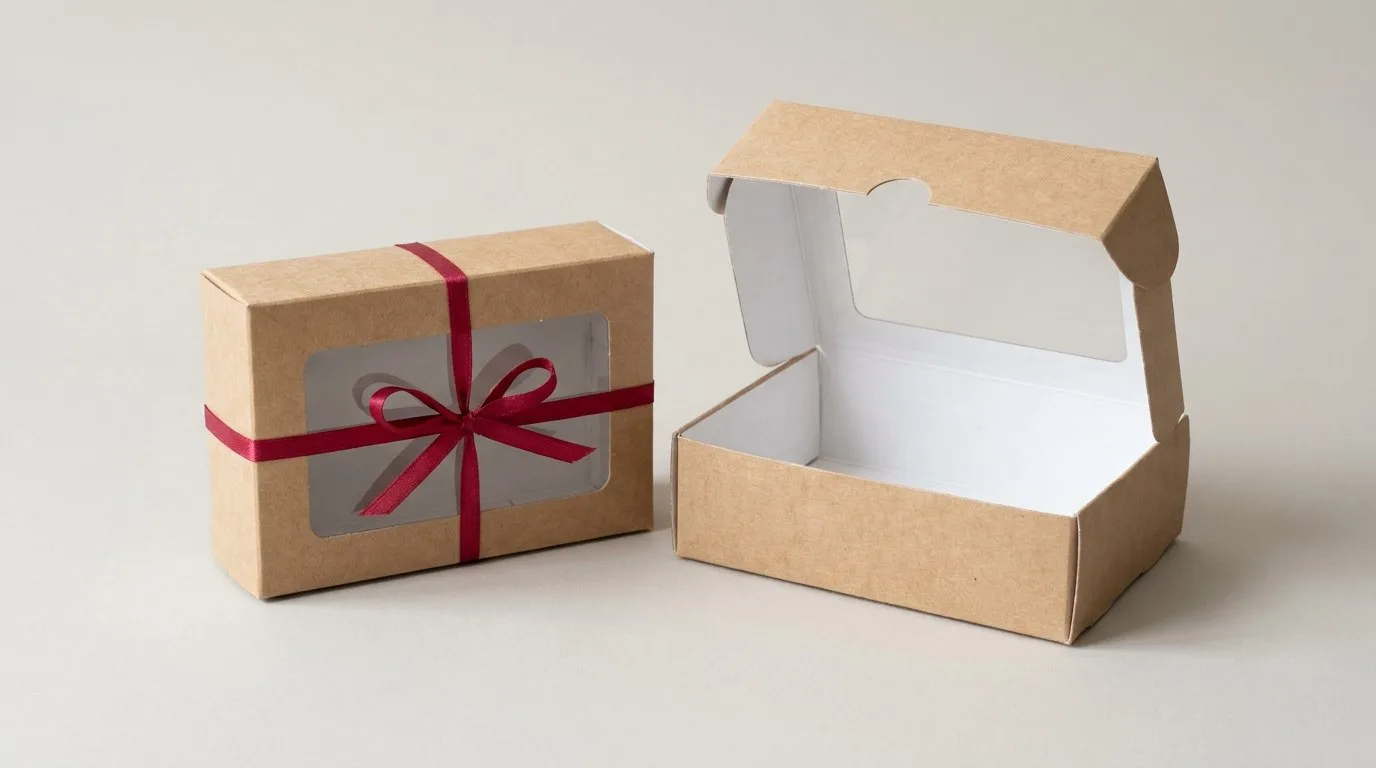
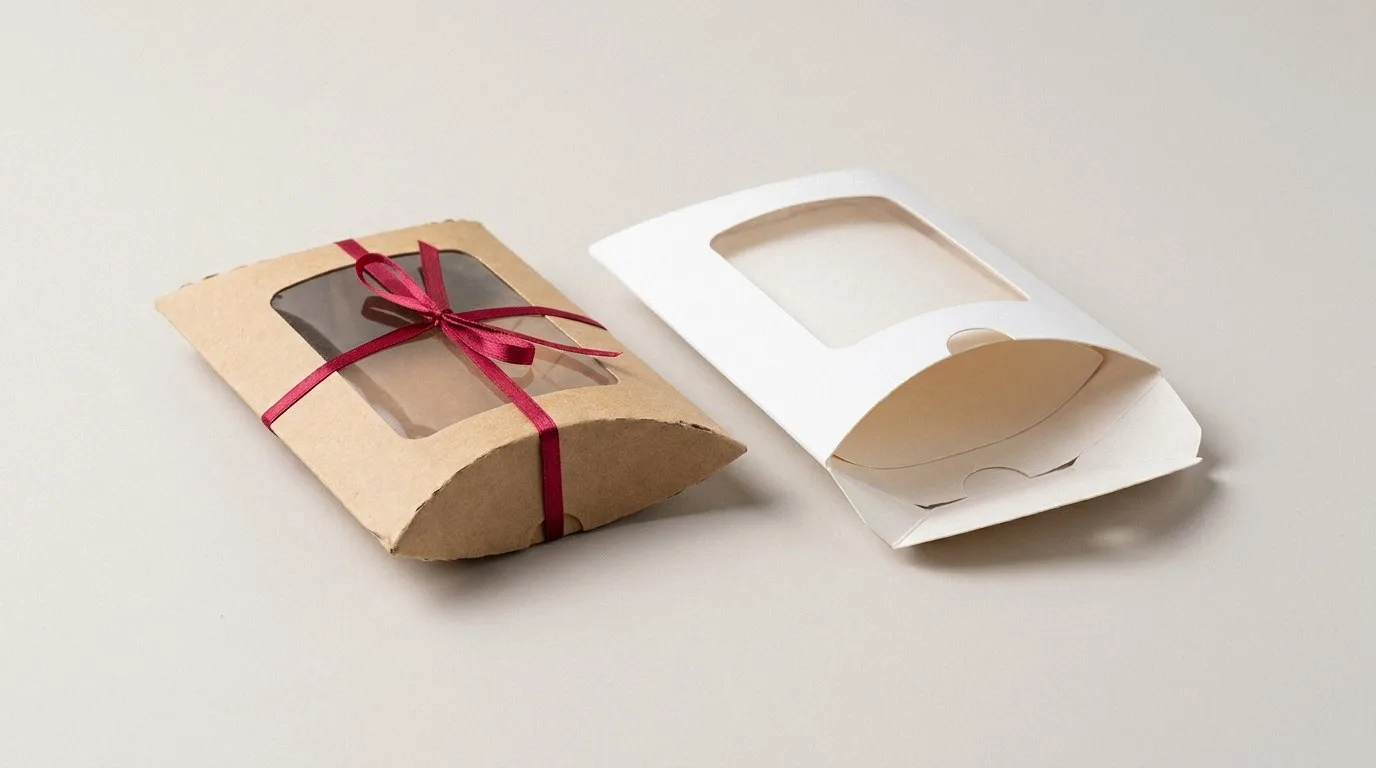
| Store shelves | Window box with a tray so TPR does not touch the film |
| Peg walls | Hang tab box with a reinforced hook |
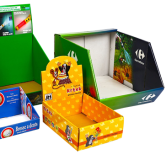
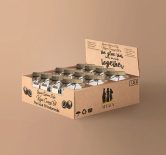
| Checkout and gift shops | Counter display of minis or blind boxes |
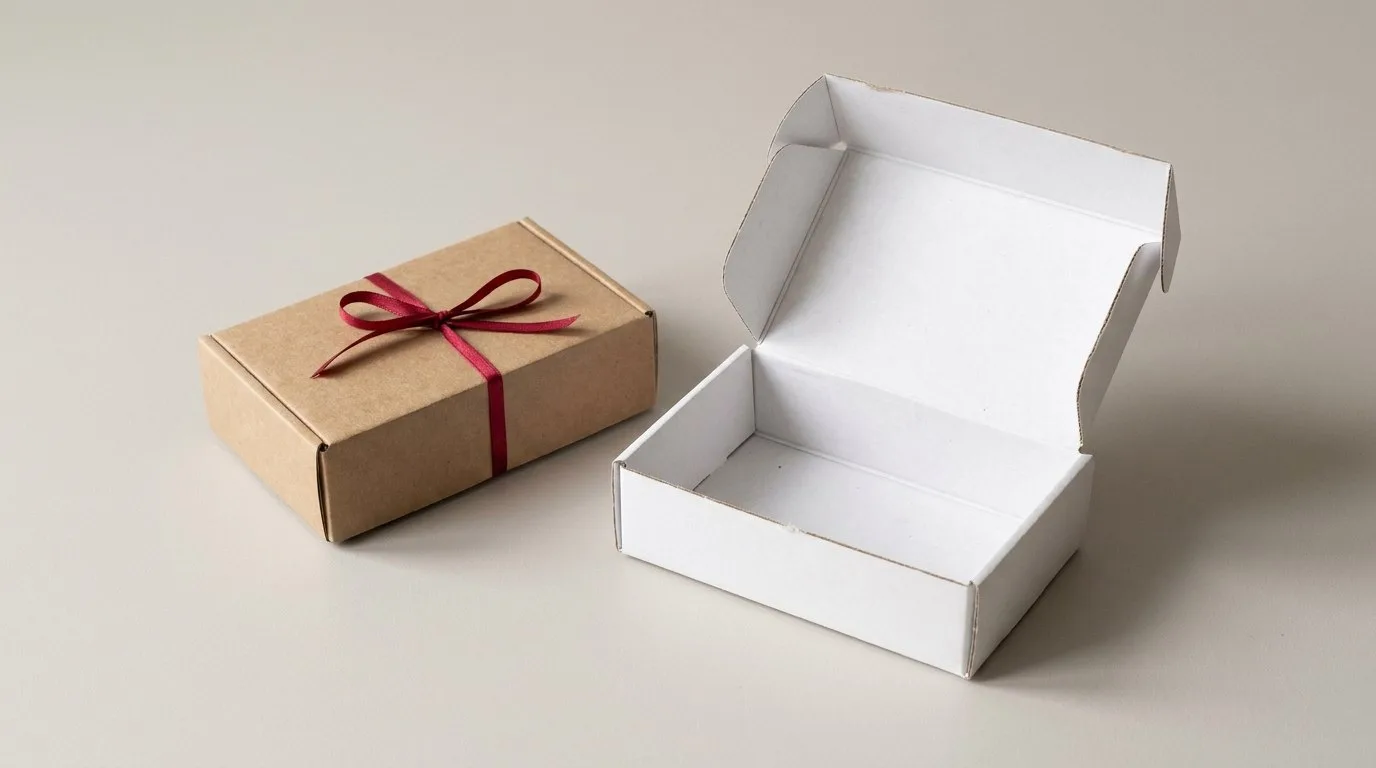
| Online orders and subscriptions | Mailer box printed inside the lid |
| Collectible series | Blind box with foil-lined bag and checklist card |
Step 4: Ship in a carton, not an envelope
Padded mailers are fine for flat, tough goods. Foam squishies lose: a sorting machine or a heavy parcel on top flattens them for hours. Ship foam squishies in a rigid carton. Fill gaps with paper so the box cannot shift, but do not pack so tight that the outer carton presses on the retail boxes. If you ship by the case to stores, size the master case so retail boxes stand upright and are not stacked crosswise on the toys.
Heat is the summer problem. Delivery vans get hot, and gel squishies soften and can leak. A sealed bag inside the box is the backstop.
Step 5: Print the right information on the box
Squishies sold to children in the U.S. carry the same labeling as other toys: a CPSIA tracking label, the country of origin, the producer or distributor name and address and, for small squishies for ages 3 to 6, the choking hazard warning. Squishies with water beads need the water bead warning that became mandatory in March 2026. In August 2026 the Consumer Product Safety Commission warned consumers about counterfeit squishies missing those labels and about burns from heating squishies, so a short "Do not heat or microwave" line on your box is worth the space. Details and citations are in our toy labeling guide.
Squishy packaging ideas that get remembered
- A window that frames the face. Squishies sell on expression. Die-cut the window to the character, not a plain rectangle.
- A scent callout. If it is scented, say which scent on the front. Shoppers pick them up to smell them anyway.
- A lineup on the back. Show the rest of the collection so one sale leads to the next.
- Inside-lid print on mailers. A short thank-you or a care tip is what ends up in unboxing videos.
- A display that ships filled. A counter display that doubles as the shipping tray saves the store a step, which store buyers notice.
Packing squishies at home, for small sellers
If you sell a few dozen a week from home, you can do all of this without custom packaging at first: clear self-seal bags, a stock carton the right size and paper fill. Move to printed boxes when you start wholesaling or selling in stores, because buyers there judge the box before the toy. We have no minimum order for first runs, so you can test a printed box on a small batch before committing.
Boxes, foil-lined or printed bags, displays and mailers, with free design and a free digital proof. Quotes within one business day.
Get a free quoteSquishy packaging options
Squishy packaging questions
How do you package a squishy?
Seal it in its own bag, put it in a box sized to the toy fully risen with a little air on every side, and ship that box inside a rigid carton.
How do you ship squishies without crushing them?
Use a rigid carton rather than a padded envelope, keep the toy at rest size inside its box, and fill gaps with paper so nothing shifts.
Why do squishies get sticky or dusty in packaging?
Stretchy TPR squishies have a tacky surface that picks up dust and lint and can cling to window film. An individual bag and a tray that keeps them off the film fixes it.
What packaging keeps a scented squishy smelling fresh?
A sealed bag. Scent fades in open air, so heat seal the bag rather than folding it.
What should be printed on a squishy box?
A tracking label, the country of origin, the producer or distributor name and address, the age grade and any required choking hazard or water bead warning. A do-not-heat line is also a good idea.