
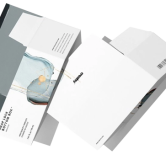


Custom cosmetic labels are printed labels cut to fit a jar, bottle, tube or box and carry your brand, product name and the information customers need. TBPB prints them with no minimum order, and our price-beat guarantee applies if you bring a written quote for the same specs.
Label first, because the container decides everything
A label is only as good as its fit on the surface. A flat label on a straight-sided jar is simple. A label wrapped around a tapered bottle, a tube with a crimped end or a pump with a ribbed collar is not. Before you design anything, measure the label area: height, the circumference it needs to cover, and whether the surface curves or tapers. Leave a gap of about 1/8 inch from seams, shoulders and edges so the label does not lift or wrinkle. If you are wrapping a bottle, note whether the ends should meet or leave a small gap, because that changes the width.
Materials, oils and moisture
Cosmetics are tough on labels. Oils, serums, creams, hand sanitizer and water on wet hands can all lift paper labels and blur ink. A plain paper label is a fair choice for dry, shelf-stable products such as bath salts or lip tint in a box. For products that meet oil or water, such as lotions, scrubs and shower items, a film label material resists moisture far better than paper. We can talk through the choice with you based on the product and container. Test a sample on a filled, handled container before you commit to a large quantity, because a label that looks perfect on an empty jar sometimes fails after a week in a bathroom.
What belongs on the label
Your front design needs the brand name, product name and size, and a back or wrap panel usually carries directions, ingredients and batch information. Labeling rules for cosmetics are set by regulators, and they vary by country and by product type. You are responsible for the legal text, such as ingredient lists and warnings, on your artwork. TBPB prints what you supply, so confirm the requirements with your own regulatory adviser before approving a run. A clean layout helps: keep the ingredient list in a readable type size and use a dark ink on a light background for small text.
Application matters as much as print. Apply labels to clean, dry containers at room temperature, press from the center outward to push out air, and give the adhesive time to set before the product is handled. A label that peeks up at one corner a day later usually went on a dusty or oily surface, not a bad label. If your filling line leaves residue on the outside of the jar, wipe it before labeling.
- Applications: jars, bottles, tubes, pumps, boxes and sleeves
- Materials: paper or film, chosen for oils, moisture and the container
- Print: CMYK or Pantone match, with matte or gloss finish
- Shapes: custom sizes and cuts to fit your container
- Quantity: no minimum order
Matte, gloss and the touch test
Gloss makes colors pop and works for bold or colorful brands. Matte looks calmer and tends to suit natural or clinical-leaning brands, and it hides fingerprints better. If your skincare brand is understated, matte with a single accent color is hard to beat. Whichever you pick, request a sample and handle it with wet and oily hands, since that is how customers will treat it.
Pairing labels with the right outer packaging
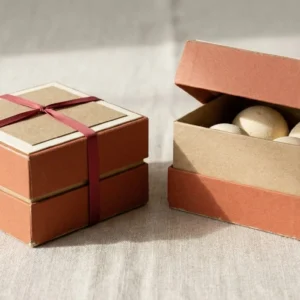
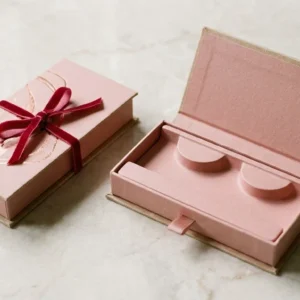
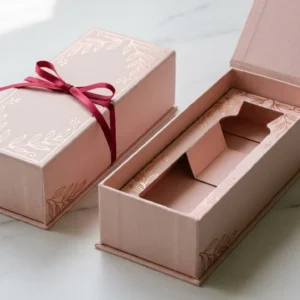
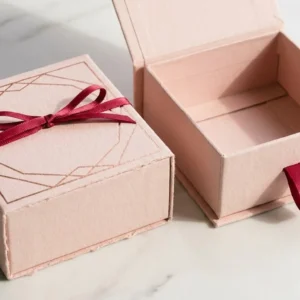
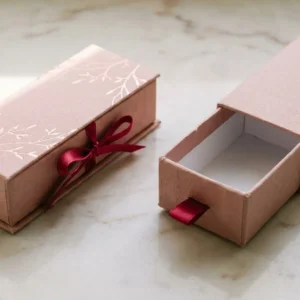
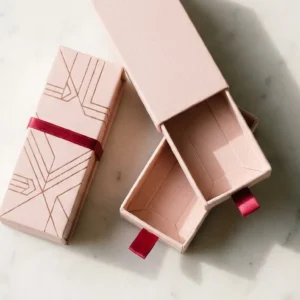
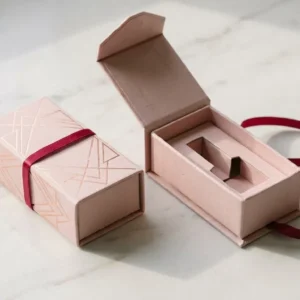
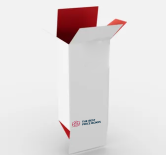
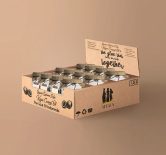
A good label deserves a matching box. Our cosmetic cardboard boxes hold bottles and jars, lip balm boxes suit the smallest items, and custom serum boxes are made for dropper bottles. Browse the full range in the cosmetic packaging category.
Next step: send the container size, label area and a quantity, even one, and TBPB quotes it and confirms the material with you.
Frequently asked questions
Is there a minimum order for custom cosmetic labels?
No. TBPB has no minimum order, so you can print a small batch of labels for a test run of a new product, or order thousands when you scale. Start with a sample to check fit and finish on your real containers.
What label material is best for cosmetics?
It depends on the product. Paper labels suit dry items, while film materials resist oils and moisture better, so they are safer for lotions, serums and shower products. Tell us what is in the container and how it is used, and we will advise.
How do I measure for a cosmetic label?
Measure the label area height and the distance around the container it must cover, then leave about 1/8 inch from seams and edges. Curved or tapered surfaces need extra care. Send the container details and we confirm the label size.
Do I need ingredients printed on the label?
Cosmetic labeling rules vary by country and product, and you are responsible for the legal text on your artwork. TBPB prints the artwork you supply, so confirm required information with your own regulatory adviser before approving a print.
Matte or gloss for a skincare label?
Matte looks calm and hides fingerprints, which suits natural and clinical brands. Gloss brightens color and suits bolder brands. A sample handled with wet or oily hands is the best way to decide before ordering a larger quantity.
Can labels match my boxes?
Yes. Labels and boxes can use the same artwork, colors and finish, so a jar and its carton look like one product. Order them together, with the same Pantone references, to keep color consistent across both.
More Cosmetic Packaging
See the full Cosmetic Packaging range, or explore related options with no minimum order and our best-price guarantee: