
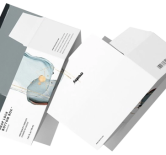
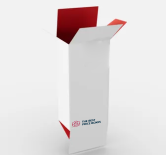
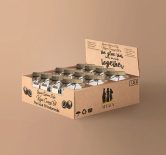
Custom coffee packaging costs less when you pick a pouch over a box, keep print to one or two colors, and size the bag to your actual fill weight. The price you pay comes from format, material, print, features like closures, and quantity. Nobody can quote it honestly without your dimensions and roast volume.
Reviewed by the TBPB packaging team, October 2026.
Quick facts
| Item | Answer |
|---|---|
| Minimum order | None. Order one pack or thousands |
| Common formats | Stand-up pouches, heat-seal mylar bags, gable boxes, coffee boxes |
| Lower-cost route | Printed stand-up pouch with one-color print |
| Quote needs | Fill weight, bag or box size, print colors, quantity |
| Features that add cost | Closures, windows, special finishes, inserts. Ask us what is available for your spec |
What makes custom coffee packaging cost more or less?
Format sets the baseline and everything else adjusts it. A flat sealed pouch is the lightest build. A stand-up pouch has a gusset and a larger sheet. A gable box adds board, cutting and folding. After format come size, material, print coverage, optional features and quantity.
| Driver | What it changes |
|---|---|
| Format | Pouch, mylar bag or box sets material and labor |
| Size | Bigger bags use more film or board |
| Material | Paper, kraft and mylar films behave differently |
| More ink colors and full coverage cost more | |
| Features | Closures and windows add parts or steps |
| Quantity | Setup is shared across the run |
Pouch, mylar bag or gable box: which is cheaper for coffee?
A pouch is usually the cheapest finished unit, a mylar bag sits near it and adds barrier protection, and a gable box costs the most because it uses board and needs folding. Cheaper does not always mean better. Coffee loses aroma to oxygen and moisture, so a bag format with a good barrier often protects the product better than a paper box does. Boxes work well as outer packaging for sampler sets or gifts, with the coffee sealed in a bag inside.
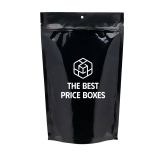
We list stand-up pouches, heat-seal mylar bags and a kraft paper gable box. Browse the full coffee boxes and mylar bags categories to compare formats.
How do I size coffee packaging so I do not overpay?
Start with fill weight and bean density, not guesswork. Coffee is dense, so a bag that holds twelve ounces of beans has a different footprint than one holding twelve ounces of a puffed snack. The method:
- Weigh your usual fill, for example 12 oz of whole bean.
- Pour it into a sealed bag you already own and measure the filled width, height and gusset depth.
- Add headspace above the fill line for the seal, usually an inch or two depending on the bag.
- Send those numbers with the quantity for a dieline and a quote.
A bag that is two inches too tall costs more in film and wastes shelf space. A bag that is too small forces you to underfill, and customers notice.
A worked example: three roasts, one launch
Say you roast three coffees and sell each in a twelve-ounce bag. The expensive way is three different bag sizes, each fully printed in different colors. The lean way is one bag size for all three, one bold print on the bag, and a small label or sticker that names the roast. You order one size in one run, the quantity climbs, setup is shared, and a new roast later needs only a new label instead of a new print job. The trade-off is that your shelf looks more uniform. Many small roasters find that uniformity reads as confident.
Which features add cost, and which are worth it?
Closures, windows, special finishes and inserts each add a step. The ones that earn their keep for coffee are the ones that protect freshness: a reliable seal and a barrier material. Cosmetic extras matter less to repeat buyers than a bag that stays fresh. We do not confirm a feature until we have checked it against your exact spec, so ask us before you design around one.
How do I compare two coffee packaging quotes?
Line them up on format, finished size, material, print colors, features, quantity and whether design, proofs and shipping are included. A lower quote with thinner material or one fewer print color is a different product.
Where we would not cut cost: barrier and seal quality. Cheaper print is fine. A bag that lets coffee go stale hurts your reviews more than any design saving helps your margin. If you sell coffee commercially, the label and regulatory copy are yours to confirm for the rules that apply to your product, and we print the artwork you send. Our coffee packaging guide goes deeper on formats.
Questions buyers ask
How much does custom coffee packaging cost?
It depends on the format, size, material, print coverage and quantity, so a real figure needs your spec. Pouches and bags generally cost less per unit than rigid or gable boxes. Send your bag size and quantity and we will price the exact build.
Is there a minimum order for custom coffee packaging?
No. Order a handful of pouches to test a roast, or thousands for a retail launch. Very small runs cost more per unit, and that gap narrows quickly as the quantity grows.
Is a pouch or a box cheaper for coffee?
A pouch usually is, because it uses less material and skips the folding and gluing. A box suits gift sets and sampler packs, and a pouch suits everyday retail bags. Many roasters run both.
Does one-color print really save money?
Usually, because fewer print passes means less setup. A strong logo on kraft with one ink color often looks better than a crowded full-color design, and it reads well on a shelf from a few feet away.
How do I get a quote and a dieline for coffee packaging?
Send the bag or box size, your fill weight and the quantity to our team. We return a dieline and a written quote, and you approve the dieline before printing. Free design help is available if your artwork is not ready.
Can you beat a competitor quote on coffee bags?
Yes, when the written quote matches our spec on format, size, material, print and quantity. Send it over and we will beat it. Quotes for a different bag size or lighter material are not a like-for-like comparison.
How much does custom coffee packaging cost?
It depends on the format, size, material, print coverage and quantity, so a real figure needs your spec. Pouches and bags generally cost less per unit than rigid or gable boxes. Send your bag size and quantity and we will price the exact build.
Is there a minimum order for custom coffee packaging?
No. Order a handful of pouches to test a roast, or thousands for a retail launch. Very small runs cost more per unit, and that gap narrows quickly as the quantity grows.
Is a pouch or a box cheaper for coffee?
A pouch usually is, because it uses less material and skips the folding and gluing. A box suits gift sets and sampler packs, and a pouch suits everyday retail bags. Many roasters run both.
Does one-color print really save money?
Usually, because fewer print passes means less setup. A strong logo on kraft with one ink color often looks better than a crowded full-color design, and it reads well on a shelf from a few feet away.
How do I get a quote and a dieline for coffee packaging?
Send the bag or box size, your fill weight and the quantity to our team. We return a dieline and a written quote, and you approve the dieline before printing. Free design help is available if your artwork is not ready.
Can you beat a competitor quote on coffee bags?
Yes, when the written quote matches our spec on format, size, material, print and quantity. Send it over and we will beat it. Quotes for a different bag size or lighter material are not a like-for-like comparison.
How to order
Send your fill weight, the bag or box size you have in mind and your quantity, even if it is one. We return a dieline and a written quote, and you approve the dieline before printing. If you have a competitor quote for the same spec, send it and we will beat it. Design help, samples and shipping are free. Start from the quote request form, or look at our custom bags if you are still choosing a format.