

Coffee packaging has one enemy above all others: air, and the time it has to work. Fresh-roasted coffee gives off carbon dioxide for days after roasting and goes stale fast once oxygen, light, and moisture reach it. Good coffee packaging solves both problems at once, with a barrier that seals the bag and a one-way valve that lets the coffee breathe out without letting air back in. Get the bag right and your coffee tastes the way it did the day it was roasted.
The one-way degassing valve
The little plastic valve on the front of a coffee bag is the single most important part. Freshly roasted beans release carbon dioxide for one to two weeks, and if you seal them in a bag with no valve, the bag swells and can split. The one-way degassing valve lets that carbon dioxide escape while blocking oxygen from getting in, so you can bag coffee right after roasting and it stays fresh instead of ballooning. If you are packaging fresh-roasted coffee, the valve is not optional.
The barrier that keeps coffee fresh
A coffee bag is usually a foil laminate, layers that block oxygen, light, and moisture, the three things that turn coffee stale and flat. A clear or paper-only bag looks nice but lets light and air through, so most quality coffee uses a foil or metalized barrier bag, sometimes with a small window. The barrier is what buys you shelf life; the valve is what lets you bag fresh. You want both.
Bag styles and which to pick
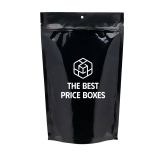
Coffee bags come in a few shapes. A side-gusset bag is the classic brick shape with flat sides, the traditional look and efficient to ship. A stand-up pouch stands on a shelf and gives you a bigger front for branding. A flat-bottom or box-pouch bag is the premium option, a rigid, upright bag with five printable panels that looks like a little box. A tin-tie bag has the fold-down top with a metal strip, common for whole bean and a friendly, local-roaster look. Pick the style for how the coffee sells: shelf presence, shipping, or a hand-sold feel.
Closures: tin-tie, zipper, or heat seal
How the bag closes shapes the customer experience. A tin-tie folds and pinches shut, simple and reusable but not airtight once opened. A resealable zipper keeps the coffee fresher after the first open and is what most retail coffee uses now. A plain heat seal is the cheapest and most airtight but single-use. For retail bags people reseal daily, a zipper is worth it; for a gift or single-serve pack, a heat seal or tin-tie is fine.
Sizes that match how coffee sells
Coffee bags follow the weight of the coffee, and the common retail sizes are 12 ounce and 1 pound, with 2 pound and 5 pound bags for wholesale and subscriptions. Match the bag to the weight and the grind, because whole bean takes more volume than ground, so a 12 ounce whole-bean bag is bigger than a 12 ounce ground bag. Order to your actual fill rather than guessing, since a bag that is too big looks half empty on the shelf.
Print it like the billboard it is
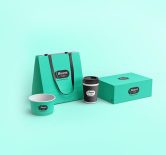
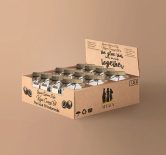
Coffee is a crowded shelf, so the bag is your billboard. Full-color printing, a matte finish for a craft feel or gloss for pop, a window to show the beans, and a clear spot for roast date and origin all help. On a flat-bottom bag you get five clean panels to work with; on a stand-up pouch the front does the heavy lifting. If you also sell gift sets or subscriptions, printed coffee boxes give you an outer package to match the bags.
No minimum for small roasters
Most coffee bag suppliers start you at 1,000 or more, which is a lot of bags for a roaster testing a new blend or a small local operation. We are The Best Price Boxes, and we print coffee packaging with no minimum, so you can order the quantity your roast actually needs and reorder as you grow. Send your bag style, size, and quantity for a quick quote, and if you have a written quote from another supplier, send it and we will try to beat it.
Frequently asked questions
Why do coffee bags have a little valve on the front?
It is a one-way degassing valve. Fresh-roasted coffee releases carbon dioxide for one to two weeks, and the valve lets that gas escape while blocking oxygen from getting in, so the bag does not swell and the coffee stays fresh.
What coffee bag keeps beans freshest?
A foil-laminate bag with a one-way degassing valve and a resealable zipper. The foil blocks oxygen, light, and moisture, the valve lets fresh coffee breathe out, and the zipper keeps it fresh after opening.
What is the difference between a side-gusset and a flat-bottom coffee bag?
A side-gusset is the classic brick shape with flat sides. A flat-bottom, or box-pouch, stands upright like a little box with five printable panels and looks more premium. Both work; it comes down to shelf look and budget.
Do I need a zipper on my coffee bag?
If customers reseal the bag between uses, a zipper keeps the coffee fresher and is worth it. For single-use or gift packs, a heat seal or tin-tie is fine.
What size coffee bag do I need?
12 ounce and 1 pound are the common retail sizes, with 2 and 5 pound for wholesale. Whole bean needs more volume than ground, so match the bag to the weight and grind you actually fill.
What is the minimum order for coffee packaging?
We have no minimum, so a small roaster can order the exact quantity a blend needs and reorder as it grows. Many suppliers start at 1,000 or more.
Related guides and where to order
- coffee packaging (order with no minimum, free design and samples)
- How Much Does Custom Coffee Packaging Cost?
- Coffee Bag Types and Freshness Features Explained
- The Complete Guide to Custom Coffee Packaging
- Ready to order? Get a free quote or estimate your cost.