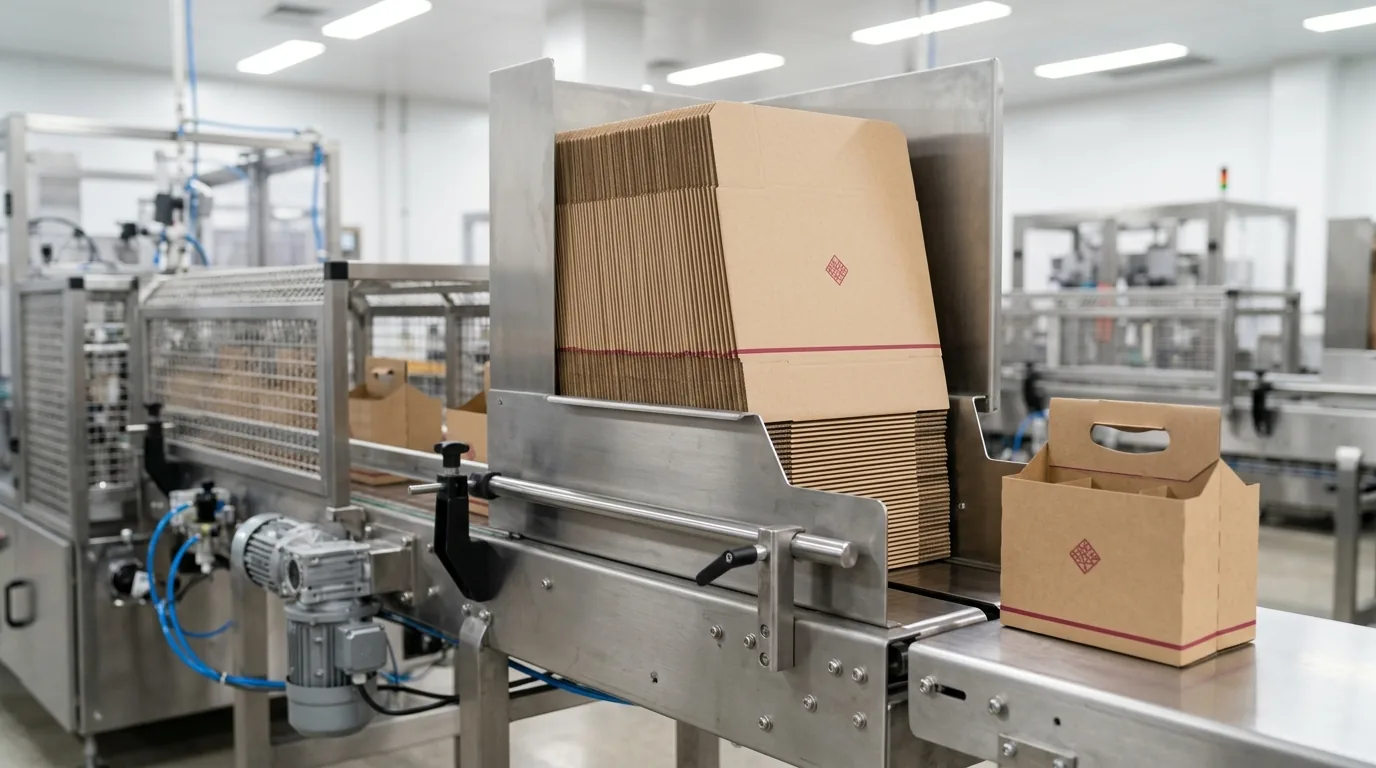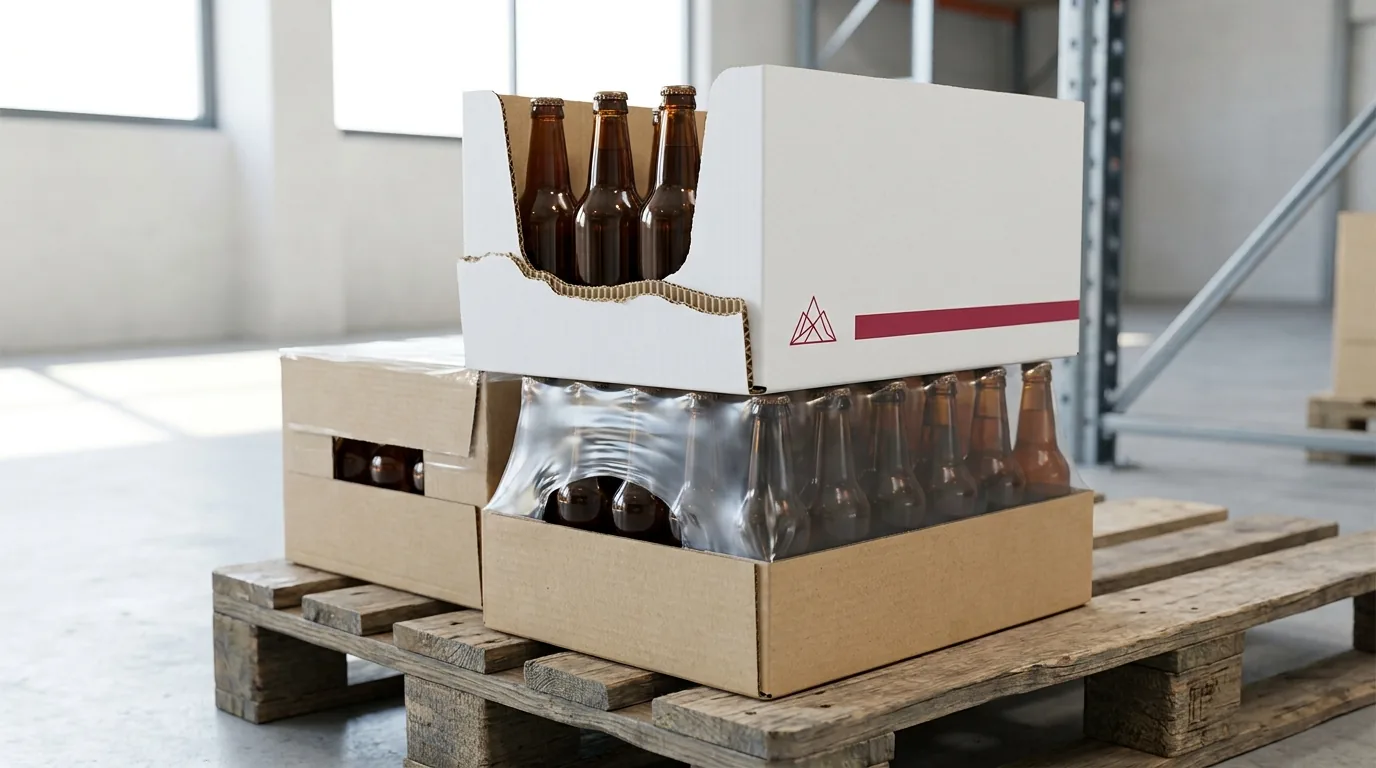

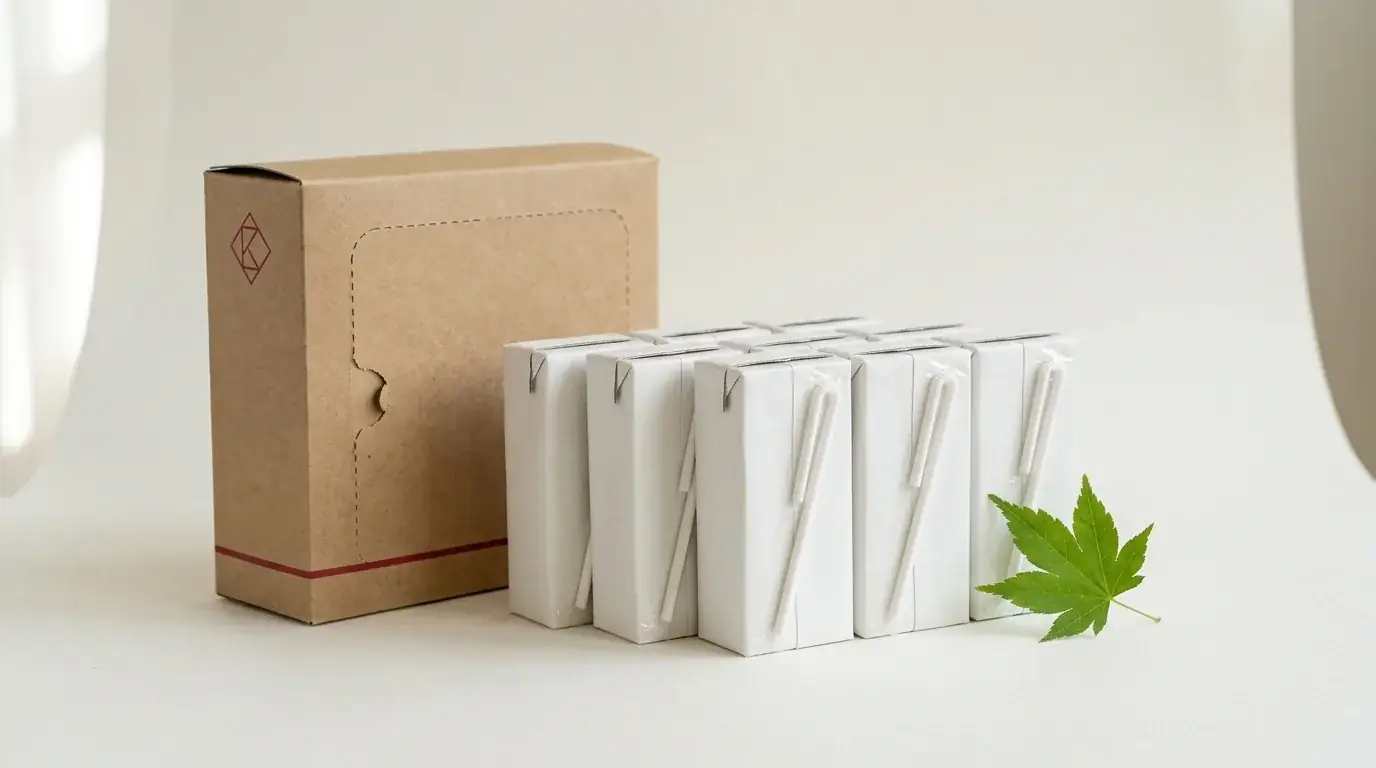
The juice box itself, the small aseptic brick with a straw, is a laminate of paperboard, polyethylene and aluminum that only a few large converters make and that is recyclable only where a carton recycling program exists. The packaging a brand can actually change is everything around it: the multipack carton, the sleeve, the tray and the shipping case, and those can be made from recyclable paperboard with water-based ink and no plastic film. This guide separates the two, explains what eco-friendly can honestly mean for each, and lists the claims you can put on the pack without getting a letter from a regulator.
Two different packages, two different answers
People search for eco-friendly juice box packaging and mean one of two things. Some mean the primary container: the brick, the pouch or the bottle the juice is in. Others mean the retail pack: the printed carton that holds eight or ten bricks, the sleeve around a pair of bottles, the tray a case ships in. A custom packaging company makes the second kind. The custom juice boxes page is for those multipacks and sleeves, and this guide is about making them as honestly sustainable as possible. For the primary container, the useful thing we can do is tell you plainly what each option is made of so your marketing does not overclaim.
| Primary container | What it is made of | End of life in the US |
|---|---|---|
| Aseptic brick (juice box) | About three quarters paperboard by weight, with thin layers of polyethylene and aluminum foil | Recyclable only in programs that accept cartons; coverage is growing but not universal |
| Gable top carton | Paperboard with polyethylene, no foil | Accepted by carton recycling programs; refrigerated only |
| PET bottle | Polyethylene terephthalate plastic | Widely recycled; recycled content bottles available |
| Glass bottle | Glass | Widely recycled; heavy to ship |
| Spouted pouch | Multi-layer plastic film | Generally not recyclable curbside |
What a brand can change: the paperboard around the juice
The multipack carton is where a juice brand has real freedom. It is a folding carton, and every choice about it either supports or undermines a sustainability claim.
| Choice | Greener option | Why it matters | Claim it supports |
|---|---|---|---|
| Fiber | Certified virgin kraft (FSC or SFI) or recycled board (CRB) for dry shelf packs | Certified fiber traces to managed forests; recycled board reuses fiber already in circulation | “FSC certified” or “made with recycled content” with the certificate on file |
| Coating | Aqueous coating instead of film lamination | Aqueous coatings do not interfere with paper recycling; a plastic film can | “Recyclable” in curbside paper programs |
| Ink | Water-based or soy-based inks | Lower solvent content and easier de-inking at the mill | Supports the recyclable claim; do not claim “non-toxic” without testing |
| Structure | Paperboard wrap or tray instead of shrink film or plastic rings | Removes a plastic component entirely | “Plastic-free multipack” |
| Size | Right-sized dieline with no empty space | Less board per pack, more packs per pallet, fewer trucks | “Reduced packaging” only if you can show the before and after |
| Window | No window, or a paper-based window | A plastic window is a hole in the recycling claim | Keeps the pack mono-material |
Recyclable, compostable, biodegradable: use the right word
A plain paperboard carton with aqueous coating and water-based ink is recyclable in almost every US curbside program, and that is the claim to make. Compostable is a different standard that needs certification for the specific material and coating, and it is rarely worth chasing for a carton that will go in the paper bin anyway. Biodegradable is the word to avoid: the Federal Trade Commission’s Green Guides treat it as a claim that the whole item breaks down within a year in a landfill, which paperboard in a landfill does not reliably do. Say recyclable, say what it is made of, and put the how-to-recycle instruction on the pack.
Kids’ multipacks: the 8 and 10 count
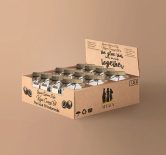
The most common juice box multipack holds eight or ten bricks in two rows, in a fully enclosed paperboard carton with a tear-open front or a handle. Because the bricks are light and dry, this is one of the few beverage cartons where recycled board is a sensible choice: a 20 pt clay coated recycled board carries ten bricks comfortably on a dry shelf. If the pack will be sold from a cooler, move to coated unbleached kraft. The structure and board choices are covered in the beverage folding cartons guide.
Sleeves and carriers for bottled juice
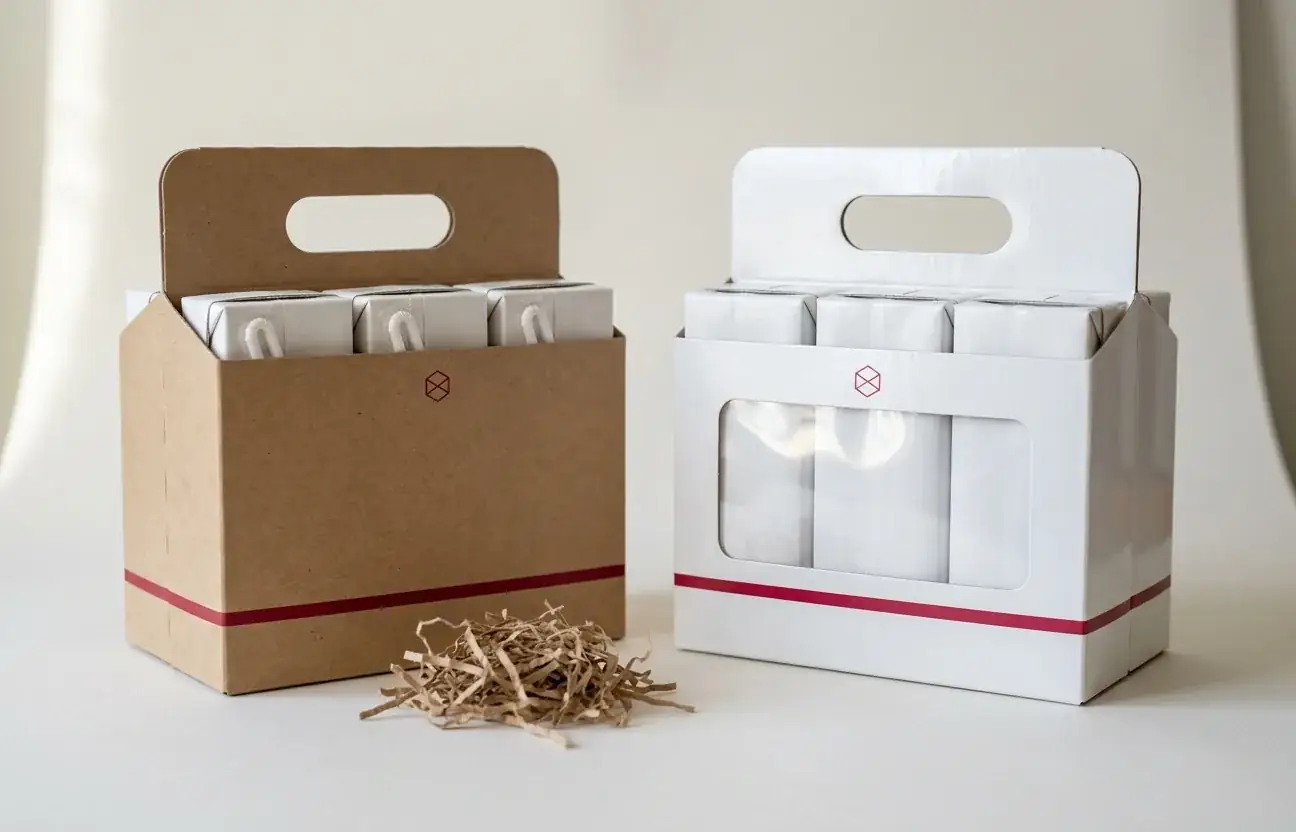
Cold pressed and premium juice in glass or PET usually sells as singles or pairs, and the pack is a printed sleeve or a two-bottle carrier rather than a closed carton. A kraft sleeve with a die cut window shows the color of the juice, which sells the product, and if the window is left open rather than filled with plastic film the sleeve stays mono-material. A basket carrier for four bottles on wet-strength kraft handles the cooler and recycles with paper. The carrier guide explains the basket structure, and bottle neckers are the lightest way to add a message without adding a box.
Shipping cases and trays
The outer case is the biggest single piece of board in the chain, and it is where right-sizing pays most. A tray plus a paperboard hood replaces a tray plus shrink film without changing the pallet pattern. A case cut to the exact pack size instead of the nearest stock size removes void fill. Corrugated is among the most recycled materials in the country, so the honest improvement here is less of it rather than a different kind of it. The corrugated drink trays guide covers the structures.
What to send for a quote
- The primary container: brick, bottle or pouch, with a sample if possible
- Count per pack and whether it is a closed carton, a sleeve or a carrier
- Shelf or cooler
- The sustainability claims you want to make on the pack, so the board and coating are chosen to support them
- Quantity and date needed
- Artwork, or a request for free design help
There is no minimum order, dielines and proofs are free, and shipping is free. Request a quote and a specialist replies within one business day. Board and coating swatches are free first; see packaging samples. For the wider set of food packaging materials and their food contact rules, see custom food packaging.
Eco-friendly juice packaging FAQs
Are juice boxes recyclable?
The aseptic brick is recyclable only where a carton recycling program exists, because it is a laminate of paperboard, polyethylene and aluminum. The paperboard multipack carton around it is recyclable in almost any curbside paper program if it has an aqueous coating and no plastic film.
What is the most eco-friendly juice multipack?
A right-sized paperboard carton or wrap made from certified or recycled fiber, printed with water-based ink, finished with an aqueous coating, with no plastic window and no shrink film. That pack is mono-material and curbside recyclable.
Can I call my juice packaging biodegradable?
Avoid it. Under the FTC Green Guides, biodegradable implies complete breakdown in a landfill within about a year, which paperboard does not reliably do. Say recyclable, state the material, and put recycling instructions on the pack.
Is recycled paperboard strong enough for juice packaging?
For a dry shelf multipack of light bricks, yes: 20 pt clay coated recycled board carries eight or ten juice boxes well. For cooler packs or glass, use coated unbleached kraft with wet-strength treatment.
Is there a minimum order for eco-friendly juice cartons?
No. The Best Price Boxes prints juice multipacks, sleeves and carriers with no minimum order, with a free dieline and digital proof and free shipping.