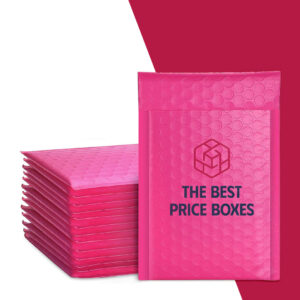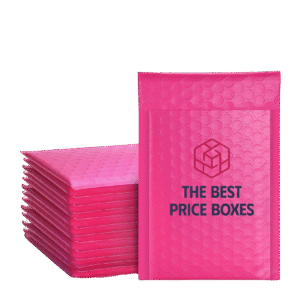

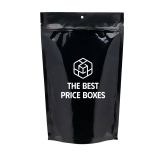
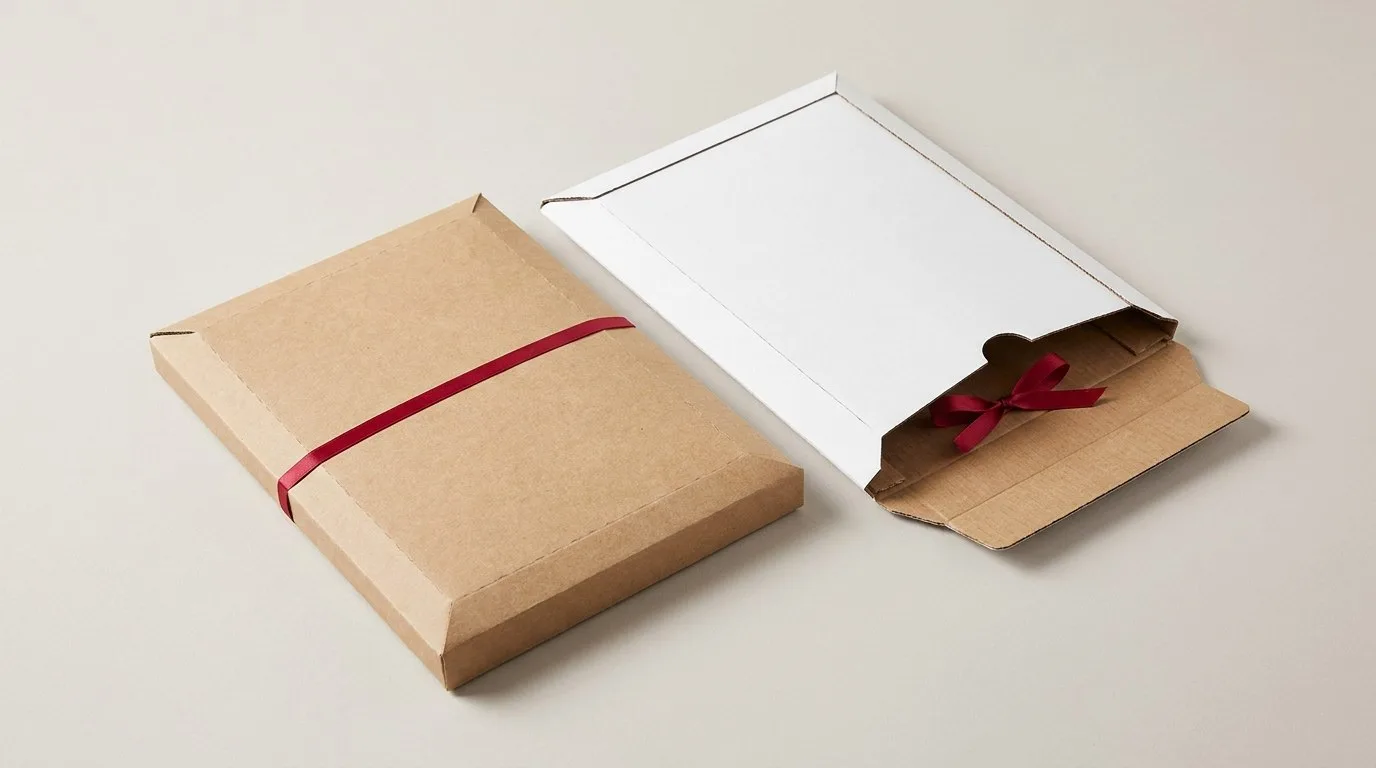


A custom poly mailer is a lightweight, tear-resistant plastic shipping bag with a self-seal strip, printed with your branding, that ships soft goods without a box. TBPB prints them with no minimum order, and the price-beat guarantee means we will beat a written quote for the same specs.
What poly mailers are good at
Poly mailers are the lightest and flattest way to ship anything that does not break: T-shirts, hoodies, leggings, swimwear, soft toys, towels, bedding and other folded goods. The film resists rain, it adds almost no weight, and a stack of empty mailers takes up almost no storage space. Posting a poly mailer usually costs less than posting the same item in a box, which is why apparel brands default to them.
Where they fall short is protection. There is no cushioning, nothing stops a corner from pressing through, and a rigid item will show its outline. For anything fragile or with hard edges, use a poly bubble mailer, a padded mailer or a box.
Choosing film and opacity
Most poly mailers are made from multi-layer polyethylene film. A white or light inner layer, with a dark layer between, blocks the see-through effect, so a customer cannot read what is inside. This matters for apparel and for any discreet purchase. Co-extruded film in a matte or gloss finish changes the feel: gloss shows color sharply, matte looks calmer and hides scuffs better. Thicker film resists punctures and handles heavier loads, although it adds a little weight and cost.
Sizing a mailer around a folded product
Fold the product the way you will pack it, lay it flat and measure width and length. Then compare it to the usable inside dimensions of the mailer, which are smaller than the outside because of the seal strip and seams. Leave a little slack. A mailer pulled tight stresses the seam, and one that is too large flaps and wastes film. If you sell several garment weights, order several sizes, with no minimum order on any of them.
- Self-seal strip with peel liner
- Custom sizes, from small accessory bags up to large garment mailers
- Opaque film options, matte or gloss
- Outside print in your logo or a full design
Printing and the sustainability question
Keep artwork bold. Large logos and flat colors print cleanly on film, while fine hairlines can fill in. Avoid placing text across the seal strip. Customers increasingly ask about recycling, and plastic mailers are not accepted in every curbside program. If that matters for your audience, say so when you request a quote and we can talk through the options.
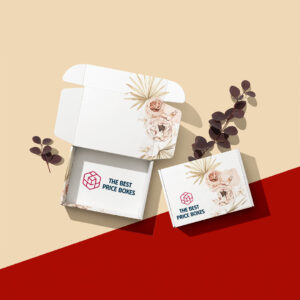
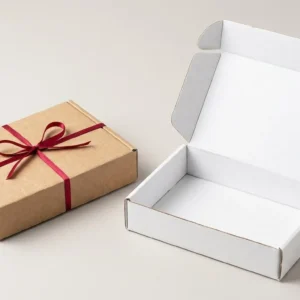
For a gifting presentation, pair the mailer with our custom tissue paper inside, or ship in a custom mailer box instead. Other mailers are collected in our mailer boxes category.
Packing habits that cut returns
Most poly mailer complaints come from packing, not from the bag. Fold garments flat and square, not rolled, so the parcel lies evenly and goes through sorting machines without jamming. Press the air out before sealing; a puffed-up mailer bursts more easily and costs more to ship by volume. Peel the liner slowly, line up the strip and press from the center outward so the adhesive bonds without wrinkles. Do not overstuff, because a mailer filled to its limit stretches the seam and shows every edge of the product. Put a packing slip in a small bag or inside the folds so it does not slide around, and keep a few spare sizes at the packing bench so staff never force a large item into a small bag.
How to order
Send the folded product dimensions and the quantity you want, even if it is just one. TBPB confirms the size and layout and quotes it.
Frequently asked questions
Is there a minimum order for custom poly mailers?
No. TBPB has no minimum order for custom poly mailers. Order a sample quantity to check the size and print, then reorder in larger quantities.
What can I ship in a poly mailer?
Soft, folded goods such as T-shirts, hoodies, leggings, towels and soft toys. Avoid fragile or sharp-edged items, since poly mailers have no cushioning. Use a bubble mailer or a box for those.
How do I choose the right size?
Fold the product as you will pack it and measure its width and length. Compare that with the mailer’s usable inside size, which is smaller than the outside. Leave a little slack for a clean seal.
Can people see through a poly mailer?
Not with a good multi-layer film. A dark middle layer between lighter surfaces blocks see-through, so the contents stay private. Mention opacity when you request a quote and we will confirm the build.
Are poly mailers waterproof?
They resist rain and splashes well. A damaged seam or a sealed edge can still let water in under heavy exposure, so for sensitive items add an inner bag. They are not a guarantee against flooding.
Can poly mailers be recycled?
Plastic mailers are not accepted in every curbside program, so check what your customers’ local collection takes. Tell us if recyclability matters for your audience and we will discuss the options.
More Custom Mailer Boxes
See the full Custom Mailer Boxes range, or explore related options with no minimum order and our best-price guarantee: