


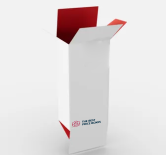

The short answer
Choose a rigid box when you want a premium, luxury feel and the unboxing is part of the brand, and you can accept a higher unit cost. Choose a folding carton when you want a lighter, lower cost box that ships flat and works well for retail and everyday products. Many brands use both: rigid for flagship and gift lines, folding cartons for standard products.
Feel and brand perception
Rigid boxes feel solid and expensive because of their thick chipboard core, which signals luxury the moment a customer picks one up. Folding cartons are thinner and lighter, which is perfect for retail shelves and everyday products but does not carry the same premium weight. If the product is a gift or a flagship, rigid wins on perception.
Protection
Rigid boxes are strong and protective for premium items, especially with a fitted insert. Folding cartons protect well for their weight and can be paired with inserts too, but for heavy or fragile flagship products the rigid structure feels more secure and premium.
Cost
Folding cartons cost less per unit because they use less material and are machine assembled. Rigid boxes cost more due to material and hand assembly. If budget is the priority and the product does not need a luxury feel, the folding carton is the straightforward choice. If perception matters, the rigid box earns its cost.
Shipping and storage
Folding cartons ship and store flat, which saves space and freight. Rigid boxes are often shipped set up or partially assembled, which takes more space. For high volume everyday products, the folding carton is more efficient. For premium lines, the rigid box is worth the space.
Folding cartons and rigid boxes at a glance
| Folding carton | Rigid box | |
|---|---|---|
| Construction | One die cut paperboard sheet, folded and glued | Thick chipboard frame wrapped in printed paper |
| Weight and feel | Light, thin walled | Heavy, sturdy, premium |
| Ships and stores flat | Yes, flat until use | No, except collapsible rigid |
| Best for | Cosmetics, food, retail cartons, everyday SKUs | Luxury, gifting, hero products |
| Relative cost | Lower | Higher |
How to decide
If the product is premium, a gift, or a flagship and the unboxing matters, choose rigid. If the product is everyday or retail and cost and efficiency matter most, choose a folding carton. When in doubt, request free samples of both and see how each feels with your product. Our team will help you choose, and many brands use each where it fits.
Frequently asked questions
Are rigid boxes worth the extra cost? For premium, gift, and flagship products where perception drives the sale, yes. For everyday products, a folding carton is often the smarter choice.
Can I use both? Yes. Many brands use rigid boxes for premium lines and folding cartons for standard products.
Which ships more efficiently? Folding cartons, because they ship and store flat.
Related guides and where to order
- custom rigid boxes (order with no minimum, free design and samples)
- How Much Do Custom Rigid Boxes Cost?
- Rigid Box Styles Explained: How to Choose
- Corrugated vs Cardboard vs Rigid Boxes: How to Pick the Right One
- Ready to order? Get a free quote or estimate your cost.