

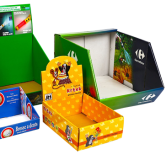



“Cardboard” is a loose word, so the real choice is between three constructions: corrugated, the fluted board used for shipping boxes and mailers; paperboard folding cartons, the thin cardstock used for retail boxes; and rigid setup boxes, the thick premium boxes that feel like a gift. Corrugated protects in transit, folding cartons are cheap and look sharp on a shelf, and rigid is for a premium unboxing. Here is how to tell which one your product actually needs.
First, “cardboard” is not one thing
Most people say cardboard for any brown box, but in packaging it splits into two very different materials. Corrugated has a wavy fluted layer glued between flat liners, which is where its strength comes from. Paperboard is a single solid sheet, thinner and lighter. Rigid is a third thing again, built around a thick chipboard core. Getting these straight is half the decision, because they are not interchangeable.
Corrugated boxes
Corrugated is the workhorse for anything that ships. The fluted middle layer cushions impact and resists crushing, and the board is rated by ECT, so a 32 ECT board handles most ecommerce shipments and 44 ECT or higher carries heavier loads. Use corrugated for mailer boxes, shipping boxes, and any product that travels to a customer without an outer carton. The full detail on flutes and board strength is in our corrugated boxes guide.
Paperboard folding cartons
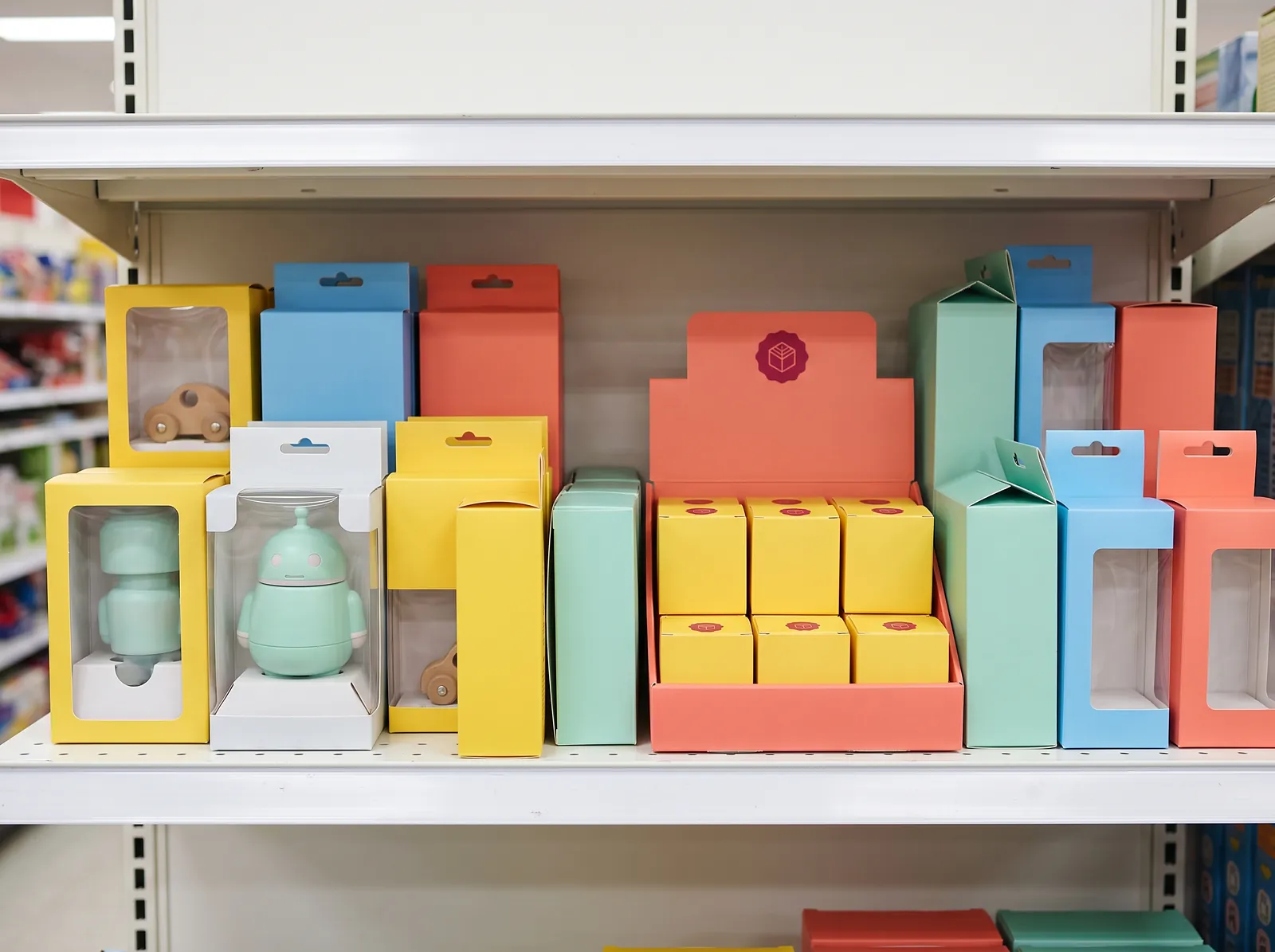
Folding cartons are the thin printed boxes you see on retail shelves, made from cardstock measured in points (pt), usually 14pt to 24pt. They are the cheapest custom format because the material is light and they ship and store flat, and they take sharp full-color print well. Use them for light retail products like cosmetics, supplements, and food boxes, where the box sits on a shelf or a customer carries it, not where it has to survive the mail on its own. The tuck-end boxes guide covers the folding carton styles.
Rigid boxes
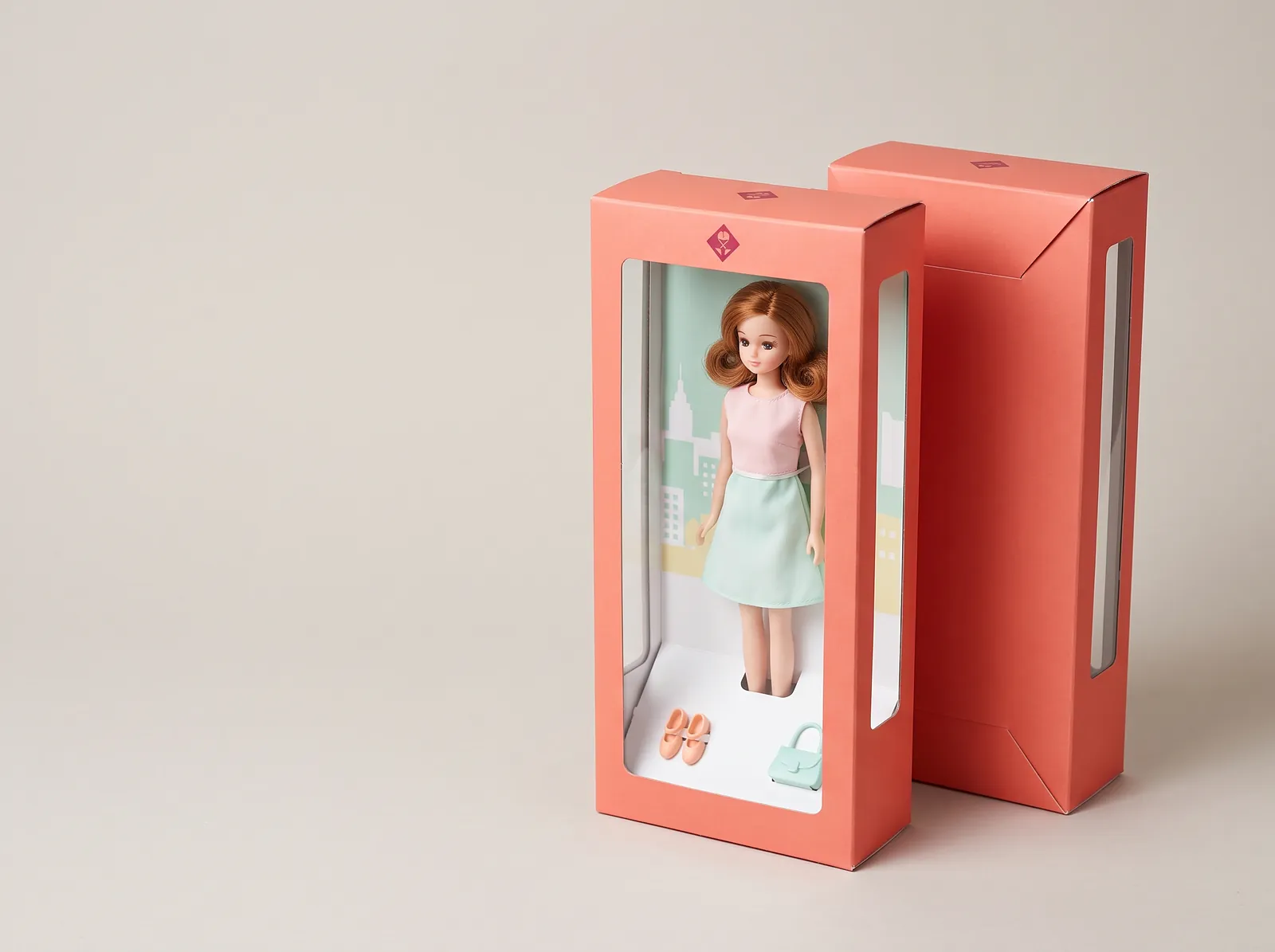
Rigid, or setup, boxes are the premium end. A thick chipboard core wrapped in printed paper gives them a solid, substantial feel, the kind of box that makes an unboxing feel like a gift. They do not fold flat, they cost more, and they weigh more, so they are used for electronics, jewelry, cosmetics, and luxury retail where the presentation is part of the product. See the rigid boxes guide for core thickness and wrap options.
Side by side
| Corrugated | Paperboard folding carton | Rigid box | |
|---|---|---|---|
| Structure | Fluted middle layer between two liners | Single solid layer of cardstock, usually 14pt to 24pt | Thick chipboard frame wrapped in printed paper |
| Strength | High, cushions impact and resists crushing, rated by ECT | Light, not built to ship on its own | Strong and protective, built for presentation |
| Ships and stores flat | Yes | Yes | No, except collapsible rigid |
| Print surface | Good, slightly textured | Smooth, takes sharp full color print | Smooth wrap, widest range of finishes |
| Best for | Shipping boxes, mailers, heavier products | Retail cartons, cosmetics, supplements, food | Luxury, gifting, hero products |
| Relative cost | Middle | Lowest | Highest |
In short: paperboard is the cheapest and lightest, great for a shelf but weak on its own in transit. Corrugated is the durable middle ground and the right call for shipping. Rigid is the most premium and the most expensive, built for presentation rather than raw shipping strength. A quick way to decide is to ask two questions: does the box ship on its own, and how premium does it need to feel. If it ships alone, lean corrugated. If it sits on a shelf and cost matters, lean paperboard. If the unboxing is part of the sale, lean rigid.
How to choose for your product
Start with weight and destination. A heavy or fragile product going through the mail needs corrugated, full stop. A light product sold in a store or shipped inside a larger box can use a cheaper paperboard carton. Then weigh brand feel against budget: rigid delivers the best first impression but at the highest cost, so it earns its place on higher-priced or gift products. And remember you can mix, for example a paperboard product box inside a corrugated shipper, so you are not locked into one material for the whole job.
Any of the three, no minimum
We make all three constructions, corrugated, paperboard, and rigid, with no minimum order, so you can trial the right one on a small run instead of committing to thousands. For what each costs at your size and quantity, see how much custom boxes cost, then request a quote with your product details and we will recommend the construction and price it.
Corrugated vs cardboard vs rigid FAQs
More box comparisons
Still comparing options? See custom vs stock boxes, box vs poly mailer, kraft vs white boxes, digital vs offset printing, gloss vs matte lamination, and mylar bags vs boxes. When you know what you need, request a quote.
Is corrugated the same as cardboard?
Not exactly. Cardboard is a loose everyday word that people use for both corrugated board and thin paperboard. Corrugated has a wavy fluted layer sandwiched between flat liners, which is what makes it strong enough for shipping. Paperboard is a single solid layer, thinner, and used for retail cartons like a cereal box.
What is the difference between corrugated and paperboard?
Corrugated has a fluted inner layer that adds strength and cushioning, so it protects products in transit. Paperboard (also called cardstock or folding carton board) is a thin solid sheet, cheaper and lighter, best for retail boxes that hold a light product on a shelf rather than survive a courier.
Which is stronger, corrugated or rigid?
They are strong in different ways. Corrugated resists crushing and impact in shipping thanks to its fluted structure. Rigid boxes use a thick, dense chipboard core that holds a permanent premium shape and protects against pressure, but they are heavier and are meant for presentation rather than being thrown in a shipping pile on their own.
Which box type is cheapest?
Paperboard folding cartons are usually the cheapest to produce because the material is light and they ship and store flat. Corrugated sits in the middle. Rigid boxes are the most expensive because of the thick core, the wrap, and the hand assembly.
Do I need corrugated for shipping?
If the box ships on its own without an outer carton, yes, corrugated is the safe choice because it survives transit. A thin paperboard carton is fine inside a shipping box or for a product a customer carries out of a store, but on its own in the mail it can crush.
Can you make all three with no minimum?
Yes. We produce corrugated, paperboard, and rigid custom boxes with no minimum order, so you can order a small run of whichever type fits your product and scale later. Send your product details with a quote and we will recommend the construction.
Related guides and where to order
- custom rigid boxes (order with no minimum, free design and samples)
- Rigid Boxes vs Folding Cartons: Which to Choose
- How Much Do Custom Rigid Boxes Cost?
- Rigid Box Styles Explained: How to Choose
- Ready to order? Get a free quote or estimate your cost.