



Ready to order custom magazine printing? Get your free quote in minutes
Free design and dielines, free samples, no minimum order, and we beat any competitor’s written quote. Your logo in full color, fast turnaround.
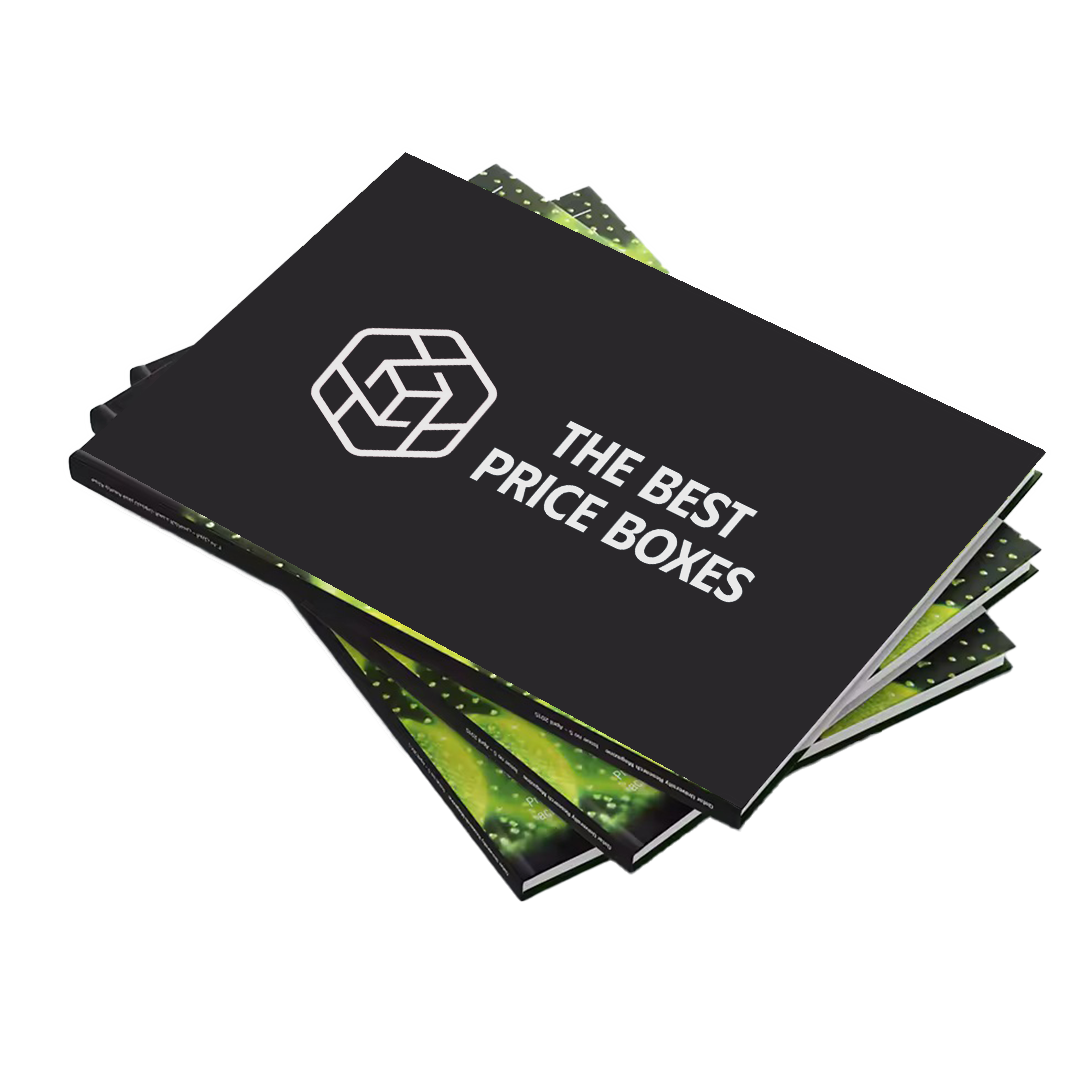
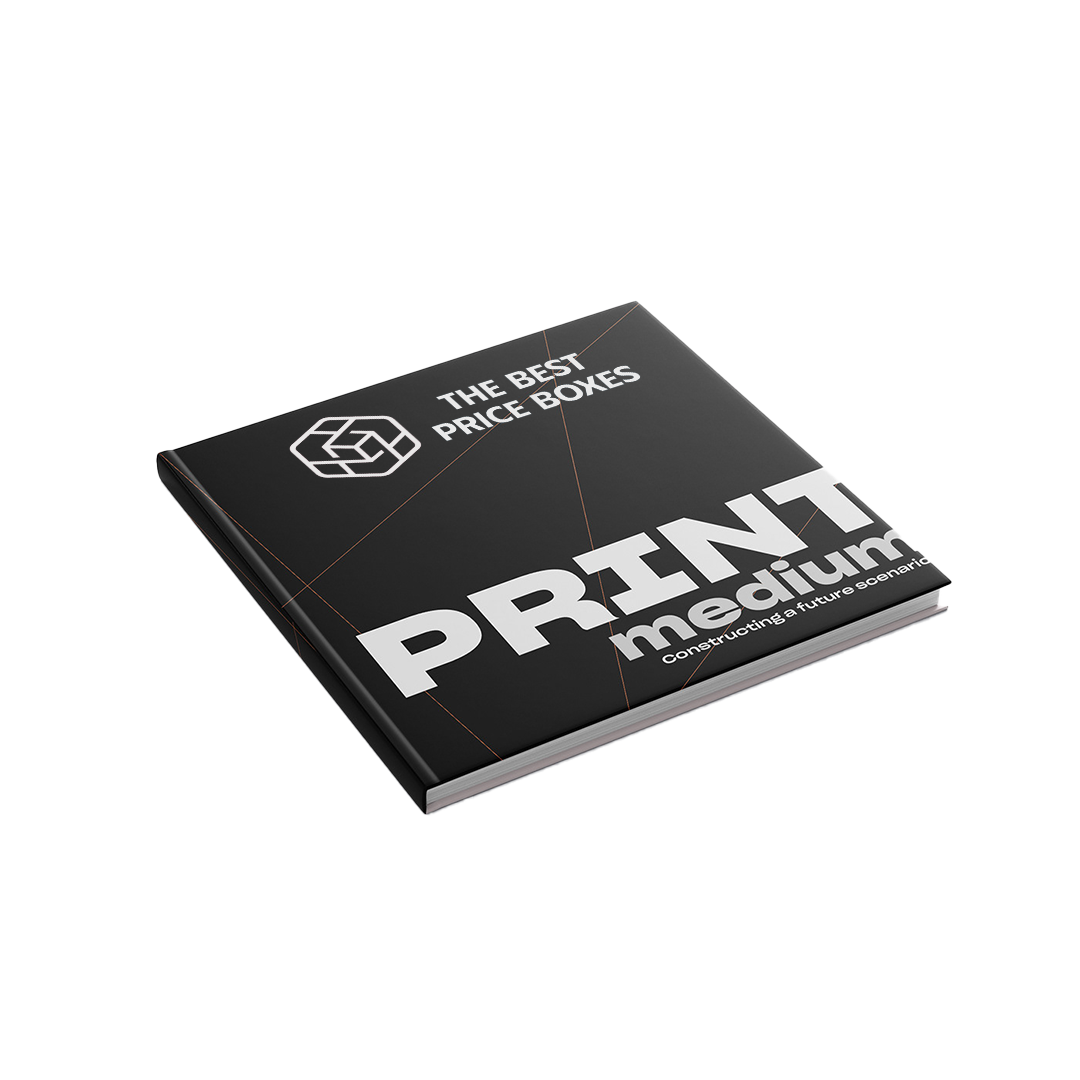
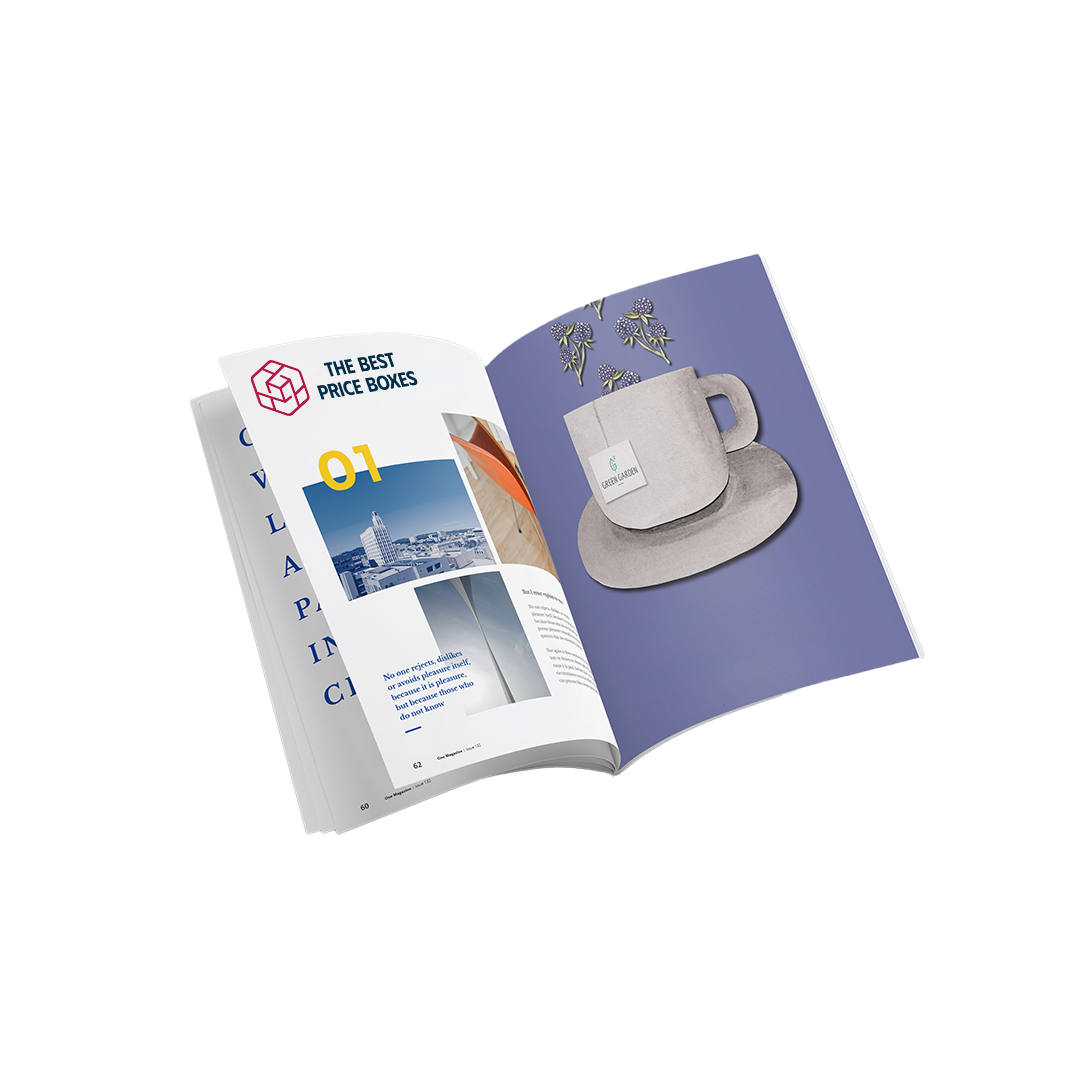
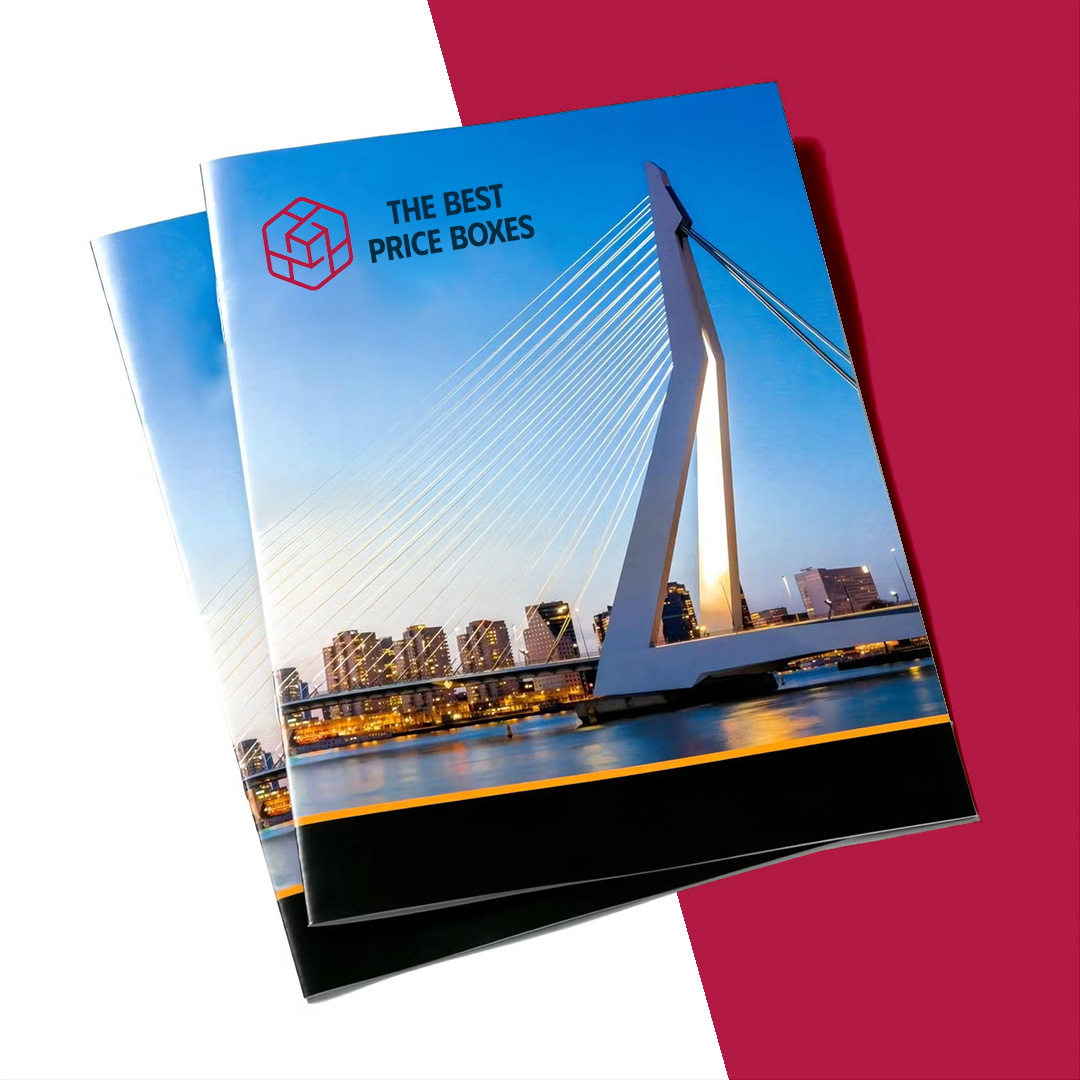
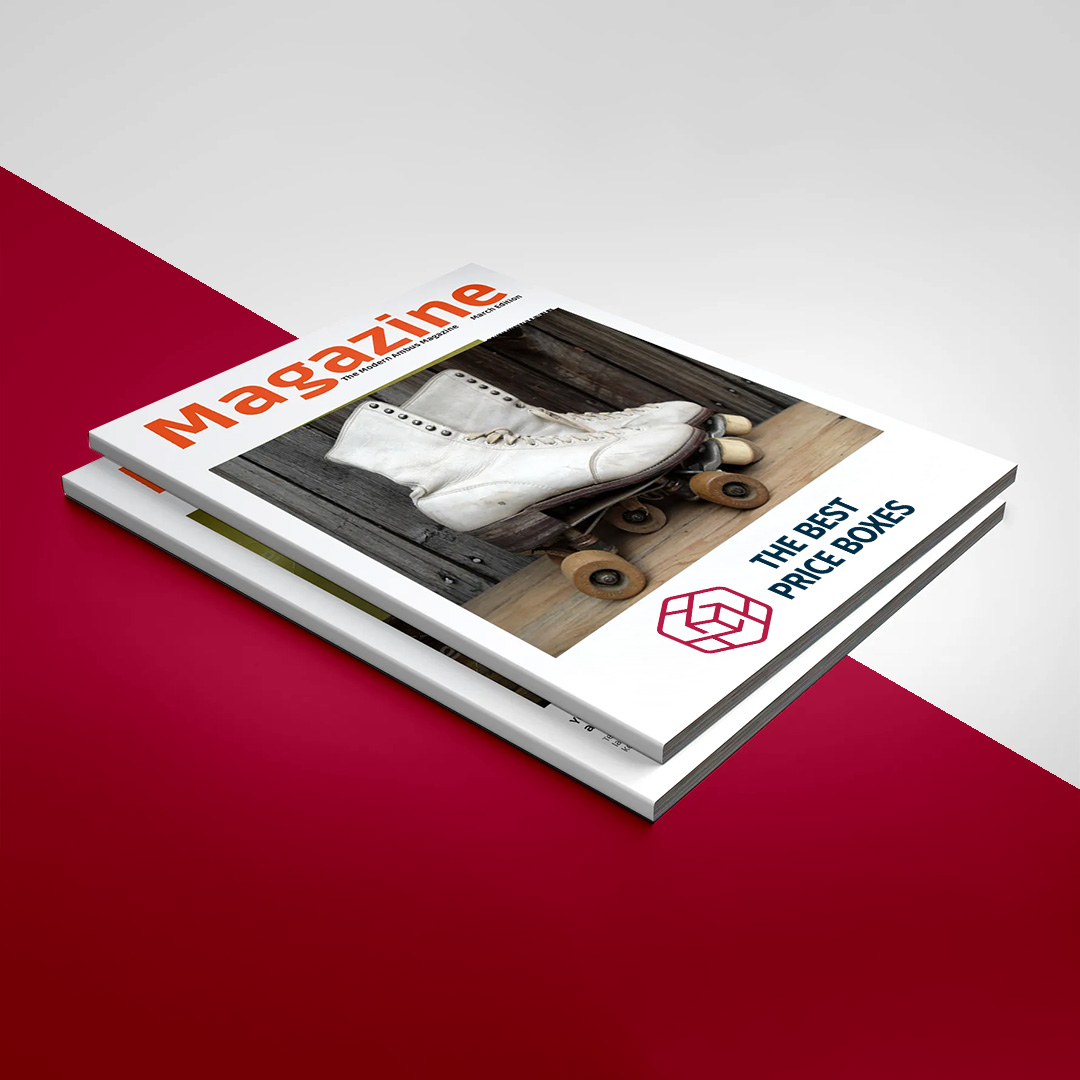
Custom magazine printing turns a finished layout into a bound publication a reader can keep. We print magazines, catalogs, brand lookbooks, event programs, zines and member titles with no minimum order, saddle stitched or perfect bound, on your choice of text and cover stock. Send a page count, a trim size and a print ready PDF and you get a real quote back, and if you are holding a written quote from someone else we will beat it.
Saddle stitch or perfect bound
This is the first decision and it changes everything downstream, including your page count and your cover file. Saddle stitching folds the sheets and staples them through the spine. It is the simple, fast option, it opens close to flat, and it works up to roughly 64 pages on normal text weight paper. Perfect binding glues a square spine like a paperback, so you get a printable spine and an issue that stands up on a shelf, and it starts making sense from about 28 pages up.
My honest advice: if the issue is under about 48 pages and it will be handed to someone rather than shelved, saddle stitch it. The extra spend on perfect binding buys you a spine nobody will read. Past roughly 80 pages the choice makes itself, because a staple cannot hold that fold and the inner pages start pushing out badly.
Magazine trim sizes we print
- 8.5 x 11 in, the default US size and the lowest cost to produce because it imposes efficiently on press sheets
- 8.375 x 10.875 in, the traditional US magazine trim, slightly narrower so it sits properly in a rack
- 8.25 x 10.75 in, a common consumer title size
- 6 x 9 in, good for member magazines and journals
- 5.5 x 8.5 in, half letter, the usual pick for zines and event programs
- 8.5 x 8.5 in, square, which photographs well and suits lookbooks
- A4, 210 x 297 mm, if the readership is international
Custom trims are possible. Just be aware that an unusual size wastes press sheet, so a trim a quarter inch off standard can cost noticeably more than the standard next to it for no visible benefit.
Paper, cover stock and finish
Text pages run 70 lb or 80 lb gloss or matte text for most issues. Step up to 100 lb text when you want the magazine to feel substantial and you do not want heavy ink showing through from the reverse. Uncoated text reads matte and takes a pen, which matters for workbooks and programs people write on.
Covers are usually 80 lb or 100 lb cover, or 12 pt to 14 pt C2S when you want a cover that holds its shape after a month in a bag. Gloss laminate makes photography snap, matte calms it down and hides fingerprints, and soft touch is the one people actually comment on. Spot gloss over a matte laminate on a single cover image is the simplest trick in the book for making a cover look expensive.
Gloss text pages make color photography pop. Matte is easier on the eye through long copy. If your issue is half photo essay and half reading, ask about running different stocks in the same book rather than compromising on one.
Page count rules that catch people out
- Saddle stitched issues must land on a multiple of four, because every folded sheet carries four pages. There is no way around this. Pad with a blank inside back cover rather than cramming two pages of copy into one.
- Perfect bound issues work in multiples of two, with roughly 28 pages as the practical floor for a spine that will hold.
- On thicker saddle stitched issues the inner pages push outward when folded, so the trim takes more off their outer edge. This is called creep. Keep page numbers and any type at least a quarter inch inside the trim and it never becomes a problem.
- Spine width on a perfect bound issue depends on page count and paper caliper. We send you the exact measurement before you build the cover artwork, so do not guess it.
How to set your files up
- Export single pages, not reader spreads. Imposition happens on our end and spreads have to be split back apart, which is where errors creep in.
- Add 0.125 in bleed on every outside edge, with the background art actually extending into it.
- Keep live type 0.25 in inside the trim, and further in on the gutter side of a perfect bound issue.
- Build in CMYK. RGB artwork gets converted and the bright blues and oranges shift.
- Images at 300 dpi at final placed size, not 300 dpi before you scaled them up.
- Embed or outline fonts, and export PDF/X-1a if your software offers it.
- Send the cover as its own file, separate from the text pages.
We check every file and send a digital proof before anything runs. Most first issues get held up by file prep rather than printing, so build the bleed in at the start instead of retrofitting it the night before.
Short runs, no minimum order
We print custom magazines, catalogs and booklets with no minimum order, so a first issue, a single event or a members mailing can go to press without committing to a run you have no plan to sell. Per copy cost does drop as the quantity climbs, which is worth knowing before you decide, but the choice stays yours rather than being forced by a minimum. Working on something shorter or unbound? See custom booklet printing, custom brochures and custom hang tags.
Send us your page count, trim size, paper preference and quantity and we will recommend the binding and quote it. Request a free quote.
Magazine printing FAQ
What is the difference between saddle stitch and perfect binding?
Saddle stitching folds and staples sheets through the spine, which is the lowest cost method and best for issues up to about 64 pages, with the page count on a multiple of four. Perfect binding glues a square spine like a paperback, suits about 80 pages and up, and gives you a printable spine.
How many pages can a magazine have?
A saddle stitched magazine works up to roughly 64 pages and must land on a multiple of four. Perfect binding handles thicker issues from about 80 pages into the hundreds. Tell us your page count and we will recommend the binding.
What else can you print besides magazines?
The same process prints product catalogs, brand lookbooks, event programs, zines, member magazines, and booklets. Any multi page bound publication.
Is there a minimum order for magazine printing?
No. We print custom magazines and booklets with no minimum order, so you can print a first issue or a short run before scaling, at the best price.
How much does it cost to have a magazine printed?
Five things decide it: page count, trim size, paper weight, binding and how many copies you need. Page count moves the number most, because every extra four pages on a saddle stitched issue is another sheet through the press. Perfect binding adds a step, so it runs higher than stapling. Short runs cost more per copy than long ones, though with no minimum order you are never forced into a quantity you cannot use. Send your page count, trim size and quantity for a real number, and if you already hold a written quote we will beat it.
How do you get a magazine printed?
Finish the layout, export print ready single pages as a PDF with a 0.125 in bleed, then send it with your page count, trim size, paper choice and quantity. We check the file, return a digital proof, and give you the exact spine width if the issue is perfect bound so you can finish the cover. Once you approve the proof it prints. Nearly every delay on a first issue comes from file setup rather than the press, so build the bleed and margins in from the start.
Can I print my own magazine at home?
You can print pages at home, but a desktop printer cannot fold, gather, staple through the spine or trim the edge square, and it will drift on color across a run. Home printing is useful for a proof copy you are marking up in red pen. Anything a reader is meant to keep needs commercial imposition, real binding and a trimmed edge.
More Custom Presentation Folders
See the full Custom Presentation Folders range, or explore related options with no minimum order and our best-price guarantee: