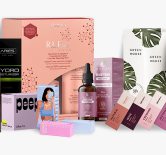
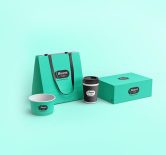
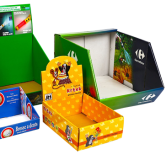
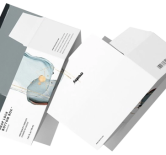
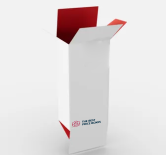
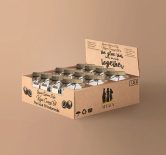
Luxury packaging is the difference between a product that looks worth its price and one that looks like it is hoping you will not check. It comes down to two things working together: a rigid box that holds its shape and does not flex in the hand, and a finish that catches light and touch before anyone reads a single word. At The Best Price Boxes we build that premium look in small runs with no minimum order, so a brand can put its first one hundred units in the same caliber of box a national label uses, without committing to five thousand. Here is how premium packaging is actually made, which finishes carry the most weight, and how to get the look without the minimums that usually come attached to it.

What actually makes packaging feel premium

Premium is felt before it is seen. Pick up a rigid box and the first signal is weight and stiffness: it does not crush, the lid drops onto the base with a soft resistance, and the corners are square. That feel comes from the core. Rigid boxes are built on a thick greyboard, usually around two millimeters, roughly 120pt, wrapped in a printed paper. That thickness is why a good rigid box feels closer to a hardcover book than to a cereal carton.

The second signal is the surface. A soft touch matte laminate has a velvety drag under the fingertip that plain coated paper never gets. The third is the open: a magnetic flap that snaps shut, or a ribbon pull on a drawer, turns opening the box into part of the product. None of this is loud. Restraint is what reads as expensive.

Rigid boxes are the core of luxury packaging

Most premium packaging starts with a choice between a rigid box and a folding carton. A rigid box, sometimes called a set up box, is non collapsible: the greyboard is cut, formed into a permanent shape, and wrapped in printed paper. It ships assembled and feels substantial. A folding carton is printed on a single sheet, scored, and folded, so it ships flat and costs less. For the heaviest, most gift worthy feel, rigid wins. For a premium look on a tighter budget, a folding carton with a soft touch finish gets most of the way there. We make both, including custom rigid boxes and the full rigid boxes with no minimum range.

The finishes that do the heavy lifting

Finishes are where a plain box becomes a luxury one. The ones worth knowing:

The mistake is using all of them at once. One hero finish, a soft touch base with a single foil stamped logo, looks more considered than a box carrying five effects.

Luxury box styles we make

Style sets the whole tone before the finish is even applied:

Inserts and the unboxing moment

The insert is what stops the product rattling and stages the reveal. Foam and die cut EVA hold a heavy item still and look clean. Molded pulp is the sustainable route and reads as considered rather than cheap. A folded paperboard insert is the budget friendly choice that still centers the product. For the top tier, a satin or velvet lined tray turns the open into the memorable part. Match the insert to the product weight first, then to the look.

How to get the luxury look without luxury minimums

Here is the part most suppliers do not advertise: rigid construction, foil, and soft touch are usually gated behind minimums of one thousand to five thousand units. That is fine for a national brand and impossible for a launch. We run from a single unit up. Short run digital and litho printing let us skip the plate costs that force those minimums, so you can test a design, produce a seasonal edition, or launch a first product without warehousing thousands of boxes you are not sure you will sell. The premium look stops being a volume decision and becomes a design one.

Which industries lean on premium packaging

Some categories live or die on the box:

What premium packaging costs, and how to keep it down

Cost is driven by four things: box style (rigid costs more than folding), the number of finishes (each foil or emboss pass adds a step), the insert, and the size and quantity. You can keep it in range without looking cheap. Choose one hero finish instead of three. Design to a size that hugs the product rather than a slightly oversized standard. If rigid is out of budget, a folding carton with soft touch matte and a single foil logo holds most of the premium feel for a lot less. We show you the price before you commit and send a free proof, so there are no surprises between the mockup and the delivery.

Frequently asked questions

What is the minimum order for luxury packaging?

There is none. We produce rigid and fully finished boxes from a single unit up, which is unusual for premium packaging.

Rigid box or folding carton for a premium look?

Rigid for the heaviest, most substantial feel. A folding carton with soft touch lamination for a premium look on a tighter budget or when you need it to ship flat.

Which finish looks the most expensive?

Soft touch lamination with a single foil stamped logo is the most reliable premium combination, and it holds up well in product photography.

How long does luxury packaging take to produce?

Turnaround depends on the finish and quantity. Foil and rigid construction add time over a plain folding carton. We confirm the exact date with your quote.

Can you match a specific brand color?

Yes. We print to your color reference and send a proof for sign off before anything goes to production.

Get a premium box, priced before you commit

Tell us the product, the finish you have in mind, and the quantity, and we will send a price and a free proof. Start with a related option below or request a quote: