
Shipping products and tired of tape marks? Get a free quote in minutes
Free design help, free samples, no minimum order, and we beat any competitor’s written quote on a like for like specification.
To remove tape residue, soften the adhesive first and lift it second. Warm the area, apply an oil or an alcohol, give it a minute to work, then roll the softened glue off with your thumb or a plastic edge. Scrubbing dry residue is what turns a two minute job into a scratched surface. The method below changes by surface, so find yours before you reach for anything.
Why tape leaves residue in the first place
Pressure sensitive tape is a carrier film with an adhesive layer on one side. When the bond between the adhesive and the carrier gives out before the bond between the adhesive and your surface, the glue stays behind. Heat, sunlight and time all push it that way, which is why tape peeled off the same day comes away clean and tape left on a box in a warm warehouse for six months does not.
Cheap tape fails this way sooner. A 1.6 mil economy carton tape has less carrier strength than a 3.1 mil tape, and on a hot pallet it is the one that splits and leaves glue.
Start here, whatever the surface
- Test somewhere hidden. Underside, back corner, inside edge. Thirty seconds of caution saves a ruined finish.
- Warm it. A hairdryer on low, held 6 in away for about 30 seconds, softens most adhesive dramatically. This step alone solves a lot of jobs.
- Lift, do not scrub. Roll the residue with your thumb, or push it with a plastic scraper held at a shallow angle. Softened adhesive balls up and comes away.
- Never use a metal blade on paint, plastic or a coated surface. Use an old credit card, a plastic putty knife or a wooden stick.
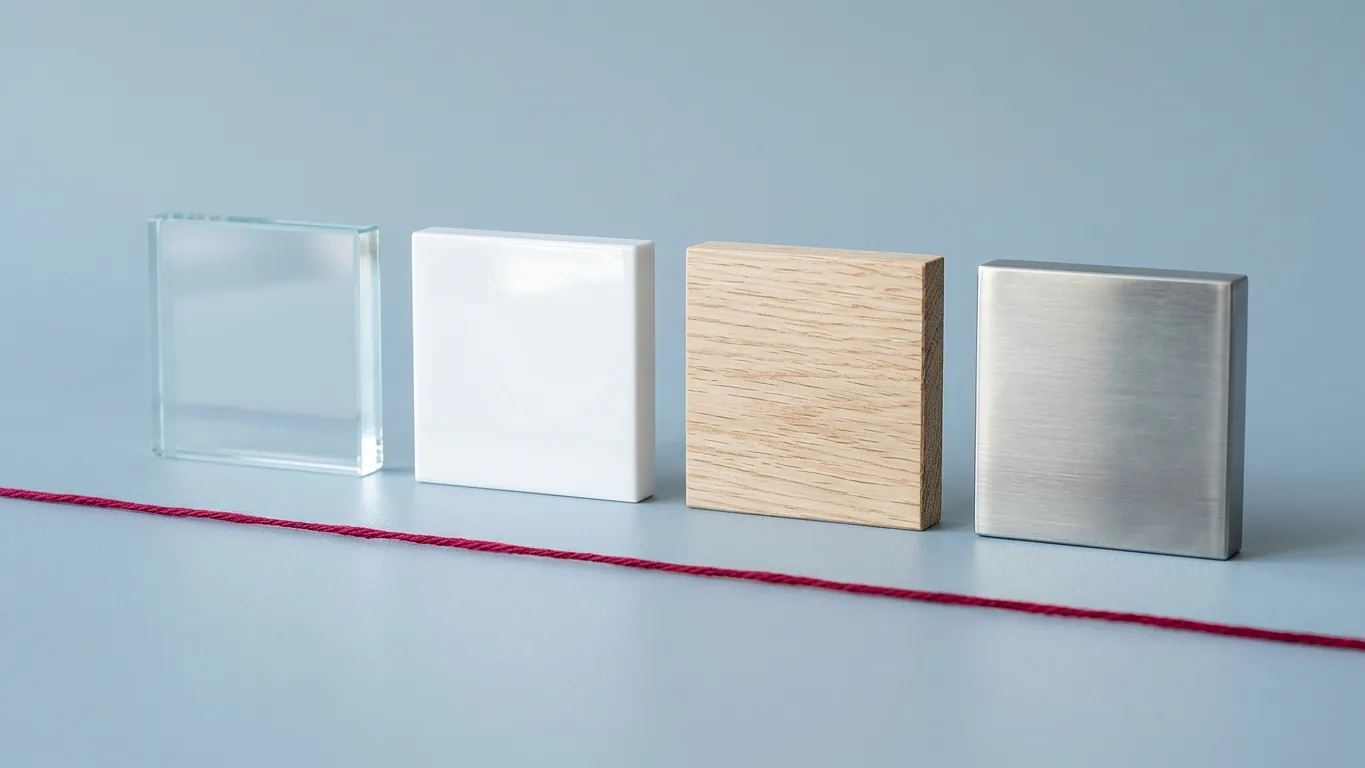
Glass, mirrors and ceramic tile
The easiest surface, because glass tolerates almost everything. Isopropyl alcohol at 70 percent or higher, on a cloth, held against the residue for a minute, then wipe. If it is stubborn, a razor blade held almost flat to the glass works, provided the glass is wet and you keep the angle shallow. Finish with glass cleaner so you do not leave a smear.
Plastic, including electronics housings
Be careful here, because plastic is the surface people damage. Do not use acetone or nail polish remover. It crazes many plastics, leaving a permanent web of fine cracks, and it happens in seconds.
Use isopropyl alcohol first, applied to the cloth rather than poured on. If that stalls, cooking oil or a citrus based adhesive remover will usually shift it, then wash the oil off with a little dish soap and warm water. Work in small areas and keep checking the finish.
Painted walls and painted wood
The riskiest surface, because the solvent that lifts the glue will happily lift the paint too. Start with heat and a plastic edge alone and see how far that gets you. If you need more, warm soapy water on a cloth, left to sit, then gentle pressure.
Only reach for alcohol or oil if the paint is a durable satin or gloss, and test first every single time. On matte emulsion, accept that you may be touching up the paint rather than saving it.
Bare and varnished wood
On varnished wood, cooking oil or a light mineral oil is the friendly option. Rub it in with a soft cloth along the grain, leave it a few minutes, then lift the softened residue and buff dry.
On bare or oiled wood the adhesive has soaked into the grain, so removal is partly mechanical. Very fine abrasive along the grain, then re oil the patch. Alcohol will dry out and lighten bare wood, so keep it off.
Metal, stainless steel and appliances
Alcohol, then oil, then a citrus remover if needed. Metal takes solvents well. The thing to protect is the finish rather than the metal, so on brushed stainless always work along the grain, never in circles, or you will leave a visible swirl that is harder to fix than the glue was.
Fabric and upholstery
Harden rather than soften. Press an ice pack against the residue until the adhesive goes brittle, then pick and flake it off. What is left responds to a little alcohol dabbed on from the back of the fabric where possible, then a normal wash. Heat is the wrong tool here, because it drives adhesive deeper into the fibers.
Cardboard and printed packaging
Mostly you cannot, and that is the honest answer. Cardboard is porous and any liquid will stain it, while any scraping lifts the printed surface. Gentle heat plus careful rolling with a thumb is as far as it goes.
Which is the real point for anyone shipping product. If tape residue on your own packaging is a recurring complaint, the fix is upstream, not a cleaning method.
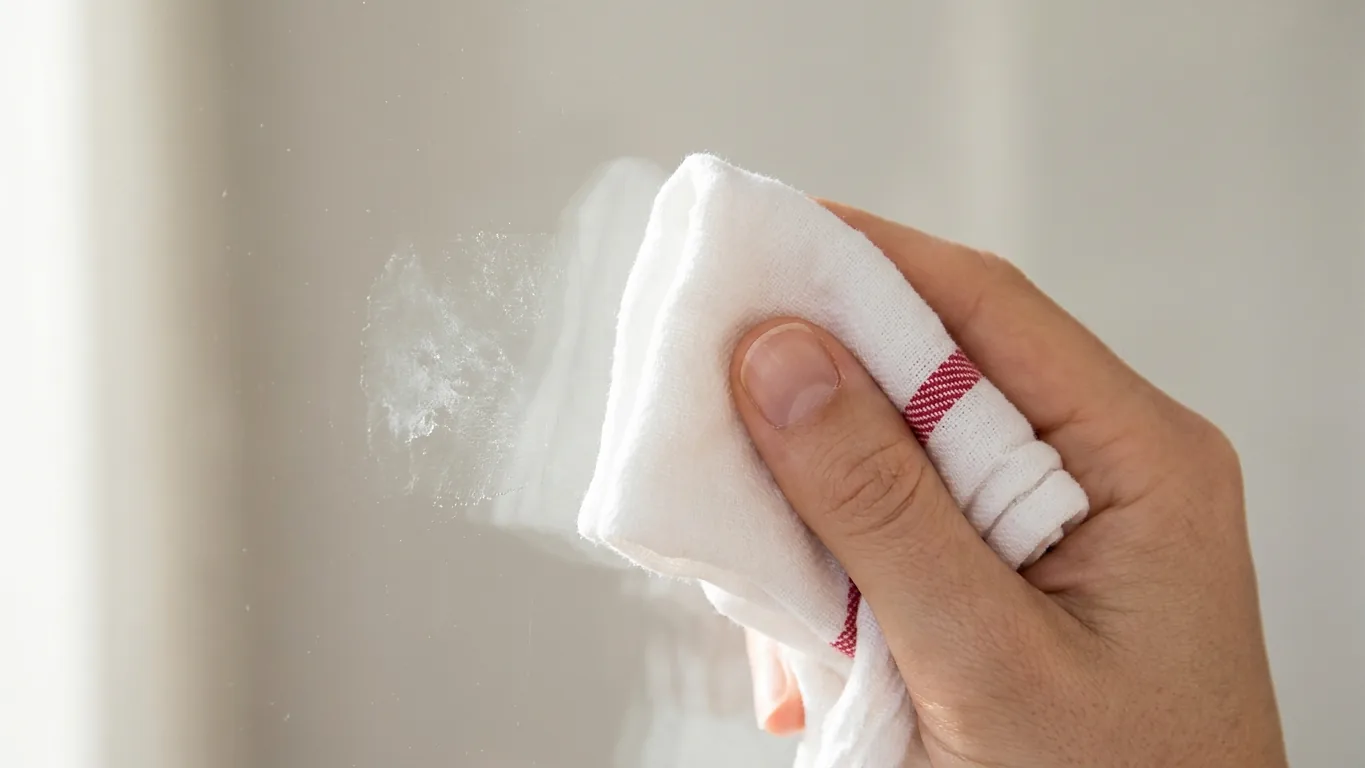
Stopping it happening
- Match the tape to the job. Economy tape at 1.6 mil is fine for a carton going out tomorrow. For long storage, heat, or anything a customer will peel, step up to 2.5 mil or 3.1 mil where the carrier holds together.
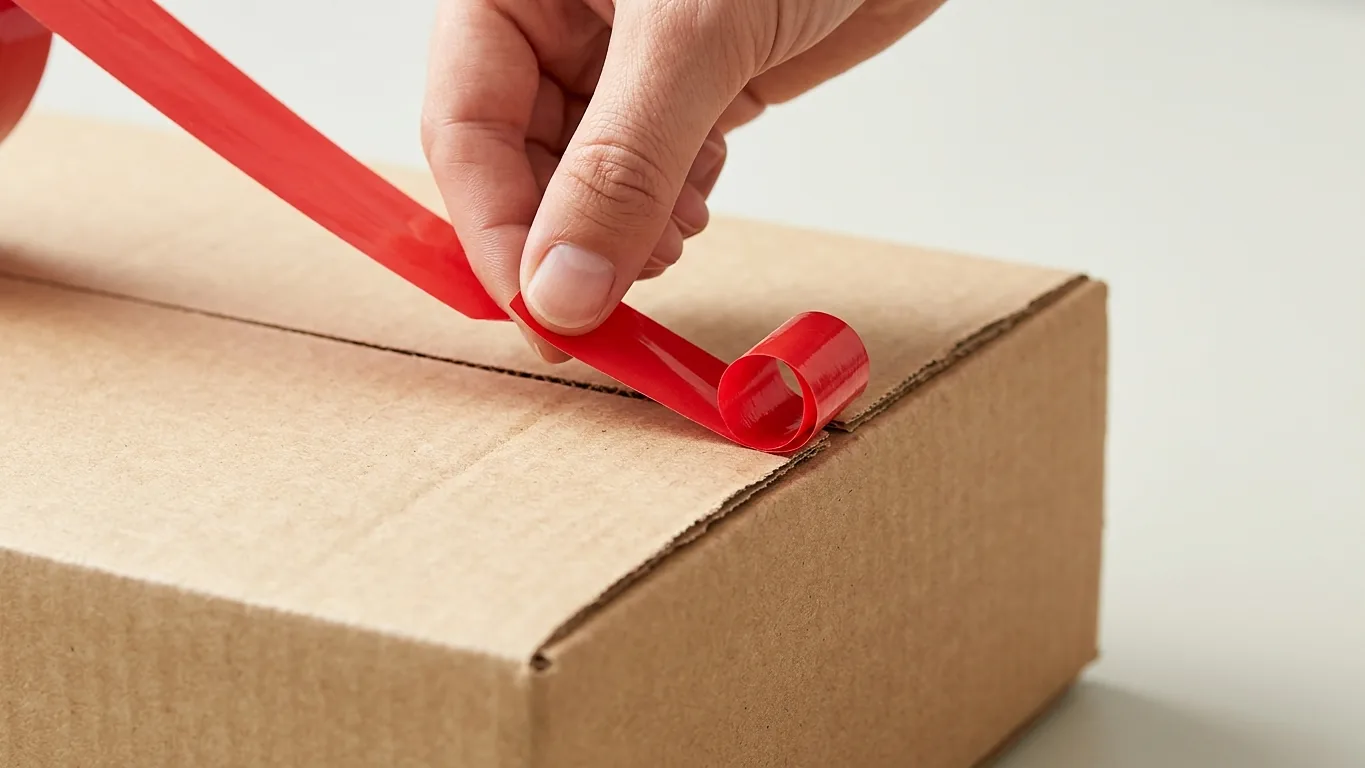
- Peel at a shallow angle, slowly. Pulling straight up at 90 degrees puts all the stress on the carrier and encourages it to split. Peel back on itself, close to the surface.
- Do not tape directly onto the product. Tape the outer carton, not the item inside it. If something has to be held, use a paper band or a sticker made to release cleanly.
- Keep tape out of sunlight. Ultraviolet light degrades adhesive faster than anything else on this list.
- Use printed tape on the carton seam. It brands the parcel and keeps adhesive on the box where it belongs rather than on the goods.
If you are shipping regularly and fighting this, look at custom printed packaging tape, which seals the carton and carries your branding at the same time. Boxes sized properly to their contents need less tape in the first place, and the box size calculator is a quick way to check yours. For the cartons themselves, see custom shipping boxes and custom mailer boxes, both printed with no minimum order.
Tape residue FAQ
What is the fastest way to remove tape residue?
Warm the area with a hairdryer on low, held about 6 in away for roughly 30 seconds, then roll the softened adhesive off with your thumb or push it with a plastic edge held at a shallow angle. Heat alone solves a surprising number of jobs. If residue remains, add isopropyl alcohol on glass, plastic or metal, or cooking oil on varnished wood. The order matters: soften first, lift second, and never scrub dry residue.
Does rubbing alcohol remove tape residue?
Yes, on glass, metal, sealed stainless steel and most hard plastics. Use isopropyl alcohol at 70 percent or higher, applied to a cloth rather than poured onto the surface, and hold it against the residue for about a minute before wiping. Keep it off bare or oiled wood, where it dries and lightens the timber, and test it on painted surfaces first, because alcohol can lift paint as readily as it lifts glue.
How do I remove tape residue without damaging plastic?
Avoid acetone and nail polish remover completely. They craze many plastics within seconds, leaving a permanent web of fine cracks that cannot be polished out. Use isopropyl alcohol applied to a cloth first. If that stalls, cooking oil or a citrus based adhesive remover will usually shift it, then wash the oil away with a little dish soap and warm water. Work small areas and check the finish as you go.
How do you get tape residue off fabric?
Harden it rather than soften it. Press an ice pack against the residue until the adhesive turns brittle, then pick and flake it away. Treat whatever remains with a little alcohol dabbed from the reverse of the fabric where you can reach it, then wash normally. Do not apply heat, because that drives the adhesive deeper into the fibers and makes the mark much harder to shift.
Why does packing tape leave sticky residue on boxes?
Pressure sensitive tape is a carrier film with adhesive on one side. Residue is left when the bond between adhesive and carrier fails before the bond between adhesive and surface, and heat, sunlight and time all push it that way. Thinner economy tape around 1.6 mil has less carrier strength and splits sooner than a 2.5 mil or 3.1 mil tape, so on warm pallets or long storage the cheaper tape is usually the one leaving glue behind.
Can you remove tape residue from cardboard?
Mostly no, and it is better to know that upfront. Cardboard is porous, so any solvent stains it, and scraping lifts the printed surface along with the glue. Gentle heat and careful rolling with a thumb is the limit. If tape marks on your own packaging are a recurring customer complaint, the fix is upstream: tape the outer carton rather than the product, peel at a shallow angle, and use a tape with enough carrier strength for how long it will sit.