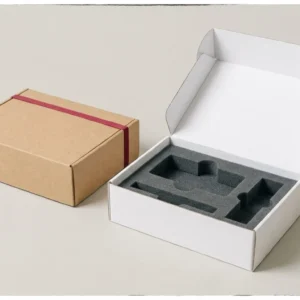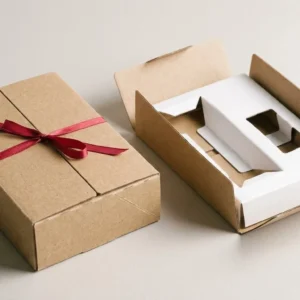
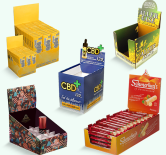

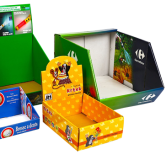
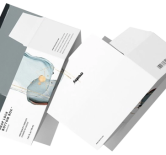
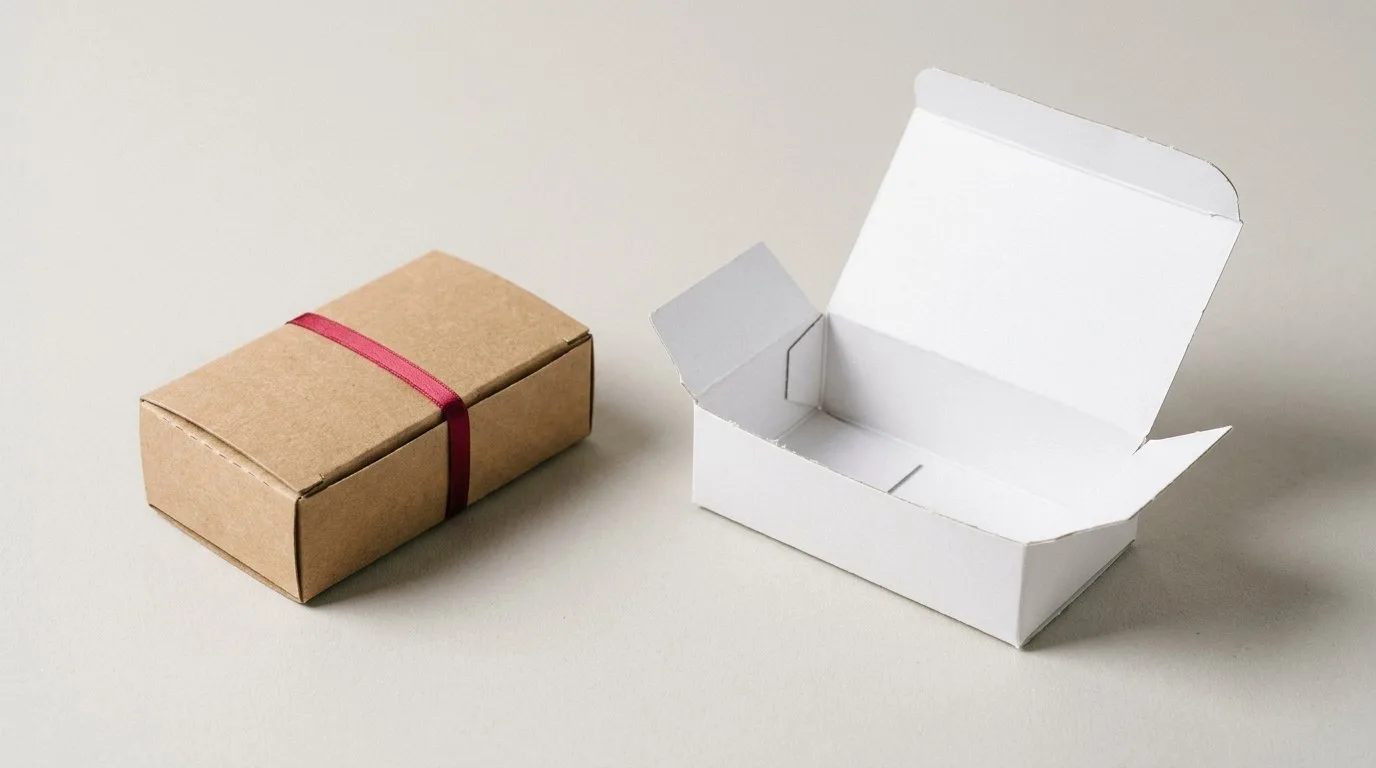
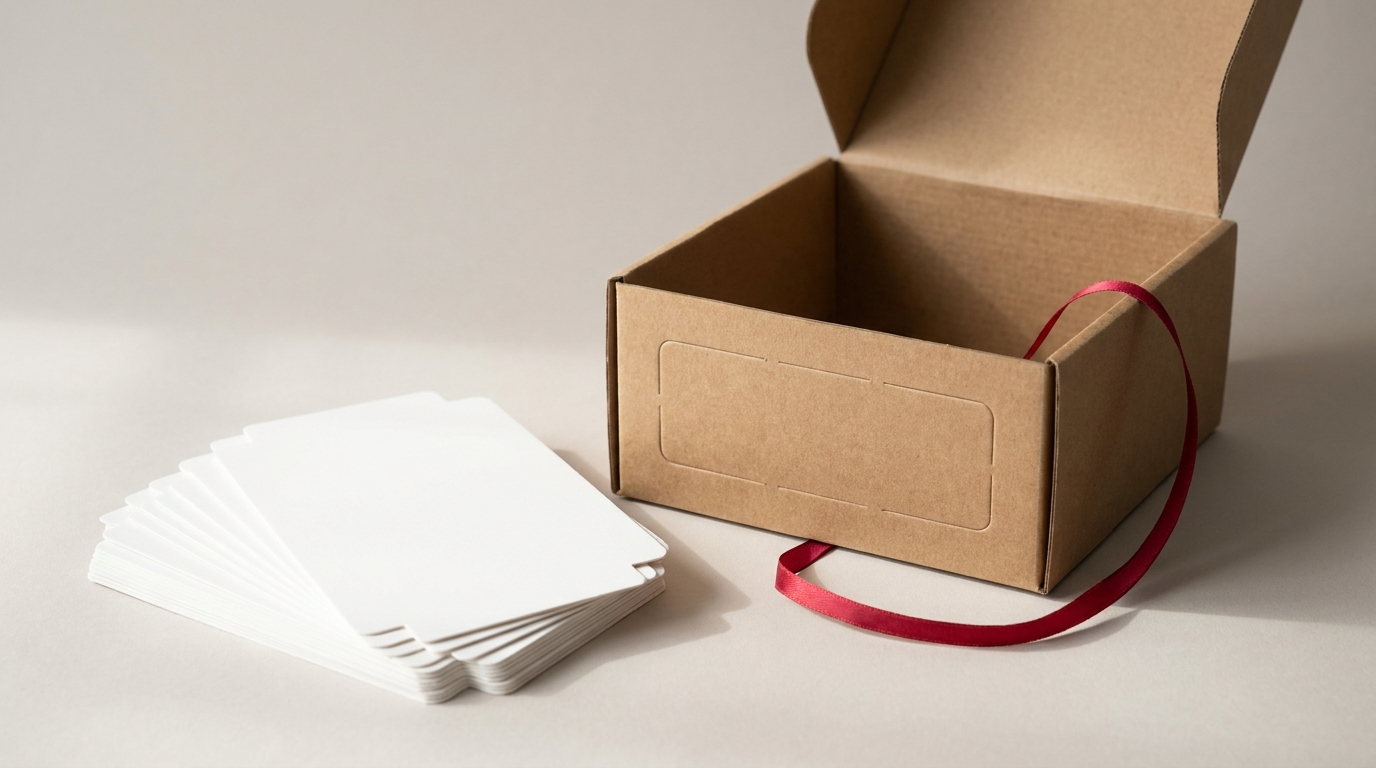


Paper inserts are die-cut paperboard or corrugated pieces that hold a product still inside its box, divide a set into compartments, or carry printed leaflets and instructions. TBPB makes them to your product dimensions with no minimum order, and we beat any written quote for the same specs.
Three jobs an insert can do
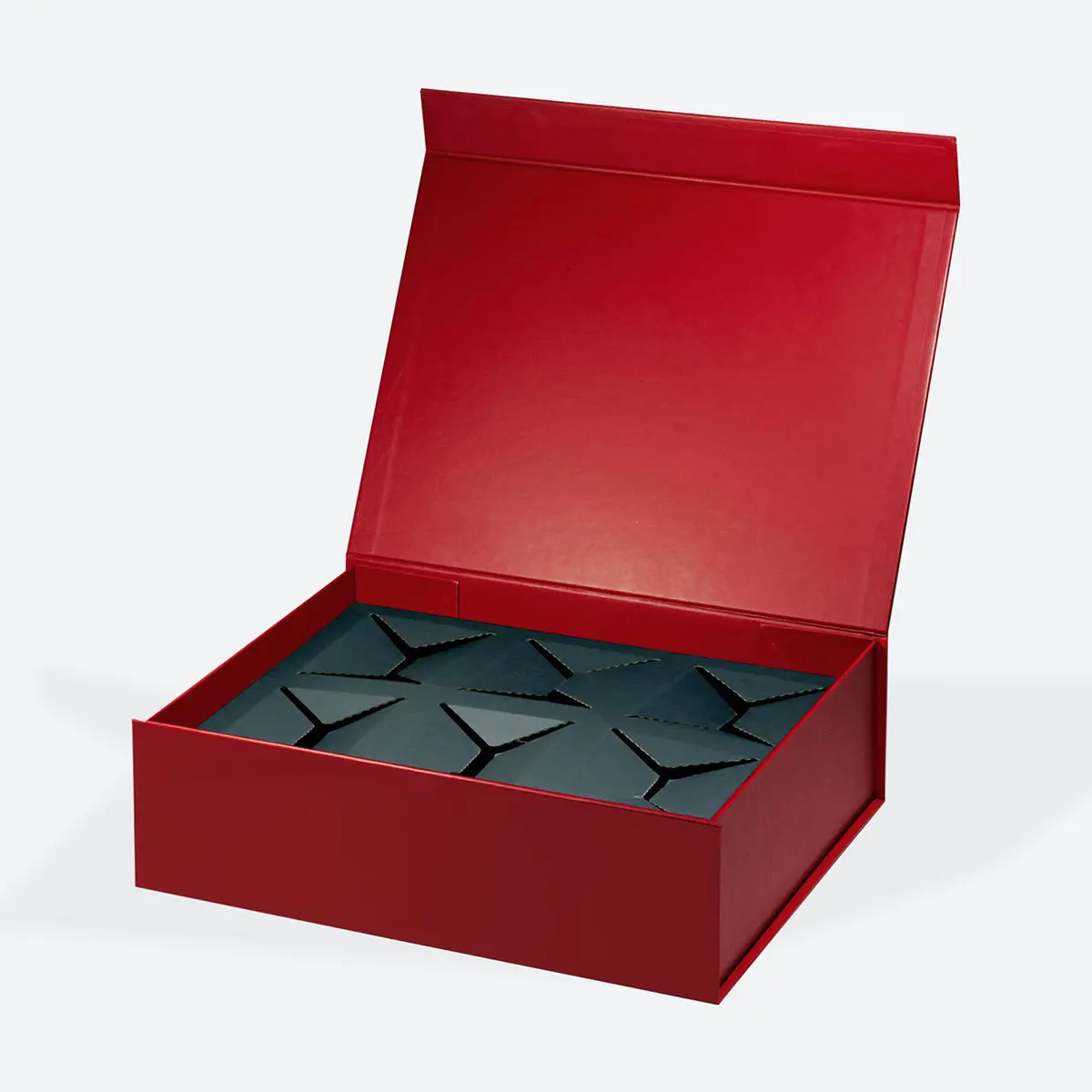
Most people ask for an insert to stop movement, and that is the main job. A tray with cut-outs or a folded cradle stops a bottle, jar or device from sliding around. The second job is presentation: a printed insert with a cut-out for each item turns a plain box into a set. The third is information. A flat printed insert, folded or loose, carries instructions, ingredients, a care card or a thank-you note without adding a separate leaflet.
Decide which job matters most before you pick a style, because the answer changes the material.
Paperboard, corrugated or something else
Folding paperboard in the 16 to 24 pt range is the usual choice for lightweight items such as cosmetics, small bottles, cards and accessories. It prints cleanly and folds into trays, sleeves and dividers. For heavier products or glass, corrugated board in a fine flute gives more cushion and holds its shape under load. Moulded pulp is an option when you want a fibre look. If the product is very heavy, fragile or oddly shaped, our custom foam inserts cut a precise pocket and are the better call.
Paper cannot match foam for shock absorption. If a drop test shows the product still taking a hit, move up a material rather than adding more paper.
Getting the cut right
A paper insert is only as good as its fit. Measure each item at its widest and tallest point, then tell us whether you want a snug hold or an easy drop-in. Too tight and it is slow to pack and tears the board. Too loose and it does nothing. Send a sample product if the shape is irregular and we will build around it.
- Styles: flat sheets, folded trays, cradles, dividers, sleeves, card holders
- Material: folding paperboard, kraft board, fine-flute corrugated
- Print: one side, both sides, plain kraft or full color
- Finish: matte or gloss coating, soft-touch, foil or spot UV on printed pieces
- Custom cut-outs for bottles, tubes, jars and cards
Where inserts fit in a bigger setup
Inserts work best when designed alongside the carton. Browse our wider custom packaging inserts range, or look at bottle product inserts if you are packing liquids. If you are ordering both the box and the insert, send them together so the dimensions line up.
Practical advice: order a single prototype, load the real product, shake the box and flip it. If nothing moves and nothing bends, the design is ready.
One more thing buyers overlook: how the insert gets loaded. If your team packs by hand, a simple drop-in tray is fast. If a line or a fulfilment partner packs it, a fold-up cradle that stays flat until needed saves storage space. Tell us who packs the box and we will pick the style that suits them.
Printing the inside matters too. A plain kraft insert looks honest and natural, while a full-color printed one lets you place a message or a how-to-use diagram right where the customer looks first when the lid comes off.
Next step: send the product dimensions and the quantity you want, even one piece, and TBPB draws the dieline and sends a quote.
Frequently asked questions
What are paper inserts used for in packaging?
They hold a product in place, create compartments for sets, or carry printed information such as instructions and care cards. A good insert stops movement, which prevents scuffs and breakage, and gives the unboxing a deliberate look instead of loose items in a box.
What is the difference between paper and foam inserts?
Paper inserts are lighter, print well and are easier to recycle, which suits lightweight goods. Foam cushions shock better and holds heavy or fragile items. If a drop test shows damage with paper, step up to corrugated or foam instead of adding layers.
How do I measure for a custom paper insert?
Measure each item at its widest point and its full height, then decide between a snug hold and an easy drop-in. Send us those dimensions or a sample product. We draw the dieline with the right clearance for the board thickness before cutting anything.
Can paper inserts be printed?
Yes. We print one or both sides in CMYK or Pantone colors, and printed inserts can carry logos, instructions or artwork. Plain kraft is available for a natural look. Coatings such as matte or gloss can be added on printed paperboard.
Is there a minimum order for custom paper inserts?
No. TBPB has no minimum order, so you can order a single insert as a prototype or thousands for production. Send the dimensions for a quote, and if you hold a lower written quote for the same specs, we will beat it.
Can I order the insert and the box together?
Yes, and it is the better way to do it. Designing both at once means the dimensions line up with no guesswork. Send the product details and we quote the box and the insert together, then draw both dielines for your approval.
More Custom Packaging Inserts
See the full Custom Packaging Inserts range, or explore related options with no minimum order and our best-price guarantee: