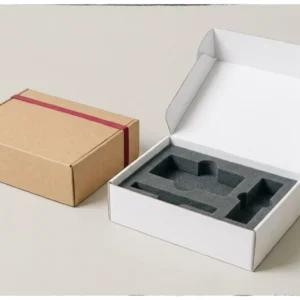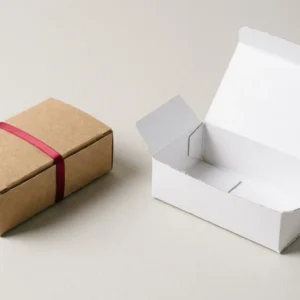

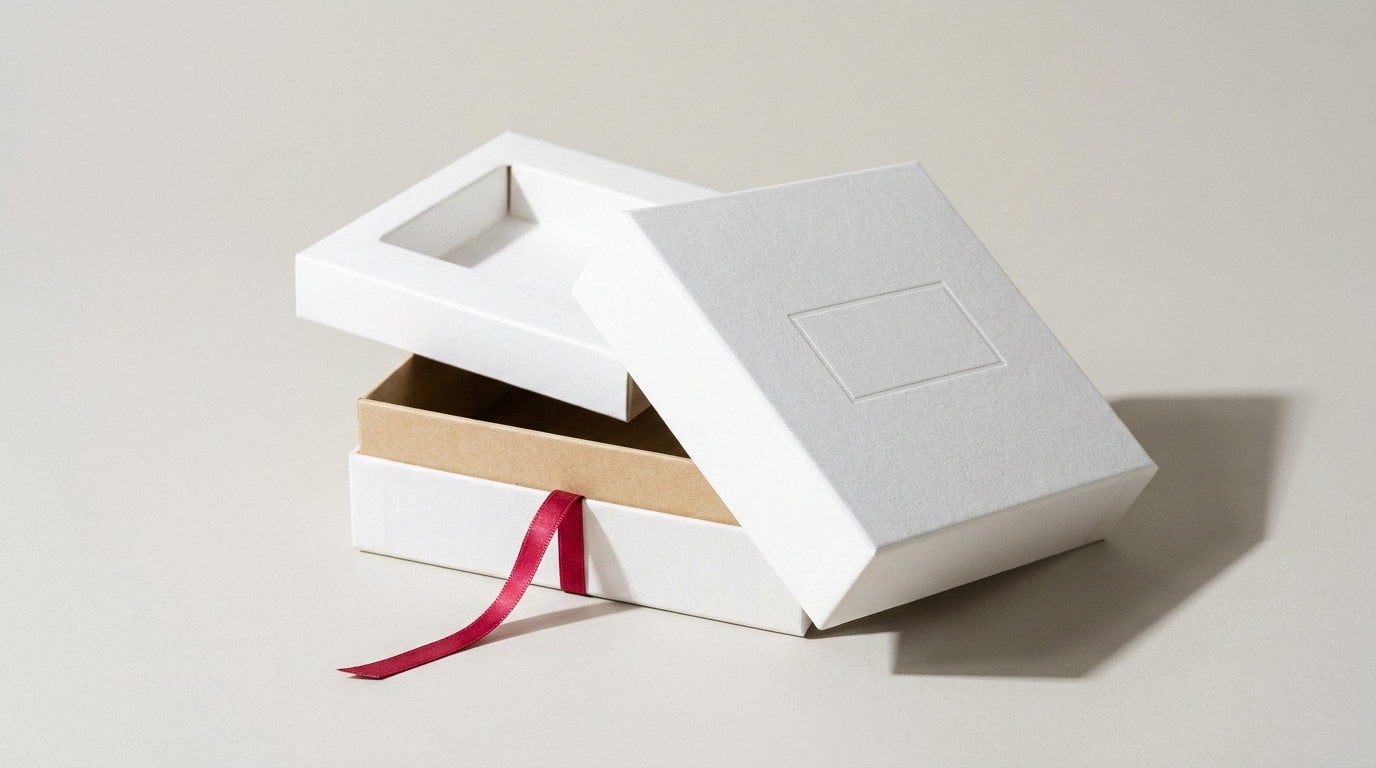


A custom packaging insert is the fitted piece inside a box that stops the product from moving, protects it in transit and sets how it looks when the lid comes off. TBPB cuts them to your product with no minimum order, and our price-beat guarantee means a written quote for the same specs gets beaten.
Match the insert to what it has to survive
People pick inserts by how they look and discover the problem after the first returns. Start with the hazard. If the product only needs to sit neatly on a shelf or in a gift box, a paperboard tray is enough. If it ships by courier and gets dropped, it needs a material that absorbs a hit, which means foam or molded pulp. Corrugated dividers fit bottles and jars that knock against each other. Ask what the worst realistic handling is, then choose upward from there, because an insert that is too weak fails exactly when the parcel is rough.
The materials, and where each one is the wrong call
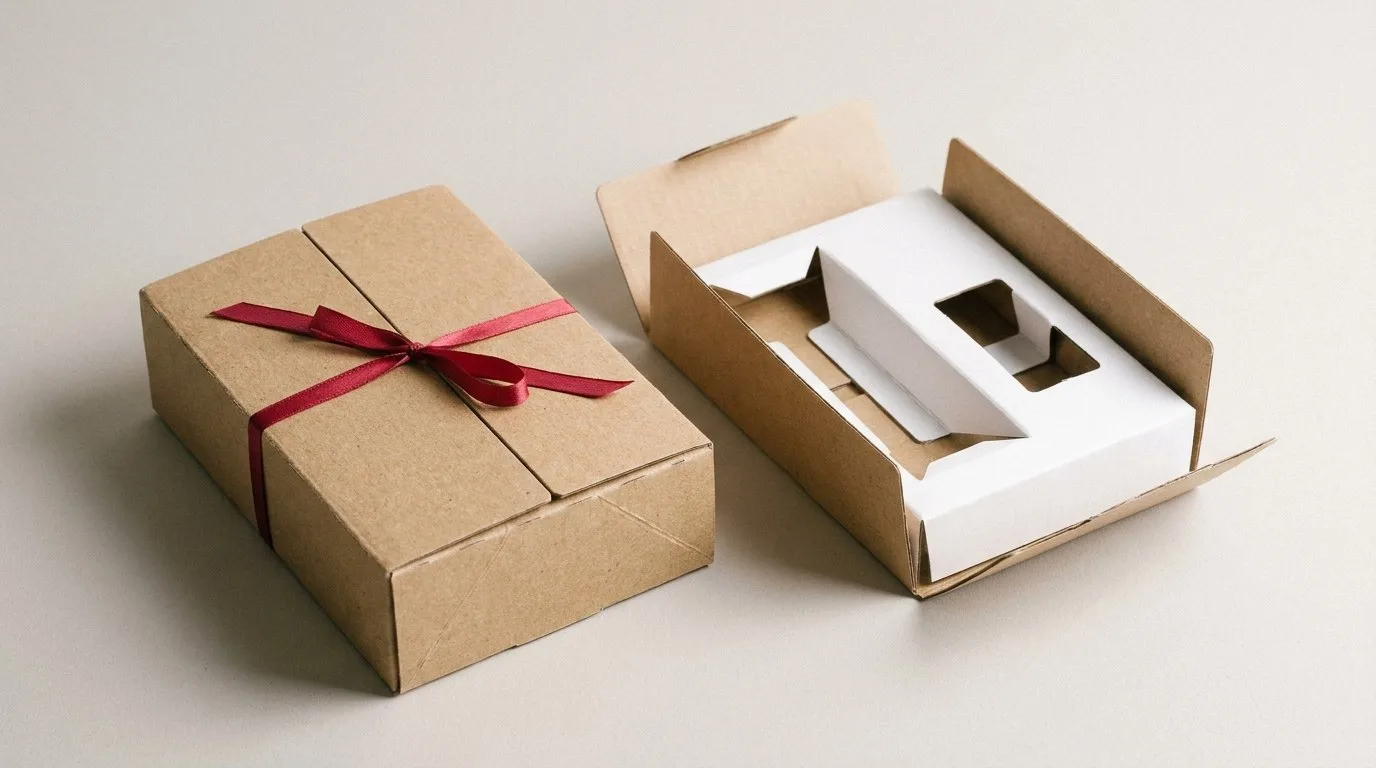
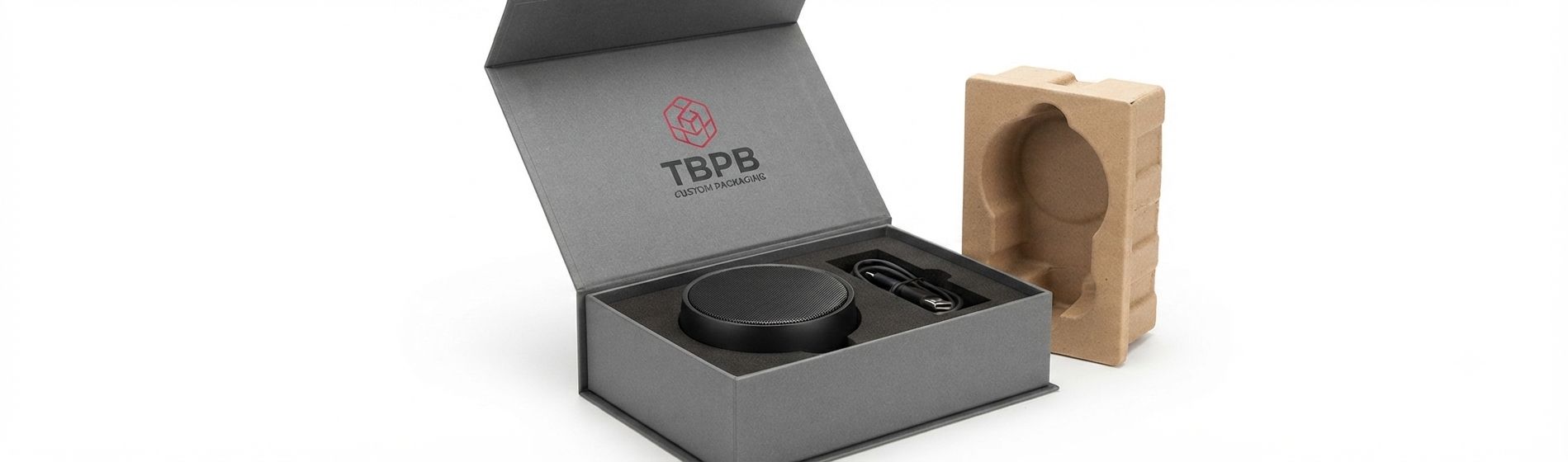
Paperboard and cardboard inserts are flat-pack, recyclable and print well, so they suit retail presentation, cosmetics and light items. Corrugated dividers add crush strength and keep fragile pieces from touching. Foam in EPE or EVA is soft and shock-absorbing, which is why electronics and tools use it, though it is less friendly to recycling. Molded pulp is a good mid-way choice with a natural look, but it needs a tooling run and does not suit very fine detail. If your brand sells on sustainability, say so up front and we steer you to paper-based options first. For foam work specifically, see custom foam inserts.
Getting the fit right
Fit is where inserts succeed or fail. Measure the product at its longest, widest and tallest, including any caps, handles or protrusions. A cavity cut exactly to size is too tight to load by hand and too fiddly to fill on a pack line, so the usual allowance is a small clearance of about one sixteenth to one eighth of an inch per side for rigid items, with less for soft foam that grips the product. Also decide the depth. A product that sits flush with the top looks neat but can be damaged by a lid that presses down. A product held slightly below the rim is safer in transit. Send us the product and the box it is going into, and we draw the cavity to suit both.
- Die-cut paperboard, cardboard and corrugated dividers
- Foam in EPE or EVA, and molded pulp
- Cavities cut to your product dimensions, single or multi-piece
- Printed paperboard inserts with CMYK or Pantone colors
- Fits mailer boxes, two-piece boxes and folding cartons
Pairing the insert with the box
An insert only works if it sits correctly in the outer box. A custom mailer box with a paperboard tray is the standard ecommerce setup for kits and subscription items. For paper-only add-ins such as leaflets and thank-you cards, look at paper inserts instead. Browse the full custom packaging inserts category for related options. If you only need a protective filler and not a fitted piece, an insert may be more than you need.
Next step: send the product dimensions, the box size and your quantity, even if it is one, and TBPB draws the dieline and quotes it.
Frequently asked questions
What is the minimum order for custom packaging inserts?
There is no minimum order. Order a single prototype insert or tens of thousands, and the same price-beat guarantee applies to every quantity: bring a written quote for the same specs and TBPB beats it.
What is the difference between a paperboard insert and a foam insert?
Paperboard is flat-pack, recyclable and printable, suiting retail and light products. Foam absorbs shock, which suits electronics and fragile goods that ship by courier. Choose by the roughest handling the product will see, not by looks alone.
How much clearance should an insert cavity have?
For rigid products, allow roughly one sixteenth to one eighth of an inch per side so the item loads easily without rattling. Soft foam can grip tighter. Send the product and TBPB will recommend a tolerance based on the material.
Can an insert be printed with my branding?
Paperboard and cardboard inserts can be printed in CMYK or Pantone colors, which is useful for unboxing and for showing product names or instructions. Foam and molded pulp are usually left plain, so the branding goes on the box.
Do I need to send a sample product?
It helps, but it is not required. Accurate measurements of length, width, height and any protrusions are enough for a dieline. For tricky shapes, send a photo with a ruler beside the product, and TBPB will check the fit before cutting.
Can one insert hold several products?
Yes. A multi-cavity insert can hold a set of different items, such as a kit with a bottle, a jar and a card, each in its own pocket. Send the dimensions of every piece and how you want them arranged.
More Custom Packaging Inserts
See the full Custom Packaging Inserts range, or explore related options with no minimum order and our best-price guarantee: