


The right custom box comes down to three questions: what’s the product, how does it get to the customer, and where does it need to sell? A subscription skincare set, a heavy ceramic mug, and a lip balm at a checkout counter all need different boxes, and picking the wrong style either costs you money on materials you don’t need or ships a product that arrives crushed. This guide breaks down the main custom box types, what each is genuinely best for, and how to choose, with links to a deeper guide on every style.
Short version, if you’re in a hurry: shipping a product direct to customers, use a mailer box or a corrugated shipping box. Selling on a retail shelf, use a folding carton / tuck-end box. Selling something premium where the box is part of the product, use a rigid box. Merchandising small impulse items at the register, use a display box. Packaging food or anything that needs freshness, use a mylar bag. The rest of this guide explains why.
Mailer boxes: best for ecommerce and subscriptions
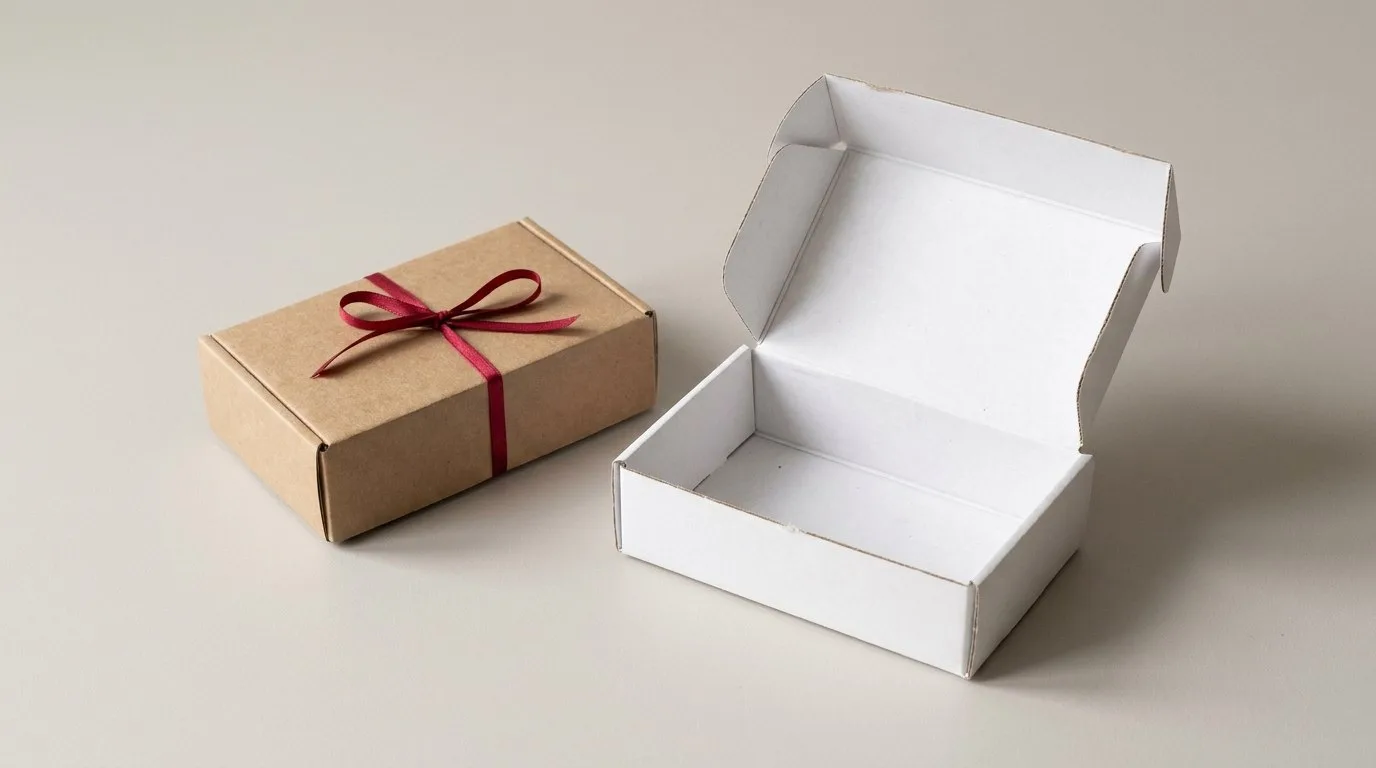
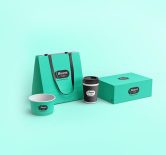
A mailer box is a one-piece corrugated box that folds flat and locks together with wing tabs, printed on the outside so the unboxing starts on the porch. It goes straight from your warehouse to the customer with no outer shipping carton. Reach for a mailer when you sell direct-to-consumer, run a subscription, and want a branded unboxing without paying for a rigid box. It’s the default ecommerce box for products up to a few pounds. Full detail on closure styles, ECT, and sizing is in the complete guide to mailer boxes.
Folding cartons and tuck-end boxes: best for retail shelves
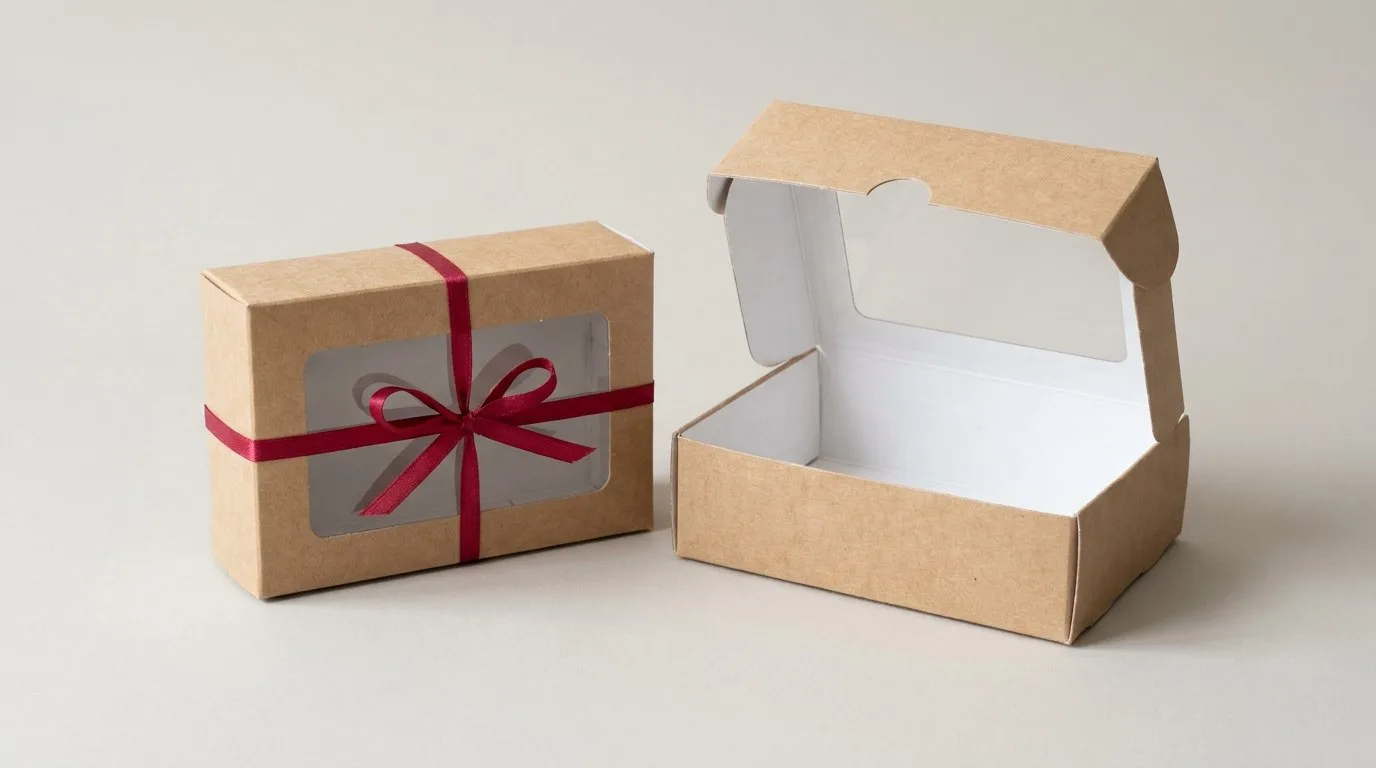
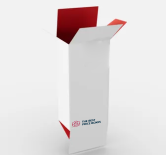
A tuck-end box is a lightweight paperboard folding carton that closes with tuck-in flaps, the box your toothpaste, supplements, and cosmetics ship in. It’s the cheapest way to put a printed retail carton around a light product, ships flat, and assembles in a second. Use it for anything that sits on a shelf and doesn’t need much structural protection. The tuck-end boxes guide covers straight vs. reverse tuck, auto-bottom, and the right board caliper.
Rigid boxes: best for premium and luxury
A rigid box (a “setup box”) is made from thick chipboard wrapped in printed paper, the box a phone or a piece of jewelry comes in. It doesn’t fold flat; it’s sturdy, heavy, and feels expensive, which is the whole point. Use it when the packaging is part of the product experience and the price supports it: luxury goods, gift sets, premium electronics. It costs more than any folding style, so it’s overkill for everyday retail. See the rigid boxes guide for construction and wrap options.
Corrugated shipping boxes: best for protection and weight
When a product is heavy, fragile, or shipping long distances, you want a corrugated shipping box, the classic brown (or printed) box rated by flute and ECT. Single-wall handles most ecommerce; double-wall carries real weight without crushing. Use corrugated when protection matters more than shelf appeal, or as the outer carton around retail packaging. The corrugated boxes guide explains flutes, ECT ratings, and when to step up to double-wall.
Display boxes: best for retail merchandising
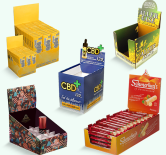
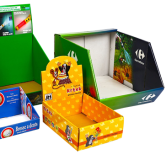
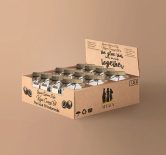
A display box is built to sell a product from a shelf or counter without a salesperson, counter/PDQ units, floor stands, and shelf-ready trays. Use one when you’re launching a small impulse product (lip balm, supplements, candy) and need it to catch the shopper’s eye at the register or on an endcap. The display boxes guide covers counter vs. floor vs. shelf-ready and the board each needs.
Pillow boxes and mylar bags: best for small items and food
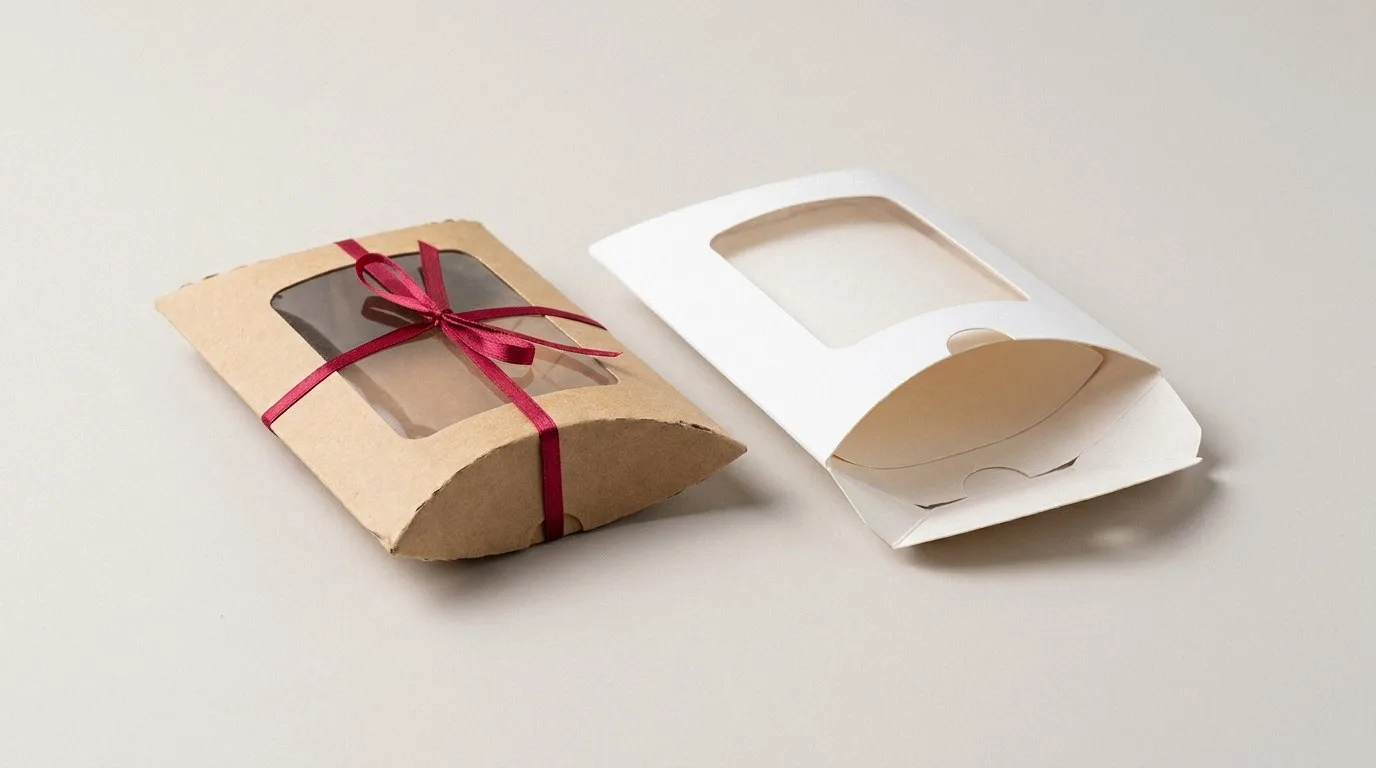
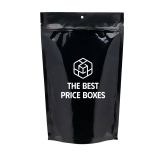
A pillow box is a curved, crescent-shaped carton that’s cheap, cute, and perfect for small gifts, accessories, and single items, see the pillow boxes guide. For anything that needs freshness or a moisture and light barrier, coffee, snacks, supplements, dried goods, skip a box and use a mylar bag, which seals airtight and prints edge to edge. If you package food specifically, the food packaging guide walks through the box and bag options together.
How to choose: a quick decision framework
Start with how the product reaches the buyer. Shipping it yourself? Mailer box for light branded goods, corrugated for heavy or fragile. Selling it on a shelf? Tuck-end folding carton for most retail, rigid box if it’s premium, display box if it’s a small impulse buy. Does it need to stay fresh? Mylar bag. Then layer in weight (heavier means more board or double-wall), budget (folding cartons are cheapest, rigid the most expensive), and how much the packaging itself needs to sell the product. When two styles both fit, the cheaper one usually wins unless the brand experience justifies the upgrade.
You don’t need a minimum order to find out
Most packaging companies make you commit to hundreds or thousands of units before you can even test a box style. We don’t. Being The Best Price Boxes, we produce every style above, mailers, folding cartons, rigid, corrugated, display, pillow, and mylar, with no minimum order quantity, so you can order a small run of two different styles, put your actual product in each, and see which one wins before you scale. Tell us the product, its weight, and where it sells, and we’ll recommend the style, spec the material, and quote it at a price built to beat what you’re paying now.
Custom Box Types FAQ
What is the most common type of custom box?
For ecommerce, the mailer box is the most common because it ships flat, prints on the outside, and goes straight to the customer with no outer carton. For retail shelves, the tuck-end folding carton is the most common because it is the cheapest printed carton for light products.
What’s the difference between a folding carton and a rigid box?
A folding carton (like a tuck-end box) is thin paperboard that ships and stores flat and is inexpensive, used for most retail products. A rigid, or setup, box is made from thick chipboard that does not fold, feels premium, and costs more, used for luxury and gift packaging.
Which box should I use for shipping ecommerce orders?
Use a mailer box for light, brandable direct-to-consumer products up to a few pounds. Use a corrugated shipping box (single-wall for most items, double-wall for heavy or fragile ones) when protection matters more than the unboxing look.
Do custom boxes require a minimum order?
Not at The Best Price Boxes. We produce mailer, folding carton, rigid, corrugated, display, pillow, and mylar packaging with no minimum order quantity, so you can order a small test run of any style and scale up on the same pricing.