


Supplement packaging comes in two layers, and confusing them is the most expensive mistake a new nutraceutical brand makes. The primary container is what actually touches the product: a bottle, a jar, a mylar pouch, or a tube. The secondary packaging is the printed carton and the shipper around it. We make the boxes, the mylar pouches, and the tubes at The Best Price Boxes, with no minimum, so this guide focuses on speccing those correctly and tells you honestly where a bottle or a label supplier fits instead.
With 60 count capsules, a scoop of protein, or gummies, the format you choose changes shelf life, retail presence, and how much you spend per unit. Here is how experienced supplement brands decide, and where each format earns its cost.
The two layers of supplement packaging
The primary container protects the product and carries the required label. The secondary carton gives you shelf presence, tamper evidence, room for an insert, and far more print real estate than a curved bottle ever will. A capsule brand on a retail shelf almost always needs both: an HDPE bottle inside a printed folding carton. A powder or gummy brand selling online can often skip the bottle entirely and run a stand up mylar pouch as the primary package. Start by deciding which layers your channel actually requires, then spec each one.
Choosing the primary container
Bottles and jars
Bottles are still the most common supplement container for tablets, capsules, and soft gels. Clear PET shows the product and suits gummies and colorful softgels, while opaque HDPE gives a better moisture barrier for hygroscopic powders and anything light sensitive. Wide mouth jars suit scoopable powders. We do not manufacture the bottle itself, so pair a bottle supplier with our printed cartons and displays. Our vitamins and supplements packaging and dietary supplement boxes are built to hold standard bottle sizes.
Mylar pouches, for powders and gummies
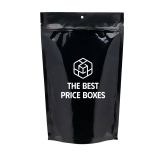
For protein, greens, pre workout, and gummies sold online, a stand up mylar pouch is often the whole package. Laminated foil mylar in the 3.5 to 5 mil range gives a high oxygen and moisture barrier that keeps powder from clumping and gummies from going sticky, and a resealable zipper handles multi serving products. Child resistant zippers are available where the formula calls for it. See our mylar pouches, resealable zipper pouches, and child resistant mylar bags, and the mylar sizing guide for barrier and size details.
Tubes, for effervescent and single serve
Paperboard tubes suit effervescent tablets, single serve sticks, and premium single count products. They stack well, print full wrap, and feel more considered than a blister strip. Our paper tube packaging covers this format.
Why retail supplements need a secondary carton
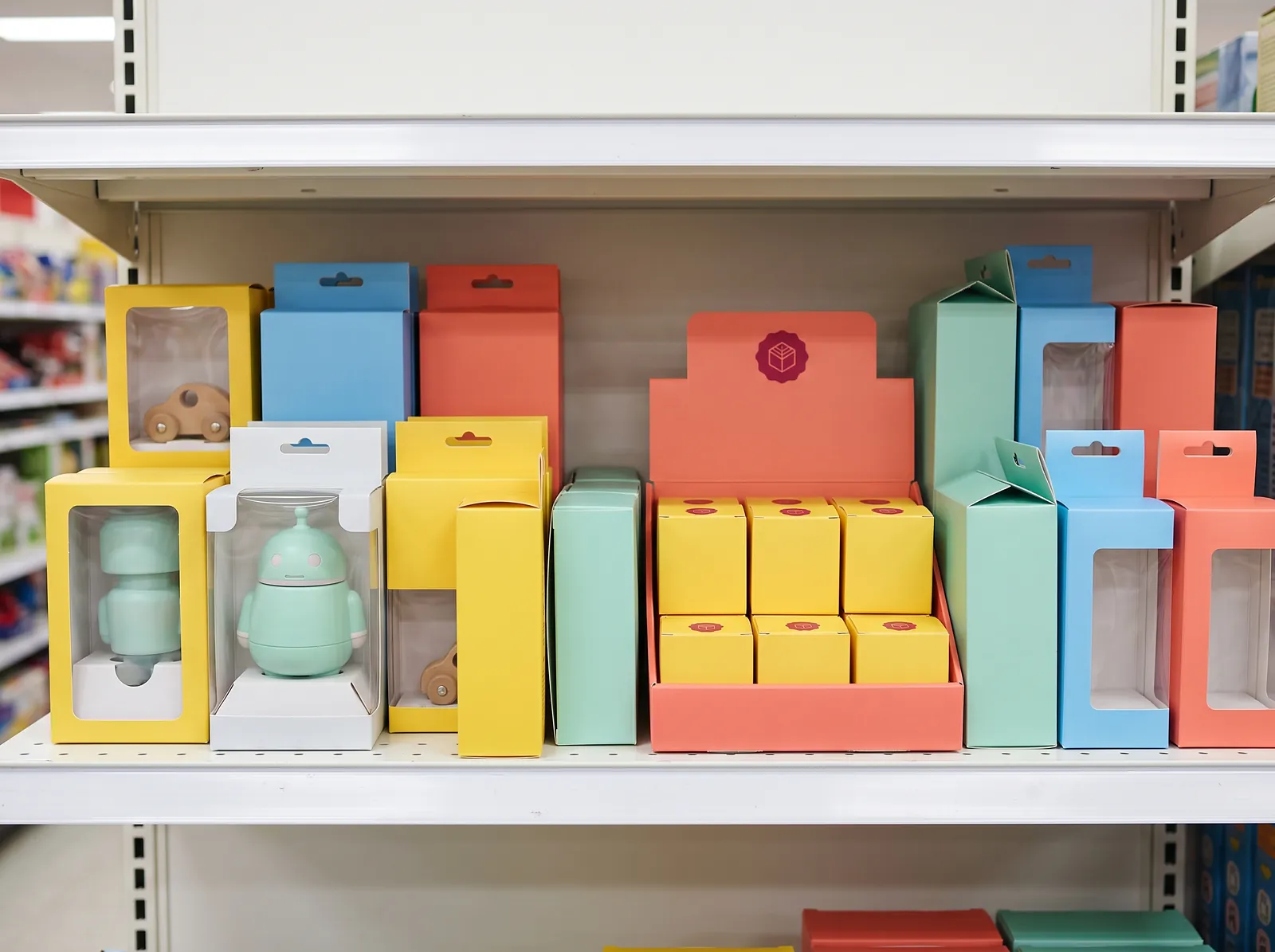
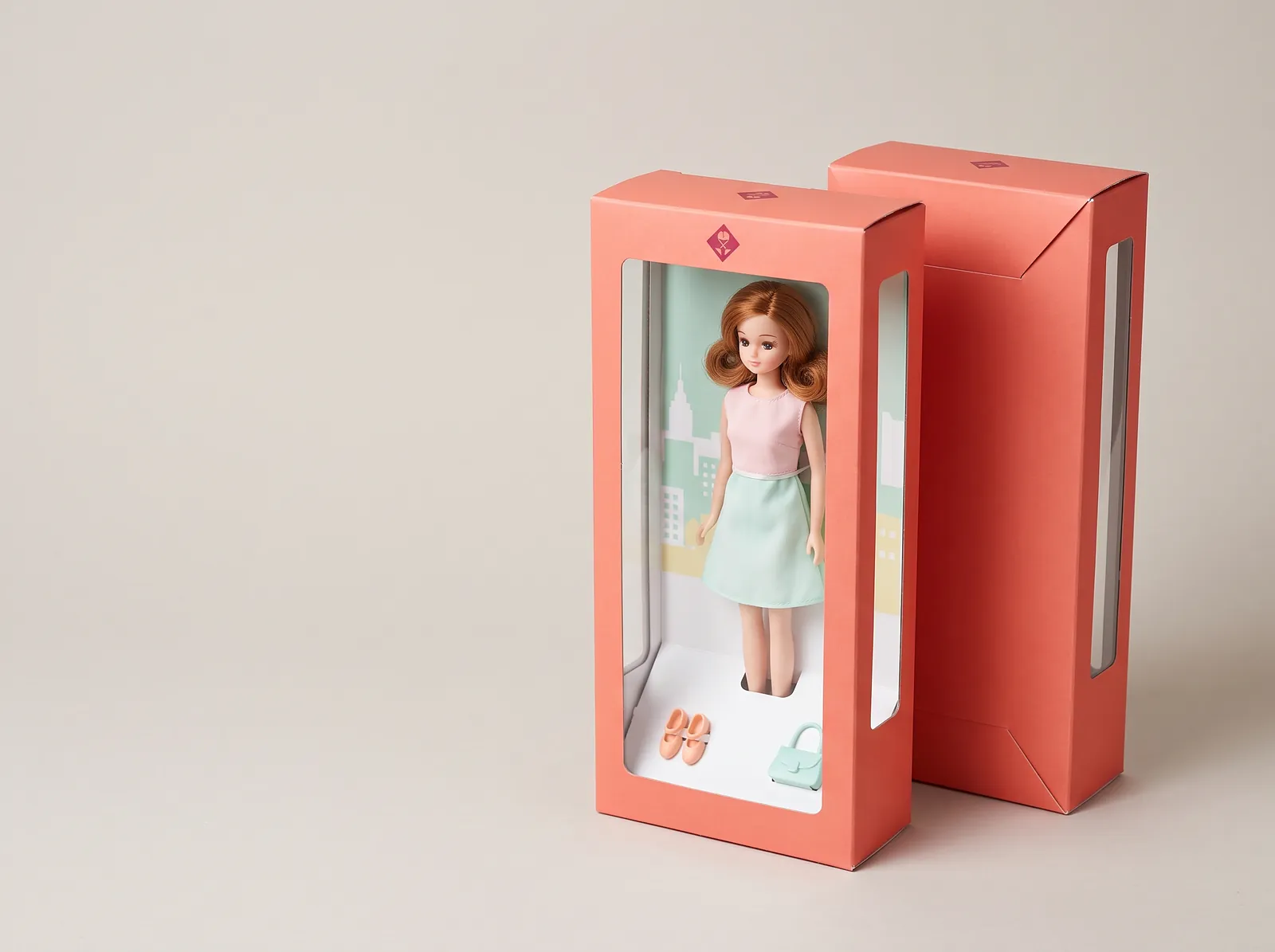
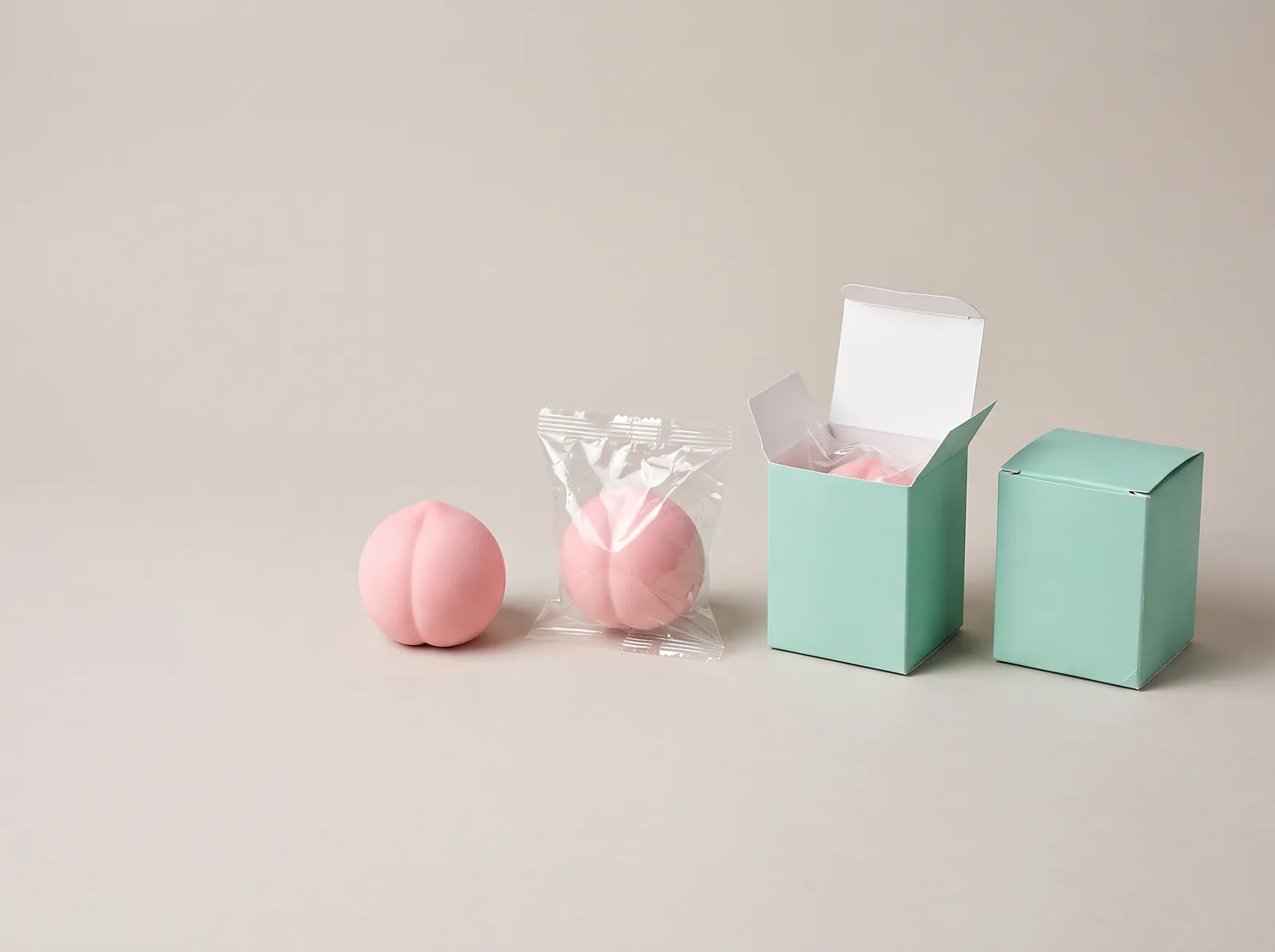
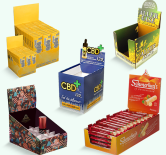
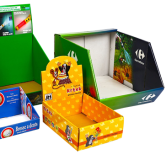
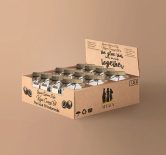
Once a supplement sells on a shelf rather than a website, the printed folding carton stops being optional. A carton in 18 to 24 pt SBS paperboard around the bottle does four things a bare bottle cannot: it presents flat printed faces to the shopper, it carries tamper evidence at the seams, it holds a dosing insert or leaflet, and it lets you fit more brand and claims copy than a curved label. For counter placement, a printed display holds a row of units at the register. See our four corner health cartons and counter display boxes, or step up to rigid boxes for a premium gift or launch kit.
Labeling and compliance, the short version
This is context, not legal advice, and supplement rules change, so confirm the current FDA requirements or ask a regulatory consultant before you print. In broad terms, a US dietary supplement label is expected to carry five things: a statement of identity (what the product is), the net quantity of contents, a Supplement Facts panel, the full ingredient list, and the name and place of business of the manufacturer, packer, or distributor. Certain products also need tamper evident features, and formulas like iron containing supplements fall under child resistant packaging rules. We print the carton and the pouch to fit whatever your label and legal review require, but the label content and claims are yours to verify.
What it costs and why there is no minimum
Supplement packaging pricing tracks quantity, material, size, and print coverage, and the per unit cost falls as volume rises. We do not set a minimum order because a supplement brand testing a formula should be able to buy 100 cartons or pouches before committing to a full production run. Being The Best Price Boxes, we will match a competitor written quote on comparable stock. Work out your numbers in the packaging cost guide, and see ordering with no minimum for how small runs work. Send us your bottle or pouch dimensions and monthly volume and we will quote the right package.
What packaging do supplements come in?
Most supplements use one of four primary containers: a PET or HDPE bottle for capsules and tablets, a wide mouth jar for powders, a stand up mylar pouch for powders and gummies, or a paperboard tube for effervescent and single serve products. Retail products usually add a printed folding carton around the primary container.
Do I need a box if I already have a bottle?
For online sales you can often ship a labeled bottle in a mailer. For retail shelves a printed secondary carton is close to required, because it gives you tamper evidence, room for an insert, flat printed faces for your brand and claims, and a more premium shelf presence than a curved bottle label alone.
What is required on a supplement label?
In the US a dietary supplement label is generally expected to include a statement of identity, the net quantity of contents, a Supplement Facts panel, the full ingredient list, and the name and place of business of the manufacturer, packer, or distributor. This is general information, not legal advice, and FDA rules change, so verify current requirements before printing.
Can I put protein powder or gummies in mylar bags?
Yes. A laminated foil mylar pouch in the 3.5 to 5 mil range gives a strong oxygen and moisture barrier that keeps powder from clumping and gummies from sticking, and a resealable zipper suits multi serving products. Child resistant zippers are available where the formula requires them.
Do supplement bottles need child resistant or tamper evident packaging?
It depends on the product. Tamper evident features are expected for many supplements, and specific formulas such as iron containing products fall under child resistant packaging rules. Confirm the current CPSC and FDA requirements for your specific formula before you finalize packaging.
Is there a minimum order for custom supplement boxes?
No. We produce supplement cartons, pouches, and tubes with no minimum order quantity, so you can order 100 units to test a design before a full run. Per unit cost is higher at low volume and drops as quantity increases.