


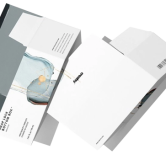
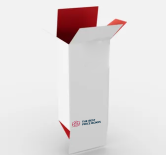
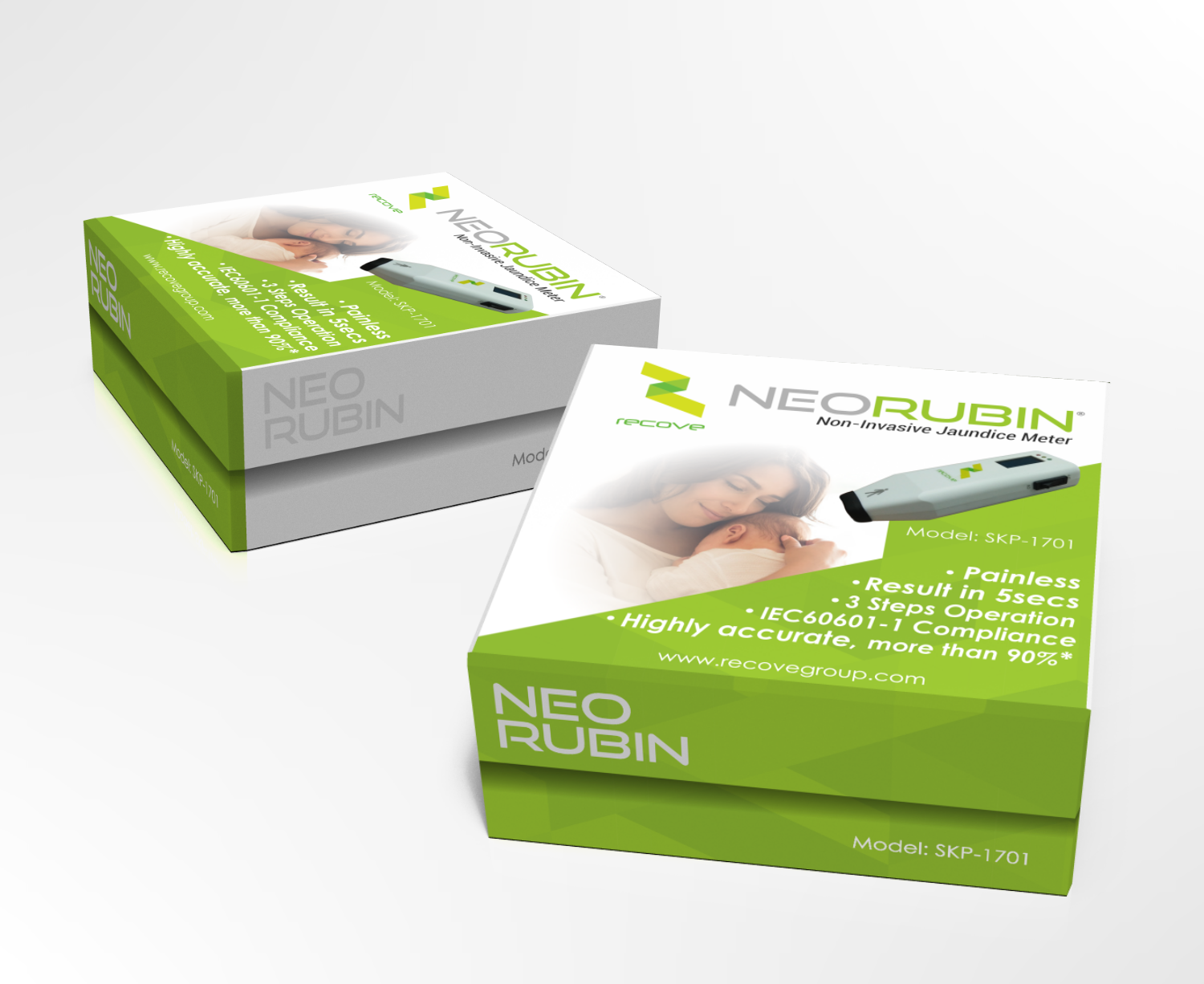
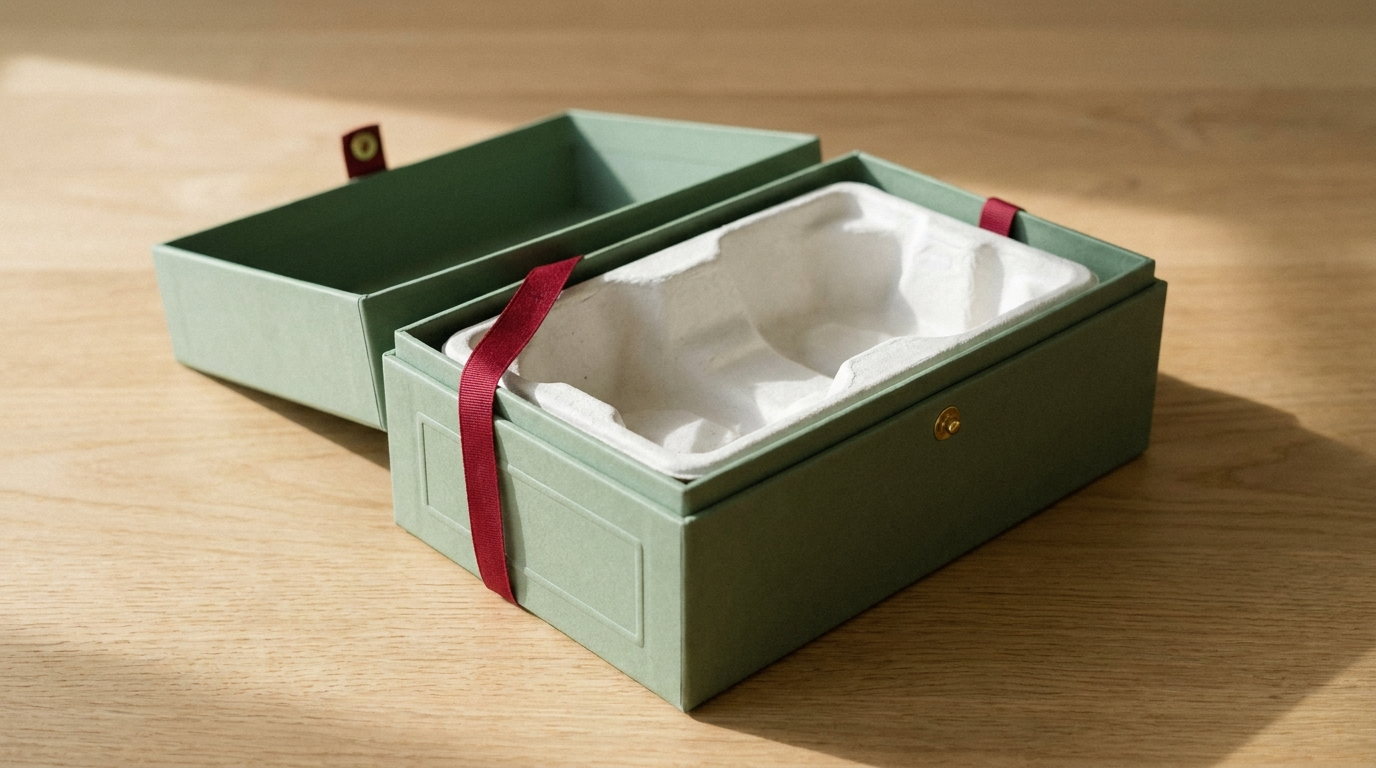


Medical device packaging, in the carton sense, is the printed secondary box that holds a device, its instructions for use and its labelling. The Best Price Boxes makes these cartons custom to your dimensions and artwork with no minimum order, and our price-beat guarantee applies if you bring a written quote for the same specs.
Where the carton sits in a device package
Most devices travel in layers. The device itself may sit inside a sealed pouch, blister or tray that does the sterile or protective work, and that inner layer is specified and validated by you or your contract packager. The printed carton goes around it. It carries the brand, the product identification, the instructions leaflet and whatever regulatory markings you are responsible for, and it protects everything through shipping and shelf time.
That split matters when you brief us. We make the carton and any insert inside it. We do not supply sterile barrier materials, and we do not validate packaging. Anything with a regulatory requirement behind it, from label content to contact-material needs, is yours to confirm with your own regulatory adviser. We print the artwork you give us.
Carton styles that suit devices
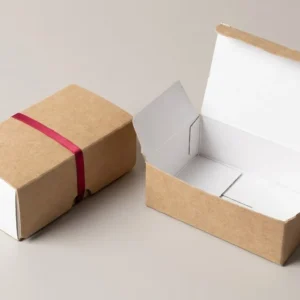
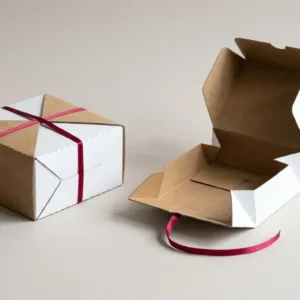
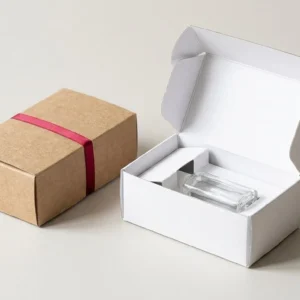
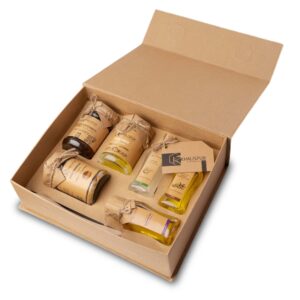
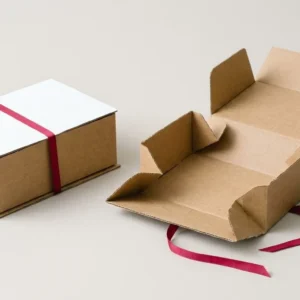
For a small device in a pouch, such as a monitor patch, a probe cover or a hand-held tool, a straight tuck carton is the usual answer. It ships flat, loads quickly and opens easily. Our straight tuck end boxes are built the same way and work as a starting point. When the device is heavier or has awkward geometry, a carton with a custom insert keeps it from shifting, and a custom foam insert or a die-cut paperboard tray can hold it in a fixed position.
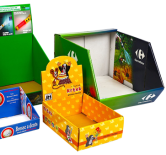
Where cartons sell through a counter or a clinic shelf, a display-friendly format helps. Our pharmaceutical display boxes and dental packaging show how related healthcare cartons are built.
Board, print and finish
Folding cartons for devices are typically made from SBS paperboard in the 16 to 24 pt range. Heavier devices may need a thicker board or a corrugated shipper around the carton. Print runs in CMYK with a Pantone match for brand colours, and a matte or gloss aqueous coating protects the surface from handling. Small text for warnings and symbols needs a clean, crisp print, so send vector artwork and keep text at a legible size on the dieline.
- Straight tuck, reverse tuck and lock-bottom carton styles
- Die-cut paperboard trays and inserts, or custom foam
- CMYK and Pantone-matched printing
- Matte or gloss aqueous coating, plus soft-touch lamination on request
- Tear strips, thumb notches and perforated tabs for opening
- Space reserved for a label, lot sticker or tamper seal that you supply
Sizing the carton to the device
Measure the device in its inner pouch or tray, not bare, because that is what the carton actually receives. Add about one eighth inch of clearance per side for a folding carton, then add the thickness of the instructions leaflet, folded flat. Anything tighter makes loading slow and puts stress on the seals of the inner pouch. If the device will be packed by hand at a small bench rather than on a line, leave a little more room, since a carton that fights the operator slows every unit and invites crushed corners.
Next step
Send the packed dimensions of the device, a copy of your artwork if you have it, and your quantity, even one. We draw the dieline and quote it.
Frequently asked questions
Is there a minimum order for medical device packaging?
No. There is no minimum order. You can order one prototype carton to test fit and artwork, then move to a larger run later using the same dieline.
Do you supply sterile barrier packaging?
No. We make printed cartons, trays and inserts. Sterile barrier systems and their validation are yours or your packager’s responsibility. The carton is designed around the inner pouch or tray you already use.
Who is responsible for label and regulatory content?
You are. We print the artwork you supply and do not write or approve label text. Confirm required markings, instructions and contact-material needs with your own regulatory adviser before artwork is finalized.
What board is used for device cartons?
SBS paperboard in the 16 to 24 pt range is common for folding cartons. Heavier devices may call for thicker board or a corrugated outer. Tell us the packed weight and we recommend a stock.
Can the carton include an insert or tray?
Yes. We can add a die-cut paperboard tray or a custom foam insert so the device sits in a fixed position. Send the device dimensions and we design the cavity to suit.
How do I size a carton for a pouched device?
Measure the device inside its pouch or tray, add about one eighth inch of clearance per side, and add the folded thickness of the instruction leaflet. Send those figures and we confirm the final carton size.
More Pharma Packaging
See the full Pharma Packaging range, or explore related options with no minimum order and our best-price guarantee: