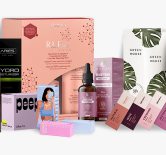
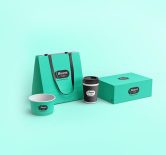
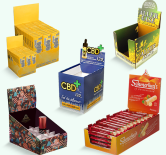

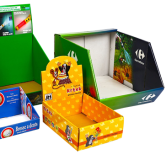
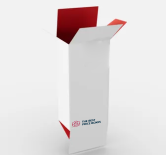
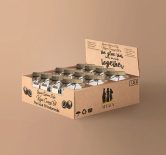
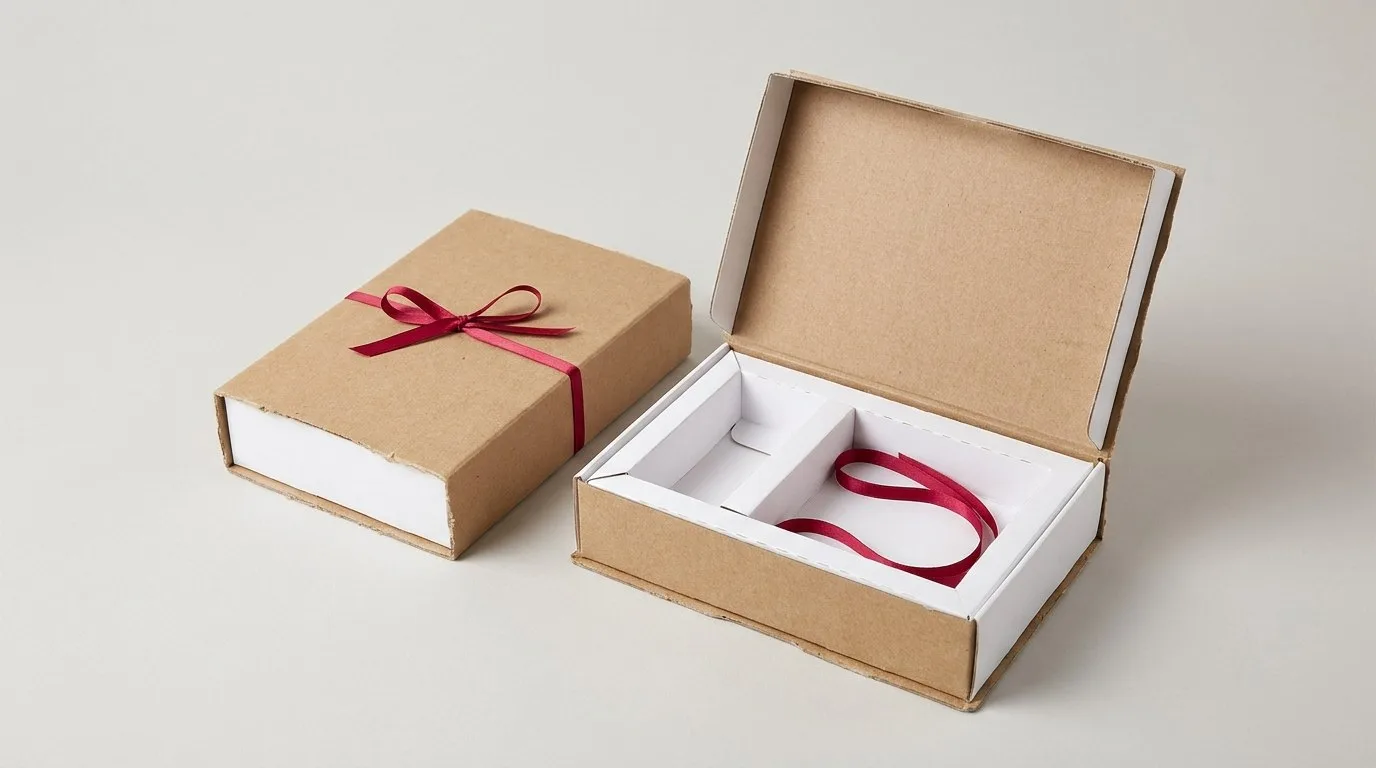
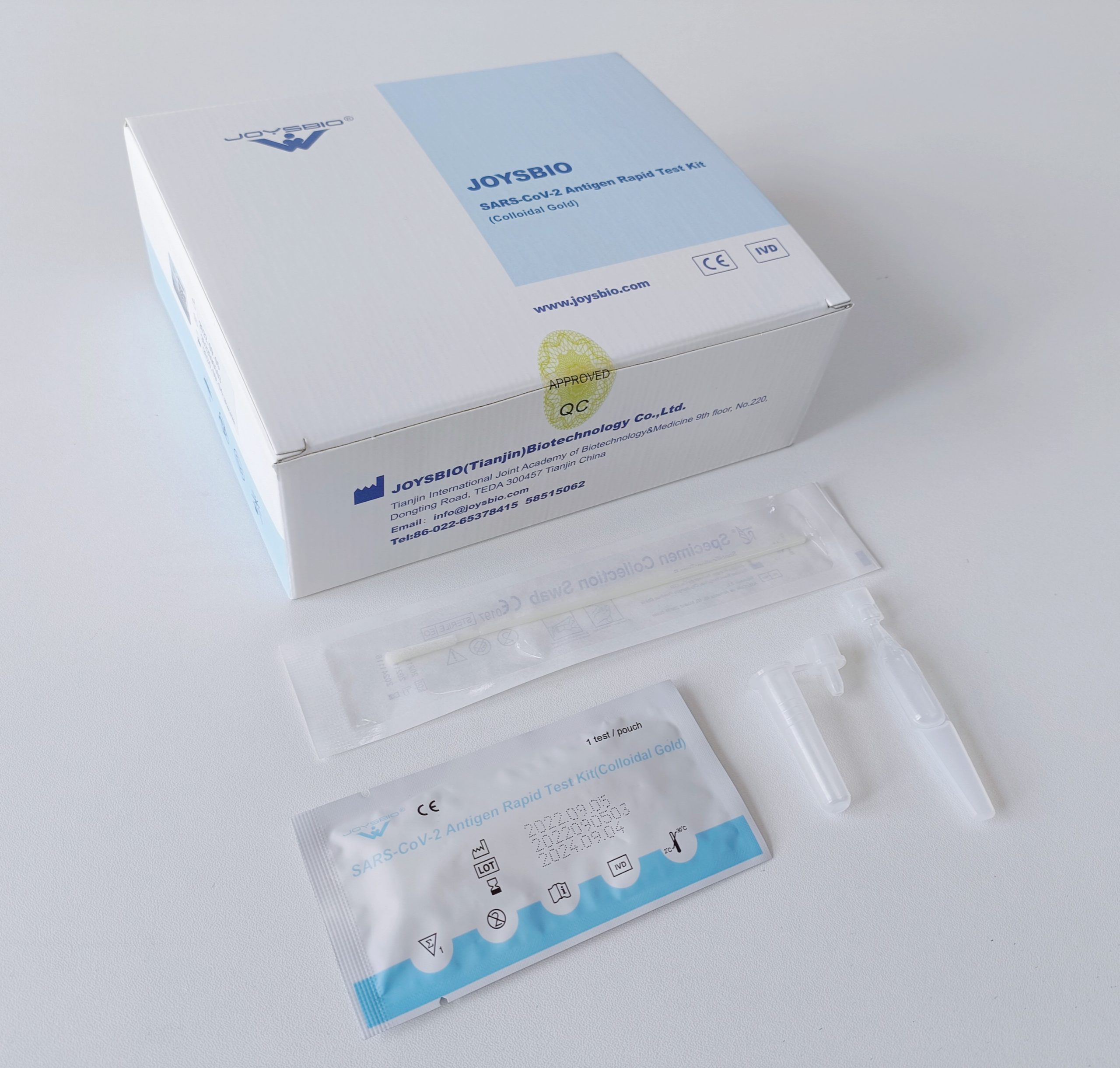
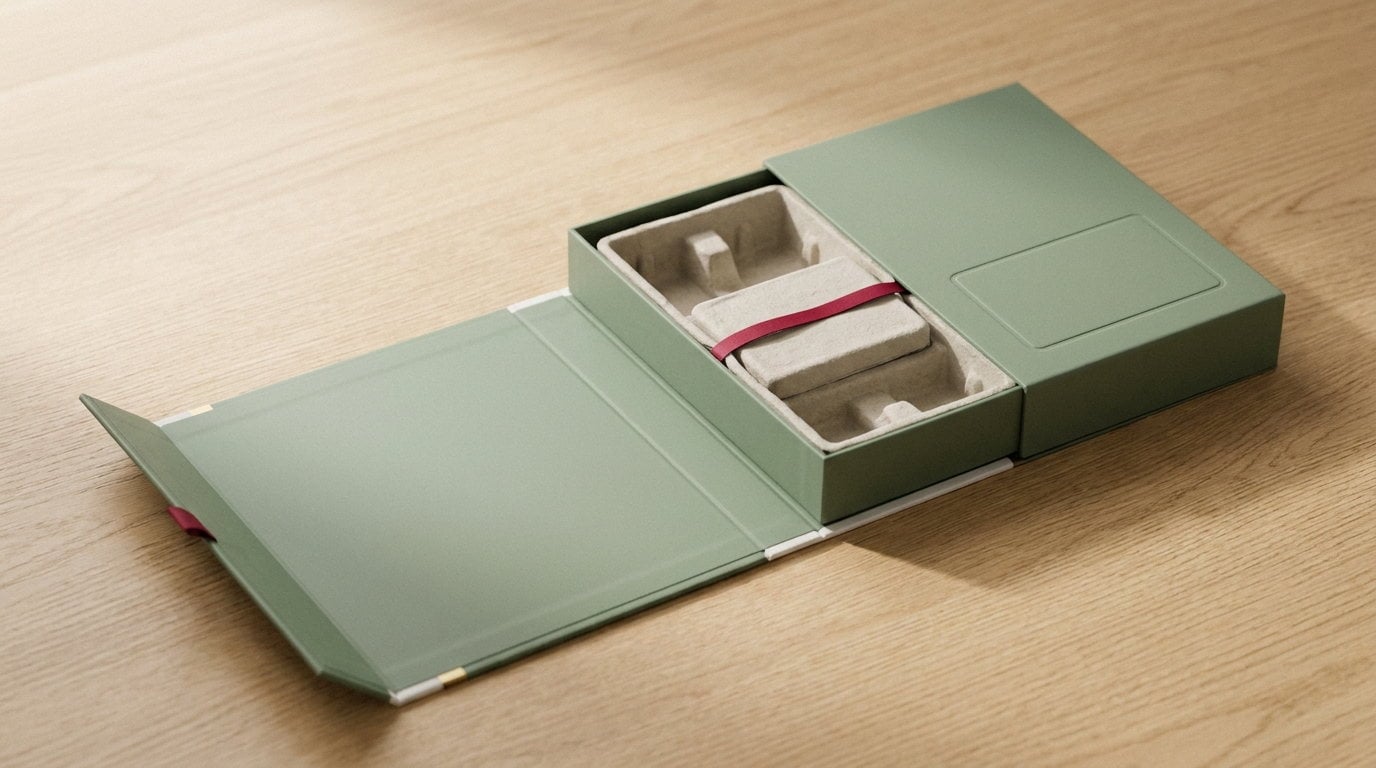


Test kit packaging is a custom carton with a fitted insert that holds every component of a test or sample collection kit in the right order. TBPB makes it with no minimum order, and if you hold a written quote for the same specs we will beat it.
Pack the kit in the order it is used
A kit box is more than a container. The person opening it is often nervous, in a hurry or following instructions for the first time, so the layout has to guide them. Put the instruction card where the eye lands first when the lid opens. Place components in the order of use, each in its own pocket, so nothing is left behind. A tube that rattles loose or a swab that falls out of the pack hurts the user’s confidence in the whole kit.
List every component with its dimensions: tubes, swabs, pouches, buffer vials, lancets, return bags, leaflets. We design the insert around the real parts.
Box styles that work for kits
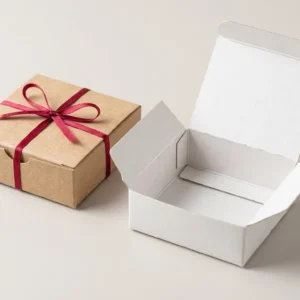
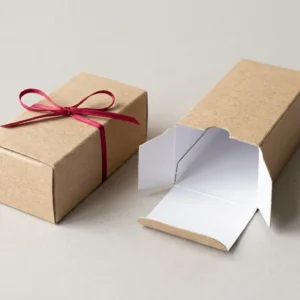
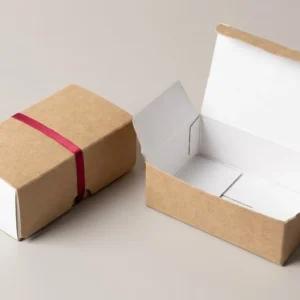
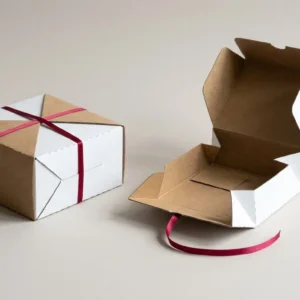
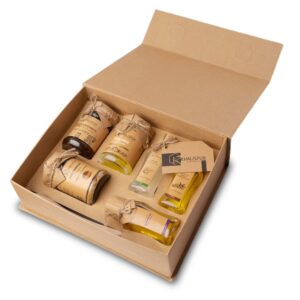
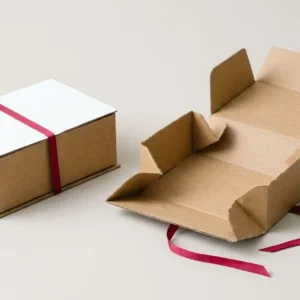
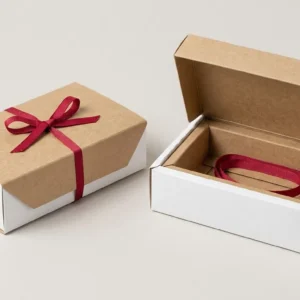
A folding carton with a paperboard tray insert suits most retail or clinic kits and ships flat. A tuck-end or lock-bottom carton with a printed instruction panel inside the lid keeps the parts list short. For kits that are mailed back to a lab, a sturdier mailer-style carton or a rigid box with a tamper strip is worth looking at, because the return trip can be rough. Corrugated outer shippers add protection for lots of kits at once.
Inserts can be paperboard, pulp or foam. Foam holds fragile glass and sensitive parts more firmly. Paperboard is flatter, lighter and prints well.
Print, labeling and responsibility
We print your artwork in CMYK or Pantone colors, with matte or gloss aqueous coating, and optionally soft-touch or spot UV. Clear, large type matters more than decoration for instructions. All regulatory wording, intended-use statements, warnings and symbols are the brand owner’s responsibility, as are any device or diagnostic requirements. Check them with your own regulatory adviser before artwork goes to print. TBPB prints what you supply and does not make compliance claims for your product.
- Styles: folding carton with tray, lock-bottom, tuck-end, rigid, mailer
- Material: folding paperboard, kraft, corrugated
- Print: CMYK, Pantone match, instructions printed inside the lid
- Finish: matte or gloss coating, soft-touch, spot UV
- Inserts: paperboard, pulp or foam, one pocket per component
Related packaging
For lab-bound samples, see research and diagnostic boxes. For devices with more fragile parts, medical device packaging uses a similar approach. A wider choice sits in health care boxes and the pharma packaging range. If a component needs extra cushioning, custom foam inserts are an option.
Before approving, ask someone who has never seen the kit to open the sample and assemble it from the printed instructions alone. Where they hesitate is where the layout needs a change.
It also helps to decide how the kit is stored and shipped. Flat-packed cartons save room in a warehouse, but a pre-assembled box with the kit inside may be faster for a fulfilment team to handle. Let us know which path you prefer and we can choose a construction that suits it.
Next step: send the component list, the dimensions and a quantity, even one kit, and TBPB drafts the dieline and quotes it.
Frequently asked questions
What goes into test kit packaging?
A carton, a fitted insert with a pocket for each component, and a printed instruction panel. The box protects tubes, swabs, pouches and leaflets, keeps them in order of use and shows the user what to do. Some kits also need a return bag or a tamper strip.
What is the best box for a kit that is mailed back to a lab?
A sturdier carton or rigid box with a tamper strip, often inside a corrugated outer shipper. The return trip is rough, so the insert must hold tubes firmly. We recommend a build from the component list and how the kit travels.
Can you print instructions inside the box?
Yes. We print inside the lid and on insert panels, so the instruction card or diagram is the first thing the user sees. Large, clear type and a numbered sequence work best. Send your artwork and we place it on the dieline for your approval.
Does TBPB certify test kit packaging for medical use?
No. We print and make packaging to your supplied specs and artwork and do not make compliance claims. Regulatory wording, intended-use statements and symbols are your responsibility, so confirm requirements with your own regulatory adviser before sending final artwork.
Is there a minimum order for custom test kit boxes?
No. TBPB has no minimum order, so you can order a single kit box to check the layout or thousands for a rollout. Send the component list for a quote, and if you hold a lower written quote for the same specs, we will beat it.
How do I prepare a component list for the insert?
List every part with its length, width and height, such as tubes, swabs, pouches, vials and leaflets, and note the order they are used. A photo of the loose parts laid out also helps. We design one pocket for each and send a dieline for approval.
More Pharma Packaging
See the full Pharma Packaging range, or explore related options with no minimum order and our best-price guarantee: