




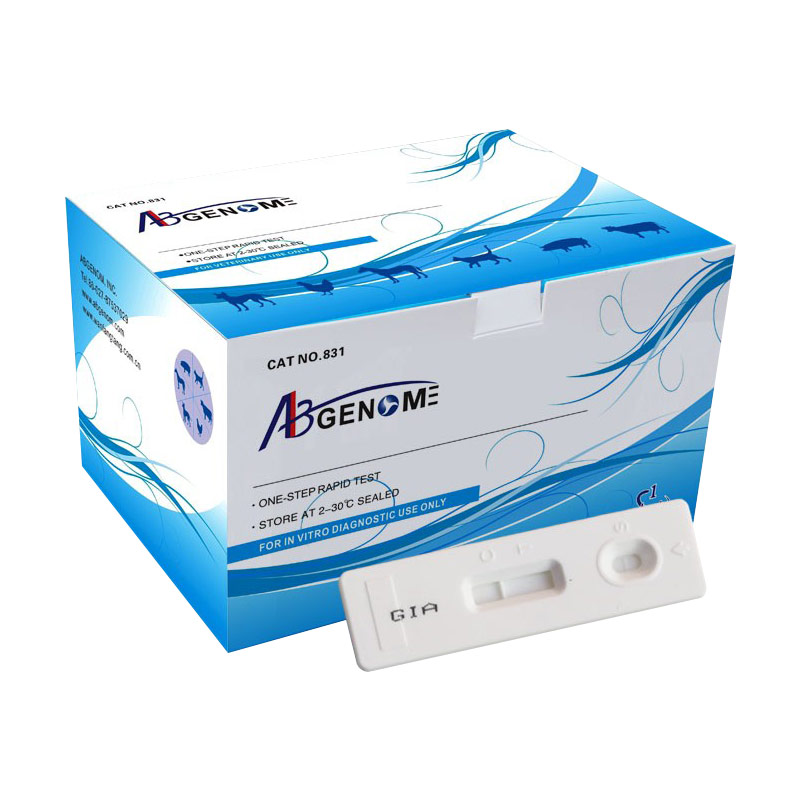
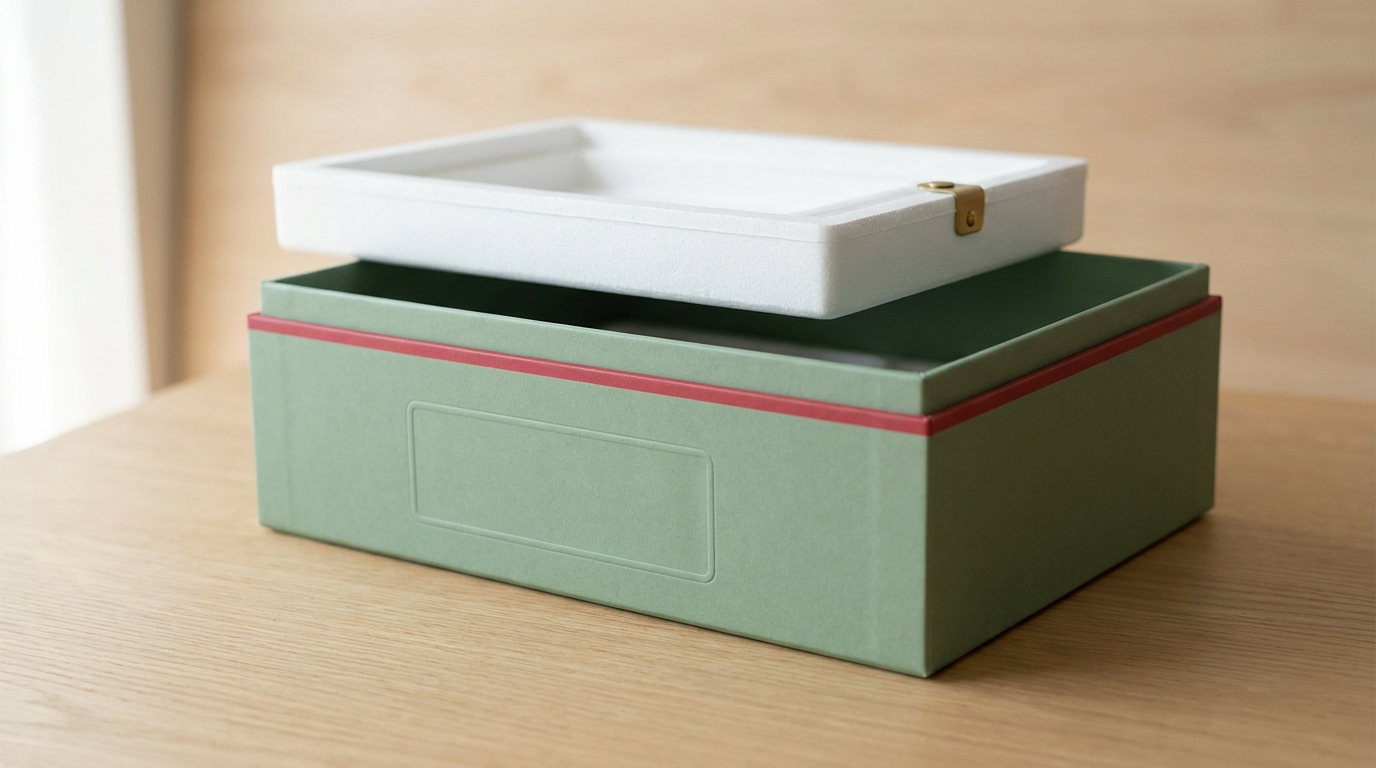


Research and diagnostic packaging serves labs and clinical settings, not consumers, so it prioritizes protection, organization, and traceability over retail appeal. It holds vials, reagents, slides, or specimen containers that have to survive transport without breaking or mixing up, carry lot and handling information, and often fit into a cold chain or a biohazard protocol. Function and reliability are the whole brief; a mislabeled or crushed sample is a ruined result.
We build research and diagnostic boxes in rigid and corrugated board with die cut inserts and foam that immobilize vials, tubes, slides, and specimen containers, plus clear print for lot, handling, and identification. Compartmented and multi component layouts organize a reagent set or a sample kit, and we build to support cold chain and protocol requirements. Validation, biohazard, and regulatory compliance stay the lab's or manufacturer's responsibility.
This is packaging guidance, not regulatory advice. No minimum order suits research quantities and pilot runs. Tell us the components, how they ship, and any handling needs and we will spec packaging that protects and organizes them.
Function and reliability are the brief
What does research and diagnostic packaging hold?
Vials, reagents, tubes, slides, and specimen containers, immobilized with die cut inserts and foam so they survive transport without breaking or mixing up. Compartmented layouts organize a reagent set or sample kit.
Can it support cold chain or protocols?
We build packaging to support cold chain and handling protocols and carry lot and handling information, but validation, biohazard, and regulatory compliance stay the lab's or manufacturer's responsibility.
Is it built for labs rather than retail?
Yes, it prioritizes protection, organization, and traceability over retail appeal, because a mislabeled or crushed sample is a ruined result. Function and reliability are the brief.
Is there a minimum order?
No minimum, which suits research quantities and pilot runs. This is packaging guidance, not regulatory advice.
More Pharma Packaging
See the full Pharma Packaging range, or explore related options with no minimum order and our best-price guarantee: