
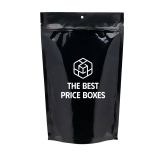

Most pet treat and pet food brands package in a resealable stand up mylar pouch, and for good reason: it keeps treats fresh, holds odor in, stands on a shelf, and costs far less than a rigid container. The right barrier and format depend on what is inside. Crunchy biscuits, soft chews, freeze dried raw, dry kibble, and wet food each ask for something different, and matching the pouch to the product is what keeps your treats from going stale or greasy on the shelf.
We make food grade mylar pouches with no minimum at The Best Price Boxes, so a new treat brand can order a few hundred bags to test a recipe and a design before scaling. Here is how to spec pet packaging that protects the product and looks good enough to earn a spot in the store.
The pouch formats pet brands actually use
Stand up pouch, the default
A stand up pouch has a bottom gusset that lets it stand on its own, which is what you want on a retail peg or shelf. It is the format most treat brands start with. It prints edge to edge, takes a resealable zipper, and works from a 2 ounce sample bag up to a 5 pound food bag. See our stand up mylar bags and resealable ziplock mylar bags.
Flat bottom and side gusset bags, for larger dry food
When you move from treats to a 5 or 10 pound bag of dry food, a flat bottom box pouch or a side gusset bag holds more, stacks better, and gives you five printable panels instead of two. These suit kibble and bulk formats where shelf stability matters. Our mylar food storage bags cover the higher volume end.
Shaped and window pouches, for shelf standout
A die cut shaped pouch, a bone or paw silhouette, differentiates a treat brand on a crowded shelf. A clear window lets a shopper see the actual biscuit before they buy, which builds trust for a premium or natural product. It trims a little barrier area, so it suits treats meant to sell through quickly rather than sit for a year. See mylar bags with windows.
Barrier and freshness, what actually keeps treats good
Pet treats fail on two things: oxygen and moisture. A foil laminate mylar pouch in the 3.5 to 5 mil range blocks both, which is why it beats a plain poly bag for anything you want to keep on a shelf for months. Add a resealable zipper so the bag reseals after every scoop, a tear notch so it opens cleanly without scissors, and a euro slot or hang hole die cut at the top if the bag hangs on a pegboard. For freeze dried raw and high fat treats, an oxygen absorber tucked inside the sealed pouch extends shelf life further. Wet and high moisture foods are a separate world: they need a sterilizable retort pouch, which is a specialized format worth sourcing from a retort specialist. Compare the barrier tradeoffs in our mylar sizing and materials guide.
Sizing your treat bag
Size the bag to the treat volume, not the weight, because a light airy biscuit fills more space than dense jerky. As a rough starting point, a 2 to 4 ounce treat sample suits a 4 by 6 by 2 stand up pouch, an 8 to 12 ounce retail treat bag suits a 5 by 8 by 3, and a 5 pound food bag wants a 9 by 13.5 by 4 or a flat bottom equivalent. When in doubt, order a sample and fill it with the real product before you commit to a print run.
Retail shelf versus subscription box
If you sell on store shelves, prioritize the hang hole, a clear window or strong product photography, and a barrier that survives months of inventory. If you run a direct to consumer pet box or a subscription, the pouch rides inside a printed mailer box or gable box, so you can spend less on the bag and more on the unboxing. Our subscription box packaging guide covers that build, and mylar bags vs boxes helps you decide when you need one, the other, or both.
What it costs and why there is no minimum
Pet packaging pricing tracks quantity, bag size, material, and print coverage, and the per unit cost drops as volume climbs. We do not set a minimum order because a treat brand testing a recipe should be able to buy a few hundred pouches before a full run. Being The Best Price Boxes, we will match a competitor written quote on comparable stock. Run your numbers in the packaging cost guide, see ordering with no minimum, then send us your treat size and monthly volume for a quote.
What packaging is best for dog treats?
A resealable stand up mylar pouch is the standard for dog treats. Foil laminate in the 3.5 to 5 mil range blocks oxygen and moisture, a zipper keeps the treats fresh after opening, and a tear notch and hang hole make it retail ready. A 4 by 6 pouch suits samples and a 5 by 8 suits a standard retail bag.
Do pet treat bags need to be resealable?
For any multi serving bag, yes. A resealable zipper keeps treats fresh between servings and holds odor inside the bag, which matters for strong smelling treats like jerky or fish based products. Single serve sample sachets can skip the zipper.
What thickness of mylar is best for pet treats?
A foil laminate pouch in the 3.5 to 5 mil range is the usual choice. It gives a strong oxygen and moisture barrier for months of shelf life while staying flexible enough to seal cleanly. Heavier gauges suit larger food bags that take more handling.
Can I get a window to show the treats?
Yes. A clear window lets shoppers see the actual product, which helps sell premium and natural treats. It reduces the barrier area slightly, so it suits treats that sell through in months rather than products meant to sit for a year or more.
How do treat bags hang on a store peg?
A euro slot or round hang hole is die cut into the top seal of the pouch so it hangs on a pegboard hook. Tell us if your bag needs to hang and we will add the hang hole to the die line.
Is there a minimum order for custom pet treat bags?
No. We produce custom pet treat and pet food pouches with no minimum order quantity, so you can order a few hundred to test a recipe and design before scaling. Per unit cost is higher at low volume and drops as quantity increases.